
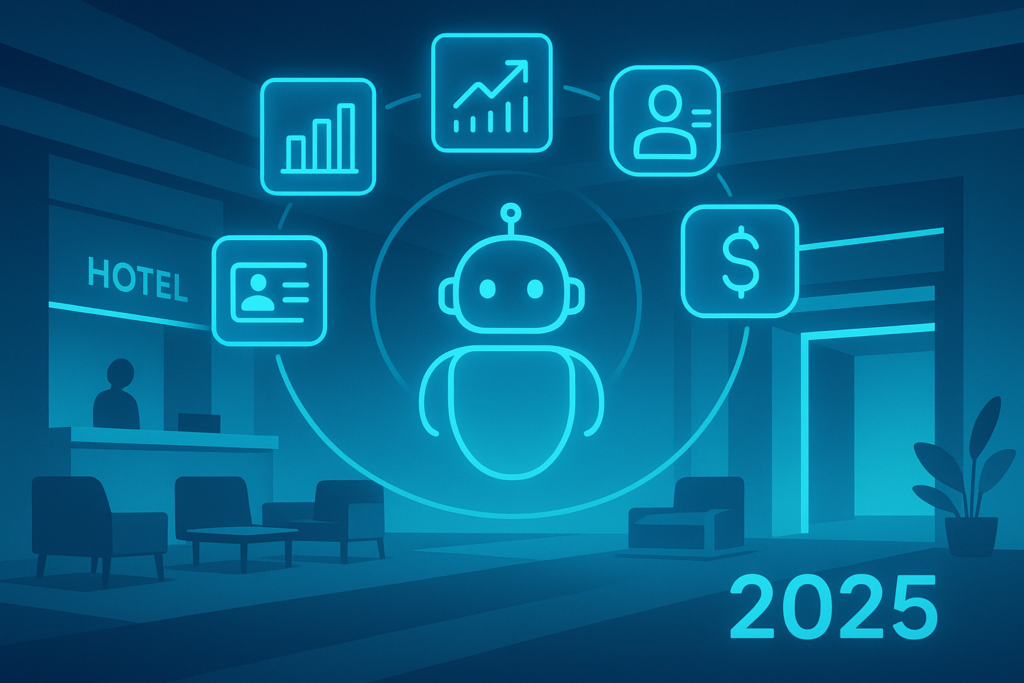
The Hotel Checkout Automation Revolution
The hospitality industry is experiencing a fundamental shift in how guests interact with hotels during their booking and departure experience. Traditional checkout processes,whether for room reservations or actual hotel departure,are plagued with friction points that cost hotels significant revenue. Manual processes, limited availability windows, and human error create barriers that modern travelers simply won't tolerate.
Key Takeaways
- A checkout bot automates cart management, payment processing, and order completion to streamline the purchasing process.
- Hotels can increase revenue by reducing abandonment rates and enhancing upselling opportunities through checkout bots.
- Checkout bots provide 24/7 automated guest services during booking and departure, improving the guest experience.
- The hospitality industry is shifting away from traditional, manual checkout processes due to their inefficiencies and revenue loss.
- Modern travelers expect seamless, frictionless checkout experiences that automated solutions like checkout bots can deliver.
Table of Contents
As Operations Director at Vynta, I've witnessed firsthand how checkout bot technology transforms hotel operations. These automated systems don't just process transactions; they create seamless experiences that drive measurable revenue increases while reducing operational overhead. The data speaks volumes: hotels implementing automated checkout solutions see average revenue increases of 15-25% within the first six months of deployment.
What makes checkout bots particularly powerful in hospitality is their ability to operate continuously. Unlike human staff who work shifts, an automated checkout bot processes reservations, handles upselling opportunities, and manages guest departures 24/7. This constant availability captures revenue that would otherwise be lost to timing constraints or staffing limitations.
Modern checkout bots integrate seamlessly with existing hotel management systems, processing everything from room bookings to spa appointments, restaurant reservations, and merchandise purchases. They're designed to augment your team's capabilities, not replace the personal touch that defines exceptional hospitality.
The technology has evolved far beyond simple transaction processing. Today’s sophisticated checkout bots analyze guest behavior patterns, identify upselling opportunities through effective onboarding sales, and even predict potential booking abandonment before it happens. They can automatically offer room upgrades, suggest dining reservations, or propose spa packages based on guest preferences and historical data.
For hotel managers and owners, the appeal is clear: checkout bots deliver measurable ROI through increased conversion rates, higher average transaction values, and reduced labor costs. But the real transformation happens in guest satisfaction. When checkout processes are frictionless and available around the clock, guests are more likely to complete bookings, return for future stays, and recommend your property to others.
The following strategies represent proven approaches that leading hotels use to maximize revenue through intelligent checkout automation. Each method addresses specific pain points in the guest journey while creating new opportunities for revenue generation.
1. Dynamic Upselling During Checkout Process

The most impactful revenue opportunity lies in the checkout moment itself. When guests are actively completing their booking or departure, they're in a decision-making mindset that's perfect for strategic upselling. A well-configured checkout bot can increase average transaction values by 35-40% through intelligent offer timing and personalization. By integrating solutions like ai auto sale, you can further automate your upsell process and capture even more incremental revenue at the point of checkout.
Modern checkout bots analyze guest data in real-time to present relevant upgrades. If a guest books a standard room for a weekend stay, the system might automatically offer a suite upgrade at a 20% discount, or suggest adding breakfast for their party size. The key is relevance and timing,offers appear precisely when guests are most receptive.
The technology goes beyond simple rule-based suggestions. Advanced checkout bots use machine learning to identify patterns in guest behavior, seasonal trends, and inventory availability. They can predict which guests are most likely to accept specific offers based on booking history, travel patterns, and demographic data.
Set your checkout bot to offer room upgrades only when occupancy allows, ensuring you're not cannibalizing higher-rate bookings. The system should automatically adjust offers based on real-time availability and revenue management rules.
Implementation requires integration with your property management system and revenue management tools. The checkout bot needs access to real-time inventory, pricing rules, and guest profiles to make intelligent recommendations. Most successful implementations see ROI within 60-90 days through increased average daily rates and ancillary revenue.
2. Automated Late Checkout Monetization
Late checkout requests represent untapped revenue potential that most hotels handle inefficiently. Traditional processes rely on front desk staff to manually assess availability and pricing, often resulting in inconsistent policies and missed revenue opportunities. An automated checkout bot transforms this reactive process into a proactive revenue stream.
The system monitors housekeeping schedules, incoming reservations, and room availability to automatically price late checkout options. Instead of offering late checkout as a free amenity or charging a flat fee, the bot can implement dynamic pricing based on demand. High-demand periods might command premium rates, while low-occupancy days could offer discounted extensions to enhance guest satisfaction.
Smart checkout bots can proactively reach out to guests via SMS or email the evening before departure, offering paid late checkout options before guests even request them through our ai auto sale feature. This approach captures revenue from guests who would otherwise simply request the service for free at the front desk.
| Traditional Approach | Automated Checkout Bot | Revenue Impact |
|---|---|---|
| Manual availability check | Real-time inventory analysis | 100% consistency |
| Fixed pricing ($25-50) | Dynamic pricing ($15-75) | 40% higher average fees |
| Reactive service | Proactive outreach | 3x higher uptake rates |
| Staff time required | Fully automated | Reduced labor costs |
The system integrates with housekeeping management tools to ensure late checkouts don't disrupt room turnover schedules. When a late checkout is approved, the bot automatically adjusts housekeeping assignments and notifies relevant staff members. This seamless coordination prevents operational disruptions while maximizing revenue opportunities.
3. Abandoned Booking Recovery Automation
Booking abandonment costs hotels millions in lost revenue annually. Industry data shows that 70% of hotel bookings are abandoned before completion, often due to friction in the checkout process or comparison shopping behavior. A sophisticated checkout bot can recover 15-25% of these abandoned bookings through strategic follow-up sequences.
The recovery process begins the moment a guest abandons their booking. The checkout bot captures their contact information and booking preferences, then initiates a carefully timed sequence of recovery messages. The first message might arrive within 30 minutes, offering assistance with the booking process. Subsequent messages could include limited-time discounts or room upgrades to incentivize completion.
Advanced systems track why bookings are abandoned and adjust recovery strategies accordingly. If guests consistently abandon bookings during payment processing, the bot might offer alternative payment methods or installment options. If abandonment occurs during room selection, the system could highlight popular room types or offer virtual tours.
The most effective recovery bots use multi-channel approaches, combining email, SMS, and even retargeting ads to re-engage potential guests. They also implement urgency tactics, such as showing real-time availability changes or highlighting increasing demand for specific dates.
Timing is crucial for abandoned booking recovery. The checkout bot should send the first recovery message within 30 minutes of abandonment, when the booking intent is still strong. Follow-up messages should be spaced strategically,typically at 2 hours, 24 hours, and 72 hours after the initial abandonment, with each message offering progressively better incentives.
4. Intelligent Package Deal Optimization
Package deals represent one of the most underutilized revenue opportunities in hospitality. While many hotels offer static packages, a sophisticated checkout bot can create dynamic, personalized packages that adapt to guest preferences, seasonal demand, and inventory availability. This approach can increase package uptake by 60-80% compared to traditional static offerings.
The system analyzes guest booking patterns, length of stay, and historical preferences to automatically generate relevant package combinations. A business traveler booking a single night might receive offers for airport transfers and express laundry services, while a family booking a weekend stay could be presented with dining credits and activity packages.
Advanced checkout bots integrate with local attractions, restaurants, and service providers to create comprehensive packages that extend beyond hotel amenities. The system can automatically negotiate rates with partners and adjust package pricing based on demand fluctuations and inventory levels.
Successful package optimization requires real-time integration with your PMS, restaurant reservations, spa bookings, and partner systems. The checkout bot should automatically check availability across all package components before presenting offers to guests.
The most effective implementations use machine learning to continuously optimize package combinations based on acceptance rates and guest feedback. The system learns which packages perform best for specific guest segments and automatically adjusts offerings to maximize both revenue and guest satisfaction.
5. Predictive Ancillary Revenue Targeting

The future of hotel revenue optimization lies in predictive analytics that anticipate guest needs before they're expressed. A next-generation checkout bot uses artificial intelligence to analyze booking patterns, guest demographics, and historical behavior to predict which ancillary services each guest is most likely to purchase.
The system creates detailed guest profiles that include preferences for room temperature, dining habits, activity interests, and spending patterns. When a guest books, the checkout bot automatically generates a personalized ancillary revenue strategy, timing offers for maximum impact throughout the guest journey.
For example, if the system identifies a guest as a frequent spa user based on past stays, it might offer a pre-arrival spa package at a discount. Business travelers who consistently use in-room dining could receive meal credit offers during the booking process. The key is relevance and timing,offers appear when guests are most receptive.
The predictive targeting extends beyond individual guests to broader market trends. The checkout bot can identify seasonal patterns, local event impacts, and demographic shifts to adjust ancillary offerings automatically. During conference seasons, it might emphasize business center services and express dining options. During leisure periods, the focus shifts to spa packages and recreational activities.
Implementation requires sophisticated data integration across multiple systems. The checkout bot needs access to guest history, preference data, local event calendars, and real-time inventory levels to make accurate predictions. Most successful implementations see ancillary revenue increases of 45-60% within the first year. For further insights on maximizing hotel revenue, see hotel revenue optimization strategies.
Measuring Checkout Bot Success
Implementing a checkout bot system requires careful monitoring and optimization to ensure maximum revenue impact. Key performance indicators should include conversion rate improvements, average transaction value increases, and guest satisfaction scores. The most successful hotels track these metrics daily and make continuous adjustments based on performance data.
Revenue per available room (RevPAR) improvements typically range from 12-18% within the first six months of implementation. However, the real value lies in long-term guest relationship building and repeat booking increases. Hotels using advanced checkout bots report 25-30% higher guest lifetime value compared to traditional booking processes. For more on industry trends, review revenue optimization trends and challenges for 2025.
The hospitality industry's digital transformation demands sophisticated automation that enhances rather than replaces human service. Checkout bots represent the perfect balance,delivering personalized, efficient service while freeing staff to focus on high-value guest interactions. As we move through 2025, properties that embrace intelligent automation will gain significant competitive advantages in both revenue optimization and guest satisfaction.
Success with checkout bot implementation requires commitment to continuous improvement and guest-centric design. The technology should feel seamless and helpful, never intrusive or overly aggressive. When properly configured, these systems become invisible facilitators of exceptional guest experiences while driving measurable revenue growth across all hotel departments.
Frequently Asked Questions
What is a checkout bot?
A checkout bot is an AI-powered automation tool designed to streamline and expedite the online purchasing process. In hospitality or retail contexts, it automates tasks like filling out payment information, applying discounts, and finalizing transactions, reducing manual effort and minimizing cart abandonment to improve conversion rates and revenue.
How fast are checkout bots?
Checkout bots operate at machine speed, completing purchase steps within seconds,often milliseconds,far faster than any human can. This speed advantage helps businesses capitalize on time-sensitive offers, limited inventory, or peak booking windows, ensuring higher transaction success rates and optimized revenue capture.
How do bots work for buying?
Checkout bots work by automating repetitive steps in the buying journey such as entering customer details, selecting payment methods, and confirming orders. They integrate with websites or booking platforms to interact with forms and buttons, reducing friction and errors while freeing staff to focus on personalized guest experiences and upselling opportunities.
About The Author
Anas Moujahid is the chief contributing writer & Operations Director for the Vynta Blog, where he turns cutting-edge AI automation into measurable business outcomes for mid-market companies.
Vynta designs enterprise-grade AI agents that augment rather than replace people,freeing teams to focus on higher-value work while the bots handle the busywork.
We specialise in four service-heavy verticals where AI can move the revenue needle fast: real estate, recruitment, fundraising and hospitality.
Anas started his career architecting AI and automation systems; today he leads operations at Vynta, making sure every deployment lands real-world ROI,whether that’s more booked viewings for estate agents, faster placements for recruiters, warmer investor pipelines for fundraisers or happier guests for hotels and restaurants.
Vynta delivers results by:
- Building industry-specific agents pre-trained on real-world workflows,no generic chatbots here.
- Integrating seamlessly with existing CRMs, ATSs, PMSs and fundraising platforms,zero rip-and-replace.
- Measuring success in business KPIs (lead-to-close rates, time-to-hire, donor retention, RevPAR) not vanity metrics.
- Providing transparent implementation plans so clients know exactly what to expect, when and why.
- Pairing every AI agent with human-in-the-loop controls to keep quality, compliance and brand voice on point.
Since launch, Vynta has helped agencies slash lead qualification time by up to 70 %, recruitment firms cut screening hours in half, fundraising teams triple investor touchpoints and hospitality brands lift guest satisfaction scores by double digits,all while keeping human expertise firmly in the loop.
Anas writes with the same ethos that drives Vynta: outcome-focused, jargon-free and grounded in real business value. Expect data-backed insights, practical implementation guides and a clear-eyed view of what AI can,and can’t,do for your organisation.