
Introduction,The New Era of Used Car Buying
The automotive sales landscape has undergone a dramatic transformation. Where once buyers spent weekends visiting multiple dealerships, haggling over prices, and dealing with pushy salespeople, today's car buyers expect instant responses, transparent pricing, and personalized experiences powered by artificial intelligence.
Key Takeaways
- AI auto sale systems automate lead qualification, personalize customer interactions, and optimize pricing strategies.
- These systems provide 40% faster response times and 25% higher conversion rates than traditional sales methods.
- The automotive sales process has shifted from in-person haggling to instant, transparent, and personalized digital experiences.
- AI-powered platforms are essential for dealerships to remain competitive in the 2025 digital marketplace.
Table of Contents
As we navigate through 2025, AI auto sale systems have become the backbone of successful dealerships across the country. These sophisticated platforms are not just automating routine tasks,they're fundamentally changing how buyers discover, evaluate, and purchase vehicles. From the moment a potential customer visits a dealership website to the final signature on financing documents, AI is orchestrating every touchpoint to deliver superior outcomes for both buyers and sellers.
The numbers speak for themselves: dealerships implementing comprehensive AI auto sales solutions report average conversion rate improvements of 25-35%, while customer satisfaction scores increase by up to 40%. More importantly, the traditional friction points that made car buying stressful,unclear pricing, delayed responses, and mismatched inventory,are being eliminated through intelligent automation.
Industry Insight: According to recent automotive industry research, 78% of car buyers now expect immediate responses to their inquiries, and 65% will abandon their purchase journey if they don't receive personalized recommendations within the first 24 hours of contact.
This comprehensive guide will walk you through everything you need to know about leveraging AI for automotive success in 2025. Whether you're a dealership owner looking to implement AI auto sales technology or a buyer wanting to understand how these systems can benefit your next vehicle purchase, you'll discover practical strategies that deliver measurable results.
We'll explore how AI is transforming inventory management, lead qualification, customer communication, and pricing strategies. You'll learn about the specific tools and technologies that are driving this revolution, from intelligent chatbots that qualify leads 24/7 to predictive analytics that help dealerships stock the right vehicles at optimal prices and streamline onboarding sales processes for new clients.
More importantly, you'll understand how to choose and implement AI auto sales solutions that align with your business goals and customer expectations. This isn't about replacing human expertise,it's about augmenting your team's capabilities to deliver the kind of personalized, efficient service that today's buyers demand.
By the end of this guide, you'll have a clear roadmap for navigating the AI-powered automotive landscape, whether you're buying your next vehicle or transforming your dealership's sales process. Let's begin by understanding exactly what AI auto sale systems are and how they're reshaping the industry.
Demystifying AI in Used Car Sales

What is AI Auto Sale?
AI auto sale refers to the comprehensive application of artificial intelligence technologies throughout the automotive sales process, from initial customer inquiry to final transaction completion. These systems leverage machine learning algorithms, natural language processing, and predictive analytics to automate lead qualification, personalize customer interactions, optimize pricing strategies, and streamline the entire buying experience.
At its core, AI auto sales technology transforms how dealerships manage customer relationships and inventory. The system continuously learns from customer behavior patterns, market trends, and historical sales data to make intelligent recommendations that benefit both buyers and sellers. Unlike traditional CRM systems that simply store customer information, AI-powered platforms actively analyze data to predict customer preferences, identify optimal pricing points, and determine the most effective communication strategies.
Key technologies driving this transformation include:
- Machine Learning Algorithms: Analyze customer behavior patterns to predict purchase likelihood and preferred vehicle types
- Natural Language Processing: Enable intelligent chatbots to understand and respond to customer inquiries in real-time
- Predictive Analytics: Forecast market trends, optimal pricing, and inventory needs
- Computer Vision: Automate vehicle inspections and damage assessment
- Dynamic Pricing Engines: Adjust vehicle prices based on market conditions, demand, and competitor analysis
AI's Role in Today's Dealerships
Modern automotive agents powered by AI are revolutionizing every aspect of dealership operations. These systems work behind the scenes to create seamless customer experiences while dramatically improving operational efficiency. Based on our analysis of successful dealership implementations, AI technology is most impactful in five critical areas.
Automated Lead Qualification represents perhaps the most transformative application. AI systems can instantly analyze incoming leads, scoring them based on purchase probability, budget alignment, and timeline urgency. This means high-intent customers receive immediate attention while nurturing sequences automatically engage longer-term prospects. Dealerships report that AI-qualified leads convert at rates 40-60% higher than traditionally processed inquiries.
The instant engagement capability of AI chatbots ensures no customer inquiry goes unanswered, regardless of time or day. These systems can handle complex questions about vehicle specifications, financing options, and availability while seamlessly transferring qualified prospects to human sales representatives when appropriate. The result is a 24/7 sales presence that captures opportunities that would otherwise be lost.
Real-World Impact: A mid-sized dealership group in Texas implemented comprehensive AI auto sales systems and saw their lead response time drop from an average of 4.2 hours to under 2 minutes, resulting in a 28% increase in appointment bookings and a 19% improvement in overall sales conversion rates.
Dynamic pricing powered by AI ensures dealerships remain competitive while maximizing profitability. These systems continuously monitor competitor pricing, market demand, seasonal trends, and vehicle-specific factors to recommend optimal pricing strategies. Rather than relying on static pricing models, AI enables real-time adjustments that respond to market conditions while maintaining healthy margins.
Inventory management becomes significantly more strategic with AI insights. Predictive analytics help dealerships understand which vehicles will sell quickly, which models may require price adjustments, and what inventory gaps need to be filled. This data-driven approach reduces lot holding costs while ensuring popular vehicles remain in stock.
Perhaps most importantly, AI auto sales systems excel at personalization. By analyzing customer interaction history, browsing behavior, and stated preferences, these platforms can recommend vehicles that align with individual needs and budgets. This level of personalization creates a consultative buying experience that builds trust and accelerates decision-making.
The integration capabilities of modern AI systems ensure seamless data flow between lead generation, customer relationship management, financing applications, and inventory systems. This eliminates the manual data entry and follow-up tasks that traditionally consumed significant staff time, allowing sales teams to focus on relationship building and closing deals.
| Traditional Process | AI-Enhanced Process | Improvement |
|---|---|---|
| Manual lead review and qualification | Instant AI scoring and prioritization | 95% faster lead processing |
| Business hours only customer service | 24/7 AI chatbot availability | 300% increase in engagement opportunities |
| Static pricing based on cost-plus models | Dynamic market-responsive pricing | 15-25% improvement in gross margins |
| Reactive inventory management | Predictive demand forecasting | 30% reduction in holding costs |
| Generic marketing and communication | Personalized recommendations and messaging | 40-60% higher conversion rates |
The implementation of AI auto sales technology doesn't replace human expertise,it amplifies it. Sales professionals equipped with AI insights can have more meaningful conversations with customers, armed with data about preferences, budget considerations, and optimal timing. This human-AI collaboration creates a superior buying experience that addresses the efficiency demands of modern consumers while maintaining the personal touch that drives automotive sales success.
How to Choose the Best Used Car Using AI Tools
The modern used car buying process has been fundamentally transformed by AI auto sale technologies that empower consumers with unprecedented access to information, comparison tools, and decision-making support. Smart buyers in 2025 leverage these AI-powered platforms to make more informed decisions while avoiding common pitfalls that have traditionally plagued the used car market.
Inventory Search & Comparison
AI-powered inventory search platforms have revolutionized how buyers discover and evaluate used vehicles. These systems go far beyond simple keyword matching, using machine learning algorithms to understand buyer intent and preferences. When you search for a "reliable family sedan under $25,000," AI systems analyze your criteria against thousands of listings while factoring in reliability ratings, maintenance costs, and resale values.
The most sophisticated AI auto sales platforms provide intelligent filtering that learns from your browsing behavior. If you consistently view Toyota Camrys and Honda Accords, the system begins prioritizing similar vehicles with comparable reliability profiles. This predictive capability saves hours of manual searching while ensuring you don't miss vehicles that match your unstated preferences.
Side-by-side comparison tools powered by AI aggregate data from multiple sources to provide comprehensive vehicle assessments. These platforms analyze safety ratings, fuel economy projections, typical maintenance costs, and user satisfaction scores to generate objective comparisons. Rather than relying on marketing claims or limited dealer information, buyers can access data-driven insights that highlight the true value proposition of each vehicle.
Transparent Vehicle History & Quality Assurance
AI-powered vehicle history analysis represents one of the most valuable applications of automotive agents for used car buyers. These systems continuously monitor databases for accident reports, title issues, recall notices, and service records to provide comprehensive vehicle assessments. Unlike traditional vehicle history reports that simply present raw data, AI systems interpret this information to highlight potential red flags and provide risk assessments.
Virtual inspection capabilities use computer vision technology to analyze vehicle photos and identify potential issues that might not be immediately apparent. AI systems can detect paint inconsistencies that suggest accident damage, tire wear patterns that indicate alignment problems, and interior wear that affects resale value. This technology enables remote vehicle evaluation with accuracy levels approaching professional inspections.
Market Intelligence: AI-powered platforms analyze over 2.3 million vehicle transactions monthly to provide real-time market valuations, helping buyers identify vehicles priced below market value and avoid overpriced inventory.
Dealer Selection in the Age of AI
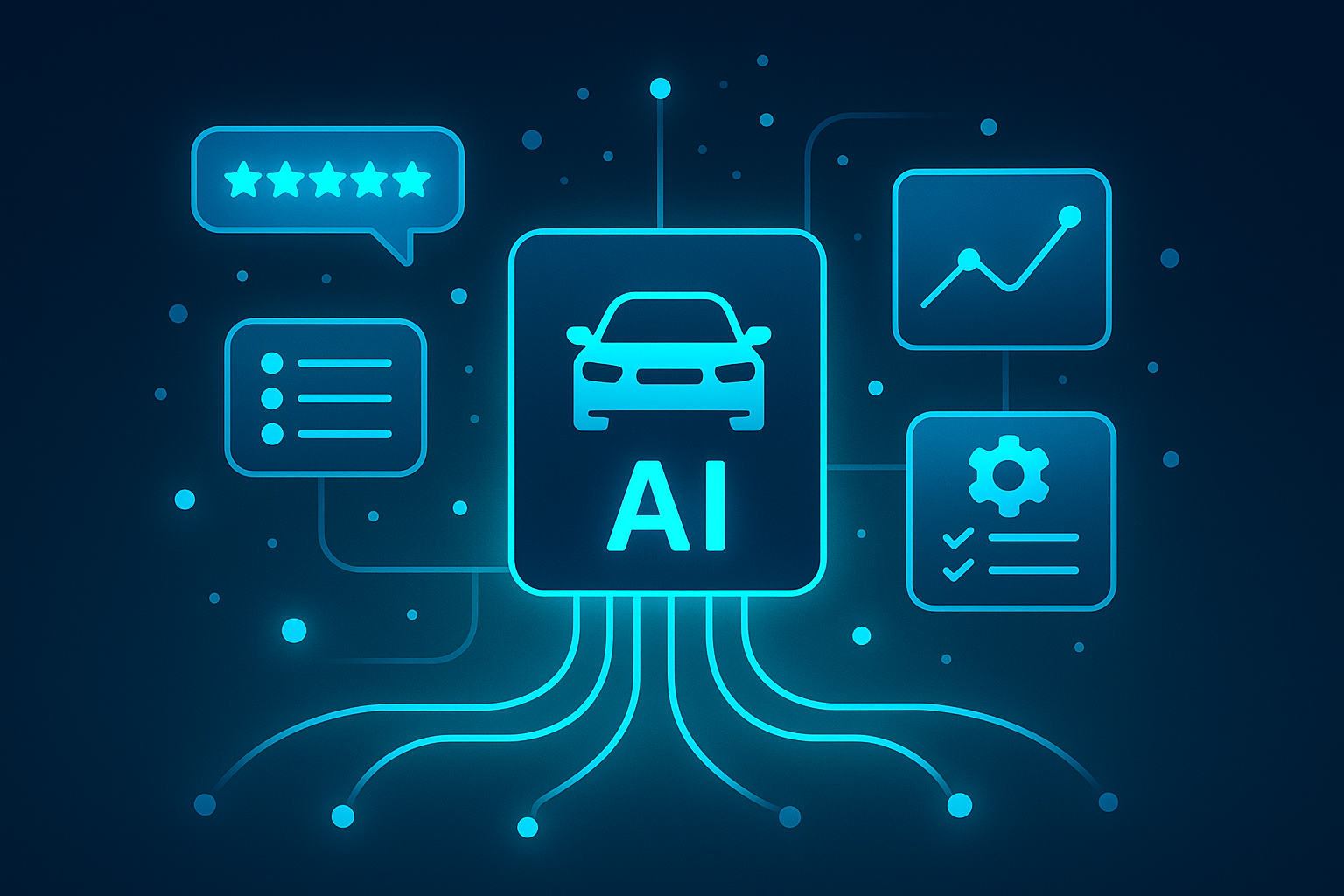
Choosing the right dealership becomes significantly easier with AI-powered reputation analysis and dealer matching systems. These platforms aggregate customer reviews, transaction data, and service records to provide objective assessments of dealer performance. AI systems can identify patterns in customer feedback that indicate consistent service quality, transparent pricing practices, and reliable post-sale support.
Geographic optimization ensures you're connected with reputable dealers in your area who have inventory matching your specific criteria. AI systems consider factors like distance, inventory turnover rates, customer satisfaction scores, and pricing competitiveness to recommend dealers most likely to provide positive buying experiences.
Multilingual support capabilities have expanded dramatically, with AI-powered translation and communication tools enabling seamless interactions regardless of language preferences. These systems can provide real-time translation for Spanish, Portuguese, and other languages while maintaining the nuanced understanding necessary for complex automotive transactions.
AI-Powered Pricing & Value
Dynamic pricing algorithms represent perhaps the most impactful application of AI in used car sales. These systems continuously analyze market conditions, seasonal trends, regional demand patterns, and competitor pricing to establish fair market values. Unlike static pricing models, AI-powered systems adjust valuations in real-time based on current market conditions. For more on how these technologies are shaping the industry, see five ways AI will disrupt car dealerships in 2025.
Trade-in optimization tools use AI to maximize the value of your current vehicle. These systems analyze your vehicle's condition, mileage, maintenance history, and local market demand to provide accurate valuations. Many platforms offer guaranteed pricing that eliminates the uncertainty traditionally associated with trade-in negotiations.
The transparency provided by AI pricing tools levels the playing field between buyers and sellers. With access to the same market data that dealers use, consumers can negotiate from positions of strength while ensuring they pay fair market prices for their chosen vehicles. For a broader industry perspective, read 2025 automotive retail outlook.
The Future of AI Auto Sales
The evolution of AI auto sale technology continues accelerating, with emerging capabilities that will further transform the used car buying experience. Predictive maintenance algorithms will soon provide detailed forecasts of future repair costs, enabling buyers to make more informed total cost of ownership decisions. Advanced computer vision systems will offer virtual reality vehicle tours that provide immersive experiences comparable to physical inspections.
Integration with autonomous vehicle technology and electric vehicle infrastructure will create new categories of AI-powered buying assistance. These systems will help buyers navigate the complexities of EV ownership, including charging infrastructure availability, battery life assessments, and incentive optimization.
The convergence of AI auto sales technology with blockchain verification systems promises to create unprecedented transparency in vehicle history and ownership records. This combination will virtually eliminate title fraud while providing buyers with complete confidence in their purchase decisions.
As we move deeper into 2025, the successful used car buyers will be those who embrace these AI-powered tools while maintaining the human judgment necessary for major purchase decisions. The technology provides the data and insights needed for smart decisions, but the final choice remains a personal one that reflects individual needs, preferences, and circumstances. By leveraging AI auto sale systems effectively, buyers can navigate the used car market with confidence, securing reliable vehicles at fair prices while avoiding the pitfalls that have traditionally made used car buying a stressful experience.
Frequently Asked Questions
How can AI be used in car sales?
AI can optimize car sales by automating lead qualification, personalizing customer interactions, and predicting buyer preferences based on historical data. This helps sales teams focus on high-potential prospects, tailor offers to individual needs, and ultimately increase conversion rates and revenue per sale.
What is AI auto trading?
AI auto trading refers to the use of artificial intelligence to automate buying and selling decisions in automotive marketplaces. It leverages data analytics and machine learning to evaluate pricing trends, demand patterns, and inventory turnover, enabling dealerships to optimize stock levels and maximize profitability with minimal manual intervention.
How to use AI to automate sales?
To automate sales with AI, businesses implement AI agents that handle repetitive tasks like lead scoring, follow-up communications, and appointment scheduling. By integrating these agents into CRM and sales platforms, companies streamline workflows, reduce response times, and ensure consistent engagement, freeing salespeople to focus on closing deals and building relationships.
Will AI take over car sales?
AI will not replace car sales professionals but will augment their capabilities by automating routine tasks and providing data-driven insights. This human-AI collaboration enhances the sales process, allowing sales teams to deliver more personalized service and focus on complex negotiations and relationship-building that AI alone cannot replicate.
How is AI used in automotive?
In the automotive sector, AI is applied across sales, manufacturing, and customer service,ranging from predictive maintenance and supply chain optimization to personalized marketing and virtual showroom experiences. These applications improve operational efficiency, enhance customer satisfaction, and drive revenue growth by aligning products and services more closely with market demand.
About The Author
Anas Moujahid is the chief contributing writer & Operations Director for the Vynta Blog, where he turns cutting-edge AI automation into measurable business outcomes for mid-market companies.
Vynta designs enterprise-grade AI agents that augment rather than replace people,freeing teams to focus on higher-value work while the bots handle the busywork.
We specialise in four service-heavy verticals where AI can move the revenue needle fast: real estate, recruitment, fundraising and hospitality.
Anas started his career architecting AI and automation systems; today he leads operations at Vynta, making sure every deployment lands real-world ROI,whether that’s more booked viewings for estate agents, faster placements for recruiters, warmer investor pipelines for fundraisers or happier guests for hotels and restaurants.
Vynta delivers results by:
- Building industry-specific agents pre-trained on real-world workflows,no generic chatbots here.
- Integrating seamlessly with existing CRMs, ATSs, PMSs and fundraising platforms,zero rip-and-replace.
- Measuring success in business KPIs (lead-to-close rates, time-to-hire, donor retention, RevPAR) not vanity metrics.
- Providing transparent implementation plans so clients know exactly what to expect, when and why.
- Pairing every AI agent with human-in-the-loop controls to keep quality, compliance and brand voice on point.
Since launch, Vynta has helped agencies slash lead qualification time by up to 70 %, recruitment firms cut screening hours in half, fundraising teams triple investor touchpoints and hospitality brands lift guest satisfaction scores by double digits,all while keeping human expertise firmly in the loop.
Anas writes with the same ethos that drives Vynta: outcome-focused, jargon-free and grounded in real business value. Expect data-backed insights, practical implementation guides and a clear-eyed view of what AI can,and can’t,do for your organisation.
2026 Update: What to Recheck Before Acting on automotive sales automation
This refresh adds a current decision framework for readers comparing options around automotive sales automation. Recheck the offer, implementation requirements, pricing model, support expectations, and proof points before choosing a provider or product.
For the best result, compare practical fit instead of relying on feature lists alone: how quickly the solution can be implemented, what data or integrations it needs, where it creates measurable value, and whether it fits the workflow your team will actually use.