
Best AI agents for luxury restaurant booking processes?
What Are Best AI Agents for Luxury Restaurant Booking Processes?
Best AI agents for luxury restaurant booking processes are specialized automation systems that handle reservation management, guest communication, and upselling for high-end dining establishments. These intelligent assistants manage complex booking scenarios—multi-course tasting menus, wine pairings, dietary restrictions, VIP preferences—while maintaining the personalized service standards luxury diners expect.
What sets them apart from basic reservation widgets? They understand fine dining operations. They handle last-minute table modifications, coordinate with kitchen timing for optimal seating, and spot opportunities to increase revenue per cover through strategic menu suggestions. The technology integrates directly with existing POS and reservation systems, creating a workflow that frees your staff to focus on what matters: in-person hospitality.
They operate 24/7 across multiple channels, combining natural language processing with hospitality-specific intelligence. The result? Automated reservations, reduced no-shows, and increased average check size through intelligent upselling—all while maintaining your brand’s sophisticated tone.
Benefits of AI Agents for Luxury Restaurant Booking
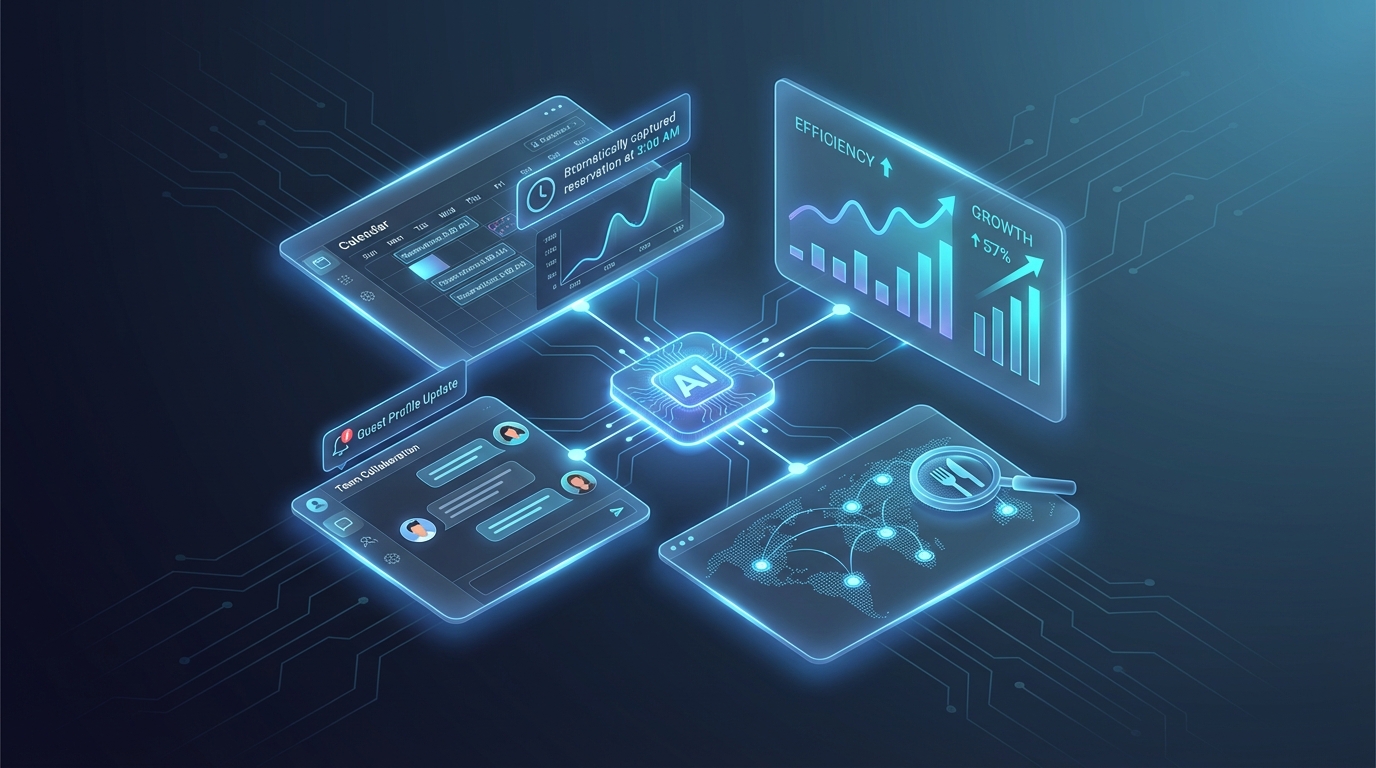
Here’s something I’ve seen repeatedly: high-end diners make reservations at 11 PM. Or 6 AM. They don’t operate on restaurant business hours. An intelligent booking system captures these reservations when your staff is off-duty, providing instant confirmation regardless of time zone. This 24/7 availability can increase booking conversion rates by 30-40% for luxury establishments.
Revenue optimization becomes automatic. When a returning guest books, the system recognizes their previous wine preferences and suggests premium pairings or chef’s table experiences. This personalized approach isn’t pushy—it’s anticipatory service. We’ve tracked increases in average guest spend of up to 25% when done right.
No-show reduction delivers immediate bottom-line impact. Perfectly timed confirmation reminders, graceful cancellation handling, and automated waitlist management mean fewer empty tables. Fine dining establishments report 60-70% reductions in no-shows after implementing intelligent booking automation. That’s real revenue protection.
Discover how Vynta AI Agents for Hospitality can address luxury restaurant booking challenges with tailored intelligent automation.
How to Choose AI Agents for Luxury Restaurant Booking
Start with integration capabilities. Your system must connect with your existing reservation platform, POS, and guest database without requiring custom development work. Look for native integrations. The setup process should take weeks, not months, with minimal disruption to current operations.
Test the natural language quality yourself. Luxury guests expect sophisticated communication that matches your brand voice. The system should handle complex requests like “a quiet corner table for our anniversary with champagne ready at 7:30” without structured input. Ask for demo conversations. If it sounds robotic, keep looking.
Examine the reporting depth. Quality systems provide actionable insights on booking patterns, guest preferences, peak demand times, and upselling success rates. These metrics should inform staffing decisions, menu planning, and marketing strategies. Systems that just process reservations without delivering business intelligence? They’re missing half their value.
For deeper insights into operational improvements, see our article on What Do You Mean By Operations to understand how AI can optimize hospitality workflows.
Implementation Considerations for Luxury Restaurants
Staff training determines adoption success. Period. Your team won’t trust the technology with VIP guests until they’re confident it represents your brand appropriately. Allocate time for your reservations manager to review conversation logs, refine response templates, and establish escalation protocols for unusual requests. This oversight period builds trust while the system learns your specific service standards.
Data migration requires careful planning when switching from legacy reservation systems. Guest preference histories, allergy information, VIP notes—all of it must transfer completely to maintain service continuity. Work with providers offering white-glove migration services that validate data accuracy before going live. Losing a regular guest’s dietary restrictions during a transition? That damages relationships the technology is meant to strengthen.
Measure performance against hospitality-specific metrics, not generic automation statistics. Track reservation completion rates, average response time to guest inquiries, upsell acceptance rates, and guest satisfaction scores. Quality booking automation should improve your Net Promoter Score by delivering consistently excellent first impressions across all channels.
Cost Structure Reality: Enterprise-grade AI booking systems typically range from $500 to $2,000 per month depending on covers served and feature depth. Calculate ROI by combining no-show reduction savings, increased average check from upselling, and labor hours redirected from phone reservations to in-person service. Most luxury establishments achieve positive ROI within 3-4 months.
Common Challenges and Solutions
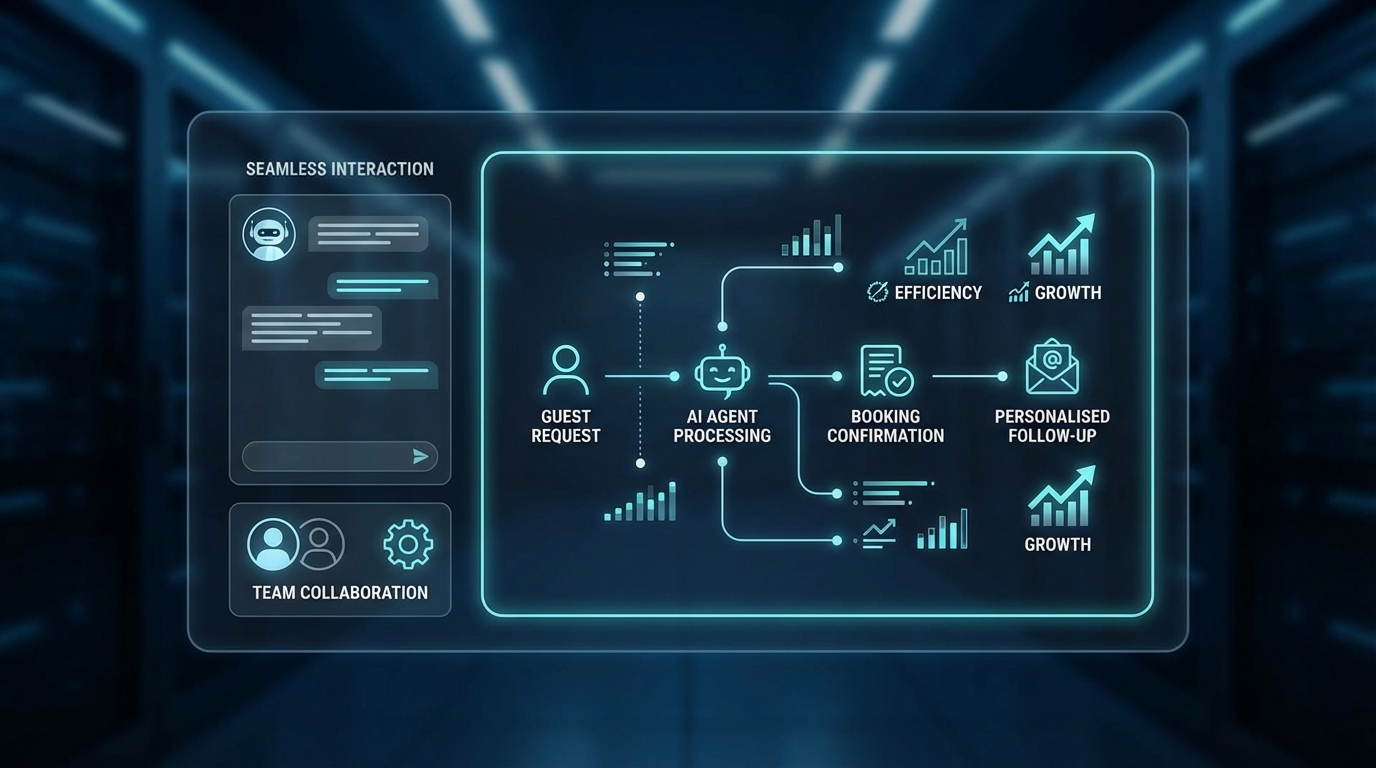
Guest resistance to automated booking often stems from previous experiences with clunky chatbots. Address this head-on by ensuring your system’s communication quality matches human standards. Include clear options to reach a staff member immediately if guests prefer personal interaction. Position the technology as an additional convenience channel, not a replacement for your reservations team.
Complex special requests require intelligent escalation workflows. Your system should recognize when a booking involves detailed coordination—private dining room setups, multi-course wine pairings with sommelier attendance, accessibility accommodations. These scenarios need smooth handoffs to appropriate staff with full context preserved. Nobody wants to repeat information.
Maintaining brand voice consistency across AI interactions demands ongoing refinement. Luxury dining communication balances warmth with professionalism, anticipates needs without presumption, and reflects your establishment’s unique character. I recommend monthly reviews of conversation transcripts to identify tone adjustments and ensure the system evolves alongside your brand standards.
Explore our Chatbot Best Practices blog post for expert tips on enhancing AI guest communication effectiveness.
Future of AI in Luxury Dining
Predictive guest experience management is where this technology gets interesting. Advanced systems will analyze booking patterns, weather data, local events, and historical preferences to proactively suggest optimal dining times and menu selections. We’re talking about AI that texts your regular guest when truffle season starts because it knows they ordered the truffle risotto three times last year. That’s anticipatory service that distinguishes exceptional hospitality from merely efficient operations.
The next evolution involves integration with broader guest relationship ecosystems—coordinating with hotel concierges, event planners, and transportation services. Your restaurant becomes the centerpiece of memorable experiences rather than an isolated reservation in a guest’s evening. We’re already building these connections for hospitality clients, and the guest satisfaction data is compelling.
Integration with Luxury Hospitality Ecosystem
Best AI booking systems deliver maximum value when connected to your complete guest data infrastructure. Integration with your CRM reveals lifetime value metrics that inform seating priority and personalized service touches. A guest who’s spent $15,000 over twelve visits deserves different treatment than a first-time diner. Your system should recognize this distinction automatically.
Payment processing integration reduces friction for high-value reservations. Securely collect deposits for chef’s table experiences or tasting menu commitments, reducing no-shows on premium bookings. This capability protects revenue on your most profitable covers while maintaining the discretion luxury guests expect from financial transactions.
Kitchen management system connections optimize table turnover without compromising experience quality. Coordinate reservation timing with actual kitchen capacity, preventing service bottlenecks that occur when too many complex orders arrive simultaneously. This operational intelligence supports the pacing that defines exceptional fine dining.
For a broader understanding of AI automation capabilities beyond hospitality, consider our AI Automation Services that span multiple industries and operational needs.
Measuring Success Beyond Basic Metrics
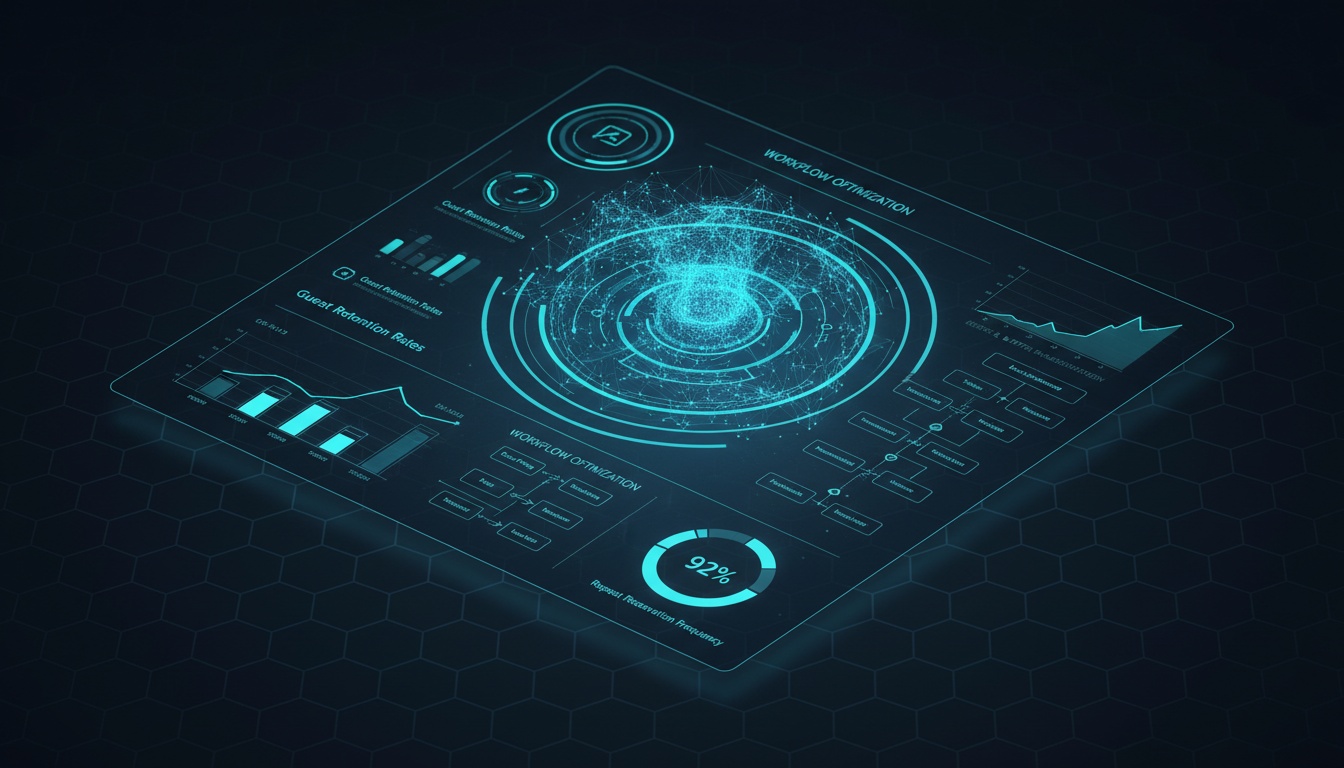
Guest retention rates provide a clear measure of booking system effectiveness. Track repeat reservation frequency before and after implementation. Quality systems increase return visits by 20-30% through consistent, personalized communication that makes guests feel recognized and valued across every interaction.
Revenue per available seat hour (RevPASH) captures the financial impact better than simple cover counts. Calculate total dining room revenue divided by operating hours and available seats. Intelligent booking automation improves this metric through optimized seating algorithms, strategic upselling, and fewer empty tables through better no-show management.
Staff satisfaction deserves equal attention to guest metrics. Survey your reservations team about stress reduction and job satisfaction after AI implementation. The technology should remove repetitive tasks and reduce difficult conversations about fully booked evenings, allowing staff to focus on relationship building and problem-solving that requires human judgment.
Final Recommendations for Luxury Establishments
Start with a pilot program that runs your system alongside existing reservation processes. This parallel approach builds confidence while providing direct comparison data on booking conversion rates, guest satisfaction, and operational efficiency. Use this period to refine tone, escalation protocols, and integration workflows before full deployment.
Prioritize vendors offering hospitality-specific training rather than generic AI platforms. Your booking system needs pre-built understanding of fine dining terminology, wine service protocols, and the subtle communication patterns luxury guests expect. Systems requiring extensive custom training delay ROI and increase implementation costs.
Think of intelligent booking automation as a strategic investment in guest experience consistency. The technology ensures every booking interaction reflects your establishment’s standards, whether it happens at 2 PM or 2 AM. This reliability builds brand trust that translates to increased reservations, higher average checks, and repeat business that sustains luxury dining operations.
Implementation Timeline: Quality deployments typically take 4-6 weeks from contract signing to full operation. Week one covers system integration and data migration. Weeks two and three focus on conversation training and brand voice calibration. The final phase includes supervised operation with staff oversight before transitioning to independent operation. Rushed implementations compromise service quality—plan accordingly.
Frequently Asked Questions
What exactly do AI agents do for high-end restaurant bookings?
AI booking systems handle reservations, guest communication, and upselling for luxury dining. They manage complex scenarios like multi-course tasting menus and dietary needs while maintaining personalized service standards. These intelligent assistants free your staff to focus on in-person hospitality rather than administrative tasks.
How do AI agents help luxury restaurants make more money?
They capture bookings 24/7, significantly increasing conversion rates. The systems identify upselling opportunities, suggesting premium pairings or chef’s table experiences based on guest history. This intelligent approach maximizes revenue per cover without appearing transactional. We’ve tracked average check increases of 25% when implemented properly.
What should I look for when choosing an AI agent for my luxury restaurant?
Prioritize integration with your existing reservation platform and POS system. Test the natural language quality to ensure it maintains your brand’s sophisticated tone for complex guest requests. Look for systems that provide deep reporting and analytics to inform your business strategies. If the demo conversations sound robotic, keep shopping.
How do luxury restaurants prepare their staff for AI booking systems?
Staff training is critical for successful adoption. Your team needs confidence that the system represents your brand appropriately, so allocate time for them to review conversation logs and refine response templates. Establish clear escalation protocols for unusual requests. This oversight period builds trust and ensures the system learns your specific service standards.
Can AI agents truly reduce no-shows in fine dining?
Absolutely. Intelligent systems reduce no-shows by 60-70% through perfectly timed confirmation reminders and graceful cancellation handling. They manage waitlists, automatically filling openings to protect your revenue. This automation directly addresses one of hospitality’s most expensive problems.
What is the typical investment for an AI booking agent in a luxury setting?
Enterprise-grade systems for luxury restaurants typically range from $500 to $2,000 per month, depending on your establishment’s size and required features. Calculate ROI by factoring in savings from no-show reduction, increased average check sizes from upselling, and redirected labor hours. Most luxury establishments see positive ROI within 3-4 months.
How do AI agents handle guest preferences and special requests in luxury dining?
They manage the nuances of fine dining—multi-course menus, wine pairings, specific dietary restrictions—by maintaining personalized service through VIP guest preferences from your database. For complex or unusual requests, the system escalates to staff with full context preserved, ensuring no detail gets lost.