
AI agents vs manual processes for bar upsells?
Understanding the Core: AI Agents vs. Manual Processes for Bar Upsells
When comparing AI agents vs manual processes for bar upsells, the distinction cuts straight to revenue impact. Modern hospitality businesses need maximum revenue per guest without sacrificing service quality. Manual upselling depends on staff memory and gut instincts. AI agents deliver data-driven recommendations that adapt to each guest interaction.
Here’s the reality: your busiest nights are when upsell opportunities multiply, but manual systems break down under pressure.
What Are AI Agents in the Context of Hospitality Upselling?
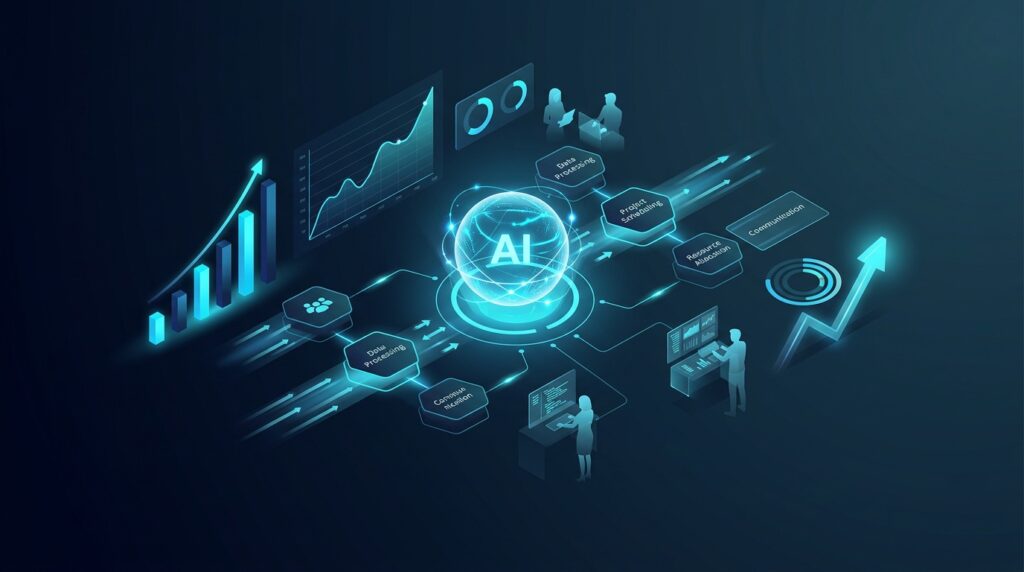
AI agents in bar environments analyze guest preferences, order history, and contextual factors to generate personalized upselling opportunities in real time. These intelligent systems proactively identify optimal moments for suggestions, considering spending patterns, visit timing, and seasonal preferences. They integrate with your POS system to give bartenders actionable insights.
Think of them as invisible sales coaches that never get tired or forget training.
Manual Upselling: The Traditional Approach
Manual upselling relies on staff expertise, training protocols, and individual initiative to spot opportunities for premium drinks or add-ons. This approach uses human intuition to read guest cues and time suggestions appropriately. Personal interaction has value, but manual processes suffer from inconsistency and missed opportunities during rush periods.
The Core Differences: Speed, Scale, and Results
Scalability reveals the real difference between AI agents vs manual processes for bar upsells. AI maintains consistent performance regardless of volume. Manual systems degrade as staff become overwhelmed. AI agents can simultaneously consider weather, local events, guest demographics, and purchase history to craft targeted suggestions that actually work.
The Measurable Impact: Revenue, Efficiency, and Customer Experience
Revenue Growth: The Numbers Don’t Lie
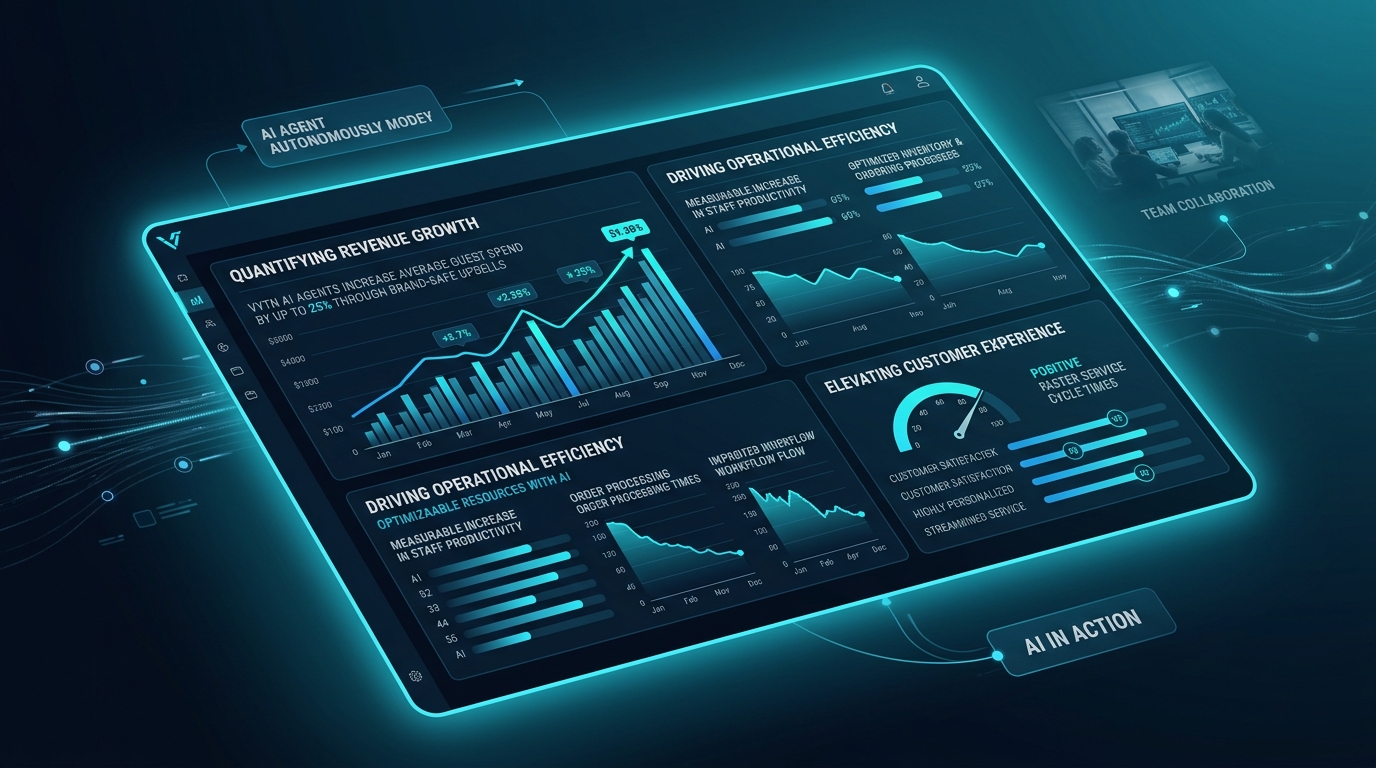
Vynta AI agents increase average guest spend by up to 25% through targeted upselling. These systems analyze behavior patterns to suggest premium spirits during celebrations, recommend food pairings based on drink selections, and propose time-sensitive offers. Precision targeting reduces guest resistance while boosting conversion rates on higher-margin items.
I’ve seen bars capture an extra $15,000 monthly just by timing wine pairing suggestions better.
Staff Productivity: Focus on Service, Not Mental Math
Staff productivity jumps when AI handles the analytical workload for upselling decisions. Bartenders get clear, contextual recommendations without memorizing complex training matrices or calculating optimal timing. This automation cuts training time for new staff while letting experienced team members focus on service execution.
Guest Experience: Personalized Without Being Pushy
Guests receive more relevant, timely suggestions that feel natural when AI agents guide the interaction. The system remembers preferences across visits, creating genuine personalized attention that manual processes can’t maintain consistently. This drives higher satisfaction and repeat visits.
The Hidden Costs of Manual Upselling
Manual processes create revenue leakage through inconsistent execution. Staff fatigue during peak hours leads to forgotten upselling attempts. Varying comfort levels with sales conversations result in uneven guest experiences. Training costs compound as turnover requires constant retraining for upselling techniques and product knowledge.
How much revenue are you losing to “I forgot to mention the wine special”?
| Factor | AI Agents | Manual Processes |
|---|---|---|
| Response Time | Instant recommendations based on order data | Depends on staff memory and assessment skills |
| Consistency | Consistent quality regardless of volume or time | Varies by staff skill, fatigue, and motivation |
| Personalization Depth | Analyzes multiple data points simultaneously | Limited to visible cues and basic recall |
| Training Requirements | System setup and integration, plus staff enablement | Ongoing staff training and reinforcement |
| Peak Performance | Maintains effectiveness during busy periods | Declines as service pressure increases |
Beyond Basic Recommendations: The ‘Agentic’ Advantage
Proactive Intelligence: AI Agents That Actually Act
True AI agents don’t wait for prompts. They actively monitor guest interactions to identify optimal intervention moments. These systems recognize patterns like celebration indicators, seasonal preferences, and spending thresholds to initiate upselling sequences. Unlike manual processes that wait for staff to notice opportunities, AI agents continuously evaluate each guest interaction for revenue optimization potential.
It’s like having a sales expert whispering perfect timing cues to every team member.
Machine Learning: Getting Smarter with Every Interaction
Machine learning allows AI agents to refine recommendations based on guest responses, seasonal trends, and successful conversion patterns. Each interaction feeds back into the system, improving future suggestions for similar guest profiles. This adaptive learning outpaces manual processes, which rely on static training that doesn’t scale across teams.
Intelligence Integration: AI as Your Operations Hub
Modern AI agents integrate with POS systems, inventory management, and guest databases to provide contextual recommendations that consider stock levels, profit margins, and guest history. This creates a unified intelligence layer that manual processes can’t match, aligning suggestions with business objectives while maintaining service flow.
Implementation Reality: Partnership, Not Replacement
Hospitality managers worry about technology complexity and staff adoption. Successful AI implementation focuses on augmenting existing workflows rather than disrupting service patterns. The key is choosing systems designed for hospitality environments, with intuitive interfaces staff can master quickly while maintaining the personal touch that defines exceptional service.
Making the Strategic Choice: When and How to Implement AI
Where AI Upselling Delivers Maximum Impact
AI agents excel in high-volume environments where manual processes break down. Peak dining hours, special events, and seasonal rushes create perfect conditions for automated upselling systems. Bars with diverse beverage programs, frequent repeat customers, and complex pricing structures typically see the strongest ROI from AI investment.
If you’re doing 200+ covers on Friday night, manual upselling isn’t cutting it.
Growth Planning: AI for Multi-Location Success
Growth-oriented hospitality businesses hit a decision point when manual upselling processes no longer support expansion goals. AI systems scale across multiple locations while maintaining brand consistency and revenue optimization standards. This scalability becomes particularly valuable during franchise expansion or multi-unit management, when training standardization becomes costly and time-intensive.
The Human-AI Team: Amplifying Your Staff’s Strengths
The most successful implementations position AI as a decision-support tool that empowers staff rather than replacing human judgment. Experienced bartenders use AI recommendations as conversation starters. Newer staff gain confidence from data-backed suggestions. This collaboration model preserves the personal service guests value while capturing upsell opportunities during busy periods.
Your Implementation Roadmap with Vynta AI
Implementation begins with data integration, connecting POS systems and guest databases to build customer profiles. Vynta AI’s hospitality-focused approach supports integration while minimizing service disruption. The system uses historical transaction data to establish baseline performance metrics before introducing real-time recommendations. Staff training focuses on interpreting AI suggestions and maintaining natural conversation flow.
The strategic choice between AI agents vs manual processes for bar upsells depends on your growth ambitions and operational complexity. Businesses seeking consistent revenue growth, scalable operations, and data-driven decision-making find that AI systems outperform manual processes at scale.
The question isn’t whether to implement AI upselling. It’s whether you can afford to let competitors get there first.
Frequently Asked Questions
How do AI agents personalize bar upsells for guests?
As Operations Director at Vynta AI, I see how our AI agents analyze guest preferences, order history, and contextual factors like weather or local events. This allows them to generate personalized upselling opportunities in real time. They consider dozens of variables to craft targeted suggestions, ensuring relevance for each guest.
What are the primary challenges of relying on manual upselling in a bar setting?
Manual upselling often suffers from inconsistency and missed opportunities, especially during busy periods. It relies heavily on individual staff intuition and training, which can vary greatly across team members. This leads to revenue leakage and an uneven guest experience.
How do AI agents contribute to a better guest experience at the bar?
AI agents deliver more relevant and timely suggestions that feel natural, not pushy, to guests. By remembering preferences across visits, the system creates a sense of personalized attention that manual processes struggle to maintain consistently. This supports higher satisfaction and encourages repeat visits.
Can AI agents integrate with our current bar point-of-sale (POS) systems?
Absolutely. Our Vynta AI agents are designed to integrate seamlessly with existing POS systems and CRMs like SevenRooms. This real-time integration allows the AI to synchronize guest data, reservations, and order history, providing actionable insights directly to your bartenders and servers.
What makes AI agents more effective than basic recommendation engines for bar upsells?
True AI agents, like those we develop at Vynta AI, go beyond basic recommendations by proactively monitoring guest interactions. They identify optimal intervention moments, recognizing patterns like celebration indicators or spending thresholds to initiate upselling sequences. This adaptive learning refines suggestions based on guest responses and successful conversions.
How do AI agents help bar staff become more productive?
AI agents significantly improve staff productivity by handling the analytical workload for upselling decisions. Bartenders receive clear, contextual recommendations without needing to remember complex training matrices or calculate optimal timing. This automation frees experienced team members to focus on service execution, reducing operational costs.