
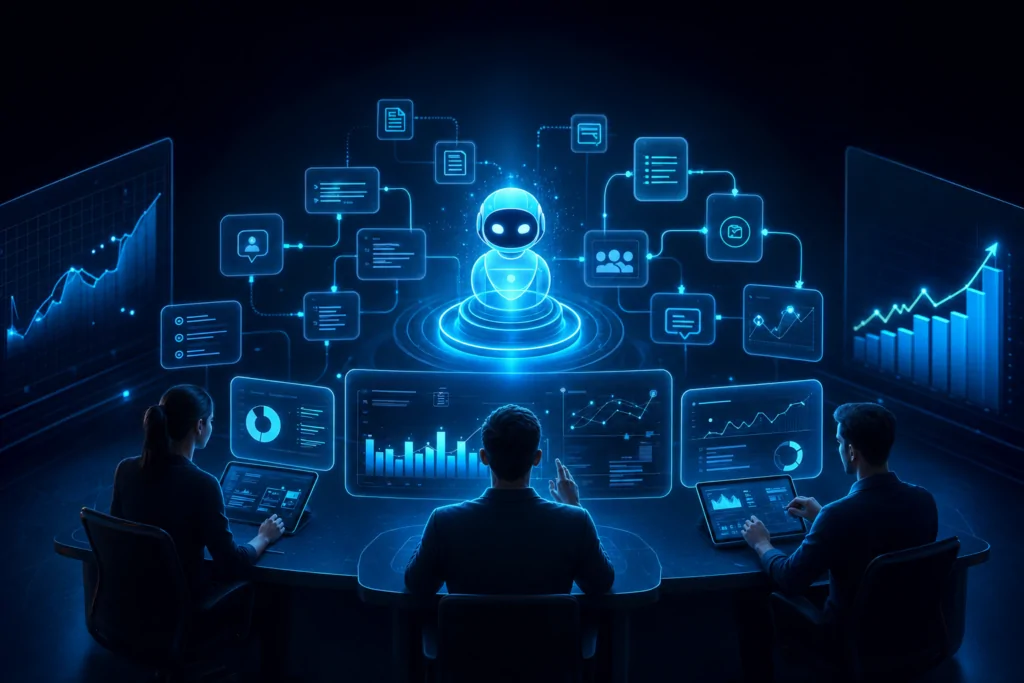
hotel chatbot vs ai agent
Hotel Chatbot vs. AI Agent: Decoding the Difference for Your Business
The hospitality industry faces a critical decision point. While basic chatbots handle simple queries, AI agents transform how hotels operate, driving revenue through intelligent automation. Understanding the hotel chatbot vs ai agent distinction determines whether you’re investing in outdated technology or future-ready solutions that deliver measurable outcomes.
The Evolution of Hotel Customer Interaction Tools
Traditional chatbots follow predetermined scripts, responding to specific keywords with prewritten answers. Think check-in times or Wi-Fi passwords. AI agents? They’re different beasts entirely. They understand context, learn from every interaction, and take actions across multiple systems without constant human oversight.
Rule-Based Chatbots: Simple Automation for Basic Queries
Rule-based systems work through decision trees. Guest asks, “What time is breakfast?” System delivers a programmed response. These tools reduce front desk calls but can’t handle complex requests, personalize responses, or connect guest preferences to revenue opportunities. They’re reactive, not proactive.
AI Agents: Proactive, Contextual, and Revenue-Driving
AI agents analyze guest behavior patterns, property management data, and external signals to make informed decisions. They suggest room upgrades based on availability and guest history, coordinate with housekeeping for early check-ins, and identify upselling opportunities. All with clear rules and escalation paths to your team.
| Feature | Hotel Chatbot | AI Agent |
|---|---|---|
| Response Type | Preprogrammed scripts | Dynamic, contextual responses |
| Learning Capability | Static knowledge base | Continuous improvement from interactions |
| System Integration | Limited API connections | Deeper integration across platforms |
| Revenue Impact | Cost-reduction focus | Active revenue contribution |
| Personalization | Basic guest recognition | Preference analysis at scale |
The Bottom Line: Why This Distinction Matters
The hotel chatbot vs ai agent comparison centers on business impact. Chatbots answer questions reactively. AI agents anticipate needs, execute workflows, and generate measurable returns through intelligent automation that augments your team’s capabilities rather than replacing staff. One saves costs. The other drives revenue.
When to Deploy a Chatbot, and When to Demand an AI Agent: A Practical Framework
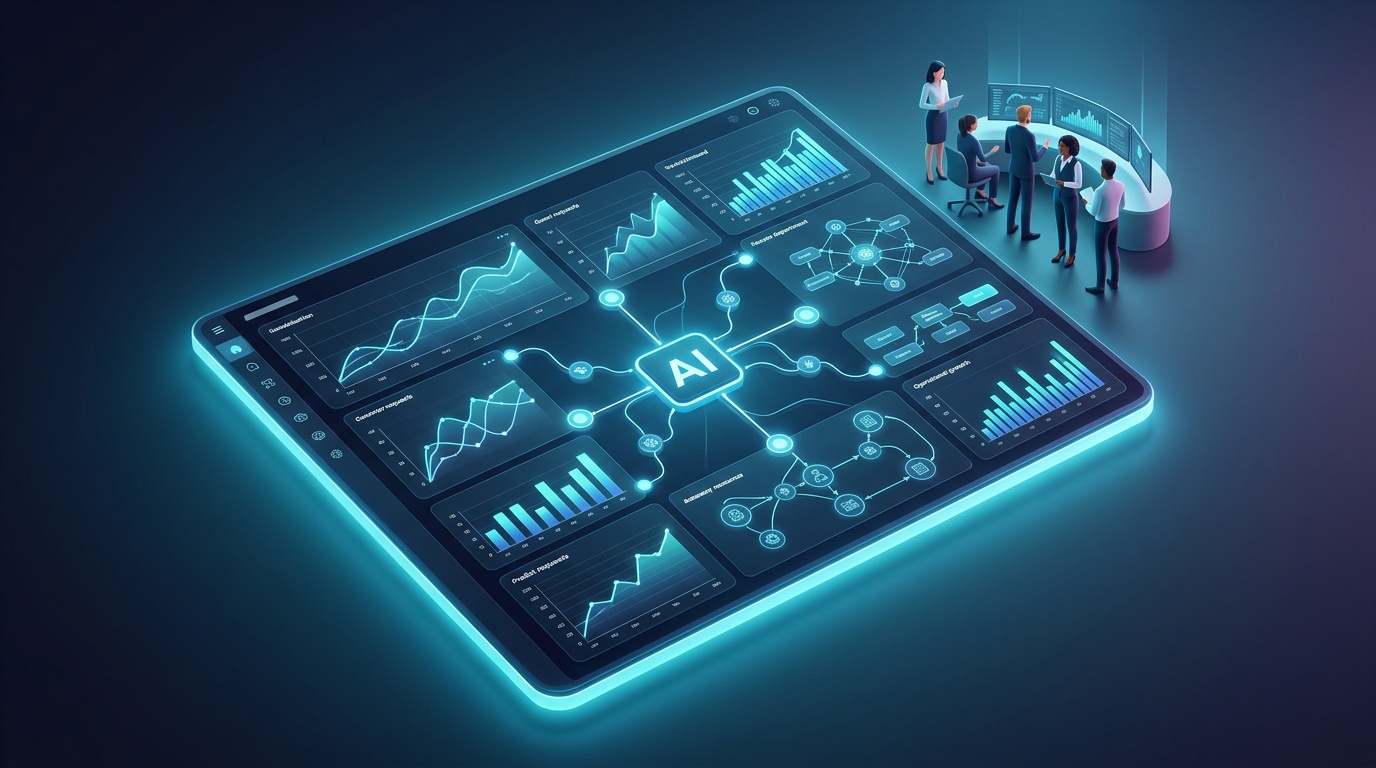
Evaluating Your Hotel’s Needs: From Simple FAQs to Complex Operations
Property size, guest demographics, and operational complexity determine your automation requirements. Budget hotels with straightforward services benefit from chatbots for hotels that handle check-in times, amenity locations, and basic policies. Full-service properties managing multiple revenue streams, loyalty programs, and personalized experiences need AI agents that coordinate across systems and support decision-making.
Use Cases for Chatbots: When Simple Works
Chatbots excel at information delivery: property directions, facility hours, and local recommendations from static databases. They reduce front desk volume for routine inquiries, provide 24/7 access to basic support, and handle password resets or simple booking modifications through predetermined workflows.
Perfect for properties where cost reduction is the primary goal, not revenue growth.
Use Cases for AI Agents: Revenue Generation Through Intelligence
AI agents identify upselling opportunities by analyzing guest profiles, booking patterns, and real-time inventory. They coordinate spa appointments with room service timing, suggest dining reservations based on preferences, and support room assignment decisions that balance guest satisfaction with occupancy goals.
The difference? AI agents pay for themselves through increased ancillary revenue, not just cost savings.
Decision Point: If your goal is cost reduction through automation, chatbots can be sufficient. If you’re targeting revenue growth through intelligent guest engagement, AI agents deliver measurable returns.
The Guest Journey Decision Matrix: Pre-Arrival, On-Property, Post-Stay
Pre-arrival: Chatbots confirm reservations and share arrival instructions. AI agents review booking data to offer upgrades, coordinate special requests, and prepare personalized welcome amenities.
During stays: Chatbots answer standard questions. AI agents route service requests across departments and create upselling opportunities.
Post-stay: Chatbots send thank-you messages. AI agents analyze stay data to personalize future offers and improve retention rates.
Beyond the Hype: Real ROI and the Stability Your Hotel Demands
Debunking AI Fatigue: Recognizing Overpromises in Hospitality Tech
Many hospitality technology vendors promise outsized results without showing a practical path to implementation. Effective AI solutions require training data, ongoing optimization, and integration with existing systems. Properties experiencing AI fatigue often invested in generic platforms rather than solutions designed around hospitality workflows.
The fix? Work with providers who understand hotel operations, not just AI technology.
Measuring the True Return on Investment: Beyond Basic Metrics
Successful AI implementations track ancillary revenue, guest satisfaction, and operational efficiency. Many properties report stronger upselling performance, reduced labor load for routine tasks, and improved guest retention through more personalized service delivery.
Real numbers: Properties using AI agents often see 15-25% increases in ancillary revenue within six months of implementation.
The “Always Working” Imperative: Stability and Debugging in Enterprise AI Agents
Hospitality operations can’t tolerate system failures during peak periods. Enterprise-grade AI agents include monitoring, fallback procedures, and clear escalation rules. Skip the uptime guarantees. What matters is disciplined operations: error handling, alerting, and responsive support that protects the guest experience.
Quantifying Upselling Success: From Ancillary Revenue to Guest Satisfaction
Properties implementing AI agents see improvements across multiple metrics. Room upgrade acceptance rates rise when offers are timed based on arrival patterns and inventory. Spa bookings increase through cross-sell flows connecting wellness interests with dining reservations, creating experience packages that lift per-guest spend.
The sweet spot? AI agents that pay for themselves within 90 days through increased revenue, not cost savings alone.
Cost Considerations: Understanding the Investment in True AI Automation
Enterprise AI agents require higher initial investment than basic chatbots, but the business case includes revenue impact alongside cost savings. Implementation costs cover system integration, staff training, and ongoing optimization. Payback periods vary based on volume, channel mix, and automation scope.
Budget rule: If you can’t justify the ROI within six months, you’re probably not ready for AI agents.
AI Agents in Hospitality: Augmenting Your Team, Not Replacing It
The Human-AI Collaboration Model: Supporting Your Staff
Successful AI implementation amplifies human capabilities rather than eliminating roles. Front desk teams focus on complex problem-solving while AI handles routine inquiries. Concierge teams deliver high-touch guest experiences while AI supports standard recommendations and booking coordination.
The goal isn’t fewer people. It’s better allocation of human talent.
Seamless Handoffs: When and How to Involve Human Expertise
AI agents should recognize situations requiring human intervention. Complaints, special accommodation requests, or complex itinerary planning. Escalating to appropriate staff with conversation context, guest history, and clear action items. No forcing guests to repeat themselves.
Personalization at Scale: Understanding Nuance and Preference
Advanced AI systems analyze guest communications, booking behavior, and service usage to build preference profiles. They remember dietary restrictions, preferred room locations, and activity interests across stays, helping teams deliver consistent personalization without administrative burden.
Future Perspective: Guest-side AI assistants will increasingly help travelers research, book, and manage stays, creating opportunities for properties that can connect their guest experience to these new buying behaviors.
Proactive Guest Engagement: Anticipating Needs Before They Arise
The hotel chatbot vs ai agent difference is most visible in proactive service. AI agents monitor signals like weather changes or flight delays, helping teams adjust plans, recommend alternatives, and reduce guest friction before problems escalate.
Choosing Your AI Partner: What to Look for in an Enterprise AI Agent Provider
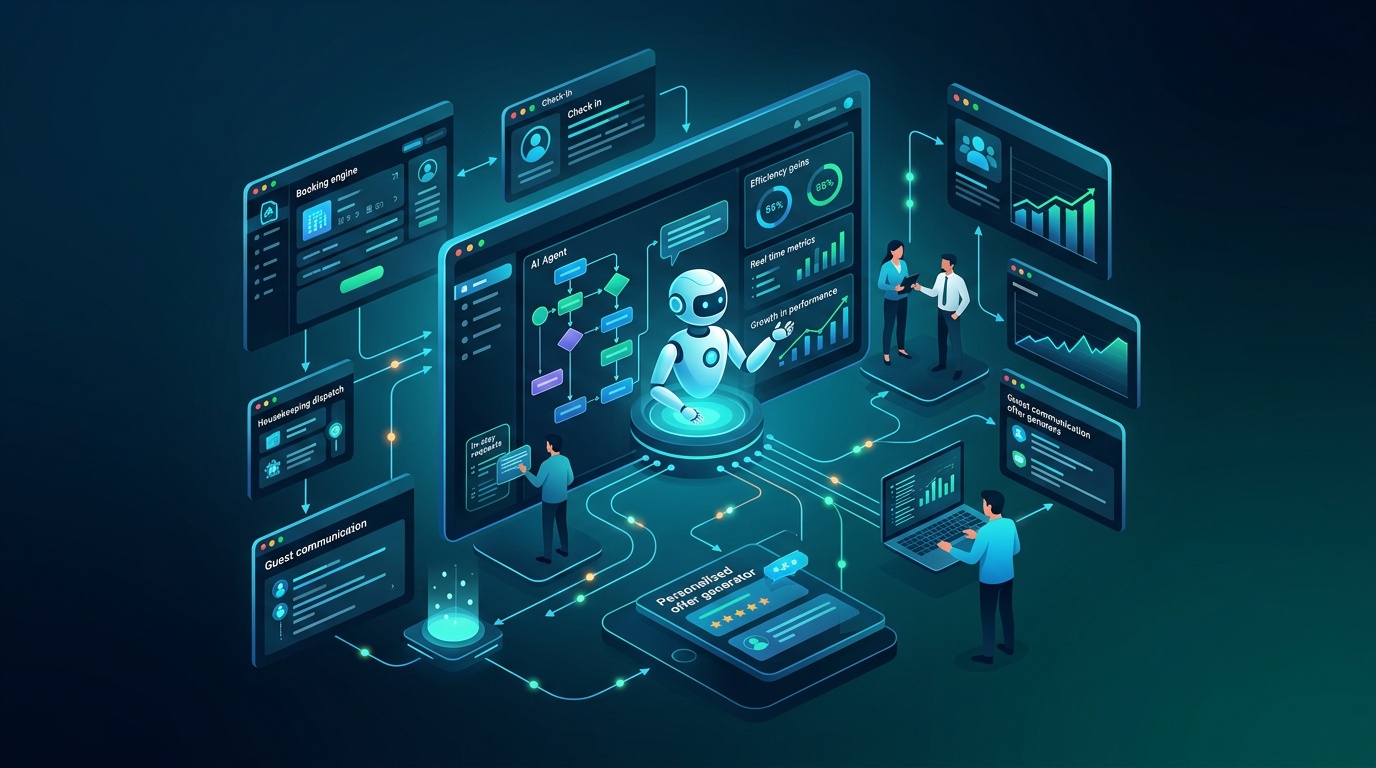
Beyond Generic Solutions: The Value of Industry Specialization
Hospitality-focused AI providers understand property systems, guest journeys, and revenue strategy. Generic platforms require heavy customization, while hospitality-first solutions align with operational reality. Integrations, workflows, and privacy requirements included.
Transparency in Capabilities and Implementation
Reliable AI partners communicate clear implementation phases, provide detailed documentation, and set realistic expectations. They explain limitations, outline ongoing support needs, and share case studies with measurable outcomes rather than vague projections.
Red flag: Providers who won’t discuss failure scenarios or limitations.
Focus on Measurable Outcomes and Long-Term Partnership
Quality AI providers establish success metrics upfront, tracking revenue impact, operational efficiency, and guest satisfaction. They provide ongoing optimization, performance reviews, and updates aligned with changing guest expectations and hospitality systems.
The hotel chatbot vs ai agent decision determines whether you invest in basic automation or a system that supports revenue growth and operational consistency. In 2026, the most effective teams treat AI as a structured layer of support: clear rules, thoughtful escalation, and measurable performance across the guest journey.
Frequently Asked Questions
How do hotel chatbots and AI agents differ in their operational approach?
As Operations Director at Vynta AI, I see that hotel chatbots follow predetermined scripts, offering prewritten answers to specific keywords. In contrast, AI agents understand context, learn from interactions, and take actions across multiple systems. This allows AI agents to go beyond simple queries and proactively engage guests.
What specific ways do AI agents help hotels increase revenue?
AI agents identify upselling opportunities by analyzing guest profiles and real-time inventory, suggesting room upgrades or spa appointments. For example, Vynta AI Agents can increase average guest spend by up to 25% through brand-safe upselling. They also support room assignment decisions that balance guest satisfaction with occupancy goals.
For what type of hotel operations might a basic chatbot be a good fit?
Basic chatbots are suitable for budget hotels or properties with straightforward services, primarily for cost reduction through automation. They excel at streamlining repetitive tasks like providing check-in times, amenity locations, or basic policy information. This reduces front desk call volume for routine inquiries.
What mechanisms do AI agents use to personalize guest interactions?
AI agents analyze guest behavior patterns, property management systems, and external data to tailor responses and offers. They can suggest dining reservations based on preferences or prepare personalized welcome amenities pre-arrival. This deep preference analysis at scale creates a more individualized stay.
What should hotels consider to avoid 'AI fatigue' when implementing new technology?
To avoid AI fatigue, hotels must ensure their AI solutions are designed around hospitality workflows, not generic platforms. Effective AI requires training data, ongoing optimization, and seamless integration with existing systems. At Vynta AI, we focus on bespoke solutions that deliver measurable outcomes for our clients.
How do enterprise AI agents handle stability and complex guest requests?
Enterprise-grade AI agents include monitoring, fallback procedures, and clear escalation rules to ensure stability during peak periods. For VIPs or complex queries, clients can set strict escalation rules to route these to human staff. This disciplined operation protects the guest experience while automating routine tasks.
Can AI agents integrate with existing hotel management systems?
Yes, AI agents are designed for deeper integration across platforms, unlike the limited API connections of basic chatbots. Vynta AI agents, for example, integrate in real-time with CRMs like SevenRooms, synchronizing guest data, reservations, and updates automatically. This ensures seamless operation within your existing tech stack.