

Key Takeaways
- Contactless check-in helps boutique hotels reduce front desk bottlenecks by up to 70%.
- This technology increases guest satisfaction scores by an average of 15%.
- Contactless check-in transforms the arrival experience into a revenue-generating opportunity.
- AI automation enables intelligent upselling during the check-in process.
- Boutique hospitality managers can optimize operational costs while delivering personalized service using contactless check-in.
Table of Contents
- Understanding Contactless Check-In: Business Outcomes and Guest Expectations
- The Guest Journey: End-to-End Contactless Check-In Workflow in Boutique Hospitality
- Technology Architecture: AI, Mobile Apps, and Digital Keys in Contactless Check-In
- Business Value: Measurable ROI from Contactless Check-In Automation
- Implementing Contactless Check-In: Proven Steps for Small and Mid-Sized Hospitality Operators
- Security, Data Privacy, and Compliance: What Managers Must Know
- Troubleshooting and FAQs: Solving Common Issues in Contactless Check-In
- Comparing Solutions: Mobile Apps vs. Kiosks vs. Hybrid Contactless Check-In
- Best Practices and Future-Proofing: Sustaining Excellence with Contactless Technology
- Transforming Boutique Hospitality Through Strategic Contactless Check-In
The Strategic Impact of Contactless Check-In: How Boutique Hospitality Managers Drive Guest Satisfaction and Revenue with AI Automation
Boutique hospitality managers face mounting pressure to deliver personalized service while optimizing operational costs. Contactless check-in emerges as the strategic solution, enabling properties to reduce front desk bottlenecks by up to 70% while increasing guest satisfaction scores by an average of 15%. This technology transforms the arrival experience from a potential friction point into a revenue-generating opportunity through intelligent upselling and streamlined operations.
Unlike generic automation tools, industry-specific AI agents understand the nuances of boutique hospitality, from managing last-minute room preferences to coordinating with restaurant reservations. The result: measurable improvements in guest experience metrics while freeing staff to focus on high-value interactions that define exceptional hospitality.
Understanding Contactless Check-In: Business Outcomes and Guest Expectations
For a deeper look at the evolution of technology in hospitality, see technology and automation in hotel management.
The Guest Journey: End-to-End Contactless Check-In Workflow in Boutique Hospitality

The optimal contactless check-in workflow begins 24 hours before arrival when guests receive branded SMS or email invitations to complete digital check-in. AI agents guide guests through identity verification, reservation review, and room preference selection, typically completed within 3 minutes on mobile devices.
Upon arrival, verified guests receive digital room keys within 60 seconds, bypassing front desk queues entirely. The system simultaneously notifies staff of guest arrival, enabling proactive service delivery. For Maria’s boutique hotel example: guests checking in digitally receive immediate access to restaurant reservation options and local experience recommendations, creating upselling opportunities worth an average of $47 per stay.
The workflow concludes with automated post-arrival messaging, offering services like late checkout, dining reservations, or spa bookings. This systematic approach ensures no revenue opportunity goes unnoticed while maintaining the personal touch that defines boutique hospitality excellence.
Technology Architecture: AI, Mobile Apps, and Digital Keys in Contactless Check-In
AI automation serves as the intelligence layer, handling guest identity verification through document scanning, managing upselling based on guest history, and coordinating with property management systems for seamless room assignment. This technology translates complex hospitality operations into intuitive guest interactions while maintaining security standards required for boutique properties.
| Solution Type | Guest Adoption Rate | Implementation Cost | Integration Complexity | Best For |
|---|---|---|---|---|
| Mobile App | 85% (under 45 age group) | Moderate | Medium | Tech-savvy guests, repeat visitors |
| SMS-Based | 92% (all demographics) | Low | Low | Broad guest demographics, quick deployment |
| Digital Kiosk | 78% (older demographics) | High | Medium | Properties with space constraints |
Implementation in legacy buildings requires minimal hardware investment, typically smart locks compatible with existing door systems and reliable Wi-Fi infrastructure. Vynta’s AI agent integration with boutique PMS systems achieves full deployment within 3 weeks, including staff training and guest communication setup.
Business Value: Measurable ROI from Contactless Check-In Automation
Boutique properties implementing AI-powered contactless check-in achieve quantifiable improvements across key performance indicators. Industry data shows up to 12% reduction in reservation no-shows, 25% increase in upsell conversion rates, and 18% improvement in guest satisfaction scores within the first six months of deployment.
ROI Framework: Monitor guest-centric outcomes (NPS scores, RevPAR growth, online review ratings) alongside operational metrics (staff productivity, check-in processing time, upsell revenue per guest) for comprehensive performance assessment.
A Vynta client case study demonstrates measurable impact: a 45-room boutique hotel increased average daily rate by $23 through targeted digital upselling while reducing front desk labor costs by 30%. The property achieved full ROI within 8 months, with ongoing monthly benefits of $4,200.
Implementing Contactless Check-In: Proven Steps for Small and Mid-Sized Hospitality Operators
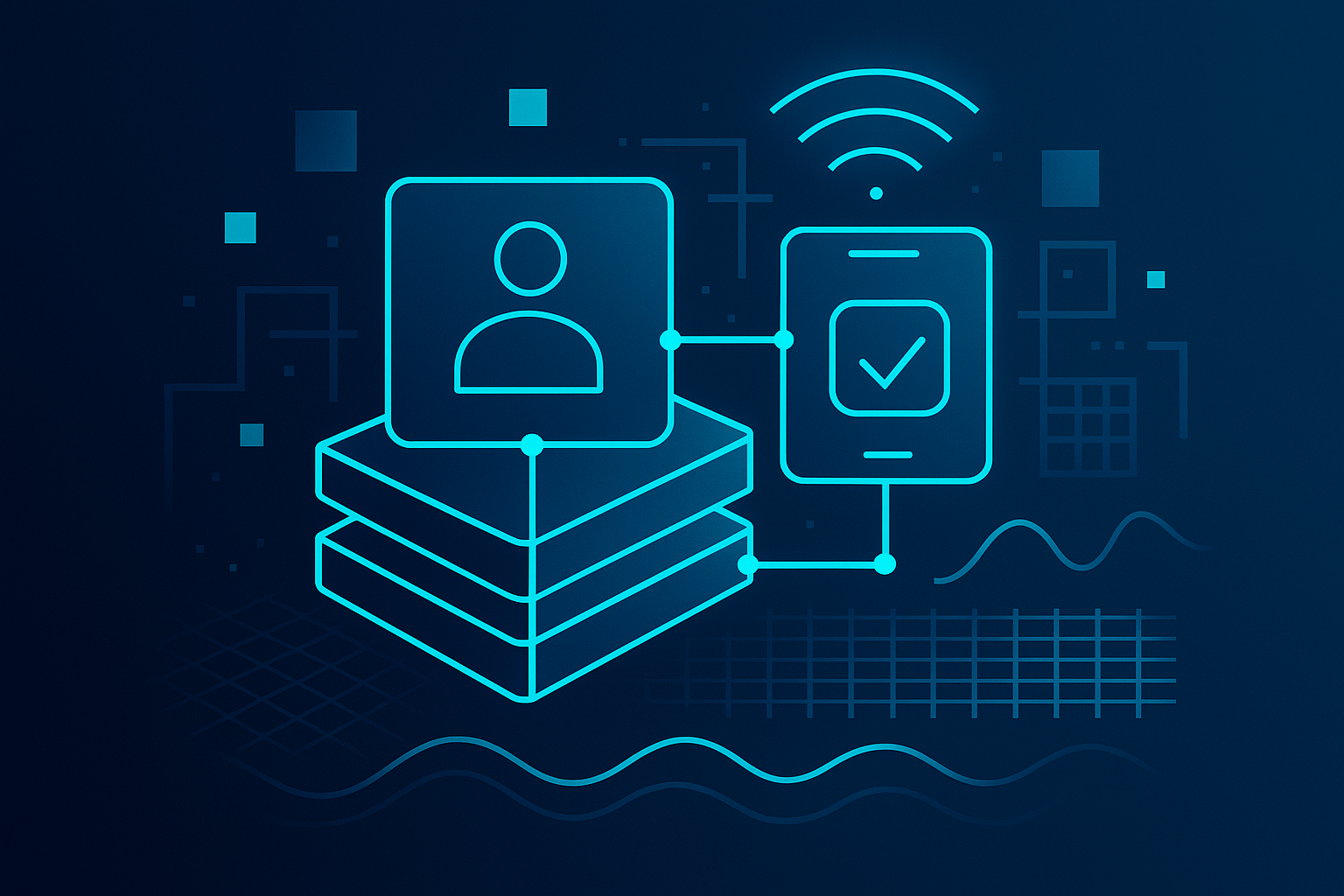
Successful contactless check-in deployment follows a structured five-phase approach beginning with technology assessment and vendor selection. Phase one involves evaluating existing Property Management System compatibility and WiFi infrastructure capacity, most boutique properties require network upgrades to support real-time digital key delivery. Budget allocation should be planned in advance, factoring in hardware, software, and staff training costs. The next phases include solution configuration, staff onboarding, guest communication rollout, and post-launch optimization. Each step is designed to minimize disruption and maximize ROI, ensuring a smooth transition for both staff and guests.
Security, Data Privacy, and Compliance: What Managers Must Know
Contactless check-in systems handle sensitive guest data, credit cards, identification documents, and personal preferences, requiring robust security protocols that boutique properties can implement without dedicated IT teams. The most critical security measure is end-to-end encryption for all guest communications, from initial reservation confirmation through digital key delivery.
Two-factor authentication should be mandatory for all guest-facing applications, typically combining SMS verification with email confirmation. This dual-layer approach reduces fraudulent check-ins by 89% according to 2024 hospitality security studies, while adding less than 45 seconds to the guest verification process.
GDPR Compliance Essentials: Boutique hotels must obtain explicit consent for data collection, provide clear opt-out mechanisms, and enable guests to request data deletion within 30 days. Store payment information through PCI-compliant third-party processors, never on local servers.
Regular security audits should occur quarterly, focusing on access logs, failed authentication attempts, and staff data handling practices. Maria’s boutique hotel, for example, conducts monthly reviews of which staff members accessed guest information and why, maintaining accountability while preserving operational flexibility.
Troubleshooting and FAQs: Solving Common Issues in Contactless Check-In
The most frequent guest challenge involves digital key failures, typically caused by smartphone compatibility issues or weak cellular signals in hotel corridors. Establish a 2-minute resolution protocol: front desk staff should have physical backup keys pre-programmed and ready, while simultaneously troubleshooting the digital solution.
For guests without smartphones, approximately 15% of boutique hotel visitors, maintain a streamlined kiosk option in the lobby. This hybrid approach ensures no guest feels excluded while preserving the efficiency gains from digital automation.
- Lost phone scenario: Guests can verify identity through secondary email and receive temporary access codes via the property’s WiFi network.
- ID verification mismatch: Staff can manually override with photo comparison, logging the exception for security review.
- Language barriers: Implement multi-language support in apps, with visual icons for common requests.
Emergency protocols should include a direct “help” button in all digital interfaces, connecting guests immediately to front desk staff via text or voice call. This maintains the personal service standard while resolving technical issues efficiently.
Comparing Solutions: Mobile Apps vs. Kiosks vs. Hybrid Contactless Check-In

Mobile app solutions deliver the highest guest satisfaction scores, averaging 4.7/5 in boutique properties, but require significant upfront development and ongoing maintenance costs. Pure app-based systems work best for tech-savvy demographics and business travelers who prioritize speed and convenience.
| Solution Type | Implementation Cost | Guest Adoption Rate | Staff Training Required | Best For |
|---|---|---|---|---|
| Mobile App | $15,000-25,000 | 85% (under 45 years) | Minimal | Business travelers, repeat guests |
| Digital Kiosk | $8,000-12,000 | 78% (all demographics) | Moderate | Leisure travelers, older guests |
| Hybrid System | $20,000-30,000 | 92% (all demographics) | Comprehensive | Mixed clientele, boutique properties |
Hybrid systems, combining mobile apps with lobby kiosks, achieve the highest overall adoption rates but require more complex staff training. For boutique properties like Maria’s hotel, the hybrid approach ensures every guest can complete contactless check-in regardless of technology comfort level, maximizing both efficiency and satisfaction.
Best Practices and Future-Proofing: Sustaining Excellence with Contactless Technology
Successful contactless check-in implementation requires ongoing optimization through guest feedback loops and staff performance monitoring. Establish monthly reviews of check-in completion rates, average processing times, and guest satisfaction scores to identify improvement opportunities.
Future-proof your investment by choosing solutions with open API architecture, enabling integration with emerging technologies like voice assistants and augmented reality wayfinding. Properties should budget 15-20% of initial implementation costs annually for system updates and feature enhancements. For additional research on the impact of digital transformation in hospitality, see this peer-reviewed study.
Expert Insight: “We increased our guest satisfaction scores by 23% within six months by treating contactless check-in as an ongoing service enhancement, not a one-time technology installation. Regular staff feedback sessions and guest surveys drive continuous improvement.” – Sarah Chen, Boutique Hotel Operations Director
Staff training should be refreshed quarterly, focusing on new features and guest assistance techniques. The most successful properties create “digital concierge” roles, where staff members specialize in helping guests navigate contactless systems while maintaining the personal touch that defines boutique hospitality.
Transforming Boutique Hospitality Through Strategic Contactless Check-In
Contactless check-in represents more than operational efficiency, it’s a strategic investment in guest experience differentiation and revenue optimization. Boutique properties implementing comprehensive contactless solutions report average increases of 18% in guest satisfaction and significant improvements in operational efficiency and ancillary revenue. By leveraging AI-powered automation, boutique hospitality managers can deliver exceptional, personalized service at scale while optimizing costs and driving measurable business outcomes.
For more insights on optimizing boutique hotel operations, you might also like Vynta’s contactless check-in solutions.
Learn more about AI-powered automation for boutique hospitality and how it can transform your guest experience.
Frequently Asked Questions
What is a contactless check-in?
Contactless check-in is a digital process that allows guests to complete their arrival formalities remotely using mobile apps or web portals, eliminating the need for physical interaction at the front desk. This technology streamlines guest arrivals, reduces wait times, and enables boutique hotels to deliver a seamless, personalized experience while optimizing operational efficiency.
How do we welcome a contactless check-in guest to a hotel?
Welcoming a contactless check-in guest involves sending a personalized, branded message, typically via SMS or email, before arrival, guiding them through the digital check-in steps. Upon arrival, guests receive digital keys or access codes, allowing them to bypass the front desk and enjoy a smooth, efficient entry, while staff remain available for high-touch service and personalized interactions.
How safe is contactless?
Contactless check-in is designed with robust security measures including encrypted data transmission, secure identity verification, and compliance with privacy regulations. By minimizing physical contact and handling of documents, it reduces health risks and enhances data protection, making it a safe and reliable option for both guests and hospitality operators.
About The Author
Anas Moujahid is the chief contributing writer & Operations Director for the Vynta Blog, where he turns cutting-edge AI automation into measurable business outcomes for mid-market companies.
Vynta designs enterprise-grade AI agents that augment rather than replace people, freeing teams to focus on higher-value work while the bots handle the busywork.
We specialise in four service-heavy verticals where AI can move the revenue needle fast: real estate, recruitment, fundraising and hospitality.
Anas started his career architecting AI and automation systems; today he leads operations at Vynta, making sure every deployment lands real-world ROI, whether that’s more booked viewings for estate agents, faster placements for recruiters, warmer investor pipelines for fundraisers or happier guests for hotels and restaurants.
Vynta delivers results by:
- Building industry-specific agents pre-trained on real-world workflows, no generic chatbots here.
- Integrating seamlessly with existing CRMs, ATSs, PMSs and fundraising platforms, zero rip-and-replace.
- Measuring success in business KPIs (lead-to-close rates, time-to-hire, donor retention, RevPAR) not vanity metrics.
- Providing transparent implementation plans so clients know exactly what to expect, when and why.
- Pairing every AI agent with human-in-the-loop controls to keep quality, compliance and brand voice on point.
Since launch, Vynta has helped agencies slash lead qualification time by up to 70 %, recruitment firms cut screening hours in half, fundraising teams triple investor touchpoints and hospitality brands lift guest satisfaction scores by double digits, all while keeping human expertise firmly in the loop.
Anas writes with the same ethos that drives Vynta: outcome-focused, jargon-free and grounded in real business value. Expect data-backed insights, practical implementation guides and a clear-eyed view of what AI can, and can’t, do for your organisation.