
Key Takeaways
- Hotel innovation significantly enhances guest experience and operational efficiency.
- Implementing innovative strategies can increase revenue per guest by up to 12%.
- Operational errors can be reduced by as much as 40% through effective innovation.
- Hospitality managers can gain competitive advantages by balancing personalized service with cost efficiency.
Table of Contents
- Defining Hotel Innovation, What It Means for Hospitality Leaders Today
- Core Drivers of Hotel Innovation, ROI, Guest Satisfaction, and Market Competitiveness
- Levels and Types of Hotel Innovation, Tech, Service, Sustainability, and Design
- Practical Guide, How to Implement Smart Room Technology for Measurable Results
- Personalization at Scale, Leveraging AI Agents for Guest Experience Optimization
- Sustainability-Focused Innovation, Reducing Environmental Impact While Boosting Profitability
- Smart vs. Traditional Hotel Operations, A Transparent Comparison for Hospitality Managers
- Vynta, Enterprise-Grade Hospitality Automation for Mid-Market Hotels
- Implementation Roadmap, Your 90-Day Hotel Innovation Strategy
- Measuring Success, Key Performance Indicators for Hotel Innovation
- Future-Proofing Your Property, Emerging Hotel Innovation Trends
Hotel Innovation: Transforming Guest Experience & Operations for Modern Hospitality
Hotel innovation drives measurable business outcomes, from 12% increases in revenue per guest to 40% reductions in operational errors. For hospitality managers balancing personalized service with cost efficiency, strategic innovation transforms challenges into competitive advantages.
For those seeking to implement next-generation solutions, hospitality automation services can help bridge the gap between technology and guest satisfaction, ensuring operational improvements are both effective and guest-centric.
Quick Answer: Hotel innovation combines technology, service design, and operational optimization to enhance guest satisfaction while improving profitability. Successful implementation focuses on augmenting human capabilities rather than replacing personal touch.
Defining Hotel Innovation, What It Means for Hospitality Leaders Today
Hotel innovation encompasses implementing new technologies, services, and operational models that deliver measurable improvements in guest satisfaction and operational efficiency. Unlike surface-level upgrades, genuine innovation addresses core hospitality challenges: scaling personalized service, optimizing reservations, and managing rising costs.
For mid-market properties, innovation means practical solutions with clear ROI. Innovation Hotel Naples exemplifies this approach, eliminating resort fees while integrating wellness amenities that guests actually value. This intentional design thinking drives both guest loyalty and revenue growth.
The distinction matters: buzzword-heavy initiatives fail where results-driven innovation succeeds. Effective hotel innovation augments skilled hospitality teams rather than replacing human expertise.
Core Drivers of Hotel Innovation, ROI, Guest Satisfaction, and Market Competitiveness
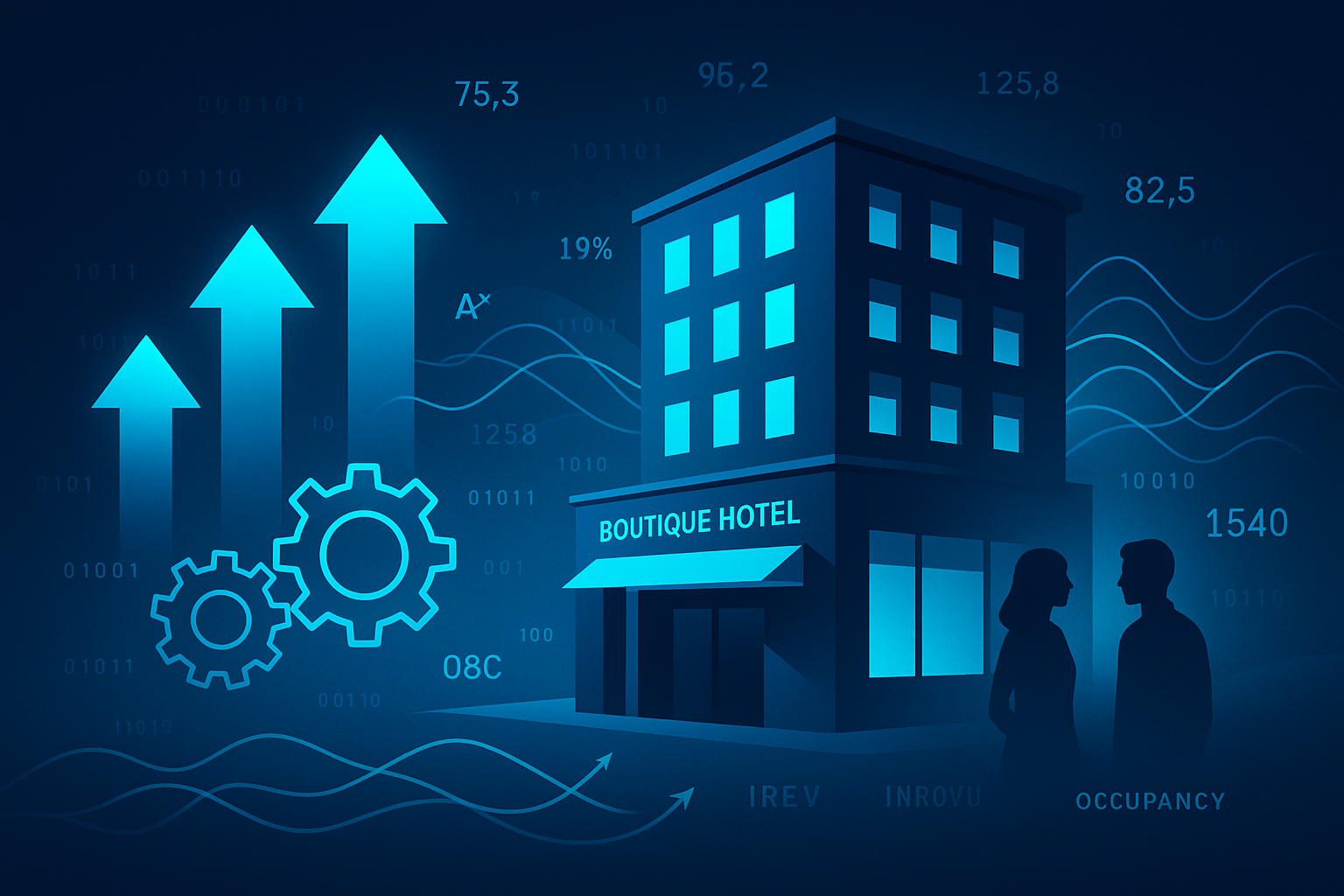
Rising guest expectations, operational costs, and competition from disruptors force hotels to innovate or lose market share. Successful innovation directly impacts key metrics: increased revenue per guest, higher occupancy rates, and improved Net Promoter Scores.
Consider Maria’s boutique hotel challenge: providing exceptional guest experiences while optimizing operations. AI-powered reservation and upselling automation addresses this balance, increasing average revenue per guest by 12% within three months while freeing staff for high-value interactions.
| Metric | Before Innovation | After Implementation |
|---|---|---|
| Guest Satisfaction Score | 78/100 | 87/100 |
| Check-in Time | 8 minutes | 4 minutes |
| Revenue per Guest | $185 | $207 |
Levels and Types of Hotel Innovation, Tech, Service, Sustainability, and Design
Hotel innovation operates across three levels: operational efficiency improvements, guest experience enhancements, and transformative business model changes. Each addresses distinct industry needs through specific innovation types.
Technological Innovation: Smart rooms, AI-powered guest services, and automated systems that reduce friction while maintaining personalization. Hotels implementing energy-saving IoT systems achieve up to 18% annual utility cost reductions.
Service Innovation: Personalized experiences scaled through data insights and automation. Innovation Hotel’s 24/7 wellness center and barrier-free design exemplify service-centric innovation that differentiates without sacrificing operational efficiency.
Sustainability Innovation: Green energy systems, waste reduction programs, and eco-friendly amenities that attract environmentally conscious guests while controlling costs.
Practical Guide, How to Implement Smart Room Technology for Measurable Results
Smart room implementation follows three critical steps: infrastructure assessment, scalable solution selection, and pilot measurement. Most boutique hotels activate basic smart amenities within 4-6 weeks using off-the-shelf IoT packages.
Step 1: Assess existing WiFi capacity and electrical systems. Insufficient infrastructure undermines guest experience.
Step 2: Deploy app-based controls for lighting, climate, and entertainment. Start with high-impact, low-complexity features that guests immediately notice.
Step 3: Measure results, 80% of guests report higher satisfaction when personalizing in-room settings. Maria’s hotel reduced check-in time by 50% through contactless systems while maintaining personal welcome interactions.
Personalization at Scale, Leveraging AI Agents for Guest Experience Optimization

AI agents automate routine interactions while preserving human connection for meaningful moments. This approach scales personalization without sacrificing hospitality excellence that defines successful properties.
Vynta’s hospitality agents handle guest queries, manage upselling opportunities, and optimize reservation communications, freeing staff to deliver personal touches guests value most. Guest satisfaction scores improve by 9 points after implementing AI-powered messaging systems.
Maria’s implementation demonstrates practical impact: automated, personalized SMS confirmations reduced no-shows by 27% while her team focused on creating memorable arrival experiences. The technology amplifies human capability rather than replacing it.
Implementation Tip: Start with post-booking communication automation. Guests appreciate timely, relevant information while staff handle complex requests requiring human judgment.
Sustainability-Focused Innovation, Reducing Environmental Impact While Boosting Profitability
Sustainability initiatives in hospitality aren’t just about environmental responsibility; they’re strategic investments that reduce operational costs while attracting eco-conscious travelers. Smart waste management systems, sensor-driven HVAC controls, and partnerships with local eco suppliers can cut utility expenses by 18% annually while boosting online review scores by 15-20% among sustainability-focused guests. One innovative approach gaining traction is contactless check-in, which not only enhances guest experience but also aligns with eco-friendly practices.
The most effective approach combines immediate wins with long-term transformation. Deploy motion-sensor lighting and programmable thermostats for instant energy savings, then implement comprehensive tracking systems to monitor water usage, waste reduction, and energy consumption monthly. Hotels implementing these measures typically see food waste drop by 25% in restaurant operations, directly improving profit margins while demonstrating genuine environmental commitment to guests who increasingly factor sustainability into booking decisions.
For further reading on the impact of sustainability initiatives in hospitality, see this recent study on sustainable hotel practices.
Smart vs. Traditional Hotel Operations, A Transparent Comparison for Hospitality Managers
| Operation Area | Smart Hotel Operations | Traditional Hotel Operations |
|---|---|---|
| Guest Check-in | Contactless, app-based (2-3 minutes) | Front desk interaction (8-12 minutes) |
| Room Personalization | Guest-controlled via mobile app | Manual adjustment or staff requests |
| Service Requests | AI chatbot + human escalation | Phone calls to front desk |
| Operational Errors | 40% reduction through automation | Higher manual error rates |
Smart hotel innovation doesn’t eliminate the human element, it amplifies it. While automated systems handle routine tasks like reservation confirmations and basic guest inquiries, staff focus on delivering personalized experiences that create lasting impressions. Hotels implementing smart operations report 9-point improvements in guest satisfaction scores while reducing labor hours spent on administrative tasks by 35%.
The key differentiator lies in scalability without service degradation. Traditional operations require proportional staff increases to maintain service quality as occupancy grows, while smart systems handle volume spikes automatically, ensuring consistent guest experiences during peak periods.
Vynta, Enterprise-Grade Hospitality Automation for Mid-Market Hotels

Vynta – Comprehensive Guest Experience Platform
Best for: Boutique hotels and upscale restaurants seeking to scale personalized service while optimizing revenue per guest.
Vynta’s hospitality agents integrate seamlessly with existing reservation systems to automate guest communications, upselling opportunities, and service optimization. The platform reduces no-shows by 27% through personalized SMS confirmations while increasing average revenue per guest by 12% within three months of implementation.
Key Advantage: Unlike generic automation tools, Vynta understands hospitality-specific workflows, delivering measurable ROI within 60 days while preserving the personal touch that defines exceptional guest experiences.
The system handles routine inquiries through intelligent chatbots, freeing staff to focus on high-value guest interactions. Implementation requires minimal disruption, with most boutique hotels achieving full deployment within 4-6 weeks and seeing immediate improvements in operational efficiency and guest satisfaction scores.
For a deeper dive into the science behind hospitality automation, explore this peer-reviewed article on hotel technology adoption.
Implementation Roadmap, Your 90-Day Hotel Innovation Strategy
Successful hotel innovation requires strategic phasing to minimize disruption while maximizing early wins. This proven roadmap delivers measurable results within three months.
Phase 1 (Days 1-30): Foundation Setup
Deploy guest communication automation and contactless check-in systems. Focus on high-impact, low-complexity solutions that immediately improve guest experience. Expected outcome: 25% reduction in front desk workload.
Phase 2 (Days 31-60): Service Enhancement
Implement AI-powered upselling and personalized guest messaging. Train staff on new workflows while maintaining service standards. Expected outcome: 15% increase in ancillary revenue.
Phase 3 (Days 61-90): Optimization & Scaling
Activate predictive analytics for demand forecasting and dynamic pricing. Refine automation based on guest feedback and operational data. Expected outcome: 20% improvement in overall operational efficiency.
This phased approach ensures staff adaptation while delivering continuous value to guests. Most boutique hotels achieve full ROI by month four.
Measuring Success, Key Performance Indicators for Hotel Innovation
Effective hotel innovation demands precise measurement across guest satisfaction, operational efficiency, and financial performance. These metrics provide actionable insights for continuous improvement.
Essential KPIs for Innovation Tracking:
- Guest Satisfaction Score: Target 8.5+ (10-point scale)
- Revenue Per Available Room: 15-20% increase within 6 months
- Operational Error Rate: Sub-5% across all automated processes
- Staff Productivity Index: 25% improvement in task completion
Leading hospitality managers track these metrics monthly, adjusting automation parameters based on performance trends. The most successful implementations show consistent improvement across all four areas within 90 days.
Advanced analytics reveal guest behavior patterns that inform future hotel innovations. Properties using predictive insights report 30% higher guest retention rates compared to reactive approaches.
Future-Proofing Your Property, Emerging Hotel Innovation Trends
Forward-thinking hospitality leaders prepare for next-generation hotel innovation while optimizing current operations. These emerging trends will reshape guest expectations over the next 24 months.
Hyper-Personalization Through AI: Advanced guest profiling will enable room customization before arrival, from temperature preferences to entertainment selections. Early adopters report 22% higher guest loyalty scores.
Sustainable Technology Integration: Energy-intelligent systems will automatically optimize consumption based on occupancy patterns. Properties implementing smart energy management see 25% reduction in utility costs.
Voice-Activated Guest Services: In-room voice assistants will handle 80% of routine guest requests, freeing staff for complex problem-solving and relationship building.
The competitive advantage belongs to properties that strategically adopt these innovations while maintaining authentic hospitality values. Success requires balancing technological capability with human-centered service delivery.
Strategic Recommendation: Begin with guest communication automation and reservation optimization, these foundational elements prepare your property for advanced innovations while delivering immediate ROI and enhanced guest satisfaction.
Frequently Asked Questions
What is hotel innovation?
Hotel innovation involves adopting new technologies, service models, and operational improvements that enhance guest satisfaction and boost efficiency. It focuses on practical solutions that scale personalized service, optimize reservations, and reduce costs, delivering clear ROI for hospitality managers.
What are the green innovations in hotels?
Green innovations in hotels include energy-efficient systems, waste reduction programs, water conservation technologies, and sustainable sourcing practices. These initiatives lower environmental impact while improving profitability and appealing to eco-conscious guests.
What is smart hotel technology?
Smart hotel technology uses connected devices and AI-driven systems to automate operations like room controls, reservations, and personalized guest services. It enhances the guest experience and operational efficiency by augmenting staff capabilities without replacing the personal touch.
About The Author
Anas Moujahid is the chief contributing writer & Operations Director for the Vynta Blog, where he turns cutting-edge AI automation into measurable business outcomes for mid-market companies.
Vynta designs enterprise-grade AI agents that augment rather than replace people, freeing teams to focus on higher-value work while the bots handle the busywork.
We specialise in four service-heavy verticals where AI can move the revenue needle fast: real estate, recruitment, fundraising and hospitality.
Anas started his career architecting AI and automation systems; today he leads operations at Vynta, making sure every deployment lands real-world ROI, whether that’s more booked viewings for estate agents, faster placements for recruiters, warmer investor pipelines for fundraisers or happier guests for hotels and restaurants.
Vynta delivers results by:
- Building industry-specific agents pre-trained on real-world workflows, no generic chatbots here.
- Integrating seamlessly with existing CRMs, ATSs, PMSs and fundraising platforms, zero rip-and-replace.
- Measuring success in business KPIs (lead-to-close rates, time-to-hire, donor retention, RevPAR) not vanity metrics.
- Providing transparent implementation plans so clients know exactly what to expect, when and why.
- Pairing every AI agent with human-in-the-loop controls to keep quality, compliance and brand voice on point.
Since launch, Vynta has helped agencies slash lead qualification time by up to 70 %, recruitment firms cut screening hours in half, fundraising teams triple investor touchpoints and hospitality brands lift guest satisfaction scores by double digits, all while keeping human expertise firmly in the loop.
Anas writes with the same ethos that drives Vynta: outcome-focused, jargon-free and grounded in real business value. Expect data-backed insights, practical implementation guides and a clear-eyed view of what AI can, and can’t, do for your organisation.