
Key Takeaways
- Effective bar managing in 2025 requires mastering staff leadership and operational complexity beyond basic tasks.
- Optimizing inventory and automating guest experiences are essential strategies for modern bar managers.
- Compliance with regulations remains a critical component of successful bar management.
- Driving measurable revenue growth is a primary focus amid a competitive hospitality environment.
Table of Contents
- What Is Bar Management? Scope, Significance & Industry Context
- Core Duties and Responsibilities of a Bar Manager: More Than Meets the Eye
- Essential Bar Manager Skills: From Leadership to Tech Savvy in the Age of AI
- Types of Bar Establishments, And How Management Changes Across Them
- Legal and Regulatory Foundations: Staying Compliant, Reducing Risk
- Hiring, Training, and Retaining High-Performing Staff: The Human Engine of a Successful Bar
- Inventory Management for Profitable Bar Operations: Methods that Work
- Creating and Maintaining a Profitable Bar Menu: Data-Driven Decisions
- Operational Excellence: Maintaining Cleanliness, Efficiency, and Consistency
- Guest Satisfaction & Personalization at Scale: Combining Human Touch with Smart Automation
- Advanced Bar Marketing: Events, Promotions, and Revenue Growth in 2025
- Tech and Tools for Modern Bar Managing: From POS to AI Automation
- Risk, Safety, and Compliance: Protecting Your Business and Guests
The Definitive Guide to Bar Managing in 2025, Proven Strategies, Smart Automation, and Real-World Results
Bar managing in 2025 demands more than pouring drinks and handling cash. Today’s successful bar managers orchestrate complex operations spanning staff leadership, inventory optimization, guest experience automation, and regulatory compliance, all while driving measurable revenue growth in an increasingly competitive hospitality landscape. Discover how modern bar management solutions can streamline these operations.
The bar and nightclub industry reached $40.2 billion in 2025, with successful establishments leveraging AI-driven automation to boost profit margins by 15-20% while maintaining the human touch that defines exceptional hospitality. This comprehensive guide reveals the proven strategies, smart technologies, and operational frameworks that separate thriving bars from those struggling to survive.
For those interested in the broader context of bar establishments, you can learn more about their history and significance by visiting this detailed overview of bars as establishments.
What Is Bar Management? Scope, Significance & Industry Context
Bar management encompasses the strategic oversight of all aspects of a bar’s operations, from staff leadership and guest experience to inventory control and regulatory compliance. In 2025, the role has evolved to require a blend of hospitality expertise, business acumen, and technology adoption. The significance of effective bar management is reflected in higher guest satisfaction scores, improved profitability, and reduced operational risks. Industry context shows that bars embracing automation and data-driven decision-making consistently outperform those relying on traditional methods.
Core Duties and Responsibilities of a Bar Manager: More Than Meets the Eye

A bar manager’s daily responsibilities span four critical areas: people leadership, operational excellence, financial management, and regulatory compliance. Front-of-house duties include staff scheduling, guest experience oversight, and quality control, while back-of-house responsibilities encompass inventory management, vendor relations, and administrative tasks.
The scope varies significantly by establishment type. A nightclub manager focuses heavily on crowd control and security coordination, typically overseeing 15-25 staff members during peak hours. Conversely, an upscale cocktail lounge manager emphasizes mixology training and personalized guest service with a smaller team of 6-10 specialized bartenders.
Daily Bar Manager Checklist
- Staff briefing and shift assignments (15 minutes)
- Inventory spot-checks and reorder decisions (20 minutes)
- Previous day’s sales and cost analysis (10 minutes)
- Guest feedback review and response (15 minutes)
- Compliance documentation updates (10 minutes)
Essential Bar Manager Skills: From Leadership to Tech Savvy in the Age of AI
Successful bar managers master five core competencies: team leadership, analytical thinking, technology adoption, conflict resolution, and financial acumen. Unlike bartenders who focus on craft execution, managers must balance people development with business optimization, requiring both emotional intelligence and data literacy.
The most critical skill gap in 2025 involves technology integration. Managers who embrace AI-powered scheduling, inventory automation, and guest experience tools report 20-30% efficiency gains compared to those relying solely on manual processes. However, technology must augment, not replace, the human judgment that drives exceptional hospitality.
| Skill Area | Bar Manager Focus | Bartender Focus | Business Impact |
|---|---|---|---|
| Leadership | Team development, scheduling, performance management | Peer collaboration, customer service | Staff retention, productivity |
| Analytics | P&L analysis, trend identification, forecasting | Daily sales tracking, inventory counts | Profit optimization, cost control |
| Technology | System integration, automation strategy | POS operation, basic software use | Operational efficiency, scalability |
Types of Bar Establishments, And How Management Changes Across Them
Each bar type demands distinct management approaches based on clientele, operating hours, and revenue models. Sports bars prioritize crowd management during events and food service coordination, while cocktail lounges focus on craft quality and intimate atmosphere maintenance.
Nightclubs present unique challenges including security coordination, capacity management, and late-night staffing logistics. Hotel bars require seamless integration with broader hospitality operations, emphasizing guest recognition and upselling to room service or spa offerings. Restaurant bars must balance beverage profits with food service support, often serving as both profit center and dining experience enhancer.
Understanding your establishment type shapes every management decision, from staff hiring criteria and training programs to inventory mix and marketing strategies. Successful managers align their operational approach with their venue’s core value proposition and target demographics. Learn more about hotel staff strategies to optimize performance and ensure your team meets operational goals.
Legal and Regulatory Foundations: Staying Compliant, Reducing Risk
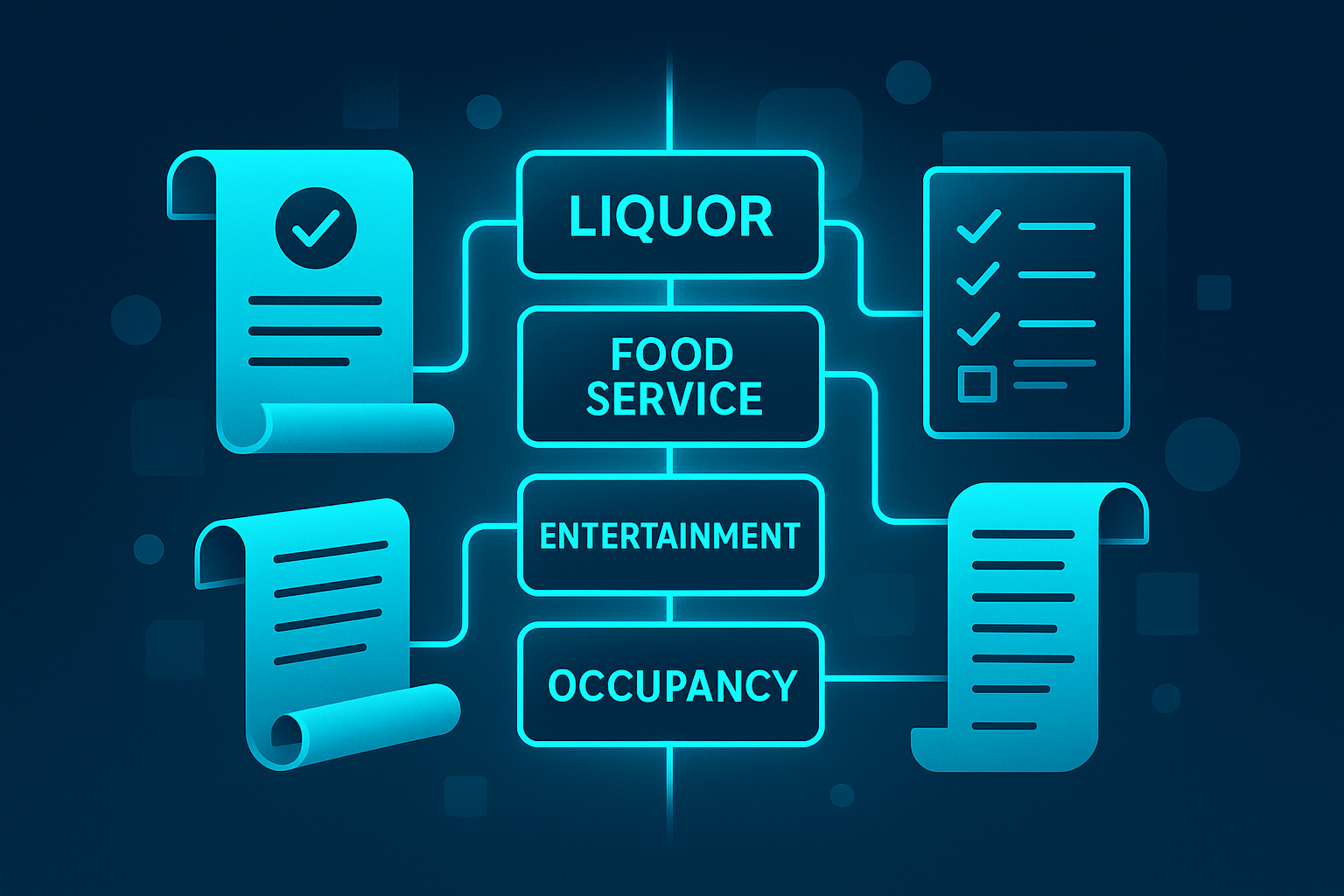
Bar managers must maintain multiple licenses and permits: liquor licenses, food service permits, entertainment licenses, and occupancy certificates. Compliance requirements vary by jurisdiction, but all establishments need documented staff training programs, incident reporting procedures, and regular safety inspections.
The 2025 regulatory landscape includes enhanced digital record-keeping requirements, stricter responsible service protocols, and updated health safety standards stemming from post-pandemic policies. Violations carry significant financial and reputational risks, making proactive compliance management essential for long-term success.
Hiring, Training, and Retaining High-Performing Staff: The Human Engine of a Successful Bar
Effective bar managing hinges on building a team that delivers consistent service while maintaining operational efficiency. The hiring process begins with crafting specific job descriptions that outline both technical skills (cocktail preparation, POS proficiency) and soft skills (communication, conflict resolution). Successful bar managers conduct structured interviews using behavioral questions and practical demonstrations, a “3-minute cocktail test” reveals technical competency while observing how candidates handle pressure.
Training protocols must address both compliance requirements and service excellence. New hires require 16-20 hours of initial training covering responsible service, safety procedures, product knowledge, and customer interaction standards. Monthly refresher sessions keep staff updated on new menu items, seasonal promotions, and regulatory changes. The most effective training programs combine hands-on practice with digital modules, allowing staff to progress at their own pace while ensuring consistent knowledge retention.
Retention strategies focus on fair scheduling, competitive compensation, and career development opportunities. Bar managers who maintain turnover rates below 25% typically implement transparent tip-sharing policies, offer flexible scheduling through digital platforms, and provide clear advancement pathways. Recognition programs, whether monthly performance bonuses or public acknowledgment of exceptional service, create positive workplace culture that reduces recruitment costs and maintains service consistency. Learn how specialized recruitment solutions can help you build and retain a high-performing bar team.
Inventory Management for Profitable Bar Operations: Methods that Work
Inventory control directly impacts profitability, with well-managed bars achieving shrinkage rates below 5% compared to industry averages of 8-12%. Effective inventory management combines systematic tracking with strategic purchasing decisions. Daily counts of high-velocity items (premium spirits, draft beer) paired with weekly comprehensive inventories provide the data foundation for identifying discrepancies before they become significant losses.
Modern inventory systems automate much of this process, but the fundamentals remain consistent: establish par levels based on historical sales data, implement portion control measures, and maintain detailed waste logs. Bar managers should track key metrics including cost per ounce, velocity reports, and variance analysis. Products showing consistent negative variance require immediate investigation, whether through improved staff training, adjusted portion sizes, or enhanced security measures.
Supplier relationships and product mix optimization drive long-term profitability. Successful bar managers negotiate payment terms, volume discounts, and exclusive product access while maintaining backup suppliers for critical items. The rise of ready-to-drink cocktails and premium non-alcoholic options requires careful margin analysis, these categories often provide higher profit margins but require different storage and presentation considerations. Find out more about our approach to optimizing bar operations and supplier relationships.
| Inventory Method | Time Investment | Accuracy Rate | Cost | Best For |
|---|---|---|---|---|
| Manual Tracking | 2-3 hours daily | 85-90% | Low ($200-500/month) | Small venues, simple product mix |
| Digital Systems | 30-45 minutes daily | 95-98% | Medium ($300-800/month) | Multi-location, complex inventory |
| AI-Enhanced Tracking | 15-20 minutes daily | 98-99% | Higher ($500-1200/month) | High-volume venues, predictive ordering |
Creating and Maintaining a Profitable Bar Menu: Data-Driven Decisions

Menu engineering transforms beverage programs from cost centers into profit drivers. Successful bar management requires analyzing each item’s contribution margin, popularity, and strategic value. High-margin cocktails typically achieve 75-80% gross profit margins, while wine and beer range from 60-70%. Menu placement, descriptions, and pricing psychology influence customer choices, items positioned in the upper-right quadrant of printed menus see 15-20% higher selection rates.
Data-driven menu decisions rely on POS analytics to identify star performers, problem items, and emerging trends. Products generating less than 2% of total sales after 90 days require evaluation for removal or repositioning. Seasonal rotations keep menus fresh while allowing managers to test new concepts without committing to permanent changes. Limited-time offerings create urgency and provide valuable market research for permanent menu additions.
AI-powered menu optimization analyzes customer preferences, weather patterns, and local events to suggest dynamic pricing and targeted promotions. Bars implementing these systems report average revenue increases of 12-18% through personalized recommendations and optimized product positioning. The key lies in balancing automation with human creativity, technology provides insights, but successful bar managers craft experiences that reflect their venue’s unique personality and customer base.
Operational Excellence: Maintaining Cleanliness, Efficiency, and Consistency
Operational consistency separates profitable bars from struggling venues. Standard operating procedures (SOPs) ensure every shift maintains the same service quality, cleanliness standards, and efficiency levels regardless of which staff members are working. Effective SOPs cover opening and closing procedures, cleaning schedules, cash handling protocols, and emergency responses. Digital checklists accessed through tablets or smartphones provide real-time completion tracking and accountability.
Bar layout optimization follows the “three-step rule”, bartenders should access 80% of frequently used items within three steps of their primary position. Well-designed bars minimize movement while maximizing productivity during peak periods. Ice wells, glass storage, and essential spirits should be within easy reach to reduce service times and maintain consistency. Regular reviews of workflow and layout, informed by staff feedback and guest flow data, help identify bottlenecks and opportunities for improvement.
Guest Satisfaction & Personalization at Scale: Combining Human Touch with Smart Automation
Modern bar managing requires balancing personal service with systematic efficiency. Successful managers build guest loyalty through consistent experiences while leveraging technology to scale personalization beyond what human memory alone can achieve.
Guest CRM systems track preferences, visit frequency, and spending patterns. When Maria, a regular customer, enters your establishment, staff can immediately access her preferred table location, usual drink order, and dietary restrictions. This level of service creates emotional connections that drive repeat visits and higher per-guest spending.
The complaint resolution process demands immediate attention and systematic follow-up. Effective bar managers implement a five-step protocol: acknowledge within 60 seconds, investigate thoroughly, propose solutions, execute remedies, and follow up within 24 hours. AI automation can trigger personalized follow-up messages and track resolution satisfaction, ensuring no guest concern falls through operational cracks.
VIP and event management benefits significantly from integrated systems. Digital guestlists reduce entry bottlenecks, while automated messaging keeps attendees informed about event updates or special offers. Smart reservation systems can predict no-shows based on historical patterns and automatically offer last-minute availability to waitlisted guests. Explore how integrated guest management solutions can elevate your bar’s VIP experience.
Target Metrics: Guest satisfaction scores above 4.5/5, complaint resolution within 24 hours, and 40% repeat visit rate within 90 days indicate effective personalization strategies.
Advanced Bar Marketing: Events, Promotions, and Revenue Growth in 2025

Strategic event programming transforms bars from transactional venues into destination experiences. Successful managers create revenue-driven calendars that balance themed nights, live entertainment, and corporate bookings based on historical performance data and seasonal trends.
Themed events generate 15-25% revenue uplift compared to standard service nights. Trivia nights, wine tastings, and live music create recurring attendance patterns while encouraging higher per-guest spending through specialized menus and extended visit duration. Corporate bookings offer guaranteed minimums and premium pricing during typically slower periods.
Omnichannel promotion integrates social media, email campaigns, and local partnerships to maximize event visibility. Successful campaigns segment audiences by preferences and spending history, delivering targeted offers that drive conversion. Integration with POS systems tracks campaign effectiveness and calculates true ROI beyond simple attendance numbers.
Digital loyalty programs encourage repeat visits through points-based rewards and exclusive access to special events. Modern systems can automatically trigger personalized offers based on guest behavior, such as birthday promotions or incentives for guests who haven’t visited recently. For more insights on hospitality marketing, check out our article on boosting bar revenue with digital loyalty programs.
Tech and Tools for Modern Bar Managing: From POS to AI Automation
The modern bar management tech stack centers on integrated systems that eliminate manual data entry and provide real-time operational insights. Point-of-sale systems serve as the foundation, connecting inventory management, staff scheduling, and guest relationship tools into unified workflows.
Essential software categories include POS systems with integrated payment processing, inventory management platforms that track usage patterns and automate reordering, staff scheduling applications that optimize labor costs while ensuring adequate coverage, and guest CRM systems that personalize service delivery.
| Function | Manual Process | Automated Solution | Time Savings | Error Reduction |
|---|---|---|---|---|
| Staff Scheduling | 3-4 hours weekly | 30 minutes weekly | 85% | 60% |
| Inventory Counting | 45 minutes daily | 15 minutes daily | 65% | 80% |
| Guest Follow-up | Inconsistent | Automated triggers | 100% | 90% |
| Sales Reporting | 2 hours weekly | Real-time dashboards | 95% | 95% |
Implementation typically requires 1-3 weeks for full system integration, with staff training extending an additional week. Common pitfalls include insufficient staff buy-in, inadequate initial data setup, and attempting to implement all systems simultaneously rather than phased rollouts.
AI-driven automation represents the next evolution in bar managing efficiency. These systems can optimize staff schedules based on predicted demand, automatically reorder inventory when stock levels reach predetermined thresholds, and send personalized guest communications that drive repeat visits and upselling opportunities. For a deeper dive into the science behind hospitality automation, see this research on automation in hospitality environments.
Risk, Safety, and Compliance: Protecting Your Business and Guests
Comprehensive risk management protects both guests and business operations through systematic safety protocols and proactive compliance measures. Alcohol service carries legal responsibilities that extend beyond simple age verification to include intoxication assessment and duty of care obligations.
Staff training on responsible alcohol service must occur during onboarding and refresh annually. Effective programs teach intoxication recognition, intervention techniques, and documentation requirements. Clear protocols for refusing service and managing intoxicated guests prevent liability while maintaining guest safety. Read our guide to bar safety training best practices.
Theft prevention requires multiple control layers. Video surveillance covers cash handling areas, POS systems flag unusual transaction patterns, and regular inventory audits identify shrinkage sources. Target shrinkage rates below 2% of total inventory value indicate effective control systems.
Insurance coverage should include general liability, liquor liability, property damage, and workers’ compensation. Regular policy reviews ensure adequate coverage limits as business operations expand. Incident documentation creates legal protection and following OSHA bar safety guidelines is essential for compliance and risk reduction.
Frequently Asked Questions
How has the role of bar management evolved in 2025 compared to traditional practices?
In 2025, bar management has expanded beyond basic operational tasks to include strategic leadership, data-driven decision-making, and integration of AI automation. Modern bar managers now optimize inventory, personalize guest experiences at scale, and lead complex teams while focusing on measurable revenue growth and operational efficiency.
What are the key technologies and automation tools modern bar managers use to optimize operations and enhance guest experiences?
Modern bar managers leverage AI-driven inventory management systems, automated reservation and waitlist platforms, and personalized guest engagement tools powered by data analytics. Point-of-sale (POS) integrations combined with AI enable dynamic menu optimization and upselling, while automation streamlines staffing and compliance tracking to boost profitability and customer satisfaction.
How can bar managers effectively balance regulatory compliance with driving revenue growth in a competitive hospitality environment?
Effective bar managers embed compliance into daily operations through automated monitoring and staff training, reducing risk without sacrificing efficiency. By using AI tools to track licensing, health regulations, and responsible service, they maintain legal standards while focusing on innovative promotions and personalized guest experiences that drive revenue growth.
What strategies are most effective for hiring, training, and retaining high-performing staff in today’s bar industry?
Successful bar managers prioritize clear role definitions, ongoing skills development, and leveraging technology for efficient scheduling and performance tracking. Creating a positive work culture, offering competitive incentives, and using AI-driven training modules help retain talent and ensure staff deliver consistent, high-quality service that enhances guest satisfaction.
About The Author
Anas Moujahid is the chief contributing writer & Operations Director for the Vynta Blog, where he turns cutting-edge AI automation into measurable business outcomes for mid-market companies.
Vynta designs enterprise-grade AI agents that augment rather than replace people, freeing teams to focus on higher-value work while the bots handle the busywork.
We specialise in four service-heavy verticals where AI can move the revenue needle fast: real estate, recruitment, fundraising and hospitality.
Anas started his career architecting AI and automation systems; today he leads operations at Vynta, making sure every deployment lands real-world ROI, whether that’s more booked viewings for estate agents, faster placements for recruiters, warmer investor pipelines for fundraisers or happier guests for hotels and restaurants.
Vynta delivers results by:
- Building industry-specific agents pre-trained on real-world workflows, no generic chatbots here.
- Integrating seamlessly with existing CRMs, ATSs, PMSs and fundraising platforms, zero rip-and-replace.
- Measuring success in business KPIs (lead-to-close rates, time-to-hire, donor retention, RevPAR) not vanity metrics.
- Providing transparent implementation plans so clients know exactly what to expect, when and why.
- Pairing every AI agent with human-in-the-loop controls to keep quality, compliance and brand voice on point.
Since launch, Vynta has helped agencies slash lead qualification time by up to 70 %, recruitment firms cut screening hours in half, fundraising teams triple investor touchpoints and hospitality brands lift guest satisfaction scores by double digits, all while keeping human expertise firmly in the loop.
Anas writes with the same ethos that drives Vynta: outcome-focused, jargon-free and grounded in real business value. Expect data-backed insights, practical implementation guides and a clear-eyed view of what AI can, and can’t, do for your organisation.