
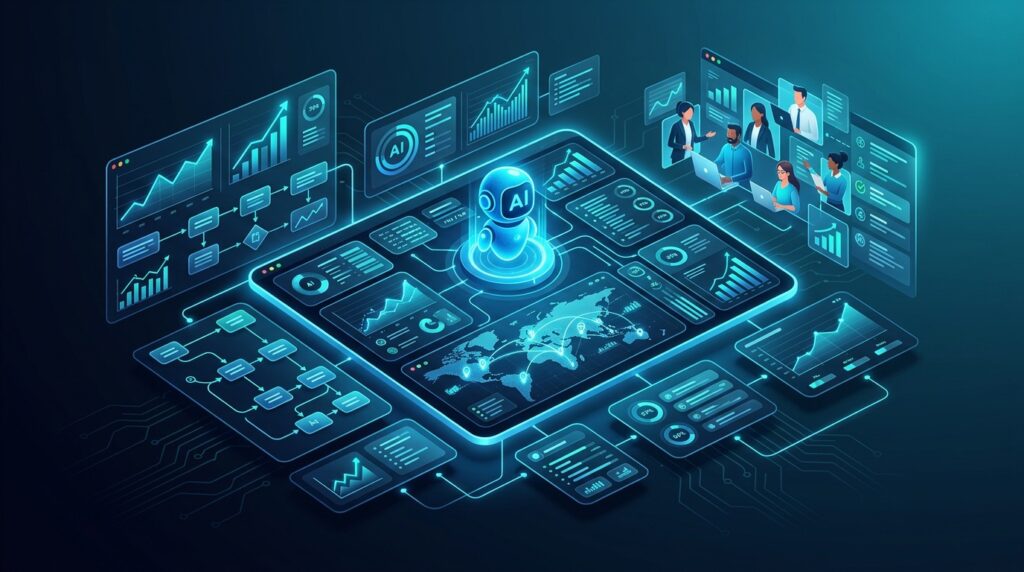
Where to purchase AI agents for premium restaurant upsells?
Understanding AI Agents for Premium Restaurant Upsells: Beyond Basic Suggestions
Where to purchase AI agents for premium restaurant upsells? Look for industry-specialized vendors with hospitality-specific training data, POS integration capabilities, and guest personalization engines. Generic chatbot platforms won’t deliver the contextual intelligence that premium upselling demands.
Key Takeaways
- Seek out AI vendors specifically trained in hospitality to ensure relevant industry knowledge.
- Prioritize AI agents with robust POS integration for seamless operational efficiency and data exchange.
- Choose solutions that offer guest personalization engines to deliver targeted, premium upsell suggestions.
- Generic chatbot platforms are insufficient; they lack the contextual intelligence needed for effective restaurant upselling.
What Are AI Agents in the Restaurant Context?
Restaurant AI agents are software systems that analyze guest behavior, order history, and real-time context to recommend high-margin items at precisely the right moment. Unlike static suggestion prompts, they adapt recommendations based on table spend patterns, dietary preferences, and seasonal menu performance.
Upselling vs. Cross-Selling with AI: Why the Difference Matters
Upselling moves guests toward premium versions of their chosen items: a wagyu upgrade over standard beef, or a reserve wine over a house pour. Cross-selling adds complementary items — a cheese course after the entrée, a digestif to close the meal. Effective AI agents execute both strategies within a single guest interaction, sequenced to avoid overwhelming the experience. That sequencing is something no static menu prompt can replicate.
Why Premium Upsells Demand Intelligent Agents
Premium suggestions fail when they feel scripted. A guest celebrating an anniversary responds differently than a solo business traveler. AI agents read these signals through reservation data, past visit behavior, and real-time ordering patterns, then surface offers that feel genuinely attentive rather than transactional. That contextual precision is what separates an intelligent agent from a server reciting the specials on autopilot.
Measuring Success: The KPIs That Actually Matter
Average check size is one metric, but it’s incomplete. The indicators worth tracking include upsell acceptance rate by offer type, revenue per available seat, repeat visit frequency among guests who accepted premium offers, and staff time recaptured from manual suggestive selling. Together, these show whether your AI investment is building long-term guest value or simply pushing one-time add-ons.
Where to Find and Evaluate Enterprise-Grade AI Agents for Upselling
Why Generic Chatbots Fall Short
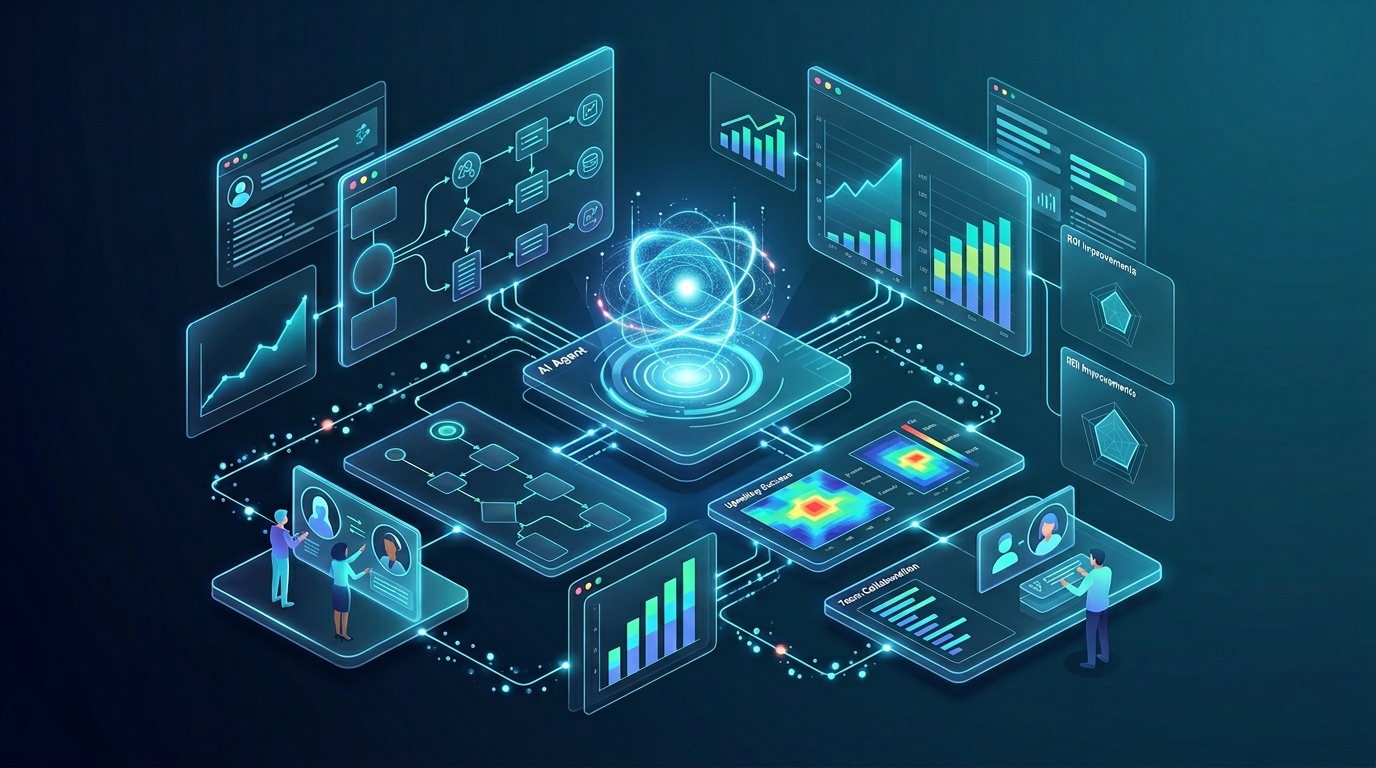
The answer starts with knowing what to exclude. Generic chatbot platforms and broad-purpose automation tools lack the hospitality-specific training data needed to distinguish a first-time guest from a loyal regular, or to recognize that a table celebrating a milestone warrants a different offer than a quick weekday lunch.
Seek vendors whose core product is built around hospitality revenue optimization — not adapted from a customer service bot. Vynta AI’s hospitality agents are bespoke solutions designed specifically for luxury venues including restaurants, premium bars, nightclubs, and beach clubs. They’re not repurposed off-the-shelf software with a hospitality skin applied.
Specialized vendors typically offer pre-trained models on restaurant transaction data, which means faster deployment and higher recommendation accuracy from day one. Evaluate them through their hospitality client portfolio, not their general automation credentials.
What to Look for in a Premium Upselling Agent
- Guest profile building from reservation and order history
- Real-time contextual triggers tied to order progression
- High-margin item prioritization within recommendations
- Multichannel delivery: tableside tablet, server app, digital menu
- A/B testing capability for offer messaging and timing
- Acceptance rate tracking by offer type and guest segment
Agents that only surface “most popular items” miss the premium opportunity entirely. The right system identifies which guest, at which moment, is most receptive to a reserve wine or a tasting menu upgrade — then delivers that offer through the appropriate channel without interrupting service flow. Vynta AI agents support brand-safe upselling tailored to guest profiles and channel specifics, with the ability to increase average guest spend by up to 25%.
Integration: The Make-or-Break Factor
Your AI agent must connect directly with your POS system to access live order data, your reservation platform for guest history, and your inventory system to avoid promoting items that are eighty-sixed for the evening. Agents operating in isolation from these systems produce irrelevant recommendations that erode guest trust fast.
Prioritize vendors offering native integrations with major hospitality platforms. Vynta AI agents integrate in real time with CRMs like SevenRooms, synchronizing guest data, reservations, tags, and updates automatically. Custom API builds are viable but extend implementation timelines and introduce ongoing maintenance obligations. Get a clear picture of system compatibility before any procurement conversation advances.
Why Vertical Specialization Is Non-Negotiable
A vendor specializing in hospitality automation understands that upselling a dessert differs fundamentally from upselling a software subscription. Timing, tone, and guest psychology are industry-specific. Vynta AI’s hospitality solutions are bespoke, fully customizable to brand tone and business rules, and built around guest experience outcomes rather than generic conversion metrics borrowed from e-commerce.
I’ve seen this same principle validated across every vertical we work in. The way our AI-Powered Fundraising Platform produces better outcomes than repurposed general tools isn’t coincidence — it’s the result of domain-specific design. Restaurant upselling AI demands exactly the same depth of knowledge to deliver genuine revenue impact.
The ROI of Intelligent Upselling: Quantifying Your Investment
What Missed Upsell Opportunities Are Actually Costing You
Every table that leaves without accepting a premium offer represents recoverable revenue. Take a 50-seat restaurant turning three covers per seat nightly, with staff converting upsells in only 20% of interactions. That gap is significant. AI agents outperform manual suggestive selling because they never forget to offer, standardize timing across every shift, and remove the awkwardness some staff feel when presenting premium options to guests they’ve just met.
Projecting Revenue Growth Without Overpromising
Operators who deploy hospitality-specific AI upselling report meaningful increases in average check value, particularly on wine, dessert, and premium protein upgrades. Model conservatively when building your business case: a 12-15% lift in check average across your highest-traffic dayparts may cover implementation costs within the first quarter of deployment, though actual timelines vary by operation. At Vynta AI, we provide ROI projections during the discovery and assessment phase — the numbers should be grounded in your actual data, not vendor marketing slides.
Staff Efficiency: The Underrated Gain
AI upselling agents recapture staff attention for service quality rather than scripted selling. Servers freed from memorizing upsell sequences focus on hospitality, table reading, and problem resolution. This reallocation reduces training time for new hires and can improve guest satisfaction scores independent of revenue gains.
Vynta AI agents are designed to support staff, not replace them. VIP guests and complex queries escalate to human care through configurable rules — because some moments require a person, not a prompt.
The Compounding Value of Guest Loyalty
Guests who accept well-timed, genuinely relevant premium offers tend to return more frequently. The compounding effect of loyalty on lifetime guest value can exceed any single check increase. Track repeat visit frequency among guests who engaged with AI-driven offers versus those who didn’t — that gap often validates the investment far beyond initial revenue metrics.
Implementing Your AI Upselling Solution: A Practical Roadmap
Set Your Baseline Before You Evaluate Anyone
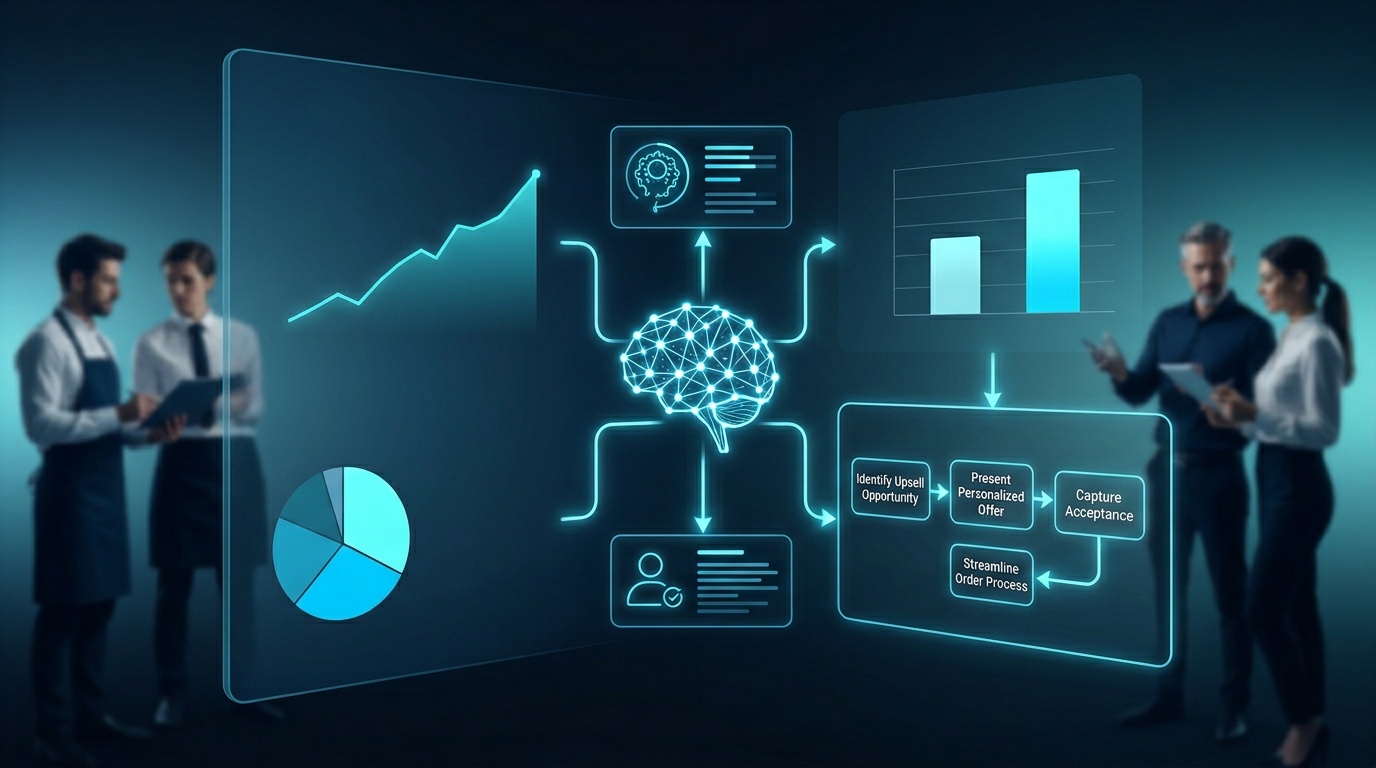
Before speaking to a single vendor, define your baseline metrics: current upsell acceptance rate, average check by daypart, and staff time allocated to suggestive selling. Without a baseline, you can’t measure improvement — and you certainly can’t hold a vendor accountable to outcomes.
The Questions Worth Asking Every Vendor
Ask for hospitality-specific case studies, not general automation results. Confirm POS integration compatibility before any contract discussion. Request a pilot scope covering 60 to 90 days with success metrics agreed upon in advance.
Answering where to purchase AI agents for premium restaurant upsells ultimately comes down to which vendor can demonstrate hospitality-specific results — not just technical capability. With Vynta AI, the process runs through discovery, strategy, and implementation phases. The solution is calibrated to your operation before it goes live, not shipped and left to sink or swim.
Start Narrow, Then Expand
Start with your highest-margin daypart and a single upsell category — wine or dessert, for example — before expanding across the full operation. Staff adoption accelerates when early wins are visible and the tool reduces their workload rather than adding a new layer of complexity to their shift.
Continuous Optimization: The Work Doesn’t Stop at Launch
AI upselling agents improve with data volume. Schedule monthly reviews of acceptance rates by offer type, guest segment, and channel. Retire low-performing offers quickly and test new messaging variants regularly.
We apply this same discipline across every vertical we work in — including the continuous donor engagement optimization built into our AI-Powered Fundraising Platform. Consistent iteration produces compounding returns. Set-and-forget is not a deployment strategy; it’s a revenue leak.
Frequently Asked Questions
Which AI is best for restaurants for upselling?
The best AI for restaurants is one specifically designed for hospitality, not a generic platform. These specialized AI agents are trained on industry-specific data to understand guest behavior and contextual upselling. Look for vendors whose core product focuses on restaurant revenue optimization and guest personalization.
Which AI agent should I consider for improving restaurant upsells?
When choosing an AI agent for restaurant upsells, prioritize vendors with hospitality-specific training data and strong POS integration. The agent should build guest profiles, trigger offers contextually, and prioritize high-margin items. Vynta AI agents, for example, are bespoke solutions designed for luxury hospitality, integrating with systems like SevenRooms to increase average guest spend by up to 25%.
What is the 30/30/30 rule for restaurants?
The 30/30/30 rule is a general guideline for restaurant profitability, suggesting 30% for food costs, 30% for labor, and 30% for overhead, leaving 10% profit. While not directly an AI concept, AI agents contribute by increasing revenue per guest through intelligent upselling. This can help improve the profit margin component of that rule.
Who are the leading AI agents for restaurant upselling?
For restaurant upselling, the focus should be on specialized AI agents built for hospitality, rather than general AI solutions. These specialized solutions offer pre-trained models on restaurant transaction data for higher accuracy and faster deployment. Evaluate vendors based on their hospitality client portfolio and specific features for revenue optimization.
How can AI agents impact a restaurant's sales and overall value?
While AI agents don’t directly determine a business’s value, they significantly impact sales and profitability, which are key valuation factors. By increasing average guest spend by up to 25% through personalized premium upsells, AI agents boost revenue. They also reduce operational costs by 30% and improve guest satisfaction, contributing to long-term business value.
What exactly are AI agents in a restaurant setting?
In restaurants, AI agents are software systems that analyze guest behavior, order history, and real-time context. They recommend high-margin items at the right moment, adapting suggestions based on table spend, preferences, and menu performance. These agents connect guest data, menu intelligence, and timing logic to create personalized revenue opportunities.
Why is specialized AI important for premium restaurant upsells?
Premium upsells require contextual intelligence that generic AI platforms cannot provide. Specialized AI agents, like Vynta AI, are trained on hospitality-specific data to understand nuances like guest celebration status or past visit behavior. This allows them to deliver genuinely attentive offers that feel personalized, rather than scripted, driving higher acceptance rates.