

what is customers relationship management
Customer Relationship Management Definition and Core Purpose
What is customer relationship management? CRM is a business strategy and supporting technology that centralizes every customer interaction–from first contact through long-term loyalty–into a single system. It lets teams track relationships, automate follow-ups, and make data-driven decisions that grow revenue.
Basic Definition of CRM
Customer relationship management combines strategy, process, and software to manage how a business interacts with prospects and existing customers. The goal is straightforward: increase retention, improve conversion rates, and reduce the cost of acquiring new business. At its core, CRM is organized, scalable relationship-building–nothing more complicated than that.
Historical Development of CRM Systems
CRM evolved from paper Rolodexes and spreadsheets in the 1980s into dedicated database tools by the early 1990s. Salesforce commercialized cloud-based CRM in 1999, making enterprise-grade contact management accessible to smaller businesses. Today, AI-powered automation layers on top of that foundation, enabling predictive lead scoring, automated outreach, and real-time analytics.
Four Main Types of CRM and Their Business Focus
Each CRM type serves a distinct operational purpose:
- Operational CRM: Automates sales, marketing, and service workflows to reduce manual tasks.
- Analytical CRM: Processes customer data to surface patterns, predict behavior, and guide strategy.
- Collaborative CRM: Aligns departments by sharing customer information across sales, support, and marketing teams.
- Strategic CRM: Focuses on long-term relationship value rather than individual transactions–common in hospitality and fundraising where donor or guest lifetime value drives decisions.
Key Components of CRM Systems
Contact and Lead Management
Every CRM system starts with a centralized contact database. Each record stores interaction history, communication preferences, deal stage, and engagement scores. For a recruitment firm, this means every candidate profile is instantly accessible. For a hotel operator like Maria, every returning guest’s preferences are visible before check-in–enabling personalized service without relying on staff memory.
Sales Pipeline and Activity Tracking
Pipeline tools give teams a visual map of every deal from initial inquiry through close. Managers see where revenue is stalling, which representatives need support, and which leads require immediate follow-up. Real estate agencies use pipeline tracking to monitor every property inquiry across dozens of active listings without losing a single prospect in a spreadsheet.
Marketing Automation and Customer Service Tools
CRM platforms automate email sequences, follow-up reminders, and segmented campaigns based on contact behavior. Customer service modules log support tickets, track resolution times, and flag at-risk accounts. Fundraising organizations use these tools to maintain consistent donor communication between campaigns–which directly improves retention rates.
Analytics for Data-Driven Decisions
Reporting dashboards convert raw activity data into actionable intelligence. Teams track conversion rates, average deal size, response times, and customer lifetime value. Understanding customer relationship management at the analytics level means recognizing that data visibility separates reactive teams from proactive ones. That gap shows up directly in revenue.
| CRM Component | Primary Function | Vertical Application |
|---|---|---|
| Contact Management | Centralize interaction history | Guest profiles in hospitality |
| Pipeline Tracking | Visualize deal progression | Property inquiries in real estate |
| Marketing Automation | Automate outreach sequences | Donor campaigns in fundraising |
| Analytics | Measure conversion and retention | Placement rates in recruitment |
The Customer Relationship Management Process Step by Step
Step 1: Reach Potential Customers
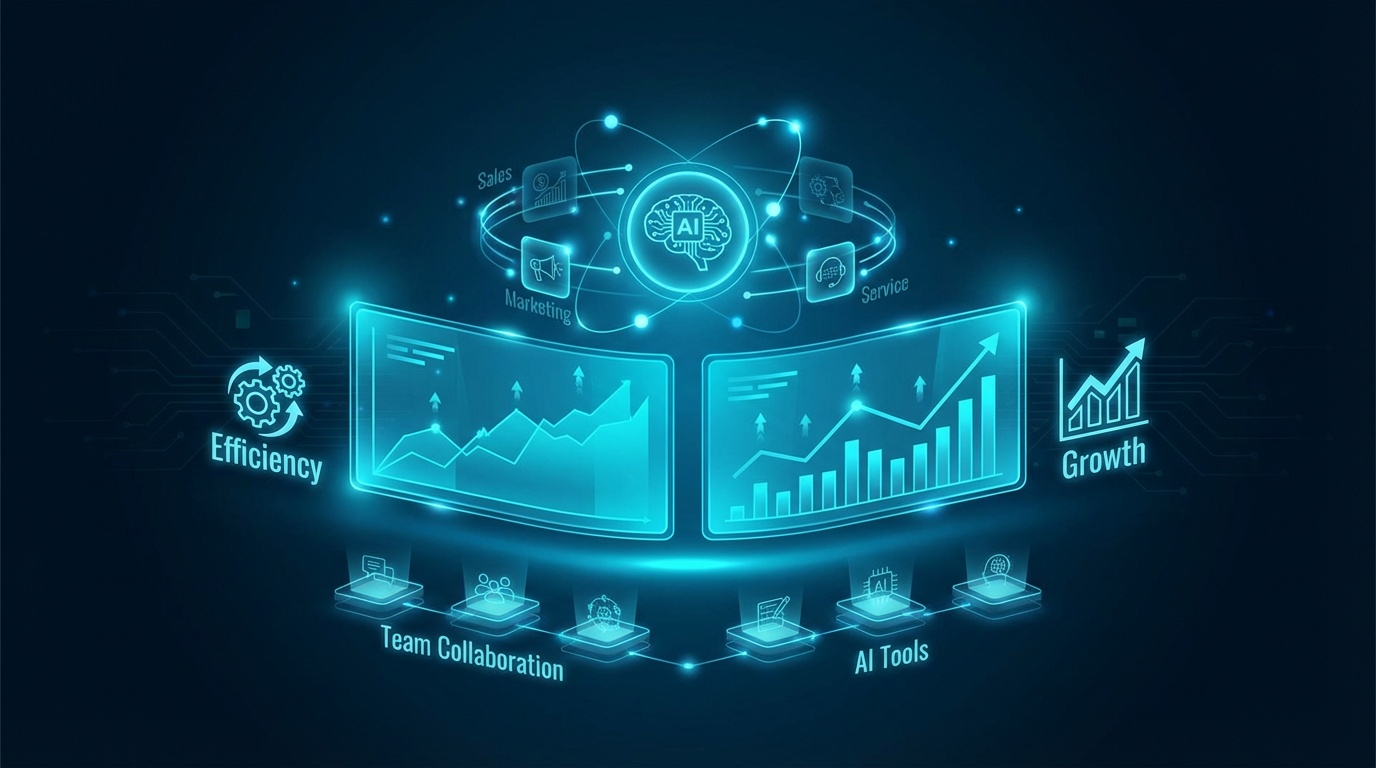
The process begins with targeted outreach. CRM systems segment audiences by behavior, location, or intent so marketing efforts reach the right people. A recruitment agency targets passive candidates by industry and seniority. A real estate agency targets buyers by budget range and neighborhood preference. Precision at this stage reduces wasted spend significantly–and that’s where most businesses see their first measurable win.
Step 2: Acquire and Convert Leads
Once a prospect engages, the CRM captures the contact, assigns it to the right team member, and triggers an automated follow-up sequence. Lead scoring ranks prospects by conversion likelihood, so sales teams prioritize high-value opportunities first. This is where the customer relationship management process translates directly into revenue impact–faster response times, fewer dropped leads, and higher close rates.
Step 3: Retain Customers Through Ongoing Engagement
Retention requires consistent, relevant communication after the first transaction. CRM tools automate check-in emails, renewal reminders, and satisfaction surveys. Hospitality operators use post-stay sequences to collect reviews and promote return visits, turning a single booking into a long-term guest relationship. See how Vynta AI Agents for Hospitality streamline guest engagement and loyalty at scale.
Step 4: Build Long-Term Loyalty
Loyalty programs, personalized offers, and milestone recognition convert satisfied customers into advocates. CRM data identifies your highest-value relationships so teams invest attention where it generates the greatest return. Fundraising organizations use this stage to identify major gift prospects from their existing donor base–maximizing lifetime contribution value without cold prospecting.
What CRM Does Well for Loyalty
- Tracks full relationship history for personalized outreach
- Automates loyalty touchpoints at scale
- Identifies high-value customers for priority service
Where CRM Requires Human Judgment
- Emotionally sensitive conversations need human handling
- Complex negotiations require relationship intuition
- Brand perception is shaped by people, not software
CRM Process Strengths
- Creates a repeatable, scalable system for every customer stage
- Reduces revenue lost to missed follow-ups
- Enables personalization at scale across high-volume operations
Implementation Challenges
- Requires consistent data entry discipline across teams
- Initial setup demands time investment before ROI appears
- Poorly configured pipelines can obscure performance rather than reveal it
CRM Benefits Proven by Real Business Metrics
Efficiency Gains and Cost Reductions
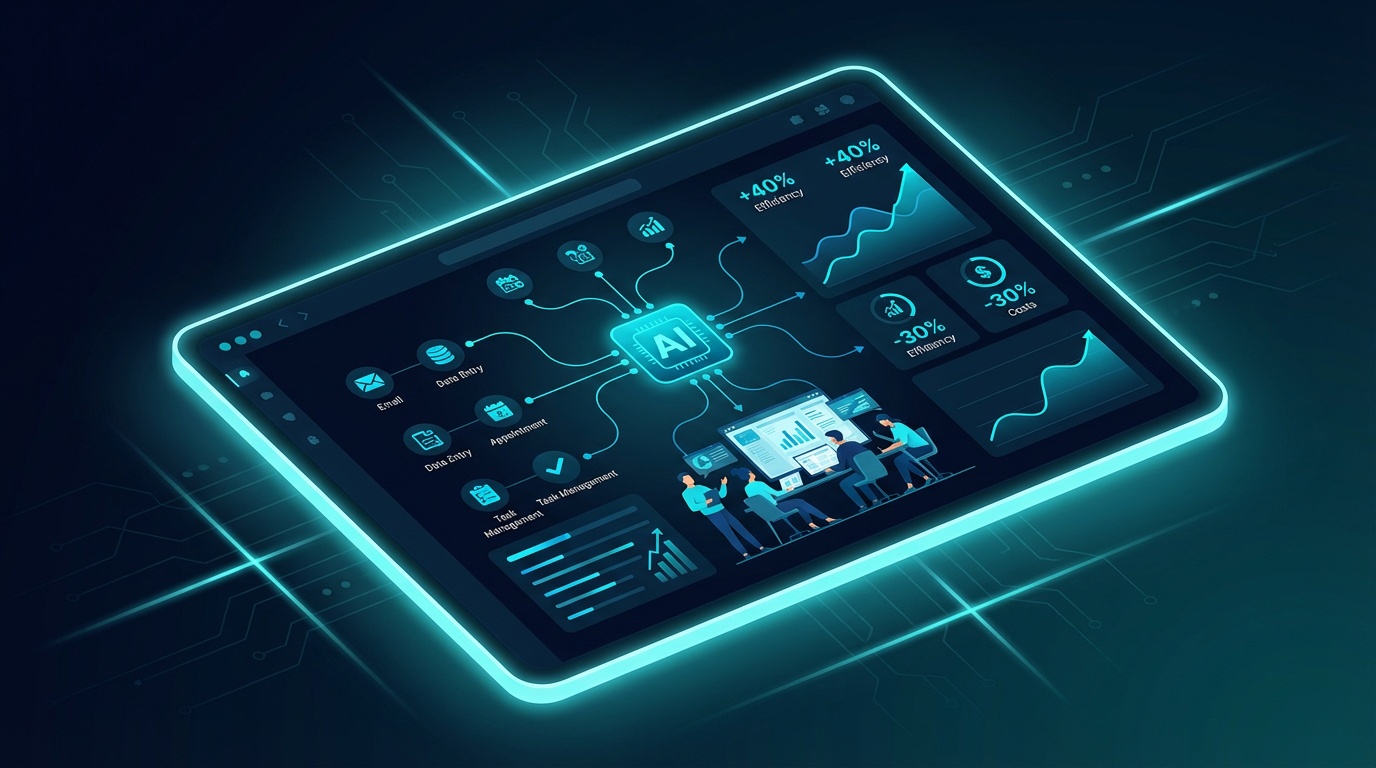
Automating routine tasks–follow-up emails, appointment reminders, data entry–recovers hours of productive time every week. Teams that previously managed relationships across disconnected spreadsheets consolidate everything into one system. The result: lower administrative overhead and a measurably reduced cost per customer acquired. I’ve seen mid-market teams cut manual follow-up time by over 60% within the first quarter of proper CRM implementation.
Revenue Growth from Better Customer Insights
CRM analytics surface which customer segments convert at the highest rates and which touchpoints drive decisions. Real estate agencies identify which property types generate the fastest closings. Recruitment firms track which sourcing channels produce the strongest placements. Acting on this data directly increases revenue per team member. For an academic perspective on CRM impact, consult the NBER working paper that explores efficiency in customer targeting.
Team Collaboration and Reduced Manual Work
Shared CRM access eliminates the information silos that cause dropped handoffs between sales and service teams. Every team member sees the full relationship history before any customer interaction–no redundant questions, no repeated outreach, no “I didn’t know you’d already spoken to them.” According to HBR research on CRM value, effective cross-team access drives measurable performance improvements across departments.
AI-Powered CRM Automation for Real Estate, Recruitment, Fundraising, and Hospitality
Traditional CRM vs. Vynta AI Agents
Standard CRM tools store and organize data well. What they don’t do is act on it. That’s the gap Vynta AI agents fill–moving from passive record-keeping to active, behavior-triggered execution.
| Capability | Traditional CRM | Vynta AI Agents |
|---|---|---|
| Lead qualification | Manual scoring by sales representative | Automated real-time scoring |
| Follow-up timing | Representative-dependent scheduling | Behavior-triggered sequences |
| Personalization | Template-based messaging | Dynamic, context-aware outreach |
| Reporting | Manual dashboard review | Predictive performance alerts |
Lead Qualification in Real Estate and Candidate Screening in Recruitment
Vynta AI agents qualify inbound property inquiries against buyer criteria automatically, routing only serious prospects to agents. In recruitment, AI screens candidate profiles against job requirements before a human reviewer engages–cutting screening time while improving match quality. See how Agentic Systems for Recruitment are designed to sharpen hiring decisions without increasing headcount.
Fundraising Outreach and Hospitality Guest Optimization
Fundraising teams use AI agents to segment donor databases, personalize outreach by giving history, and schedule follow-ups at optimal times. Hospitality operators automate pre-arrival communications, upsell room upgrades based on guest history, and reduce no-shows through intelligent reminder sequences. Our AI-Powered Fundraising Platform shows what that looks like in practice for donor engagement at scale.
Implementation Steps and ROI Expectations
AI-augmented CRM delivers results progressively, not overnight. Initial setup connects your existing data sources. Within 30 days, automated workflows replace manual tasks. By 90 days, analytics identify specific optimization opportunities your team can act on. Mid-market SMEs across all four verticals typically see measurable efficiency gains within the first quarter–though timelines vary based on existing data infrastructure and team adoption speed.
Frequently Asked Questions
What is meant by customer relationship management?
Customer Relationship Management, or CRM, is a business strategy supported by technology that centralizes every customer interaction from first contact to long-term loyalty. It helps businesses manage how they interact with prospects and existing customers, aiming to increase retention and improve conversion rates. At its core, CRM is about organized, scalable relationship-building, enabling data-driven decisions for revenue growth across every touchpoint.
What are the four main types of CRM?
There are four main types of CRM, each serving a distinct operational purpose. Operational CRM automates sales, marketing, and service workflows to reduce manual tasks. Analytical CRM processes customer data to surface patterns, predict behavior, and guide strategy. Collaborative CRM aligns departments by sharing customer information, and Strategic CRM focuses on long-term relationship value rather than individual transactions.
What are the four stages of the CRM process?
The customer relationship management process typically involves four key stages. It begins with reaching potential customers through targeted outreach and audience segmentation. Next, businesses acquire and convert leads by capturing contacts and prioritizing high-value opportunities. Retention is built through ongoing engagement with automated communications and surveys. Finally, businesses build long-term loyalty with personalized offers and recognition, turning satisfied customers into advocates.
What is CRM and can you give some examples of its use?
CRM is a comprehensive approach combining strategy, process, and software to manage all customer interactions, aiming to grow customer value. For example, a hotel operator uses CRM to make every returning guest’s preferences visible before check-in, enabling personalized service at scale. Real estate agencies use pipeline tracking to monitor property inquiries across dozens of listings without losing a single prospect.
Is CRM just software?
No, CRM is not solely software; it is a broader business discipline. While technology provides the tools, CRM truly represents a strategic approach and a repeatable, measurable process for managing customer relationships. The software serves as the central system that enables teams to execute this strategy effectively, driving customer value across every touchpoint.