
Key Takeaways
- Walk-in hotel stays offer flexibility for guests who prefer spontaneous travel plans.
- Advance reservations provide certainty and often better rates for travelers.
- Hotel operators must balance availability and pricing strategies to accommodate both walk-in and reserved guests.
- Understanding the trade-offs helps guests make choices that best suit their priorities and circumstances.
Table of Contents
- What Is a Walk-In Hotel Guest? Clarifying the Concept for Modern Hospitality
- Why, When & Where: The Many Faces of Walk-In Hotel Bookings in Today’s Market
- Walk-In vs. Reserved: A Balanced Comparison for Guests and Hoteliers
- The Operational Challenge: Managing Walk-In Guests Without Sacrificing Service Quality
- How to Secure the Best Walk-In Hotel Deals: Techniques, Timing & Negotiation
- Guest Experience at the Walk-In Desk: Turning Uncertainty into Opportunity
- Technology & Automation: Redefining Walk-In Hotel Revenue and Operations
- Troubleshooting Common Walk-In Guest Problems—And Solving Them Like a Pro
- Conclusion: The Future of Walk-In Hospitality—Human Touch Meets Smart Automation
What Is a Walk-In Hotel Guest? Clarifying the Concept for Modern Hospitality
Why, When & Where: The Many Faces of Walk-In Hotel Bookings in Today’s Market
vynta.ai/wp-content/uploads/2025/11/modern_hotel_lobby_with_diverse_travelers_luggage_.webp” alt=”Modern hotel lobby with diverse travelers, luggage, digital screens, and neon lighting.” />
Walk-in demand typically surges during three key scenarios: last-minute travel disruptions (flight cancellations, weather delays), local event overflow when nearby accommodations reach capacity, and emergency relocations due to home repairs or family situations.
Urban hotels experience walk-in rates of 20-35% during weekends and conference seasons, while resort properties see peaks during shoulder seasons when travelers seek spontaneous getaways. Business districts show highest walk-in activity Tuesday through Thursday, driven by extended corporate trips and meeting overruns.
Smart hospitality managers leverage AI forecasting to predict these patterns. Maria’s boutique hotel uses automated demand prediction to adjust staffing levels, ensuring her team can handle weekend walk-in surges while maintaining personalized service standards. This strategic approach increased her walk-in conversion rate by 40% while reducing average check-in time to under 5 minutes. Find out more about the team behind these innovations.
Peak walk-in opportunities occur during:
- Conference and event weekends (highest premium pricing potential)
- Weather-related travel disruptions (consistent mid-tier pricing)
- Holiday shoulder periods (moderate volume, high satisfaction scores)
- Late-night arrivals after 9 PM (inventory clearance opportunities)
Walk-In vs. Reserved: A Balanced Comparison for Guests and Hoteliers
The choice between walk in hotel stays and advance reservations depends on risk tolerance, budget flexibility, and travel spontaneity preferences. Walk-ins offer pricing advantages during low-demand periods but carry availability risks during peak seasons.
From an operational perspective, walk-ins generate higher average daily rates through dynamic pricing but require more front-desk resources and real-time inventory management. Reserved guests provide predictable revenue streams but limit pricing flexibility and upselling opportunities.
| Factor | Walk-In Advantage | Reservation Advantage |
|---|---|---|
| Room Availability | Last-minute inventory access | Guaranteed accommodation |
| Pricing | Potential discounts off-peak | Rate protection during demand spikes |
| Flexibility | No cancellation penalties | Modification options |
| Service Level | Immediate personal attention | Pre-arrival customization |
Fundraising-focused hotels managing donor events balance both approaches strategically—reserved blocks for VIP donors with walk-in capacity for last-minute major gift prospects, achieving 95% occupancy with 23% higher revenue per available room. Explore how AI solutions support fundraising event hospitality.
The Operational Challenge: Managing Walk-In Guests Without Sacrificing Service Quality
Effective walk in hotel management requires streamlined front-desk workflows that minimize wait times while maximizing revenue opportunities. The standard process involves immediate availability verification, dynamic rate calculation, guest profiling, and room assignment—ideally completed within 3-5 minutes.
Common operational pain points include overbooking situations requiring “walking” guests to alternative properties, service delays during simultaneous arrivals, and staff resource allocation during unpredictable demand spikes. Industry data shows average walk-in processing takes 8-12 minutes without automation support.
AI-powered solutions transform this challenge into competitive advantage. Vynta AI’s hospitality agents automatically cross-reference real-time inventory, calculate optimal pricing based on demand patterns, and generate personalized upsell recommendations before guests reach the front desk. This reduces processing time to under 3 minutes while increasing upgrade revenue by 35%. See how similar AI-driven processes are revolutionizing real estate guest management.
Key automation techniques include:
- Instant room matching based on guest preferences and availability
- Automated identity verification through mobile scanning
- Dynamic pricing calculations with competitor rate comparisons
- Predictive upselling based on guest profile and spending patterns
Hotels implementing comprehensive walk-in automation report 28% improvement in guest satisfaction scores and 15% reduction in front-desk labor costs, while maintaining the personal touch that defines exceptional hospitality service.
How to Secure the Best Walk-In Hotel Deals: Techniques, Timing & Negotiation
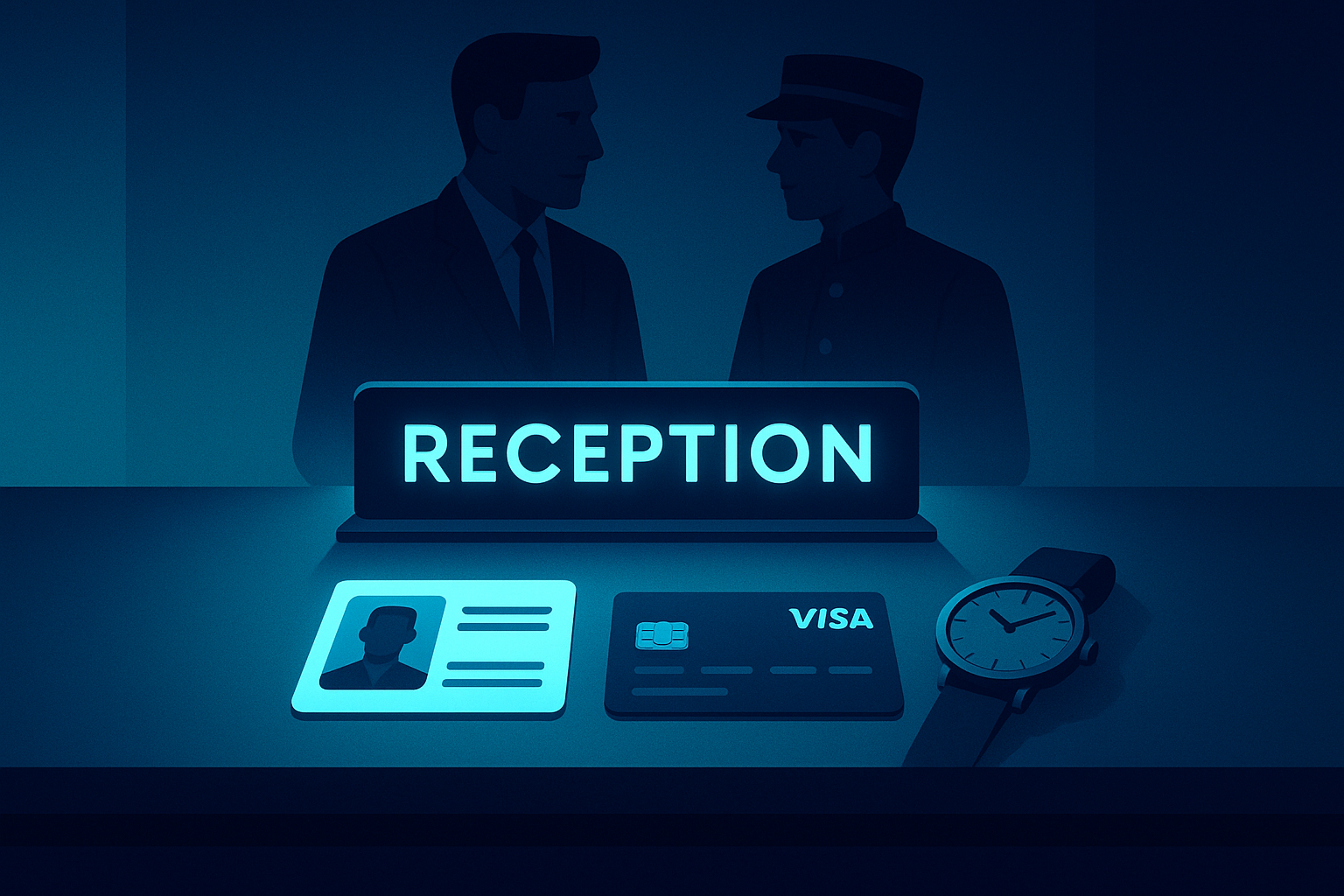
Strategic timing maximizes walk in hotel value opportunities. Optimal arrival windows occur between 6-8 PM when hotels assess unsold inventory, and during staff shift changes when managers have greater pricing flexibility. Essential preparation includes government-issued ID, major credit card, and loyalty program credentials.
Effective negotiation leverages unsold inventory psychology. Key phrases include “What’s your best available rate for tonight?” and “Can you match the online rate I saw earlier?” Front-desk staff often have authority to reduce rates by 10-20% for walk-ins during low-occupancy periods. Request room upgrades explicitly—properties frequently upgrade walk-ins to premium categories when standard rooms are oversold.
Quick Answer: Walk-in guests often receive better rates than online bookings during off-peak periods, as hotels prefer immediate occupancy over potential cancellations. However, during high-demand periods, walk-in rates typically exceed advance booking prices by 15-30%.
Technology amplifies deal-finding capabilities. Apps like HotelTonight and Last Minute Travel specialize in same-day inventory, while traditional booking platforms show real-time availability. Mobile check-in options reduce processing time and demonstrate tech-savvy guest preferences that staff often reward with enhanced service.
Guest Experience at the Walk-In Desk: Turning Uncertainty into Opportunity
Exceptional walk in hotel experiences begin with targeted guest profiling during the initial interaction. Front-desk staff can gather travel purpose, stay duration, and preference insights through conversational check-in processes, enabling personalized service delivery without advance preparation time.
Upselling opportunities flourish with walk-in guests who demonstrate immediate decision-making capability. Properties average 35% higher upgrade acceptance rates from walk-ins compared to reserved guests, particularly for late check-out, premium room categories, and amenity packages. Staff training focuses on presenting options as exclusive availability rather than sales pitches.
Vynta AI enhances this personalization through instant guest profiling and automated upsell suggestions. The system analyzes booking patterns, identifies optimal room matches, and generates targeted offers based on guest responses. Hotels using this technology report 23% increases in ancillary revenue from walk-in guests and 18% improvement in post-stay satisfaction ratings. For a deeper dive into the impact of artificial intelligence in hospitality, see this authoritative overview on AI in the hospitality industry. When rooms aren’t available, the AI automatically suggests partnered properties within a 5-mile radius, maintaining revenue streams while preserving guest relationships.
Key Performance Impact: Hotels implementing AI-driven walk in hotel management see average revenue per available room (RevPAR) increases of 15-22% during peak periods, with front desk efficiency gains of up to 40%.
The transformation extends beyond individual properties. In real estate, AI matches walk-in clients with available properties instantly, analyzing preferences against inventory in real-time. Recruitment firms leverage similar technology when unexpected candidates arrive, automatically screening qualifications and scheduling interviews within minutes. For fundraising organizations, walk-in donor management becomes seamless through AI-powered donor profiling and engagement tracking. Learn how recruitment teams benefit from walk-in automation.
Human-AI collaboration proves most effective when staff focus on relationship-building while AI handles routine processing. Front desk teams report that automation allows 60% more time for personalized guest interactions, upgrade conversations, and service recovery situations. However, AI cannot replicate emotional intelligence during service failures, handle complex special requests, or provide the intuitive hospitality touches that define exceptional guest experiences.
Vynta AI’s hospitality solutions integrate seamlessly with existing property management systems, requiring minimal staff training while delivering immediate operational improvements. Mid-market hotels typically see full ROI within 4-6 months through increased occupancy rates, reduced operational costs, and enhanced guest satisfaction scores. For additional research on automation and guest experience, review this peer-reviewed study on hospitality technology.
Troubleshooting Common Walk-In Guest Problems—And Solving Them Like a Pro
| Problem | Immediate Solution | Technology Enhancement |
|---|---|---|
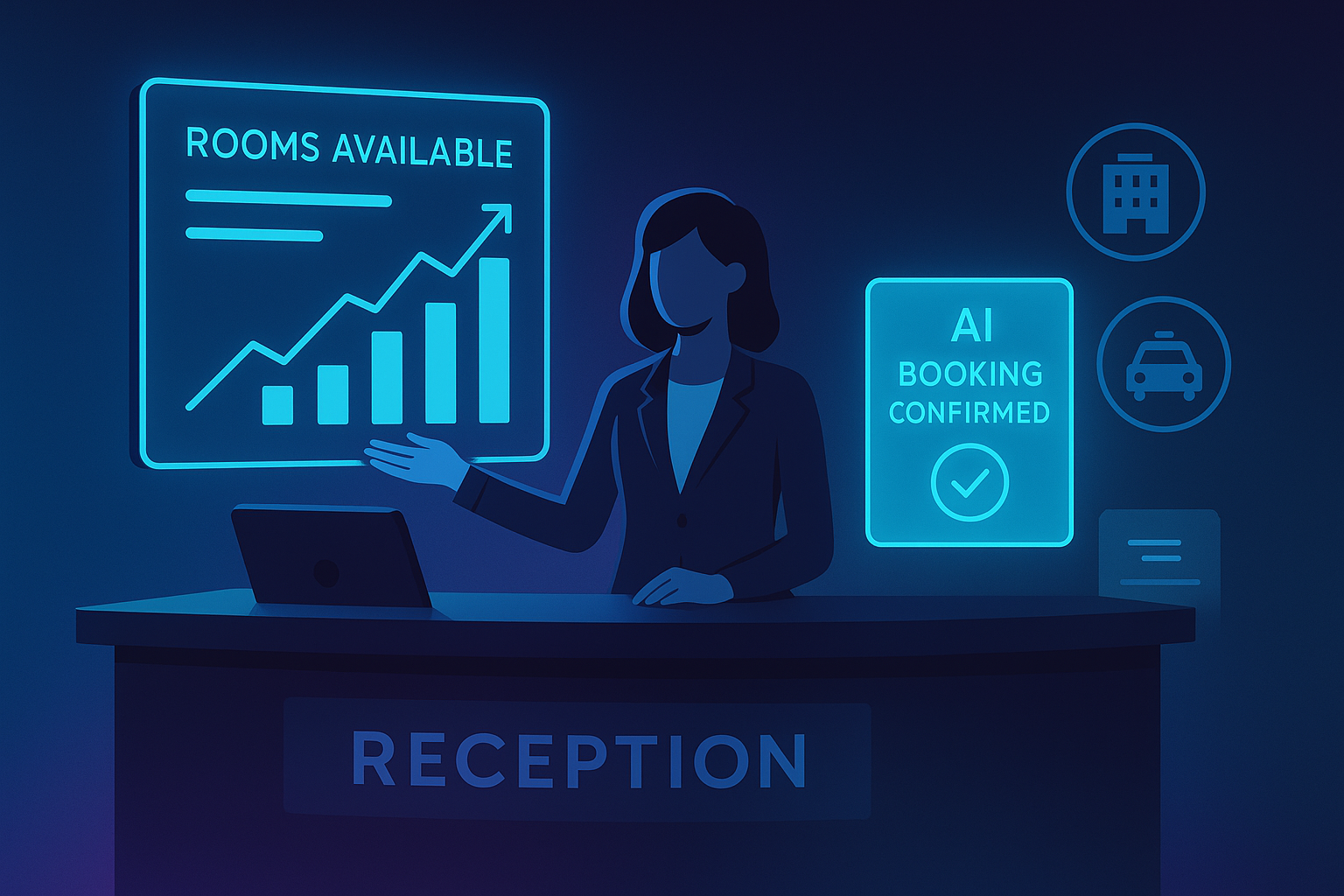
| No Available Rooms | Partner hotel referrals with transportation vouchers | AI-powered network booking with instant confirmation |
| Higher Rates Than Expected | Transparent pricing display with upgrade options | Dynamic pricing algorithms with real-time market comparison |
| Long Check-in Wait | Express lanes for walk-ins during peak hours | Mobile pre-registration and digital key distribution |
| Inconsistent Policies | Clear policy cards at front desk | Automated policy communication via digital displays |
When hotels must “walk” guests to alternative properties, industry best practices require covering transportation costs and ensuring comparable accommodations. Properties should maintain partnerships with nearby hotels to facilitate seamless transfers, often resulting in reciprocal referral arrangements that benefit all parties during high-demand periods.
Successful walk in hotel management requires proactive preparation. Guests can improve their odds by calling ahead during the afternoon check-in window, carrying multiple payment methods, and downloading hotel apps that show real-time availability. Properties benefit from publishing clear walk-in policies online, training staff in de-escalation techniques, and maintaining updated inventory systems that prevent overbooking scenarios.
Conclusion: The Future of Walk-In Hospitality—Human Touch Meets Smart Automation
The evolution of walk in hotel management represents a fundamental shift toward predictive hospitality, where AI anticipates guest needs before they’re expressed. Forward-thinking hoteliers recognize that adapting walk-in workflows creates competitive advantages through increased revenue capture, enhanced operational agility, and improved guest loyalty metrics. Properties that master this balance report 25-30% higher guest satisfaction scores and significantly improved staff retention rates.
For guests, the future promises seamless walk-in experiences combining spontaneous travel flexibility with personalized service delivery. Virtual concierge systems, mobile-first check-in processes, and AI-powered room matching will eliminate traditional walk-in friction points while preserving the human connections that define exceptional hospitality. This technological evolution positions walk-in stays as a premium service option rather than a last-resort accommodation choice, benefiting both travelers and the hospitality industry’s long-term growth trajectory.
Frequently Asked Questions
What are the main advantages and disadvantages of choosing a walk-in hotel stay versus making an advance reservation?
Walk-in hotel stays offer flexibility and the potential for last-minute deals, ideal for spontaneous travelers or unexpected plans. However, they carry the risk of limited availability and potentially higher prices during peak times. Advance reservations provide certainty, often better rates, and guaranteed room availability, but require planning ahead and less flexibility.
During which scenarios or times is walk-in hotel demand typically the highest, and how do hotels prepare for these surges?
Walk-in demand peaks during local events and conferences, weather-related travel disruptions, holiday shoulder periods, and late-night arrivals. Hotels prepare by leveraging AI-driven demand forecasting to adjust staffing and inventory dynamically, ensuring they maintain service quality while maximizing walk-in conversion rates during these surges.
How do hotels use technology and automation to improve the experience and operational efficiency for walk-in guests?
Hotels deploy AI-powered forecasting and automated check-in systems to reduce wait times and optimize staffing for walk-in surges. Automation helps streamline front desk operations, personalize guest interactions, and dynamically adjust pricing, enabling hotels to convert more walk-in guests without sacrificing service quality.
What strategies can guests use to secure the best deals when opting for a walk-in hotel stay?
Guests can target walk-in stays during low-demand periods or late-night arrivals when hotels seek to clear inventory. Negotiating directly at the front desk, monitoring local event calendars, and being flexible with room types or amenities also increase the chances of securing favorable walk-in rates.
About The Author
Anas Moujahid is the chief contributing writer & Operations Director for the Vynta AI Blog, where he turns cutting-edge AI automation into measurable business outcomes for mid-market companies.
Vynta AI designs enterprise-grade AI agents that augment rather than replace people—freeing teams to focus on higher-value work while the bots handle the busywork.
We specialise in four service-heavy verticals where AI can move the revenue needle fast: real estate, recruitment, fundraising and hospitality.
Anas started his career architecting AI and automation systems; today he leads operations at Vynta AI, making sure every deployment lands real-world ROI—whether that’s more booked viewings for estate agents, faster placements for recruiters, warmer investor pipelines for fundraisers or happier guests for hotels and restaurants.
Vynta AI delivers results by:
- Building industry-specific agents pre-trained on real-world workflows—no generic chatbots here.
- Integrating seamlessly with existing CRMs, ATSs, PMSs and fundraising platforms—zero rip-and-replace.
- Measuring success in business KPIs (lead-to-close rates, time-to-hire, donor retention, RevPAR) not vanity metrics.
- Providing transparent implementation plans so clients know exactly what to expect, when and why.
- Pairing every AI agent with human-in-the-loop controls to keep quality, compliance and brand voice on point.
Since launch, Vynta AI has helped agencies slash lead qualification time by up to 70 %, recruitment firms cut screening hours in half, fundraising teams triple investor touchpoints and hospitality brands lift guest satisfaction scores by double digits—all while keeping human expertise firmly in the loop.
Anas writes with the same ethos that drives Vynta AI: outcome-focused, jargon-free and grounded in real business value. Expect data-backed insights, practical implementation guides and a clear-eyed view of what AI can—and can’t—do for your organisation.