

Key Takeaways
- The average cost of virtual receptionist services in 2025 varies based on the level of service and business size.
- Hospitality managers and service SMEs benefit from tailored pricing plans to meet specific operational needs.
- Understanding pricing structures helps businesses select the most cost-effective virtual receptionist solutions.
- Virtual receptionist services offer scalable options that can adapt as a business grows.
- Comparing different providers is essential to find the best balance between price and service quality.
Table of Contents
- What is a Virtual Receptionist? (Business Value for Hospitality & Service Leaders)
- Virtual Receptionist Pricing Models Explained
- Key Features Included in Virtual Receptionist Services
- How Virtual Receptionist Pricing Differs: AI vs. Human-Powered Solutions
- Main Factors Driving Virtual Receptionist Pricing
- Cost Savings & ROI – Virtual Receptionist vs. In-House Staff
- How to Choose the Right Virtual Receptionist Plan for Your Hospitality Business
- Troubleshooting, Overage Costs & Hidden Fees
- Best Virtual Receptionist Providers for Hospitality and Service Businesses (2025)
- Best Virtual Receptionist Providers for Hospitality (2025)
- Industry Trends & 2025 Pricing Outlook
Virtual Receptionist Pricing – 2025 Complete Guide for Hospitality Managers and Service SMEs
A virtual receptionist is a remote, live or AI-powered professional handling front-desk communications, calls, bookings, guest inquiries, for your business. Unlike simple answering services, virtual receptionists actively manage reservations, process payments, and execute upselling scripts tailored to your hospitality brand.
The distinction between human and AI-powered solutions matters significantly for hospitality managers. Human virtual receptionists excel at handling VIP guest requests and complex booking modifications, while AI-powered systems like Vynta’s hospitality agents manage routine reservation inquiries 24/7 at 40% lower cost. Maria, who manages a boutique hotel in Portland, improved her reservation capture rate by 30% using a hybrid approach, AI for after-hours bookings, human agents for premium guest services.
Virtual Receptionist Pricing Models Explained

Three primary virtual receptionist pricing models dominate the market: per-minute billing ($1.50-$3.25/minute), per-call charges ($3-$8/call), and flat monthly fees ($125-$685 with included minutes). Per-minute works best for hotels with unpredictable seasonal fluctuations, while flat monthly rates suit urban properties with consistent 400+ monthly calls. For a deeper look at how these models compare for hospitality, see virtual receptionist services tailored for the industry.
| Provider | Base Price | Included Minutes | Overage Rate |
|---|---|---|---|
| ReceptionHQ | $69/month | 50 minutes | $1.38/minute |
| Posh | $125/month | 100 minutes | $1.25/minute |
| Vynta | $89/month | Unlimited routine calls | $0.75/complex transfer |
Setup fees range from $0-$150, with integration costs for PMS systems adding $50-$200. Most providers charge 15-25% premiums for bilingual support and after-hours coverage, essential features for hospitality businesses serving diverse guest populations.
Key Features Included in Virtual Receptionist Services
Core features include 24/7 call answering, intelligent call routing, reservation scheduling, and guest query management. Premium plans add payment processing, multilingual support, and direct integration with hotel management systems like Opera or RMS Cloud. These integrations eliminate double-entry and reduce booking errors by up to 85%.
For hospitality businesses, prioritize these features: secure payment processing for deposits, personalized greeting scripts reflecting your brand voice, real-time availability checking, and escalation protocols for VIP guests. Advanced AI solutions can handle room preference requests, dietary restrictions, and special occasion arrangements without human intervention.
How Virtual Receptionist Pricing Differs: AI vs. Human-Powered Solutions
AI-powered virtual receptionist solutions typically cost 20-50% less than human-only services. While human agents charge $1.50-$3.25 per minute, AI systems like Vynta’s hospitality automation handle routine bookings for $0.15-$0.45 per interaction. The cost advantage becomes substantial for properties processing 200+ calls monthly.
However, virtual receptionist cost alone shouldn’t drive decisions. AI excels at handling 80% of routine reservations, cancellations, and basic inquiries with consistent accuracy. Human agents remain superior for complex group bookings, guest complaint resolution, and high-value customer retention scenarios. Hybrid models optimize both cost and service quality, AI for volume, humans for value.
Main Factors Driving Virtual Receptionist Pricing

Call volume directly impacts pricing, but seasonal fluctuations in hospitality create unique challenges. Properties experiencing 300% summer booking increases need scalable solutions without annual commitment penalties. Service hours matter significantly, 24/7 coverage costs 40-60% more than business-hours-only plans.
Industry-specific requirements drive premium pricing: PCI-compliant payment processing adds $25-$50 monthly, multilingual capabilities increase costs by 15-30%, and custom scripting for upselling packages ranges from $100-$300 setup fees. Contract terms offer savings, annual commitments typically reduce monthly fees by 10-15%.
Cost Savings & ROI – Virtual Receptionist vs. In-House Staff
The total cost of ownership for in-house front desk staff extends far beyond hourly wages. A full-time receptionist earning $35,000 annually costs approximately $50,000-$55,000 when factoring in benefits, payroll taxes, training, and infrastructure. Virtual receptionist pricing eliminates these overhead expenses while providing 24/7 coverage that would require multiple employees.
Hospitality businesses typically achieve 20-60% cost reductions by switching to virtual services. A boutique hotel spending $75,000 annually on front desk coverage can reduce costs to $30,000-$45,000 with a virtual receptionist, while gaining after-hours booking capabilities that increase revenue. The ROI calculation is straightforward: (Revenue Increase + Cost Savings – Virtual Service Cost) ÷ Virtual Service Cost × 100.
| Cost Factor | In-House Receptionist | Virtual Receptionist |
|---|---|---|
| Annual Base Cost | $50,000-$55,000 | $18,000-$36,000 |
| 24/7 Coverage | $150,000+ (3 FTE) | $24,000-$48,000 |
| Training & Onboarding | $2,000-$5,000 | $0-$500 |
| Equipment & Infrastructure | $3,000-$8,000 | $0 |
| Vacation/Sick Coverage | $8,000-$12,000 | Included |
Beyond direct savings, virtual receptionists capture revenue from missed calls, hospitality businesses lose an average of $2,400 monthly from unanswered booking inquiries. Professional call handling also improves guest satisfaction scores by 15-25%, driving repeat bookings and positive reviews that compound long-term revenue growth.
How to Choose the Right Virtual Receptionist Plan for Your Hospitality Business
Start by auditing your call volume for two weeks during typical business periods, tracking peak hours, seasonal variations, and call types. Most hospitality businesses handle 150-800 calls monthly, with restaurants averaging 200-400 and hotels ranging from 300-1,200 depending on size. Document must-have features like reservation booking, payment processing, and multilingual support based on your guest demographics.
Evaluate integration requirements with your existing systems, property management software, reservation platforms, and CRM tools. Leading virtual receptionist services offer direct integrations with major hospitality platforms like Opera, RMS, and OpenTable. Request specific setup timelines and data synchronization capabilities during vendor discussions. For more on the benefits of using a telephone answering service, see this guide to telephone answering services.
Hospitality Readiness Checklist:
- Call volume documented for 2+ weeks
- Peak hour patterns identified
- Integration requirements mapped
- Budget range established ($200-$800/month typical)
- Guest service standards defined
Test providers through free trials or pilot programs, focusing on call quality, response accuracy, and system integration performance. Ask vendors about escalation protocols for VIP guests, average response times, and quality assurance processes. Month-to-month contracts provide flexibility during the evaluation period, though annual commitments typically reduce virtual receptionist pricing by 10-15%.
Troubleshooting, Overage Costs & Hidden Fees
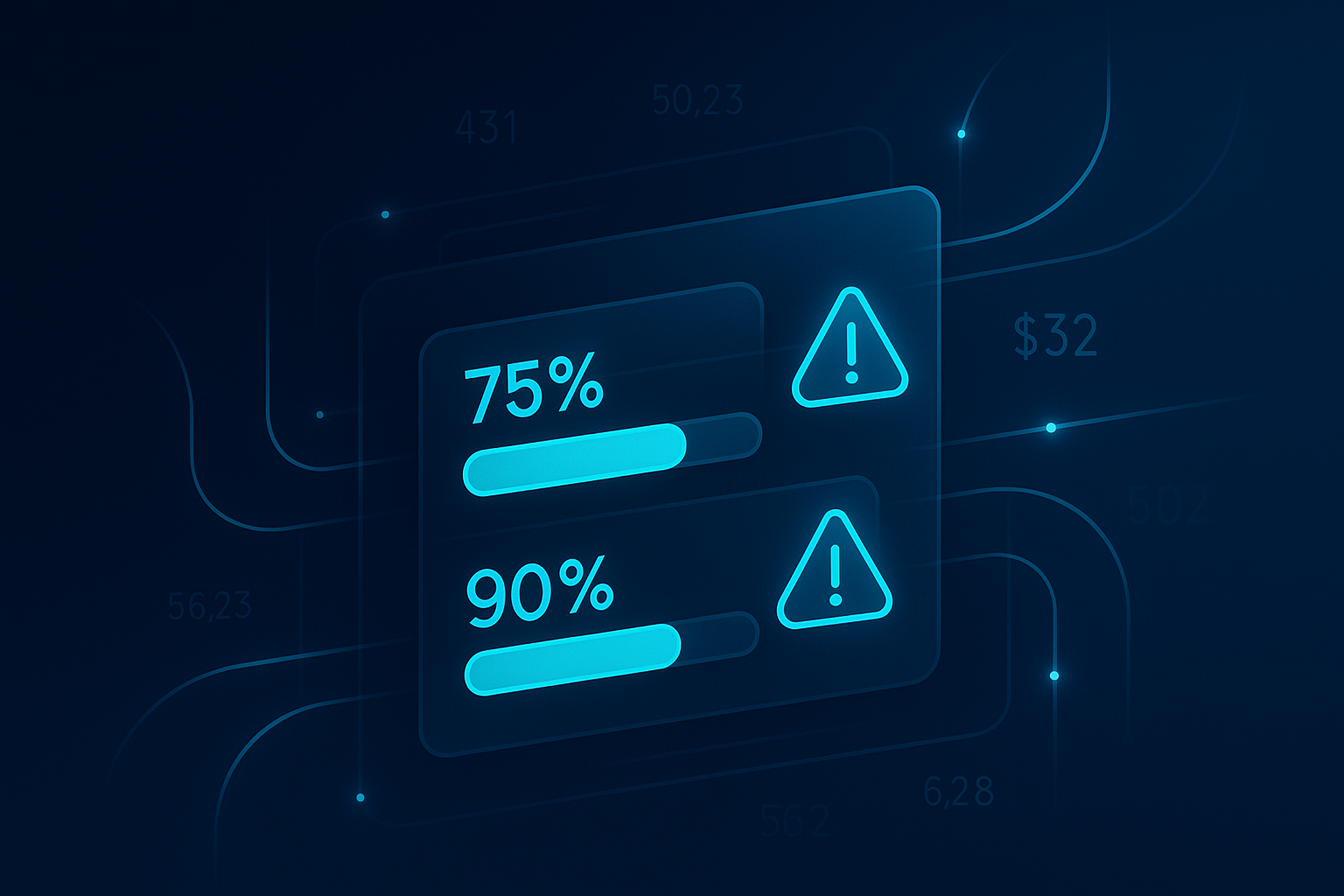
Monitor usage through provider dashboards to avoid surprise overage charges. Most services offer alerts at 75% and 90% of included minutes, with options to auto-upgrade plans or purchase additional minutes at predetermined rates. Overage costs typically range from $1.25-$2.50 per minute, making plan upgrades more economical for consistent high usage.
Common hidden fees include per-transfer charges ($0.50-$1.25), after-hours premiums (15-25% markup), and integration setup costs ($100-$500). Bilingual support often carries monthly surcharges of $50-$150, while custom scripting for upselling or special promotions ranges from $100-$300 setup fees. Review contracts carefully for holiday surcharges, which can increase costs by 20-40% during peak periods.
When calls are mishandled, document incidents immediately and request call recordings for review. Quality providers offer service level agreements guaranteeing response within 24-48 hours for complaints, with account credits for verified service failures. Establish clear escalation procedures for VIP guests and time-sensitive reservations to minimize revenue impact from service interruptions.
Best Virtual Receptionist Providers for Hospitality and Service Businesses (2025)
Vynta – AI-Powered Hospitality Automation
Best for: Hotels and restaurants seeking comprehensive guest experience automation with seamless PMS integration
Vynta delivers industry-specific AI agents designed for hospitality operations, combining virtual receptionist capabilities with advanced guest experience management. The platform integrates directly with major property management systems and reservation platforms, providing 24/7 multilingual support with sophisticated upselling and guest personalization features. This enables hospitality businesses to optimize revenue per guest and streamline operations without sacrificing the personal touch that defines exceptional service.
Best Virtual Receptionist Providers for Hospitality (2025)
Selecting the right virtual receptionist pricing model depends on your specific hospitality needs. These providers excel in different areas, from AI-powered efficiency to specialized luxury service. For an in-depth comparison of AI and the future of work in hospitality, see this Harvard Business Review article.
Vynta – Advanced Hospitality Automation Platform
Best for: Hotels and restaurants seeking comprehensive guest experience automation with measurable ROI
Vynta delivers enterprise-grade automation specifically designed for hospitality operations. The platform integrates seamlessly with major property management systems, providing 24/7 multilingual support with sophisticated upselling capabilities that typically increase revenue per guest by 15-25%.
Pricing: Custom enterprise packages starting at $485/month with unlimited routine inquiries
Why it stands out: Unlike generic virtual receptionist services, Vynta understands hospitality workflows. The system handles reservation modifications, processes payment updates, and manages guest preferences while maintaining detailed analytics on conversion rates and guest satisfaction metrics. For more insights on optimizing guest experience with automation, check out our guide to guest experience automation in hospitality.
Ruby Receptionist – Premium Human Touch
Best for: Boutique hotels prioritizing personalized guest interactions
Ruby emphasizes relationship-building with dedicated account management and extensive agent training. Their hospitality-specific scripts and 24/7 availability suit luxury properties requiring white-glove service.
Pros:
- Dedicated agents learn your property’s unique selling points
- Excellent for handling complex guest requests
- Strong integration with hospitality booking systems
Cons:
- Higher per-minute costs ($3.25-$4.50)
- Limited automation for routine inquiries
- Setup fees can reach $300
AnswerConnect – Scalable Volume Handling
Best for: Multi-property operations needing consistent service across locations
AnswerConnect excels at managing high call volumes with standardized service protocols. Their flat-rate monthly plans work well for established hotels with predictable call patterns.
Pros:
- Transparent pricing with no hidden fees
- Robust reporting and call analytics
- Quick scaling for seasonal fluctuations
Cons:
- Less personalization than boutique-focused services
- Limited industry-specific features
- Overage charges can be substantial
| Provider | Starting Price | Specialization | Best Feature |
|---|---|---|---|
| Vynta | $485/month | Hospitality automation | Revenue optimization |
| Ruby Receptionist | $285/month | Luxury service | Personalized interactions |
| AnswerConnect | $185/month | Volume handling | Scalable operations |
For more strategies on maximizing ROI with virtual receptionists, read our virtual receptionist ROI guide for hospitality.
Industry Trends & 2025 Pricing Outlook

Virtual receptionist pricing is evolving rapidly as AI capabilities mature and hospitality businesses demand more. To stay updated on the latest trends and best practices, explore our virtual receptionist trends for hospitality.
Frequently Asked Questions
What are the main pricing models for virtual receptionist services and which is best suited for hospitality businesses?
The main pricing models for virtual receptionist services include per-minute billing, per-call charges, and flat monthly fees. Hospitality businesses often benefit most from flat-rate or hybrid plans that combine predictable costs with scalable features, allowing them to manage fluctuating call volumes and reservation demands efficiently.
How do AI-powered virtual receptionists compare to human receptionists in terms of cost and service quality?
AI-powered virtual receptionists typically reduce costs by around 40% compared to human receptionists, especially for handling routine inquiries and after-hours bookings. While human receptionists excel at managing complex guest requests and personalized service, AI solutions provide consistent, 24/7 availability that augments staff without replacing the personal touch essential in hospitality.
What additional fees should hospitality managers be aware of when selecting a virtual receptionist service?
Hospitality managers should watch for overage charges on call volume or minutes beyond the plan limits, setup or onboarding fees, and costs for premium services like multilingual support or advanced upselling scripts. Transparent providers will clearly outline these to avoid surprises and help managers budget effectively.
How can virtual receptionist services help hospitality businesses improve reservation management and guest experience?
Virtual receptionist services streamline reservation booking, reduce no-shows through timely confirmations, and enable upselling of room upgrades and amenities. By handling guest inquiries promptly and accurately, they free staff to focus on personalized service, ultimately boosting guest satisfaction and increasing revenue per guest.
About The Author
Anas Moujahid is the chief contributing writer & Operations Director for the Vynta Blog, where he turns cutting-edge AI automation into measurable business outcomes for mid-market companies.
Vynta designs enterprise-grade AI agents that augment rather than replace people, freeing teams to focus on higher-value work while the bots handle the busywork.
We specialise in four service-heavy verticals where AI can move the revenue needle fast: real estate, recruitment, fundraising and hospitality.
Anas started his career architecting AI and automation systems; today he leads operations at Vynta, making sure every deployment lands real-world ROI, whether that’s more booked viewings for estate agents, faster placements for recruiters, warmer investor pipelines for fundraisers or happier guests for hotels and restaurants.
Vynta delivers results by:
- Building industry-specific agents pre-trained on real-world workflows, no generic chatbots here.
- Integrating seamlessly with existing CRMs, ATSs, PMSs and fundraising platforms, zero rip-and-replace.
- Measuring success in business KPIs (lead-to-close rates, time-to-hire, donor retention, RevPAR) not vanity metrics.
- Providing transparent implementation plans so clients know exactly what to expect, when and why.
- Pairing every AI agent with human-in-the-loop controls to keep quality, compliance and brand voice on point.
Since launch, Vynta has helped agencies slash lead qualification time by up to 70 %, recruitment firms cut screening hours in half, fundraising teams triple investor touchpoints and hospitality brands lift guest satisfaction scores by double digits, all while keeping human expertise firmly in the loop.
Anas writes with the same ethos that drives Vynta: outcome-focused, jargon-free and grounded in real business value. Expect data-backed insights, practical implementation guides and a clear-eyed view of what AI can, and can’t, do for your organisation.