The cost of poor restaurant homepage design extends beyond lost bookings. High bounce rates (above 70%) signal to search engines that your site lacks relevance, pushing you down in local search results where 78% of location-based searches result in offline purchases. When potential guests can’t quickly find your menu, location, or reservation system, they move to competitors within seconds. For a comprehensive solution, explore professional restaurant website design services that address these critical factors.
Consider Maria’s boutique hotel restaurant, which saw reservation inquiries drop 34% after a generic website redesign. By implementing hospitality-specific homepage elements, prominent reservation CTAs, high-quality food photography, and integrated menu displays, her team recovered those losses and achieved a 21% increase in direct bookings within eight weeks. To learn more about our approach, visit our About page.
Core Building Blocks of an Effective Restaurant Home Page
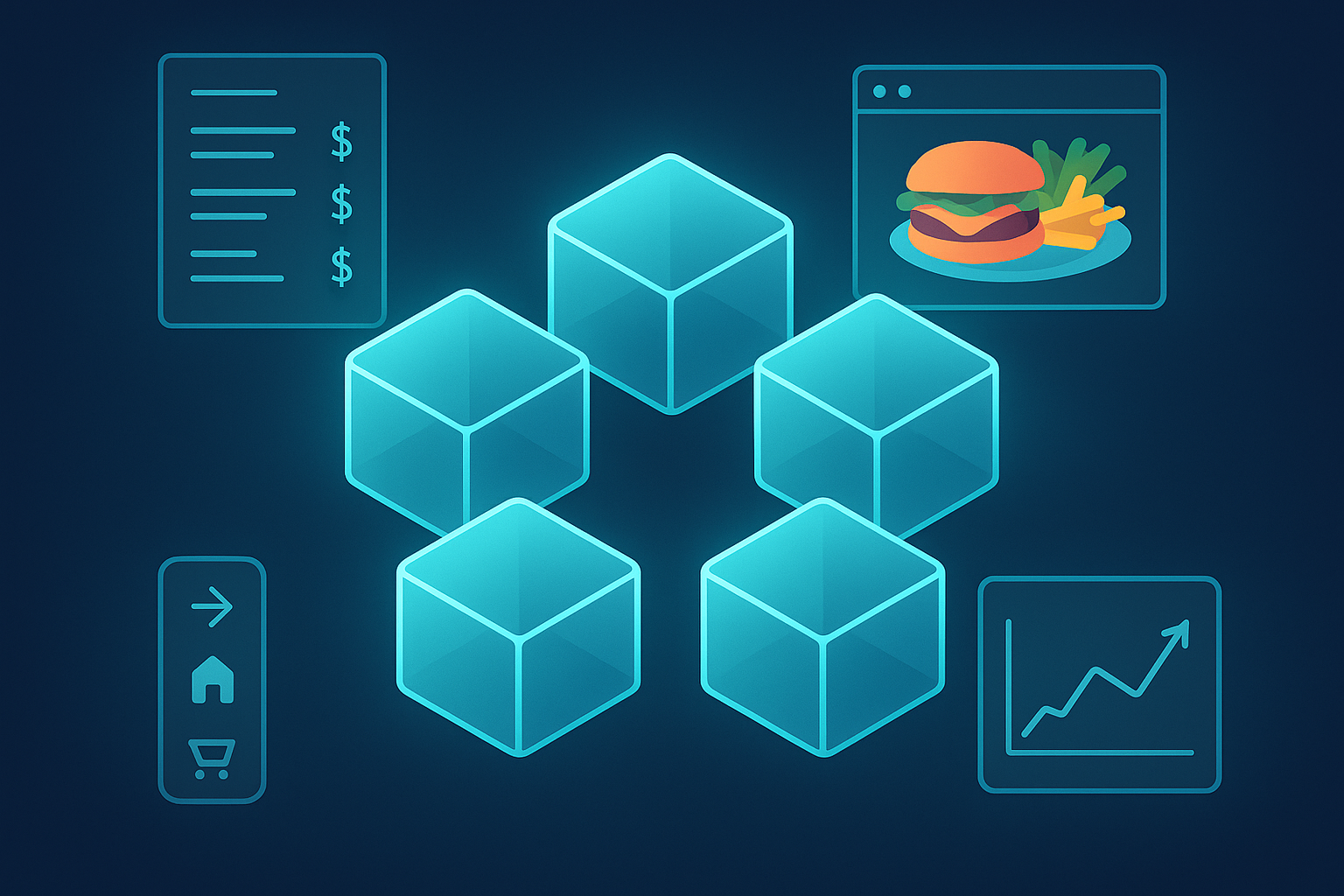
Every revenue-driving restaurant home page design must include six non-negotiable elements positioned strategically for maximum conversion impact. Your menu deserves prominent placement with clear pricing and appetizing photography, not buried in a secondary navigation tab where 43% of visitors will never find it. For further reading on usability best practices, see this scholarly overview of restaurant website design usability.
Designing for Conversion, Turning Browsers into Booked Guests
Above-the-fold strategy determines whether visitors convert or bounce within the critical first 8-15 seconds of homepage interaction. Position your primary reservation or ordering CTA where users naturally look first, typically the upper right quadrant on desktop and prominently centered on mobile devices.
Micro-interactions like hover effects on menu items and animated “Reserve Now” buttons increase engagement by an average of 12% compared to static elements. However, these enhancements must load quickly and not interfere with core functionality, especially on mobile devices where 73% of restaurant website traffic originates.
Conversion Optimization Quick Wins
- 3-second rule: Essential information visible without scrolling
- Color contrast: Minimum 4.5:1 ratio for CTA visibility
- Mobile-first: Touch targets minimum 48×48 pixels
- Load speed: Under 3 seconds for 90% visitor retention
Real-world implementation shows strategic upselling opportunities embedded in homepage design generate 7-15% increases in average order value. Wine pairing suggestions, chef’s specials callouts, and limited-time offers positioned near menu previews capitalize on decision-making momentum when appetite and interest peak simultaneously.
The “book within 3 minutes” user journey requires eliminating friction points like complex forms, unclear pricing, or broken reservation integrations. Test your conversion path monthly by attempting to complete a reservation or order as a first-time visitor using only mobile devices.
Visual Identity, Branding, Photography, and First Impressions That Sell
Cohesive visual branding builds trust and appetite appeal through strategic color psychology and professional food photography that showcases your cuisine’s unique characteristics. Limit your palette to three primary colors and two accent colors to maintain visual hierarchy while ensuring brand recognition across all touchpoints.
High-quality imagery outperforms stock photography by 67% in generating reservation inquiries and order completions. Professional food photography requires proper lighting setup, compositional techniques that highlight texture and freshness, and consistent styling that reflects your restaurant’s atmosphere and price point.
| Restaurant Type |
Color Strategy |
Photography Style |
Brand Positioning |
| Fast Casual |
Bold, energetic (red, orange) |
Bright, lifestyle-focused |
Quick, fresh, accessible |
| Fine Dining |
Sophisticated (deep blues, gold) |
Elegant, artistic plating |
Premium experience, craftsmanship |
| Family Restaurant |
Warm, welcoming (earth tones) |
Comfort-focused, group settings |
Family-friendly, approachable |
Seamless User Experience (UX) & Intuitive Navigation
Intuitive navigation architecture ensures guests find what they need within three clicks maximum. Implement sticky navigation bars that remain visible during scrolling, allowing instant access to key sections like menu, reservations, and contact information. For mobile users, collapsible hamburger menus should expand to reveal clearly labeled sections with adequate touch targets, minimum 48×48 pixels to accommodate fingertip navigation without accidental clicks.
Typography and spacing directly impact user experience success. Maintain body text at 16-20 pixels for optimal readability across devices, with sufficient line spacing (1.4-1.6 line height) to prevent visual fatigue. Button spacing becomes critical on touchscreens where cramped elements frustrate users and reduce conversion rates. A regional restaurant chain discovered that increasing button spacing by just 8 pixels reduced mobile booking abandonment by 19%.
Accessibility compliance extends beyond legal requirements, it expands your potential guest base while improving overall usability. Ensure color contrast ratios meet WCAG standards (minimum 4.5:1 for normal text), include descriptive alt text for all images, and enable full keyboard navigation for users who cannot use touchscreens or mice. These improvements benefit all users while demonstrating your commitment to inclusive hospitality.
Three immediate UX improvements deliver measurable results: implement a floating “Back to Top” button for long pages, enable one-tap calling and directions on mobile devices, and conduct simple usability testing with five real users to identify friction points in your booking process. These changes typically increase mobile conversions by 15-25% within the first month of implementation.
Mobile-First and Responsive Design That Captures On-the-Go Diners
Mobile devices account for over 70% of restaurant website visits, making mobile-first restaurant home page design essential for capturing spontaneous diners and last-minute reservations. Your mobile homepage must load in under 3 seconds to prevent bounce rates that exceed 53%, a critical threshold where potential guests abandon slow-loading sites for competitors. Optimize images through compression and lazy loading, keeping hero images under 500KB while maintaining visual appeal.
Responsive layouts using CSS Grid and Flexbox ensure your content adapts seamlessly across screen sizes without compromising functionality. Implement click-to-call buttons prominently, mobile users expect instant phone access when they’re ready to make reservations. Similarly, integrate one-tap map directions that launch the user’s preferred navigation app, eliminating friction between interest and action.
Common mobile homepage issues include overlapping buttons, text smaller than 16 pixels, and horizontal scrolling caused by fixed-width elements. Test your site using Chrome DevTools’ device simulation or actual devices across different screen sizes. A simple audit reveals whether your restaurant home page design truly serves mobile-first users or merely accommodates them as an afterthought.
Mobile Performance Check: Use Google’s PageSpeed Insights to test your mobile homepage speed. Scores below 70 directly impact your search rankings and guest acquisition rates.
Touch-friendly design extends beyond button sizing to include gesture-based navigation and thumb-zone optimization. Position critical actions like “Reserve Now” within easy thumb reach on smartphone screens, typically the bottom third of the display for one-handed operation.
Interactive digital menus embedded directly into your restaurant home page design eliminate the frustration of outdated PDF downloads while enabling real-time updates for seasonal specials and pricing changes. Modern menu widgets allow instant editing through content management systems, ensuring accuracy during high-turnover periods like happy hour or weekend brunch service.
Online ordering integration requires strategic platform selection between proprietary systems and third-party services. In-house ordering systems provide complete control over customer data and eliminate commission fees, while platforms like DoorDash and Uber Eats offer broader reach but reduce profit margins. The optimal approach often involves hybrid integration, direct ordering prominently featured with delivery platforms as secondary options.
Reservation system integration transforms your homepage into a booking engine rather than just an information portal. OpenTable offers extensive restaurant network benefits and guest recognition features, while newer platforms like Resy provide enhanced customization and lower per-booking fees. QuickRes appeals to independent restaurants seeking white-label solutions that maintain brand consistency throughout the booking process.
| Platform |
Setup Time |
Monthly Cost |
Key Advantage |
Best For |
| OpenTable |
2-3 weeks |
$249+ per month |
Largest diner network |
Established restaurants seeking volume |
| Resy |
1-2 weeks |
$189+ per month |
Customizable experience |
Trendy, design-focused venues |
| QuickRes |
3-5 days |
$99+ per month |
White-label branding |
Independent restaurants |
Upselling opportunities within integrated systems boost average order values through strategic suggestion placement. Dynamic menu pricing adjusts based on demand patterns, while “Popular this week” callouts guide guests toward high-margin items. A steakhouse implementing automated wine pairing suggestions saw 22% increased beverage sales within their first quarter.
Implementation typically requires 10 minutes for basic widget embedding using provided iframe codes. Advanced customization involving API integration and custom styling may require developer assistance but delivers superior brand consistency and user experience control. For more on the fundamentals of web design, see this overview of web design principles.
Content and Storytelling for Hospitality Differentiation

Authentic storytelling within your restaurant home page design creates emotional connections that drive repeat visits and word-of-mouth referrals. Your hero section should immediately communicate what makes your dining experience unique, whether that’s farm-to-table sourcing, third-generation family recipes, or innovative fusion techniques. Avoid generic phrases like “fresh ingredients” in favor of specific narratives like “herbs harvested daily from our rooftop garden.”
Guest testimonials and reviews prominently displayed on your homepage generate 33% more new bookings compared to sites without social proof. Select testimonials that highlight specific experiences rather than general praise, “The duck confit was perfectly crispy with tender meat that fell off the bone” proves more compelling than “Great food!” Position these testimonials strategically near booking CTAs to reinforce decision-making at crucial conversion moments.
Press mentions and awards deserve prominent homepage placement through impact banners or logo strips showcasing recognition from food critics, local publications, and industry organizations. A boutique hotel restaurant leveraging James Beard Award nominations and local “Best Of” wins in their homepage design saw 28% increased direct bookings as guests sought out award-winning dining experiences.
Visual storytelling through behind-the-scenes photography, chefs preparing signature dishes, local ingredient sourcing, or dining room ambiance, builds trust and anticipation. These authentic images outperform stock photography in engagement metrics while reinforcing your restaurant’s unique personality and commitment to quality. To see how our team can help you tell your story, contact us today.
Frequently Asked Questions
How does optimizing a restaurant homepage impact reservation conversion rates and average order value?
Optimizing a restaurant homepage can increase reservation conversion rates by up to 21% and boost average order value by $47 through strategic placement of reservation CTAs and upselling opportunities. A well-designed homepage turns casual visitors into booked guests by making key actions clear and accessible.
What are the essential elements that every effective restaurant homepage should include to maximize bookings?
Effective restaurant homepages must feature above-the-fold reservation call-to-actions, high-quality food photography, clear contact information with click-to-call and map integration, and real-time reservation widgets. These elements build trust, simplify booking, and enhance the guest experience from the first interaction.
Why is prominent menu placement critical on a restaurant homepage, and how does it affect visitor engagement?
Prominent menu placement is critical because 43% of visitors never find menus hidden in secondary navigation, leading to lost engagement and bookings. Displaying menus clearly on the homepage ensures visitors quickly access key information, increasing the likelihood of reservations and orders.
How do high bounce rates on a restaurant website influence local search rankings and customer acquisition?
High bounce rates signal low site relevance to search engines, causing your restaurant to rank lower in local search results. This reduces visibility to potential guests, who often choose competitors quickly, ultimately decreasing customer acquisition and revenue.
About The Author
Anas Moujahid is the chief contributing writer & Operations Director for the Vynta AI Blog, where he turns cutting-edge AI automation into measurable business outcomes for mid-market companies.
Vynta AI designs enterprise-grade AI agents that augment rather than replace people, freeing teams to focus on higher-value work while the bots handle the busywork.
We specialise in four service-heavy verticals where AI can move the revenue needle fast: real estate, recruitment, fundraising and hospitality.
Anas started his career architecting AI and automation systems; today he leads operations at Vynta AI, making sure every deployment lands real-world ROI, whether that’s more booked viewings for estate agents, faster placements for recruiters, warmer investor pipelines for fundraisers or happier guests for hotels and restaurants.
Vynta AI delivers results by:
- Building industry-specific agents pre-trained on real-world workflows, no generic chatbots here.
- Integrating seamlessly with existing CRMs, ATSs, PMSs and fundraising platforms, zero rip-and-replace.
- Measuring success in business KPIs (lead-to-close rates, time-to-hire, donor retention, RevPAR) not vanity metrics.
- Providing transparent implementation plans so clients know exactly what to expect, when and why.
- Pairing every AI agent with human-in-the-loop controls to keep quality, compliance and brand voice on point.
Since launch, Vynta AI has helped agencies slash lead qualification time by up to 70 %, recruitment firms cut screening hours in half, fundraising teams triple investor touchpoints and hospitality brands lift guest satisfaction scores by double digits, all while keeping human expertise firmly in the loop.
Anas writes with the same ethos that drives Vynta AI: outcome-focused, jargon-free and grounded in real business value. Expect data-backed insights, practical implementation guides and a clear-eyed view of what AI can, and can’t, do for your organisation.
Last reviewed: October 7, 2025 by the Vynta AI Team