Key Takeaways
- Restaurant email marketing offers the highest ROI among digital marketing channels for hospitality businesses.
- For every dollar spent, restaurants can expect an average return of $42 through email marketing.
- Many restaurant operators find it challenging to create effective email campaigns that boost bookings and guest loyalty.
- This guide provides actionable strategies to turn restaurant email efforts into a consistent revenue source.
- Transforming sporadic promotions into systematic campaigns can optimize both revenue and guest experience.
Table of Contents
- What Is Restaurant Email Marketing?
- Why Restaurant Email Delivers Real Results for Hospitality Businesses
- Restaurant Email Marketing Compliance & Privacy: What Every Operator Needs to Know
- Step-by-Step: Building a Restaurant Email List That Drives Real Value
- Launching Your First Restaurant Email Campaign – A Practical Playbook
- Campaign Execution Workflow
- High-Performance Restaurant Email Types & Use Cases
- Personalization & Segmentation – Moving Beyond “Dear Customer”
Restaurant Email – The Complete, Practical Guide for Hospitality Revenue & Guest Experience Optimization
Restaurant email marketing delivers the highest ROI of any digital marketing channel for hospitality businesses, with average returns of $42 for every dollar spent. Yet most restaurant operators struggle to build effective campaigns that drive measurable bookings and guest loyalty. This comprehensive guide provides actionable strategies to transform your restaurant email operations from sporadic promotions into a systematic revenue driver.
As Operations Director at Vynta AI, I’ve helped hundreds of hospitality businesses implement email automation that increases repeat bookings by 25-40% while reducing manual marketing tasks. The strategies outlined here combine technical best practices with real-world hospitality expertise to deliver immediate business results.
What Is Restaurant Email Marketing?
Restaurant email marketing is the practice of using targeted, permission-based email communications to engage guests, drive reservations, increase repeat visits, and optimize revenue per guest. Unlike generic digital marketing, restaurant email leverages guest data and preferences to deliver timely, relevant offers and information that enhance the dining experience and build long-term loyalty. Effective restaurant email marketing integrates seamlessly with reservation systems, loyalty programs, and guest feedback tools to create a cohesive, high-ROI marketing channel.
Why Restaurant Email Delivers Real Results for Hospitality Businesses
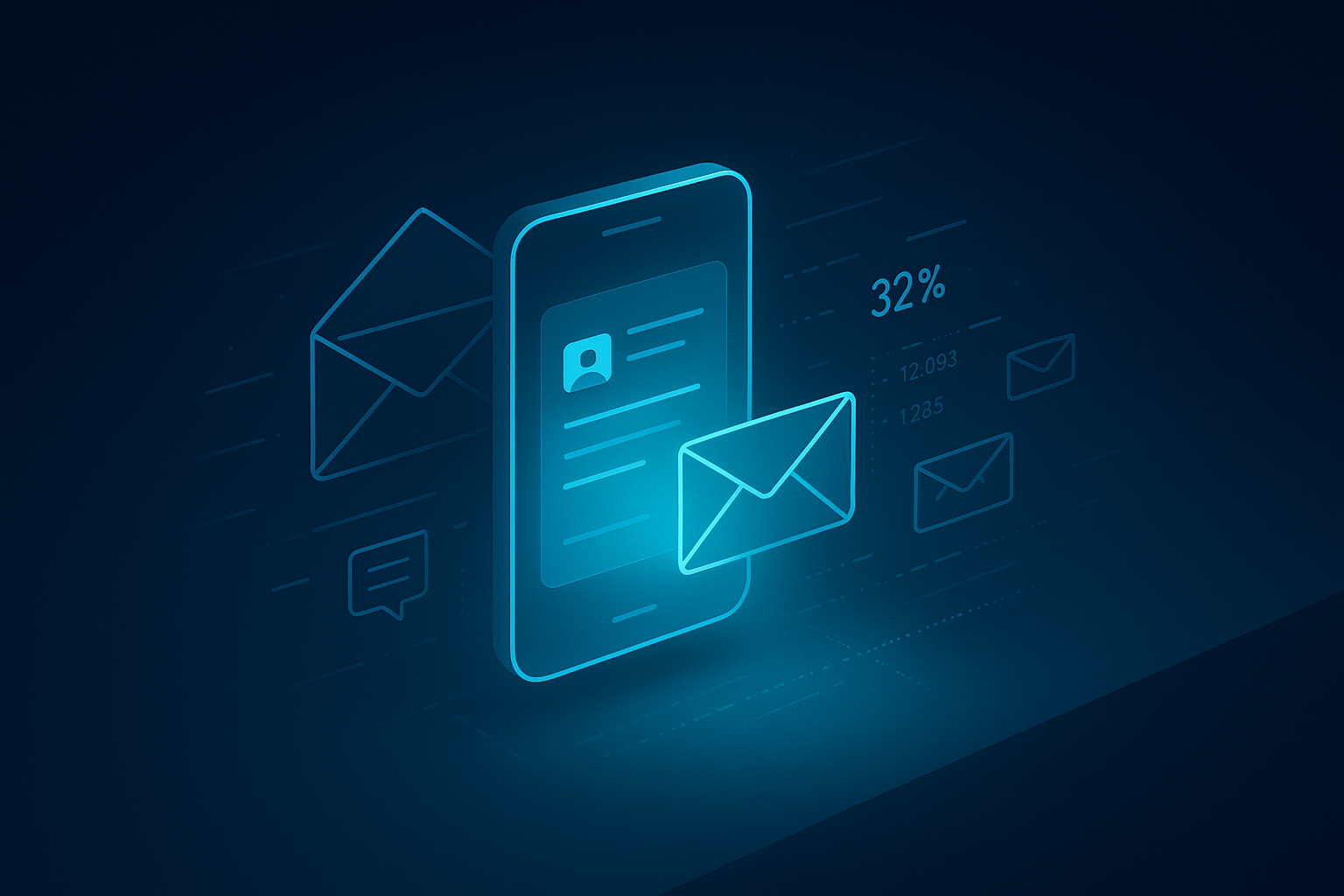
Restaurant email consistently outperforms other digital marketing channels because it reaches guests directly in their most personal digital space. Industry data shows hospitality emails achieve 22.86% average open rates and 3.54% click-through rates, significantly higher than retail or e-commerce sectors. More importantly, email-driven reservations convert at 68% higher rates than social media referrals.
Consider Maria, who manages a boutique hotel with an upscale restaurant. By implementing automated email sequences for pre-arrival dining reservations, post-meal experience surveys, and targeted wine dinner invitations, she increased monthly restaurant upsells by 18% and improved guest satisfaction scores by 0.4 stars. The key was timing: guests received relevant offers exactly when they were most receptive.
Top 3 Measurable Outcomes from Restaurant Email
- Revenue Per Available Seat (RevPAS) increase of 15-30% through strategic upselling and optimal seating management
- No-show reduction of 20-35% via confirmation sequences and day-of reminders with easy modification options
- Guest lifetime value boost of 40-60% through personalized retention campaigns and loyalty program integration
The hospitality industry’s inherent focus on personal relationships makes email particularly powerful. Unlike social media posts that disappear in feeds, emails create one-to-one conversations that guests can reference when making dining decisions. Smart operators leverage this intimacy to share exclusive experiences, seasonal menu previews, and personalized recommendations that drive both immediate bookings and long-term loyalty.
Restaurant Email Marketing Compliance & Privacy: What Every Operator Needs to Know
Email marketing compliance isn’t optional, violations can result in fines up to $43,792 per email under CAN-SPAM Act regulations. Fortunately, compliance for restaurants is straightforward when you follow ethical list-building practices and maintain transparent communication with guests.
The CAN-SPAM Act requires clear sender identification, truthful subject lines, obvious promotional content labeling, and easy unsubscribe options honored within 10 business days. GDPR adds consent requirements for European guests, mandating explicit opt-in confirmation and detailed privacy policy disclosure. Most restaurant violations occur from purchasing email lists or failing to provide clear unsubscribe mechanisms.
| Compliance Requirement | What To Do | What To Avoid |
|---|---|---|
| Sender Identification | Use real restaurant name and address | Generic “no-reply” addresses |
| Subject Line Honesty | Accurately describe email content | Misleading promotional claims |
| Consent Collection | Clear opt-in at reservation/signup | Pre-checked boxes or assumptions |
| Unsubscribe Process | One-click removal within 3 days | Complex multi-step processes |
Ethical list building centers on permission-based collection during natural guest interactions. Effective methods include reservation confirmation opt-ins, Wi-Fi access pages with email capture, QR codes on tables linking to exclusive offers, and POS system prompts for loyalty program enrollment. Always provide clear value propositions, birthday discounts, early access to events, or seasonal menu previews, that make guests want to share their information.
| Compliance Requirement | Restaurant Implementation | Risk of Non-Compliance |
|---|---|---|
| Clear Sender Identity | Use restaurant name and real address in footer | $16,000+ fines per violation |
| Honest Subject Lines | Match email content to subject promise | FTC enforcement action |
| Easy Unsubscribe | One-click unsubscribe link in every email | $43,792 maximum penalty |
| GDPR Consent | Double opt-in for EU guests | 4% annual revenue fine |
| Privacy Policy | Clear data usage explanation on website | Regulatory investigation |
The golden rule for restaurant email compliance: treat guest data with the same care you’d treat their dining preferences. Never purchase lists, always honor unsubscribe requests within 3 business days, and maintain clear records of how each email address was obtained. This approach not only ensures legal compliance but builds the trust foundation necessary for effective email marketing relationships.
Step-by-Step: Building a Restaurant Email List That Drives Real Value
Successful restaurant email lists grow through strategic touchpoint optimization, not aggressive collection tactics. The most effective approach combines multiple low-friction capture methods with compelling value propositions that align with guest dining motivations. Focus on quality subscribers who actively want to hear from you rather than maximizing raw numbers.
Start with your highest-conversion opportunities: reservation confirmations, Wi-Fi access pages, and point-of-sale interactions. During reservation booking, offer exclusive menu previews or priority seating for special events in exchange for email signup. Configure Wi-Fi access to include a simple email capture with immediate value, a welcome drink discount or dessert upgrade. Train staff to mention your “VIP dining club” during payment processing, emphasizing exclusive benefits rather than generic newsletters.
| List-Building Method | Typical Signup Rate | Implementation Effort | Guest Quality |
|---|---|---|---|
| Reservation System Integration | 35-50% | Low (one-time setup) | High (confirmed diners) |
| Wi-Fi Capture Page | 25-40% | Medium (requires tech setup) | Medium (on-premise guests) |
| Table QR Codes | 15-25% | Low (print and place) | High (engaged diners) |
| POS System Prompts | 20-35% | Medium (staff training required) | High (paying customers) |
| Website Pop-ups | 5-15% | Low (plugin installation) | Medium (interest-based) |
Consider the success of Bistro Aurora, an urban restaurant that grew from 200 to 5,000+ email subscribers in 8 months. Their strategy combined reservation-based capture (40% signup rate) with a “Secret Menu Sunday” campaign promoted through table tent QR codes. By offering exclusive dishes only available to email subscribers, they created genuine urgency and value that drove both signups and repeat visits.
Never resort to purchased lists, scraped contact databases, or cold outreach, these practices damage deliverability, violate anti-spam laws, and attract unengaged subscribers who hurt your sender reputation. Instead, focus on creating compelling reasons for guests to voluntarily share their information, then deliver consistent value that makes them eager to open your emails. For more insights on ethical list-building and hospitality marketing, see our approach to restaurant marketing.
Launching Your First Restaurant Email Campaign – A Practical Playbook

Your first restaurant email campaign success depends on systematic preparation and realistic timeline management. Allow 5-7 days for proper campaign development: Day 1-2 for goal setting and content planning, Day 3-4 for design and copywriting, Day 5-6 for testing and approval, and Day 7 for send and initial monitoring. Rushing this process typically results in errors that damage your professional reputation.
Begin with clear, measurable objectives tied to specific business outcomes. Instead of vague goals like “increase awareness,” target concrete metrics: “Generate 25 Mother’s Day brunch reservations” or “Achieve 15% click-through rate on wine pairing upsells.” This clarity guides every campaign decision from subject line to call-to-action placement, ensuring your email drives actual revenue rather than just engagement vanity metrics.
Pre-Send Campaign Checklist
- List Segmentation: Target appropriate guest segments based on dining history, preferences, or demographics
- Subject Line Testing: A/B test 2-3 variations with small audience sample before full send
- Mobile Optimization: Preview email on iPhone, Android, and desktop to ensure proper formatting
- Link Verification: Test all reservation links, menu PDFs, and promotional landing pages
- Compliance Check: Confirm unsubscribe link and sender information are present