

recruitment automation benefits
The Tangible ROI of Recruitment Automation for Mid-Market SMEs
Recruitment automation benefits mid-market SMEs through measurable time savings, cost reduction, and accelerated hiring cycles. Modern AI-powered systems process thousands of applications daily while reducing administrative overhead by up to 33%, allowing HR teams to focus on strategic talent acquisition rather than manual screening tasks.
What Recruitment Automation Actually Delivers
Most agencies think automation just speeds up CV reviews. But Agentic Systems for Recruitment can process high volumes of CVs per day with strong matching accuracy, fundamentally changing how recruitment firms operate. This technology removes the bottleneck of manual CV review, enabling teams to evaluate far more candidates without expanding headcount.
You shift from reactive to proactive talent acquisition when AI handles routine screening. Your recruiters can focus on relationship building, candidate nurturing, and strategic workforce planning instead of drowning in administrative tasks.
Real Numbers: Time Savings, Cost Reduction, and Faster Hiring
Measurable Impact Metrics
- 2 hours saved per hire through automated processing
- 60% reduction in hiring cycle duration
- 50% increase in successful placements
- 18% dormant database reactivation rate
These aren’t vanity metrics. They translate directly to your bottom line. When hiring cycles shrink by 60%, you fill critical positions faster, reducing productivity gaps and opportunity costs. That 50% placement increase? It means growing revenue without proportional increases in operational expenses.
Freeing Your Team for Strategic Work
Here’s what changes: Advanced recruitment solutions handle interview scheduling, candidate communication, and documentation generation. Your consultants can concentrate on high-value activities like client relationship management and market intelligence gathering. This transforms recruitment from order-taking to strategic partnership.
Enterprise AI Agents vs. Simple Automation: Why It Matters
Why Basic Automation Falls Short
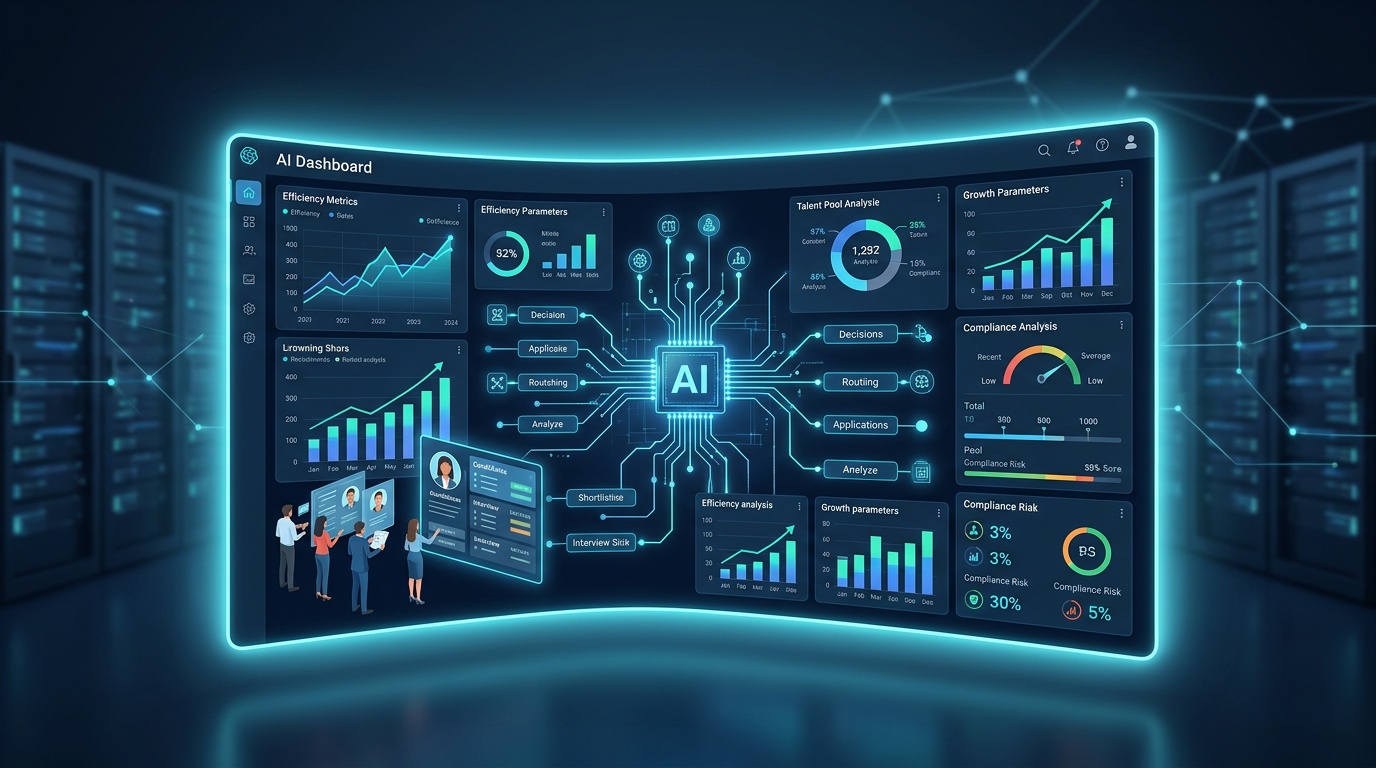
Traditional recruitment automation relies on rigid rules and keyword matching. These systems miss candidates with unconventional career paths, industry transitions, or unique skill combinations. Modern hiring demands adaptability that simple keyword bots can’t provide.
Enterprise AI agents interpret context, recognize experience patterns, and support more nuanced judgments about candidate fit. This helps you identify overlooked talent pools and reduces false negatives that cost you strong hires.
Automated Compliance That Actually Works
Compliance Automation Capabilities
- Automated equal opportunity documentation
- GDPR-compliant data handling protocols
- Standardized interview process enforcement
- Audit trail generation for regulatory reviews
Compliance isn’t just paperwork. It’s risk management. AI agents monitor hiring patterns, flag potential issues, and ensure consistent application of evaluation criteria across candidates. This systematic approach creates defensible decisions while maintaining fairness standards.
Turning Data Chaos into Competitive Advantage
Most recruitment firms struggle with fragmented candidate information across multiple platforms and databases. AI automation services integrate data from CV Library, Indeed, Reed, TotalJobs, and LinkedIn, creating complete candidate profiles that show the full talent picture.
This centralization turns dormant databases into productive pipelines. With an 18% reactivation rate for previously overlooked candidates, you recover value from existing investments while reducing sourcing costs for new positions.
Building Better Teams Through Consistent Evaluation
Human bias influences recruitment decisions through unconscious preferences and cognitive shortcuts. AI agents apply consistent evaluation criteria, focusing on skills, experience, and potential rather than demographic characteristics or personal assumptions.
Strong matching accuracy driven by structured analysis improves hiring quality while supporting workplace diversity. This consistency helps build stronger teams and reduces turnover across organizations.
What Gets Automated: The Complete Recruitment Lifecycle
Intelligent Sourcing and Screening
Candidate sourcing shifts from manual database searches to intelligent talent discovery. AI agents scan multiple job boards simultaneously, identifying candidates aligned with role requirements while surfacing passive talent through pattern recognition. This expands your candidate pool beyond active applicants.
Screening becomes instantaneous. The system analyzes experience progression, skill alignment, and career trajectory patterns in seconds. Patterns human reviewers often miss during high-volume periods. This speed helps you engage top candidates before competitors do.
Seamless Interview Coordination
Forget the email tennis that delays hiring decisions. Automated interview coordination manages calendar availability across stakeholders, sends confirmations, delivers preparation materials, and handles rescheduling requests with minimal manual effort.
Automated Coordination Features
- Multi-party calendar synchronization
- Automated reminder sequences
- Preparation material distribution
- Real-time rescheduling capabilities
Quick, professional coordination signals organizational efficiency and respect for candidate time. This reduces scheduling friction and improves acceptance rates for job offers.
24/7 Candidate Engagement
Consistent candidate engagement prevents talent from accepting competing offers during extended hiring processes. AI-powered communication through WhatsApp Business API and other channels provides round-the-clock availability for candidate questions and updates.
Personalized messaging based on candidate profiles and interview stages creates meaningful touchpoints throughout the process. This systematic engagement demonstrates organizational professionalism while keeping candidates informed about timeline expectations and next steps.
Automated Documentation and Onboarding
Automated documentation generation creates branded candidate profiles and client submission materials without manual formatting work. This standardization ensures consistent presentation quality while reducing preparation time for placement discussions.
The system generates onboarding packages that include role expectations, team introductions, and initial project assignments. This preparation helps new hires contribute productively from day one while reducing manager overhead during transition periods.
Your Implementation Roadmap: From Assessment to ROI
Start with Process Mapping
Successful automation implementation begins with mapping your current workflow to identify bottlenecks and inefficiencies. Document time spent on manual tasks like CV review, interview scheduling, and candidate follow-up to establish baseline metrics for improvement measurement.
Evaluate your current technology stack integration points, particularly ATS capabilities and communication platforms. Understanding these connections ensures smooth automation deployment without disrupting established recruiting operations.
Set Clear Success Metrics
Clear success metrics guide implementation decisions and demonstrate recruitment automation benefits to stakeholders. Establish targets for time-to-hire reduction, placement volume increases, and administrative cost savings based on current performance levels.
Focus on measurable outcomes like candidate response rates, interview completion percentages, and offer acceptance rates. These metrics provide concrete evidence of automation impact on recruitment effectiveness and business growth.
Preserve Your Tech Investments
You don’t need to rip and replace everything. Modern AI agents connect with established ATS platforms, job boards, and communication tools without requiring complete system replacement.
This integration approach minimizes disruption while maximizing automation potential. Your team continues using familiar interfaces while benefiting from faster processing and improved candidate matching.
Design for Human-AI Collaboration
Effective automation supports human expertise rather than replacing recruitment professionals. AI handles data processing and routine communications while recruiters focus on relationship building, strategic planning, and complex decision-making that requires emotional intelligence.
This collaboration model creates competitive advantages through combined efficiency and personalization. You deliver faster responses and more consistent candidate evaluation while maintaining the human connection that drives successful placements.
Track and Optimize Performance
Post-implementation tracking validates your automation investment through measurable improvements. Monitor placement increases, cycle time reductions, and cost savings to quantify recruitment automation benefits and guide ongoing optimization.
Regular performance reviews identify opportunities to expand automation scope and refine processes. This continuous improvement approach increases long-term value while adapting to evolving recruitment challenges and market conditions.
Frequently Asked Questions
How does recruitment automation help mid-market SMEs financially?
Recruitment automation delivers clear financial benefits to mid-market SMEs by significantly reducing operational costs and accelerating hiring cycles. Our AI-powered systems can cut administrative overhead by up to 33%, allowing HR teams to focus on strategic talent acquisition. This leads to faster filling of critical roles, minimizing productivity gaps and opportunity costs.
What specific improvements can recruitment automation bring to hiring metrics?
With recruitment automation, organizations see measurable improvements in key hiring metrics. You can expect to save around 2 hours per hire through automated processing and achieve a 60% reduction in the overall hiring cycle duration. This often translates to a 50% increase in successful placements and an 18% reactivation rate for dormant candidate databases.
How do AI agents improve recruitment compliance and data handling?
AI agents significantly strengthen recruitment compliance by automating tasks like equal opportunity documentation and GDPR-compliant data handling. They enforce standardized interview processes and generate audit trails for regulatory reviews, reducing legal risk. Furthermore, AI services centralize fragmented candidate data from various platforms, creating complete profiles and reactivating overlooked talent pools.
Can recruitment automation help reduce bias in hiring?
Yes, recruitment automation, particularly with advanced AI agents, can help mitigate human bias in hiring decisions. These systems apply consistent evaluation criteria, focusing on skills, experience, and potential rather than unconscious preferences. This structured analysis supports fairer hiring practices, improves overall hiring quality, and promotes workplace diversity.
What are the limitations of older, rule-based recruitment automation?
Traditional rule-based recruitment automation often struggles with the complexities of modern hiring. These systems rely on rigid rules and keyword matching, which can overlook candidates with unconventional career paths or nuanced skill combinations. They lack the adaptability of enterprise AI agents, which can interpret context and recognize experience patterns for a more informed assessment of candidate fit.
How does recruitment automation change the day-to-day work of HR teams?
Recruitment automation transforms the daily work of HR teams by freeing them from repetitive, manual tasks. Our solutions handle routine screening, interview scheduling, and candidate communication, allowing recruiters to shift their focus. This enables them to concentrate on high-value activities such as relationship building, candidate nurturing, and strategic workforce planning.
Beyond sourcing, what other parts of the hiring process can AI automate?
Beyond intelligent sourcing and screening, AI can automate several other critical parts of the hiring process. This includes streamlining interview scheduling by managing calendar availability across stakeholders, sending confirmations, and handling rescheduling requests. This reduces administrative friction and accelerates the overall hiring timeline.