
Key Takeaways
- A phonathon is a structured phone-based outreach campaign used by nonprofits and fundraising organizations.
- Phonathons help connect directly with donors to share impact stories and update supporter information.
- Despite advances in digital fundraising, phonathons remain highly effective in 2025.
- Well-executed phonathon campaigns achieve conversion rates between 15-25%.
- Phonathon conversion rates are significantly higher than most digital-only fundraising approaches.
Table of Contents
- What Is a Phonathon and Why Does It Still Matter in 2025?
- Core Components of a High-Impact Phonathon Campaign
- Proven Techniques to Increase Donor Engagement and Results
- Phonathon vs. Other Fundraising Methods, A Practical Comparison
- Common Pitfalls & How to Overcome Them in Your Next Phonathon
- Real-World Examples, What Successful Phonathon Donations Accomplish
- Action Steps, How to Launch, Join, or Support a Phonathon in 2025
- Frequently Asked Phonathon Questions, Your Guide to Effective Campaigns
- The Future of Phonathon Success: AI-Enhanced Fundraising Operations
What Is a Phonathon and Why Does It Still Matter in 2025?
A phonathon is a structured, phone-based outreach campaign where nonprofits, educational institutions, and fundraising organizations connect directly with donors to share impact stories, update supporter data, and secure gifts. Despite the digital fundraising revolution, phonathons consistently deliver 15-25% conversion rates for well-executed campaigns, significantly higher than most digital-only approaches.
The human voice remains irreplaceable for donor stewardship. While digital channels face increasing noise and donor fatigue, live conversations create emotional connections that drive both immediate gifts and long-term loyalty. Organizations using strategic phone outreach report stronger donor retention and higher lifetime values compared to digital-only strategies.
For a deeper understanding of the history and evolution of phonathons, see the Wikipedia entry on phonathon.
Core Components of a High-Impact Phonathon Campaign
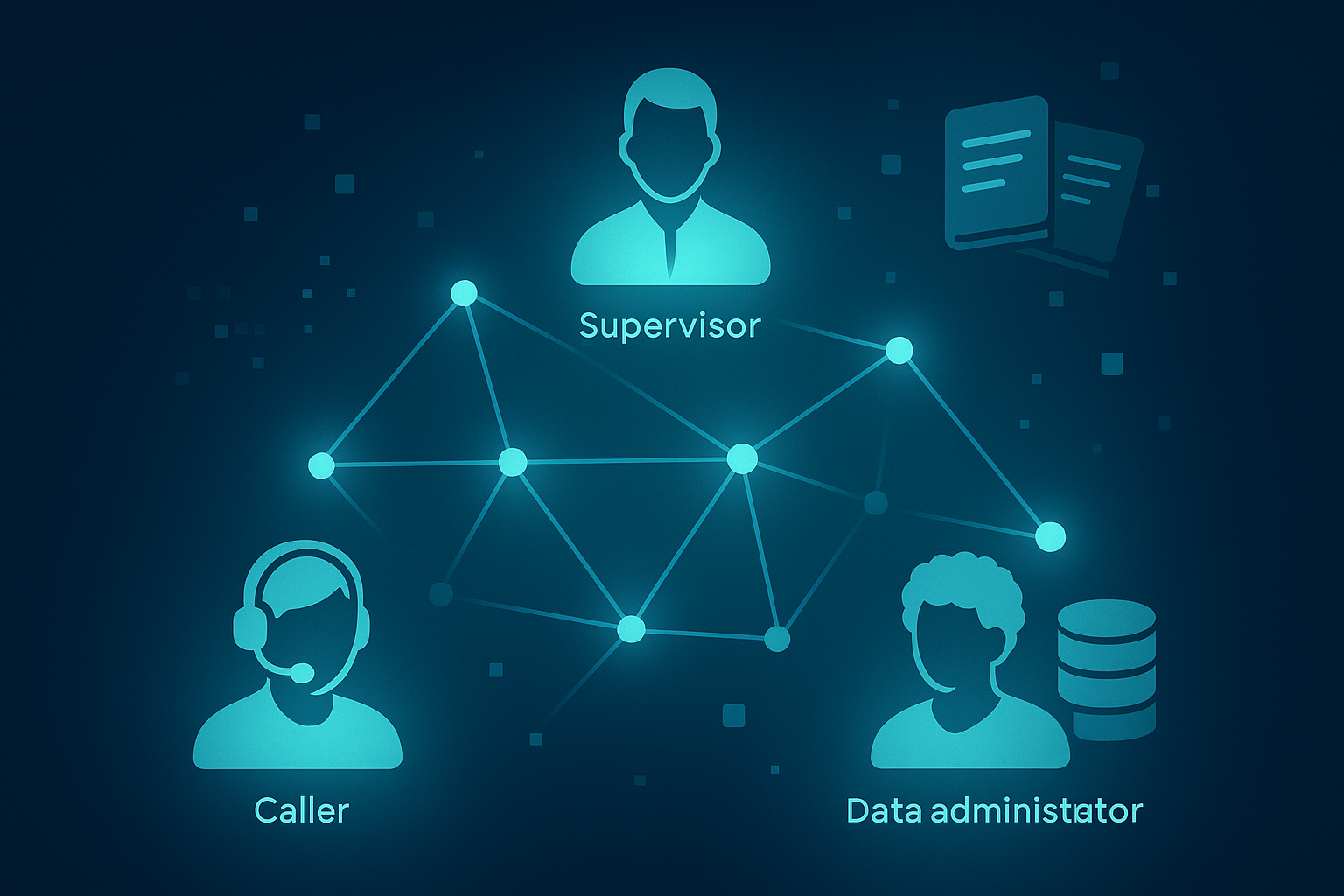
Successful phonathons require structured teams with defined roles: trained callers (often students or volunteers), supervisors for real-time coaching, and data administrators managing donor records and pledge processing. The foundation lies in comprehensive caller training, minimum 3-5 hours covering mission knowledge, objection handling, and data entry protocols. For insights on optimizing revenue and engagement, check out dynamic pricing in hotels.
Essential Campaign Workflow
- Pre-Campaign Planning: Goal setting, donor segmentation, script development (5-7 days)
- Team Recruitment & Training: Caller onboarding, practice sessions, system tutorials (3-4 days)
- Live Calling Phase: 2-hour shifts, daily debriefs, script optimization (7-14 days)
- Post-Call Follow-up: Pledge processing, thank you communications, data analysis (3-5 days)
| Campaign Phase | Duration | Key Activities | Success Metrics |
|---|---|---|---|
| Planning | 5-7 days | Script writing, donor segmentation | Clear goals, trained team |
| Live Calling | 7-14 days | Daily 2-hour shifts, real-time coaching | 15-25% conversion rate |
| Follow-up | 3-5 days | Pledge processing, thank you notes | 85%+ fulfillment rate |
Optimize caller performance through rotating 2-hour shifts to prevent burnout and weekly team meetings to refine messaging based on donor feedback patterns. For more insights on campaign management, you might also like our story and approach to nonprofit fundraising.
Proven Techniques to Increase Donor Engagement and Results
Personalized storytelling drives measurable results. Campaigns using donor-specific impact examples see average gift increases of 18% compared to generic appeals. Open every call with a concrete impact statement within the first 30 seconds: “Your $100 gift last year provided textbooks for three students who graduated this spring.”
Sample Impact Statements by Donor Segment
- Alumni ($50-100): “Your support helped fund the new career center where 89% of recent graduates found jobs within six months.”
- Major Donors ($500+): “Thanks to donors like you, we launched the scholarship program that’s supporting 12 first-generation college students.”
- Community Supporters: “Your previous gift directly supported our food pantry, which served 2,400 families last quarter.”
Multi-channel integration amplifies results. Pairing phone calls with automated SMS and email follow-ups increases pledge fulfillment by up to 30%. AI-powered CRM systems, like Google Bookings, enhance caller effectiveness by providing real-time donor insights, suggested talking points, and automated note-taking, boosting productive contacts per hour by 33%.
Implement a structured 3-touch sequence: initial call, SMS reminder within 24 hours, and email with pledge form link within 48 hours. This systematic approach reduces administrative burden while maximizing donor response rates. For a detailed guide on optimizing donor engagement, check out this research on phonathon best practices.
Phonathon vs. Other Fundraising Methods, A Practical Comparison
Smart fundraising organizations evaluate channels based on conversion rates, donor retention impact, implementation costs, and scalability for resource-constrained teams. Phonathons excel at relationship building and immediate response, while digital methods offer broader reach at lower per-contact costs.
| Method | Conversion Rate | Donor Retention Impact | Setup Cost | Scalability |
|---|---|---|---|---|
| Phonathon | 15-25% | High – personal connection | Medium – training required | Moderate – staff dependent |
| Digital-Only | 2-8% | Low – limited engagement | Low – automated systems | High – unlimited reach |
| Direct Mail | 1-3% | Medium – tangible touch | High – printing/postage | High – mass distribution |
| Hybrid Approach | 20-35% | Highest – multi-touch | Medium – combined resources | High – automated support |
Choose phonathons when donor relationships and immediate feedback matter most. Digital channels work best for broad awareness campaigns, while hybrid approaches combining phone outreach with automated digital follow-up deliver the strongest overall ROI for mid-market organizations. Learn more about enlightened hospitality investments to understand how strategic approaches can maximize engagement and returns.
Common Pitfalls & How to Overcome Them in Your Next Phonathon
High “no answer” rates plague most campaigns, often reaching 60-70% of attempted calls. AI-powered calling systems optimize contact timing based on historical data, calling alumni between 5-7pm and business donors during 11am-1pm windows increases live contact rates by up to 45%.
Caller burnout undermines campaign momentum and conversion quality. Combat this through gamification: create daily challenges for highest conversion rates, implement team leaderboards, and offer meaningful incentives beyond basic hourly pay. Organizations using structured recognition programs report 30% lower caller turnover.
Proven Solutions for Campaign Challenges
- Low Fulfillment: Automated 3-touch follow-up sequence increases collection by 24%
- Donor Skepticism: Lead with transparency, explain exactly how gifts are used
- Caller Motivation: Share real impact stories from previous campaigns weekly
- Data Quality: Real-time CRM integration prevents duplicate calls and outdated information
Address donor privacy concerns proactively by scripting clear explanations of data handling practices and offering opt-out options immediately. Transparency builds trust and actually increases conversion rates compared to vague or evasive approaches. For more expert strategies, see these phonathon best practices.
Real-World Examples, What Successful Phonathon Donations Accomplish
Concrete impact stories transform abstract appeals into compelling donor experiences. A regional food bank’s 2024 phonathon generated $180,000 in new commitments, a 12% year-over-year increase, by connecting each donation level to specific outcomes: $50 provides weekend meals for five children, $200 stocks the mobile pantry for rural communities.
| Donation Level | Education Impact | Healthcare Impact | Community Impact |
|---|---|---|---|
| $100 | Textbooks for 2 students | 3 wellness screenings | Family food box for 1 week |
| $250 | Technology access for semester | Pediatric care for 5 children | After-school program for 1 month |
| $500 | Partial scholarship support | Mental health counseling sessions | Senior meal delivery for 2 months |
A university’s recent phonathon campaign secured 340 new monthly donors by emphasizing student success metrics: “Your $75 monthly gift joins 200 other donors supporting our emergency fund that helped 89 students stay enrolled despite financial hardships.” Specific numbers and outcomes create emotional connections that drive sustained giving. For more real-world impact stories, explore our homepage.
Action Steps, How to Launch, Join, or Support a Phonathon in 2025
Organizations planning their first phonathon need 10-14 days for proper setup using modern AI-powered tools. Begin with donor database segmentation, script development, and caller recruitment simultaneously to compress timeline without sacrificing quality.
5 Must-Do Steps Before Your Campaign Goes Live
- Database Audit: Clean contact information and segment by giving history
- Script Testing: Practice with 10-15 friendly contacts for feedback
- Technology Setup: CRM integration, automated follow-up sequences, reporting dashboards
- Team Training: Mission knowledge, objection handling, data entry protocols
- Success Metrics: Define conversion targets, fulfillment goals, and ROI benchmarks
Volunteers and potential callers can find opportunities through local nonprofits, universities, and community organizations. Remote calling options have expanded significantly, with many organizations offering flexible scheduling and comprehensive virtual training programs. For a step-by-step breakdown of launching your own campaign, see our fundraising services.
Donors maximize impact by answering calls when possible, sharing contact preferences, and considering monthly giving options that reduce future solicitation frequency while providing organizations with predictable revenue streams.
Frequently Asked Phonathon Questions, Your Guide to Effective Campaigns
Essential Phonathon Quick Answers
- Expected calls per hour: 15-25 completed conversations with AI-powered predictive dialing
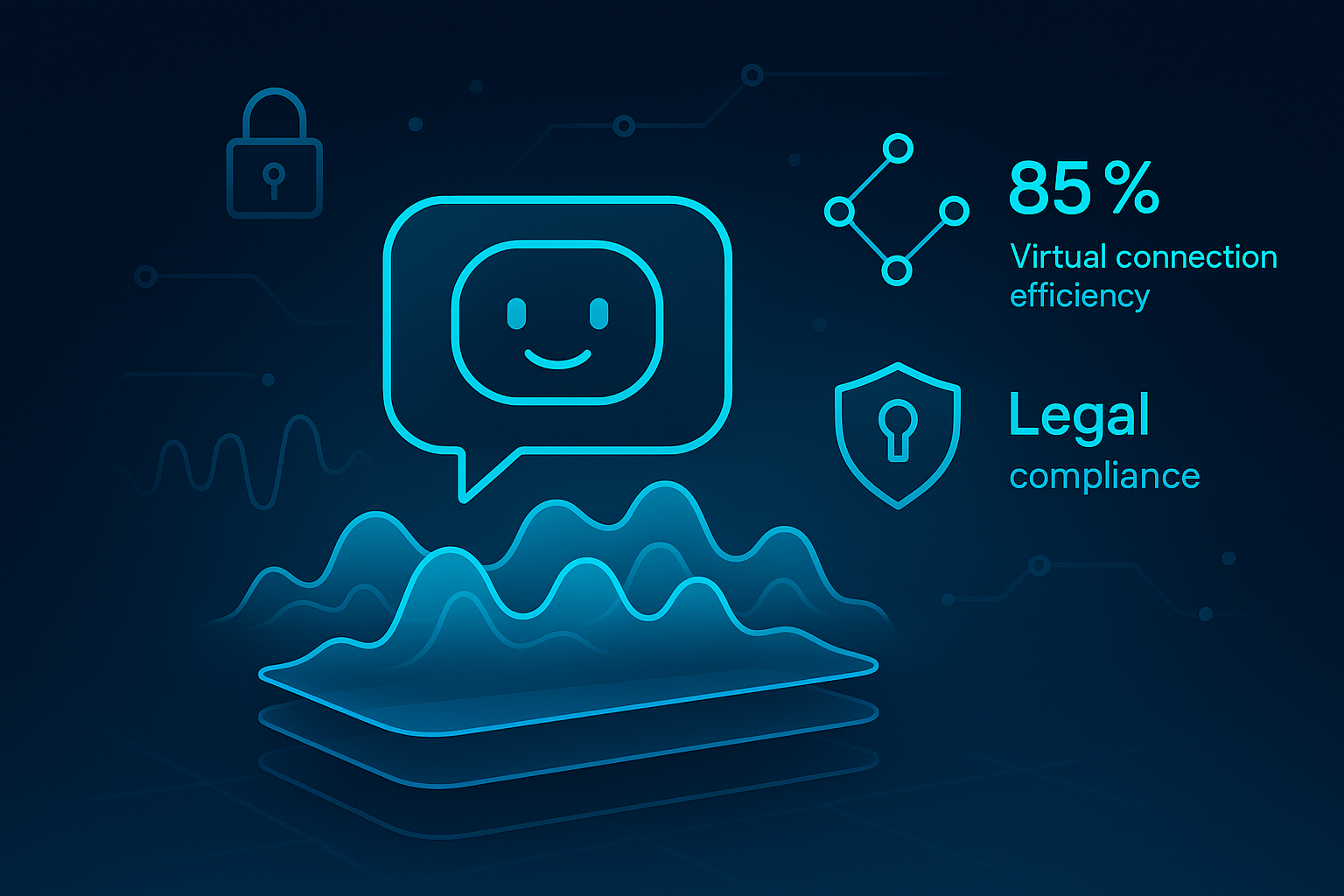
- Remote phonathon effectiveness: Virtual campaigns achieve 85% of in-person conversion rates when properly managed
- Legal compliance: Follow state do-not-call regulations and maintain current donor consent records
- Optimal follow-ups: 3-touch sequence (call-text-email) within 48 hours maximizes pledge fulfillment
- Training investment: 5 hours minimum preparation delivers measurable improvement in donor satisfaction scores
The Future of Phonathon Success: AI-Enhanced Fundraising Operations
Modern phonathon campaigns increasingly rely on intelligent automation to amplify human connection rather than replace it. AI-powered systems now handle predictive dialing, real-time script optimization, and automated pledge follow-up, allowing callers to focus entirely on building donor relationships and sharing impact stories.
Organizations implementing hybrid phonathon approaches, combining traditional calling with AI-driven donor insights and automated fulfillment processes, report 40% higher campaign ROI compared to manual-only operations. This technology democratizes sophisticated fundraising capabilities for mid-market nonprofits previously available only to large institutions. For more on how AI is transforming fundraising, read our guide to AI-powered fundraising.
The most successful 2025 phonathon campaigns will integrate voice conversations with intelligent CRM systems that capture donor preferences, automate thank-you sequences, and identify optimal re-engagement timing. This strategic combination preserves the personal touch that makes phonathons effective while eliminating administrative bottlenecks that limit campaign scale and impact.
For fundraising organizations ready to maximize their phonathon results through proven AI automation, the competitive advantage lies in choosing solutions designed specifically for nonprofit operations rather than generic calling platforms. Purpose-built fundraising automation delivers measurable improvements in donor retention, pledge fulfillment, and overall campaign efficiency that directly impact mission outcomes.
Frequently Asked Questions
What makes phonathons more effective than digital-only fundraising methods in 2025?
Phonathons leverage live, personalized conversations that create emotional connections and build donor trust, resulting in conversion rates between 15-25%, significantly higher than most digital-only campaigns. They overcome digital fatigue and noise by engaging donors directly through the human voice, fostering stronger donor retention and lifetime value.
How should organizations structure and train their teams to run a successful phonathon campaign?
Successful phonathons require clearly defined roles including trained callers, supervisors for coaching, and data administrators managing donor records. Comprehensive caller training of 3-5 hours covering mission knowledge, objection handling, and data protocols is essential to ensure confident, effective outreach.
What are the key phases of a phonathon campaign and how long does each phase typically last?
A phonathon campaign typically includes three key phases: Pre-Campaign Planning (5-7 days) for goal setting, donor segmentation, and script development; Team Recruitment & Training (3-4 days) for onboarding and practice; and the Live Calling Phase with 2-hour shifts and daily debriefs to optimize scripts and performance.
What techniques can be used during phonathons to increase donor engagement and improve conversion rates?
Personalizing call scripts, scheduling calls during peak donor availability, and providing real-time coaching to callers enhance engagement. Additionally, sharing compelling impact stories and actively listening to donor feedback help build rapport and increase conversion rates.
About The Author
Anas Moujahid is the chief contributing writer & Operations Director for the Vynta Blog, where he turns cutting-edge AI automation into measurable business outcomes for mid-market companies.
Vynta designs enterprise-grade AI agents that augment rather than replace people, freeing teams to focus on higher-value work while the bots handle the busywork.
We specialise in four service-heavy verticals where AI can move the revenue needle fast: real estate, recruitment, fundraising and hospitality.
Anas started his career architecting AI and automation systems; today he leads operations at Vynta, making sure every deployment lands real-world ROI, whether that’s more booked viewings for estate agents, faster placements for recruiters, warmer investor pipelines for fundraisers or happier guests for hotels and restaurants.
Vynta delivers results by:
- Building industry-specific agents pre-trained on real-world workflows, no generic chatbots here.
- Integrating seamlessly with existing CRMs, ATSs, PMSs and fundraising platforms, zero rip-and-replace.
- Measuring success in business KPIs (lead-to-close rates, time-to-hire, donor retention, RevPAR) not vanity metrics.
- Providing transparent implementation plans so clients know exactly what to expect, when and why.
- Pairing every AI agent with human-in-the-loop controls to keep quality, compliance and brand voice on point.
Since launch, Vynta has helped agencies slash lead qualification time by up to 70 %, recruitment firms cut screening hours in half, fundraising teams triple investor touchpoints and hospitality brands lift guest satisfaction scores by double digits, all while keeping human expertise firmly in the loop.
Anas writes with the same ethos that drives Vynta: outcome-focused, jargon-free and grounded in real business value. Expect data-backed insights, practical implementation guides and a clear-eyed view of what AI can, and can’t, do for your organisation.