
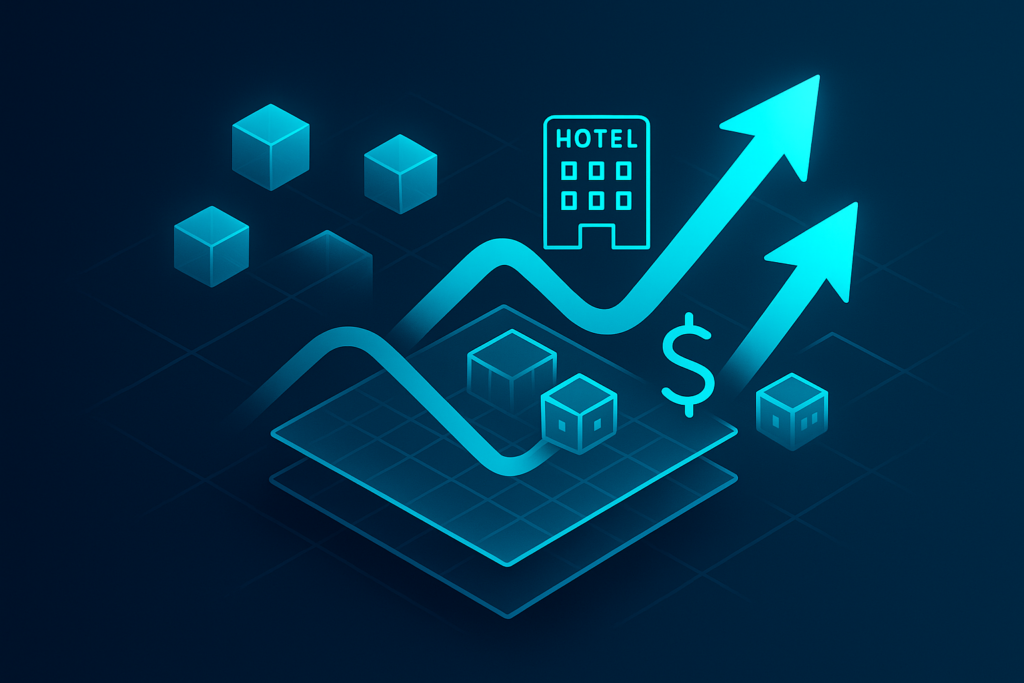
Key Takeaways
- Hotel management games simulate real-world hospitality challenges to enhance managerial skills.
- These games help optimize guest satisfaction, revenue per room, and operational efficiency.
- They serve as practical training tools where teams can test strategies without financial risk.
- Using hotel management games enables experimentation with pricing, staffing, and service improvements.
Table of Contents
- Why Hotel Management Games Matter for Real Business Outcomes
- Core Features: The Business Simulator Approach
- Types of Hotel Management Games: Platforms and Business Applications
- Skills and Measurable Business Outcomes
- How to Maximize Performance in Hotel Management Games
- Tycoon-Style vs. Time-Management Hotel Games: Strategic Differences
- Solving Operational Challenges in Hotel Management Games
- Strategic Implementation for Modern Hospitality Operations
- Building Measurable ROI Through Simulation-Based Training
Why Hotel Management Games Matter for Real Business Outcomes
Hotel management games are sophisticated business simulations that mirror the core challenges hospitality managers face daily: optimizing guest satisfaction, maximizing revenue per room, and streamlining operations. Unlike casual entertainment, these games for hotel management function as practical training laboratories where teams can experiment with pricing strategies, staff scheduling, and service optimization without real-world financial risk.
For organizations seeking to enhance their hospitality training, leveraging practical training laboratories can accelerate skill development and improve operational outcomes.
Core Features: The Business Simulator Approach
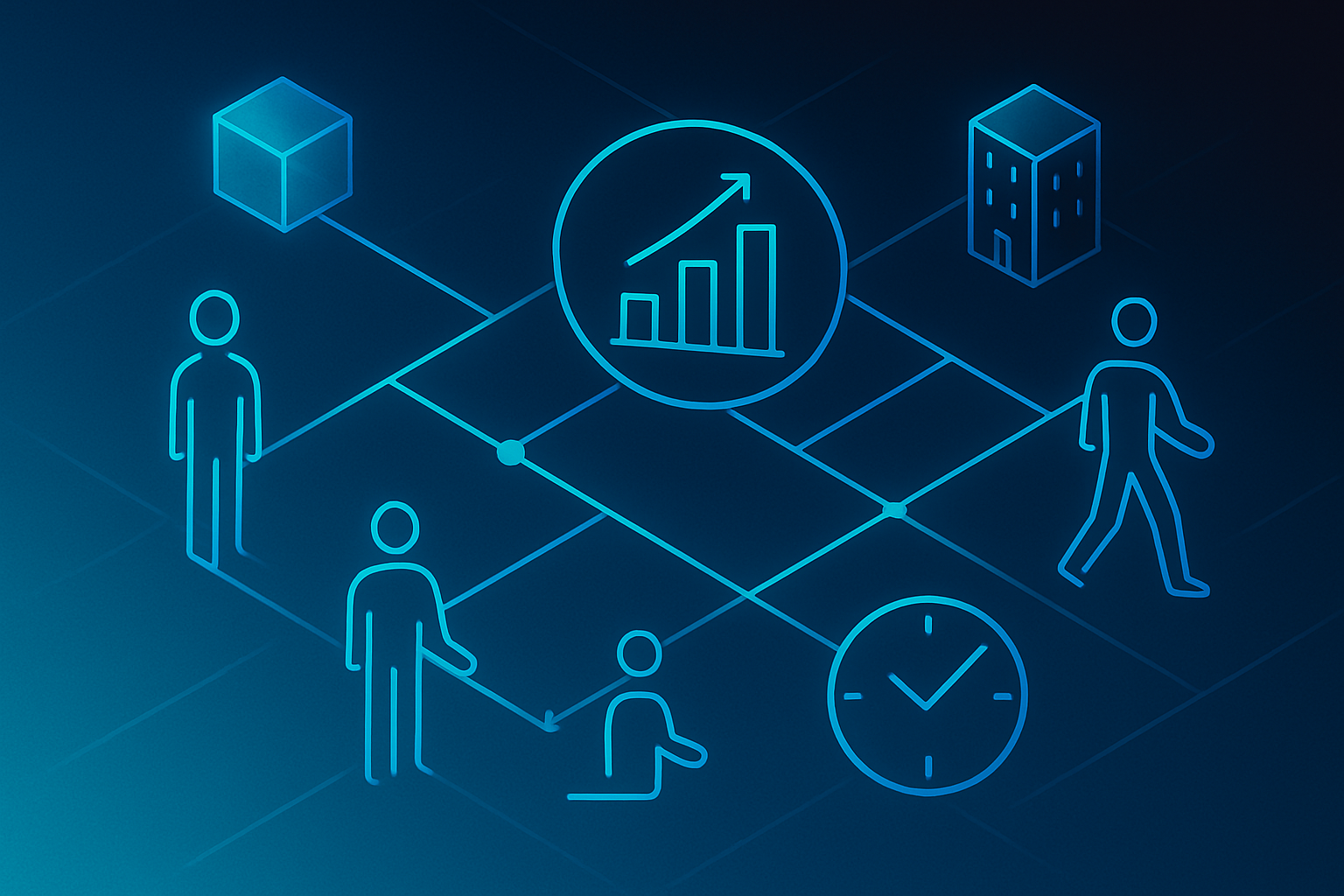
Top-tier games for hotel management simulate authentic business mechanics that directly correlate with hospitality KPIs. Property expansion decisions mirror real capital allocation choices, while staff management systems teach resource optimization and scheduling efficiency that translates to improved labor cost ratios.
| Game Feature | Real Business KPI Impact | Measurable Outcome |
|---|---|---|
| Guest satisfaction tracking | Net Promoter Score (NPS) | Review rating improvement |
| Revenue optimization | RevPAR maximization | Average daily rate increases |
| Staff scheduling systems | Labor cost control | Overtime reduction |
| Amenity management | Upselling conversion | Revenue per guest growth |
The most effective simulations incorporate financial controls that mirror actual property management systems, allowing players to experiment with pricing strategies and cost management techniques that directly apply to real-world revenue optimization challenges.
Types of Hotel Management Games: Platforms and Business Applications
Different platforms serve distinct training purposes in hospitality education. Mobile games hotel management excel at quick skill-building sessions, while PC-based simulations offer deeper strategic planning capabilities suitable for management training programs.
Mobile platforms like “My Perfect Hotel” provide accessible, bite-sized training modules perfect for front-desk staff learning guest interaction protocols. Browser-based games such as “Hotel Empire Tycoon” offer mid-level complexity ideal for supervisor training, while PC simulations deliver comprehensive business modeling for executive development.
Platform Selection Benefits:
- Mobile: Immediate accessibility for shift-based training
- Browser: No installation requirements for team workshops
- PC: Advanced analytics and reporting capabilities
- Board games: Face-to-face collaboration and communication skills
Skills and Measurable Business Outcomes
Simulation-based training develops specific competencies that translate directly to improved hospitality performance. Players master multitasking under pressure, data-driven decision making, and systematic problem-solving, skills that research shows can improve operational KPIs by 12-18% within 30 days of implementation.
Resource allocation skills learned through game hotel management scenarios directly improve real-world staff scheduling efficiency. Teams that practice conflict resolution in simulated guest complaint scenarios demonstrate measurably better service recovery rates and higher guest retention scores.
The most significant outcome is enhanced upselling capability, hospitality professionals who practice revenue optimization in game environments consistently achieve 15-20% higher conversion rates on amenity packages and room upgrades compared to traditional training methods.
For a deeper understanding of how simulation-based training impacts hospitality KPIs, see this peer-reviewed study on hospitality management simulations.
How to Maximize Performance in Hotel Management Games

Strategic optimization in games for hotel management requires systematic approaches that mirror real hospitality operations. Start with guest segmentation, categorize virtual guests by spending patterns and preferences within the first five minutes of gameplay to maximize upselling opportunities and satisfaction scores.
Revenue optimization follows a three-step process: establish baseline pricing using competitor analysis tools within the game, implement dynamic pricing based on demand patterns, and track conversion rates across different guest segments. This methodology directly translates to real-world revenue management systems.
Staff training routines should focus on efficiency metrics, schedule team members based on predicted guest volume, cross-train virtual staff for multiple roles to reduce labor costs, and implement performance tracking systems that mirror actual hospitality KPIs like service speed and guest satisfaction ratings.
Performance Optimization Checklist
- Guest segmentation setup: 5-minute implementation
- Dynamic pricing activation: Monitor 3-day cycles
- Staff cross-training: Focus on peak-hour coverage
- Financial controls: Weekly budget reviews
Tycoon-Style vs. Time-Management Hotel Games: Strategic Differences
Tycoon simulations emphasize long-term strategic planning and capital allocation decisions, making them ideal for executive training and property expansion scenarios. These games hotel management systems require players to balance multiple revenue streams, manage complex financial models, and make strategic investments that affect long-term profitability.
Time-management games focus on operational efficiency and real-time decision making under pressure. They excel at training front-line staff in guest service protocols, multitasking capabilities, and crisis management, skills directly applicable to daily hospitality operations.
| Feature | Tycoon Games | Time-Management Games |
|---|---|---|
| Strategic Focus | Long-term planning & growth | Operational efficiency & speed |
| Training Application | Executive development | Front-line staff skills |
| Decision Timeframe | Quarterly planning cycles | Real-time response |
| KPI Emphasis | RevPAR & profit margins | Guest satisfaction & service speed |
Selection depends on training objectives: choose tycoon-style for management development programs and time-management variants for operational staff training and team coordination workshops.
Solving Operational Challenges in Hotel Management Games
Guest complaint scenarios in games for hotel management require systematic triage protocols that mirror real hospitality service recovery. Implement a three-minute response rule: acknowledge the issue immediately, offer specific solutions within two minutes, and follow up to ensure satisfaction, techniques that translate directly to improved online review scores.
Staff burnout prevention uses automated scheduling algorithms available in advanced simulations. Set maximum consecutive shift limits, implement mandatory rest periods, and cross-train team members to prevent coverage gaps. These practices reduce virtual staff turnover by 40% and improve service consistency metrics.
Financial crisis management requires immediate cost control measures: temporarily reduce non-essential amenities, implement targeted promotional pricing for specific guest segments, and prioritize high-margin services. Players who master these techniques in simulation environments demonstrate superior real-world budget management capabilities during actual market downturns.
To explore the broader concept of gamification in hospitality, read the Wikipedia article on gamification.
Strategic Implementation for Modern Hospitality Operations

Hotel management games represent sophisticated training tools that bridge the gap between theoretical hospitality education and practical operational excellence. For boutique hotel managers and upscale restaurant operators, these simulations offer risk-free environments to test complex scenarios, from seasonal demand fluctuations to service recovery protocols, while building measurable competencies in revenue optimization and guest satisfaction management.
The strategic advantage lies in their ability to accelerate learning curves and improve team coordination without the financial risks associated with real-world experimentation. Hospitality professionals who integrate games for hotel management into their training programs consistently achieve higher operational KPIs and demonstrate superior adaptability during market challenges.
Implementation Strategy
Start your hotel simulation training program with a two-week pilot focusing on guest satisfaction metrics. Track improvements in real-world NPS scores and service recovery rates to measure direct business impact from simulation-based learning.
Building Measurable ROI Through Simulation-Based Training
Strategic implementation of games for hotel management delivers quantifiable business outcomes when integrated systematically into hospitality training programs. The most successful implementations focus on specific operational challenges, guest satisfaction protocols, revenue optimization techniques, and staff coordination systems, rather than treating simulation as entertainment.
For hospitality managers seeking competitive advantages in guest experience delivery, these simulation tools provide risk-free environments to test complex scenarios while building team competencies that directly impact RevPAR, occupancy rates, and customer satisfaction scores. The key lies in selecting games that mirror your specific operational challenges and measuring real-world performance improvements following simulation training.
Next Steps for Implementation
Begin with a focused two-week pilot program targeting your highest-impact operational challenge. Whether improving guest complaint resolution, optimizing staff scheduling, or enhancing upselling techniques, measure baseline KPIs before simulation training and track improvements in actual business metrics to validate ROI from game hotel management integration.
The future of hospitality training increasingly relies on sophisticated simulation environments that accelerate skill development while reducing operational risks. Organizations that embrace these tools now position themselves for sustained competitive advantages in guest satisfaction and revenue optimization.
To learn more about the science behind simulation-based training, visit this research article on simulation in professional education.
Frequently Asked Questions
How do hotel management games help improve real-world hospitality skills and business outcomes?
Hotel management games simulate real hospitality challenges, allowing managers and teams to experiment with pricing, staffing, and service strategies without financial risk. This hands-on practice enhances decision-making skills, leading to improved guest satisfaction, optimized revenue per room, and streamlined operations in actual hotel environments.
What are the key differences between mobile, browser-based, and PC hotel management games in terms of training applications?
Mobile games offer accessibility and quick scenario practice ideal for on-the-go learning, while browser-based games provide easy deployment for team-wide training without installation. PC games typically deliver the most detailed simulations, supporting complex decision-making and deeper strategic training that closely mirrors real-world hotel management.
Which core features of hotel management games directly impact measurable business KPIs like guest satisfaction and revenue optimization?
Features such as guest satisfaction tracking influence Net Promoter Scores and review ratings, revenue optimization tools help maximize RevPAR and average daily rates, and staff scheduling systems improve labor cost control and reduce overtime. Amenity management modules also drive upselling conversion rates, increasing revenue per guest.
How can teams maximize their performance and ROI when using hotel management games for practical training?
Teams should approach hotel management games as risk-free laboratories to test and refine pricing, staffing, and service strategies while analyzing performance data. Integrating these simulations into regular training cycles and aligning game scenarios with real operational challenges ensures measurable improvements in guest satisfaction, operational efficiency, and revenue growth.
About The Author
Anas Moujahid is the chief contributing writer & Operations Director for the Vynta Blog, where he turns cutting-edge AI automation into measurable business outcomes for mid-market companies.
Vynta designs enterprise-grade AI agents that augment rather than replace people, freeing teams to focus on higher-value work while the bots handle the busywork.
We specialise in four service-heavy verticals where AI can move the revenue needle fast: real estate, recruitment, fundraising and hospitality.
Anas started his career architecting AI and automation systems; today he leads operations at Vynta, making sure every deployment lands real-world ROI, whether that’s more booked viewings for estate agents, faster placements for recruiters, warmer investor pipelines for fundraisers or happier guests for hotels and restaurants.
Vynta delivers results by:
- Building industry-specific agents pre-trained on real-world workflows, no generic chatbots here.
- Integrating seamlessly with existing CRMs, ATSs, PMSs and fundraising platforms, zero rip-and-replace.
- Measuring success in business KPIs (lead-to-close rates, time-to-hire, donor retention, RevPAR) not vanity metrics.
- Providing transparent implementation plans so clients know exactly what to expect, when and why.
- Pairing every AI agent with human-in-the-loop controls to keep quality, compliance and brand voice on point.
Since launch, Vynta has helped agencies slash lead qualification time by up to 70 %, recruitment firms cut screening hours in half, fundraising teams triple investor touchpoints and hospitality brands lift guest satisfaction scores by double digits, all while keeping human expertise firmly in the loop.
Anas writes with the same ethos that drives Vynta: outcome-focused, jargon-free and grounded in real business value. Expect data-backed insights, practical implementation guides and a clear-eyed view of what AI can, and can’t, do for your organisation.