

enterprise sales definition
Defining Enterprise Sales: More Than Just Big Deals
Enterprise sales definition: a complex B2B sales process that targets large organizations with 1,000+ employees, features deal values that typically exceed $100,000, runs extended sales cycles of 6-18 months, and includes multiple decision-makers. Unlike standard B2B sales, enterprise sales requires strategic relationship building, customized solutions, and specialized sales teams.
What is Enterprise Sales? A Clear Definition
Enterprise sales represents the most sophisticated tier of business-to-business selling, designed for Fortune 500 companies and large corporations. This approach differs from traditional B2B methods through its focus on strategic partnerships rather than transactional relationships. These deals can reshape how an organization operates, which often requires months of relationship development and technical integration planning.
The Core Characteristics of an Enterprise Sale
Enterprise deals share distinct characteristics that separate them from mid-market transactions. Deal sizes typically range from $100,000 to millions annually, with implementation timelines that span 6-24 months. Multiple stakeholders participate in decision-making, including C-suite executives, IT directors, procurement teams, and end users across departments.
Risk mitigation drives every decision because enterprise customers require proof-of-concept testing, security audits, and compliance verification before commitment. They can’t afford implementation failures when thousands of employees depend on the system.
| Factor | SMB Sales | Mid-Market Sales | Enterprise Sales |
|---|---|---|---|
| Deal Size | $1K-$25K | $25K-$100K | $100K-$10M+ |
| Sales Cycle | 1-3 months | 3-6 months | 6-18 months |
| Decision Makers | 1-2 people | 3-5 people | 5-15+ people |
| Customization Level | Minimal | Moderate | Extensive |
Who Qualifies as an “Enterprise Customer”?
Enterprise customers typically represent organizations with 1,000+ employees and annual revenues above $1 billion. These companies operate across multiple geographic locations, maintain complex organizational hierarchies, and require solutions that integrate with existing software ecosystems. They prioritize vendor stability, long-term support capabilities, and proven track records over cost alone.
Enterprise Sales vs. SMB and Mid-Market: Key Distinctions
The fundamental difference lies in complexity and strategic impact. SMB sales focus on immediate pain points with standardized solutions. Enterprise sales addresses organizational transformation through tailored implementations. Mid-market sales bridges this gap but typically lacks the stakeholder management depth and integration requirements that define true enterprise engagements.
Think of it this way: SMB buyers want solutions. Enterprise buyers need partnerships.
The Enterprise Sales Cycle: A Strategic Journey, Not a Sprint
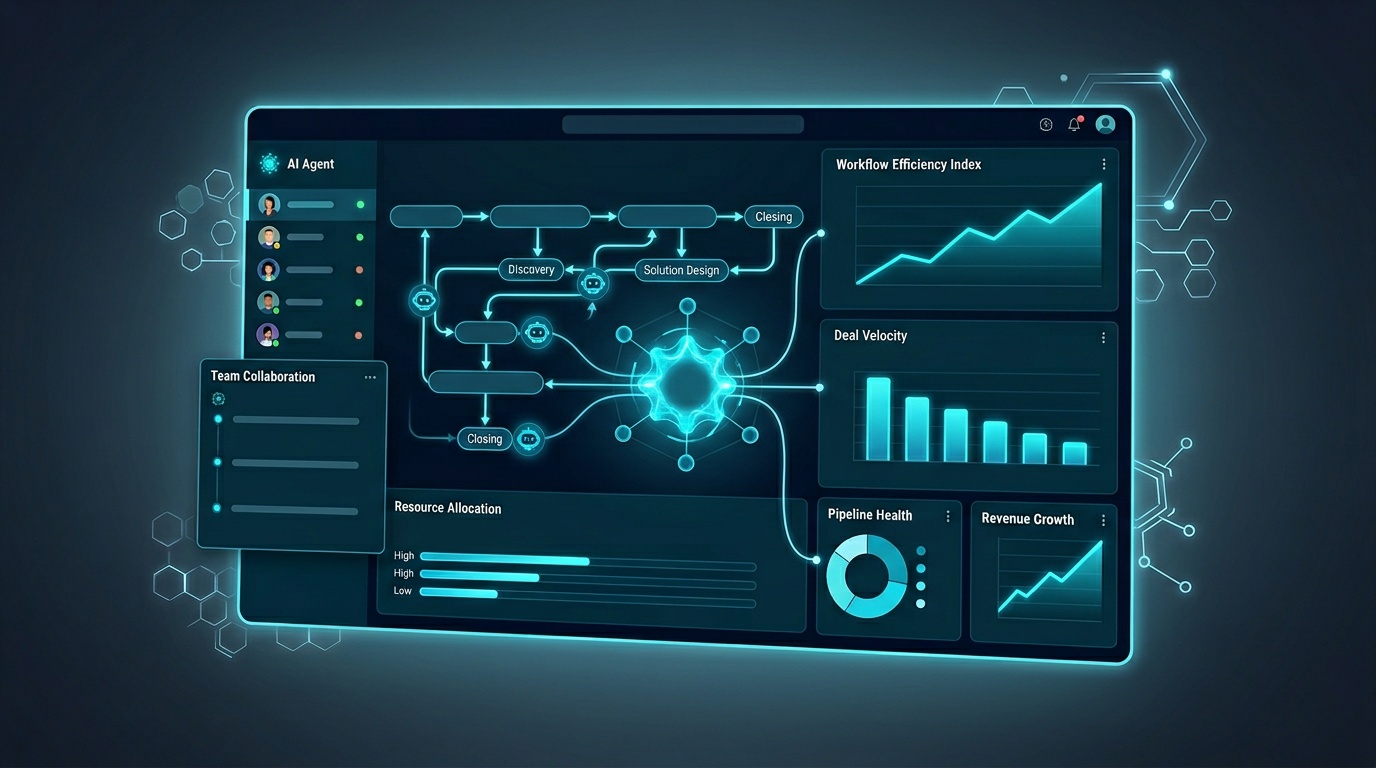
Understanding Extended Enterprise Sales Timelines
Enterprise sales cycles run on different timelines than traditional B2B transactions. Where standard sales might close within weeks, these deals unfold over quarters or years. This extended timeline reflects the complexity of change management, budget approvals, and technical integration needs.
Sales teams must maintain momentum across multiple fiscal periods while adapting to shifting priorities and personnel changes. I’ve seen deals stall for months because a key stakeholder left the company mid-cycle.
Key Stages: From Prospecting to Partnership
The process begins with strategic account identification and relationship mapping across target organizations. Initial prospecting focuses on understanding organizational structure, identifying key influencers, and qualifying budget authority.
Discovery phases involve multiple stakeholder interviews, technical assessments, and business case development. Proposal stages require customization, security reviews, and pilot program design. Post-sale implementation becomes a true partnership, with ongoing optimization and expansion opportunities that drive long-term revenue growth.
Why Stakes Are So High
Enterprise customers approach major technology investments with extreme caution. Failed deployments can disrupt operations, affect thousands of employees, and damage career prospects for decision-makers. This risk aversion translates into extensive evaluation processes, multiple vendor comparisons, and rigorous testing phases.
The upside? More committed customers who stick around longer and expand their investments over time.
Why Traditional Sales Tactics Fail in Enterprise Deals
Standard sales approaches often fail because they prioritize speed over relationship depth. Enterprise buyers expect consultative partnerships, not product presentations. They require vendors who understand industry challenges, regulatory requirements, and competitive pressures.
Successful enterprise sales professionals act as strategic advisors, helping customers work through complex decision-making while building consensus among diverse stakeholder groups.
Key Insight: AI’s Role in Modern Enterprise Sales
Enterprise sales teams increasingly rely on AI automation to manage prospect research, personalized outreach sequences, and stakeholder communication tracking. AI agents can analyze organizational structures, identify decision-maker relationships, and optimize engagement timing across extended sales cycles.
Enterprise Sales Roles, Skills, and the AI Revolution
Core Roles in Enterprise Sales Teams
Enterprise sales organizations operate through specialized teams rather than solo contributors. Account executives manage strategic relationships and deal orchestration. Sales development reps handle initial prospecting and qualification. Solutions engineers provide technical expertise during demonstrations and proof-of-concept phases.
Customer success managers drive post-sale adoption and identify expansion opportunities. Sales operations analysts track performance metrics and optimize processes across the organization.
Essential Skills for Enterprise Sales Success
Successful enterprise sales professionals communicate effectively across organizational hierarchies. From C-suite executives to technical teams to procurement departments. They develop deep industry knowledge, regulatory awareness, and competitive intelligence.
Financial skills matter too. You’ll need ROI calculations, budget justification capabilities, and contract negotiation expertise. Project management skills help coordinate implementation timelines and stakeholder communication throughout those marathon sales cycles.
How AI is Transforming Enterprise Sales Jobs
AI automation is changing enterprise sales jobs by handling research and administrative tasks that used to consume selling time. Intelligent prospecting tools analyze organizational charts, identify decision-maker relationships, and track personnel changes across target accounts.
Automated outreach sequences maintain consistent communication with multiple stakeholders while personalizing messaging based on role-specific priorities. AI-powered analytics predict deal probability, identify optimal engagement timing, and surface common objection patterns early in the cycle.
Pros
- Higher productivity through automated research and data analysis
- Improved lead qualification and prioritization accuracy
- More consistent follow-up across complex stakeholder networks
- Predictive insights for forecasting and risk management
Cons
- Learning curve as sales teams adopt new tools
- Risk of over-automation that weakens relationship building
- Data quality requirements for strong AI performance
- Integration complexity with existing CRM systems
AI as Strategic Partner in Enterprise Deals
Modern AI agents support strategy, not just execution. They analyze communication patterns to spot buying signals, recommend optimal proposal timing, and suggest content aligned to specific stakeholder personas.
These systems also track competitive mentions, monitor industry trends affecting target accounts, and alert sales teams to organizational changes that create opportunities. Or introduce risk within active deals.
Enterprise Sales in Action: Real Industry Applications
Real Estate: From Mega-Developments to Portfolio Management
Real estate enterprise sales includes multimillion-dollar commercial developments, large-scale residential projects, and institutional property management contracts. These deals require coordination among developers, investors, municipal authorities, and construction teams across extended timelines.
AI agents streamline lead qualification for high-value prospects, automate investor outreach campaigns, and track regulatory approval steps that influence deal timing and feasibility. We’ve seen clients reduce their lead qualification time from weeks to days while maintaining relationship quality.
Recruitment: Scaling Talent Acquisition
Enterprise recruitment includes sourcing talent for Fortune 500 companies, managing large-scale hiring initiatives, and building long-term workforce planning partnerships. Recruitment firms must work through complex approval processes, cultural fit assessments, and compensation negotiations.
AI automation accelerates candidate screening, personalizes outreach to passive candidates, and maintains consistent communication throughout extended evaluation cycles. The result? Higher placement rates and stronger client relationships.
Fundraising: Major Investments and Strategic Partnerships
Enterprise fundraising includes institutional investor relations, major donor development, and strategic partnership building. These relationships develop over years through consistent engagement, demonstrated results, and alignment with investor priorities.
AI systems track investor preferences, monitor market conditions affecting funding availability, and optimize outreach timing based on portfolio performance and market sentiment. Organizations report 40-60% improvement in investor response rates with AI-powered outreach.
Measurable AI Impact Across Industries
Organizations implementing AI-powered enterprise sales processes report 35% faster lead qualification, 25% higher conversion rates, and 50% reduction in administrative work. These improvements help sales professionals focus on strategic relationship building while maintaining consistent engagement across long sales cycles.
Frequently Asked Questions
What defines enterprise sales?
Enterprise sales targets large organizations, typically with over 1,000 employees, involving deal values exceeding $100,000. It’s a complex B2B sales process characterized by extended sales cycles, often 6-18 months, and multiple decision-makers. This approach focuses on building strategic partnerships and delivering customized solutions that can reshape an organization’s operations.
What distinguishes enterprise sales from standard B2B sales?
The primary distinction lies in complexity and strategic impact. Enterprise sales involves significantly larger deal sizes, longer sales cycles, and a greater number of stakeholders compared to standard B2B or SMB sales. It prioritizes customized solutions and deep relationship building over transactional engagements, aiming for organizational transformation rather than addressing immediate pain points.
Who is considered an enterprise customer?
An enterprise customer is typically a large organization with 1,000+ employees and often annual revenues above $1 billion. These companies operate across multiple locations, have complex hierarchies, and require solutions that integrate with their existing software ecosystems. They prioritize vendor stability, long-term support, and proven track records, not just cost.
What does an enterprise sales professional typically do?
Enterprise sales professionals act as strategic advisors, guiding large organizations through complex purchasing decisions. They build deep relationships, orchestrate deals across multiple departments, and ensure solutions are customized to meet specific organizational needs. Roles often include account executives managing strategy, solutions engineers providing technical expertise, and customer success managers driving adoption.
How long does an enterprise sales cycle usually last?
Enterprise sales cycles are considerably longer than traditional B2B sales, typically ranging from 6 to 18 months, and sometimes even longer. This extended timeline reflects the need for extensive evaluation, budget approvals, technical integration planning, and managing numerous stakeholders. The high stakes and potential organizational impact necessitate a thorough and cautious approach from customers.
How can AI assist enterprise sales teams?
AI automation can significantly support enterprise sales teams by streamlining prospect research, personalizing outreach sequences, and tracking stakeholder communications across extended cycles. For example, AI agents can analyze organizational structures and optimize engagement timing. This allows sales professionals to focus more on strategic relationship building and consultative selling.