
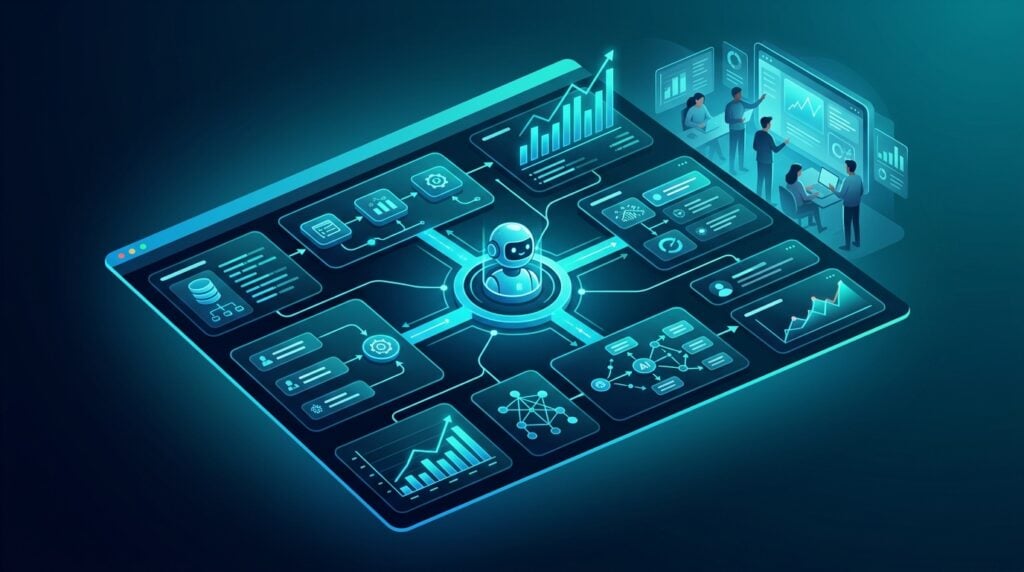
customer experience automation
Unpacking Customer Experience Automation: More Than Just Chatbots
Customer experience automation (CXA) represents a strategic evolution beyond simple task automation. It involves intelligently orchestrating automated processes to deliver a seamless, personalized, and efficient journey for every customer. At its core, CXA aims to anticipate needs, resolve issues proactively, and build deeper engagement across touchpoints.
Defining Customer Experience Automation (CXA)
CXA is the use of technology to automate and optimize interactions a customer has with a business. This includes marketing, sales, and service touchpoints, supporting consistency and personalization at scale. Unlike basic task automation, CXA focuses on the end-to-end customer journey, aiming to create positive experiences that support long-term loyalty.
Customer Service Automation (CSA) vs. CXA: What’s the Difference?
Customer service automation (CSA) typically focuses on reactive support through tools such as chatbots and automated ticketing. CXA takes a broader, proactive approach by coordinating automation across the customer lifecycle, from outreach and onboarding to support and retention, with the goal of improving brand perception and satisfaction.
The Strategic Imperative: Why CXA Is Nonnegotiable for Growth
In a competitive market, customer experience is a key differentiator. CXA is not only an operational upgrade; it is a growth strategy. By automating high-volume interactions, businesses can scale service quality, personalize engagement, and free teams to focus on higher-value work that supports revenue and customer lifetime value.
The Measurable Business Outcomes of Intelligent CX Automation
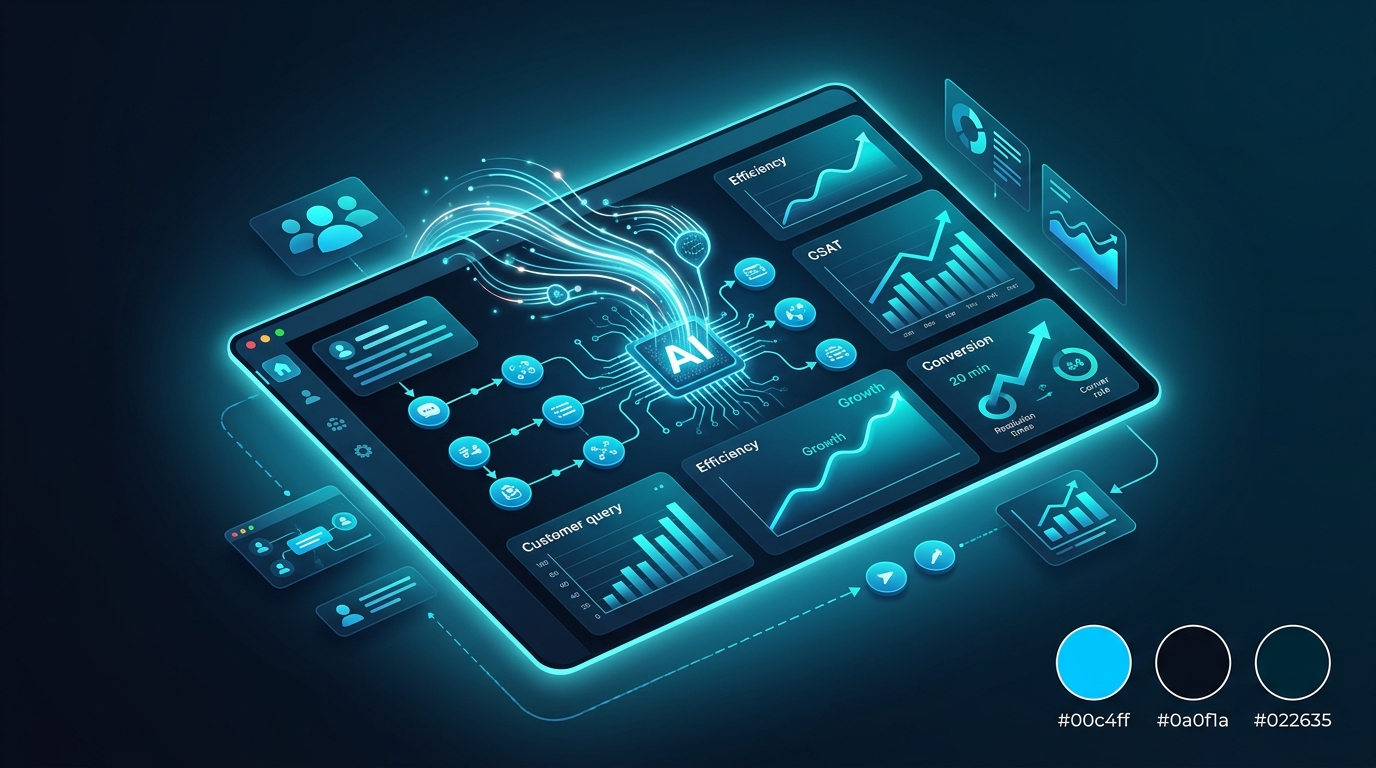
Implementing intelligent customer experience automation can produce measurable outcomes that impact the bottom line. For mid-market SMEs, this often means efficiency gains and stronger customer relationships without proportional headcount growth.
Boosting Efficiency and Reducing Operational Costs
Automating repetitive tasks, such as initial lead qualification or answering frequently asked questions, frees up human capacity. Teams can focus on complex issues and strategic initiatives, reducing operational overhead and improving throughput.
Achieving Scalable Revenue Growth Without Headcount Expansion
Intelligent automation helps businesses handle higher interaction volume and process load without a linear increase in staffing. This capability supports mid-market companies that want to scale revenue and expand reach efficiently.
Elevating Customer Satisfaction and Loyalty Through Personalization
CXA supports personalized communication and service delivery. By using customer data and preferences, automated systems can deliver targeted messages and next-best actions that increase satisfaction and retention.
Empowering Your Teams: Augmenting Human Capabilities
Effective automation supports, rather than replaces, human work. When AI handles routine tasks, employees can spend more time on nuanced problem-solving, relationship development, and planning.
Beyond Basic Bots: Enterprise AI Agents for Vertical-Specific CX
Generic automation often falls short in industries with specialized workflows. Enterprise AI agents, like those delivered through Vynta AI’s AI Automation Services, can be tailored to industry requirements and customer expectations.
Real Estate: Automating Lead Qualification and Property Matching
AI agents can triage inbound leads, qualify them against defined criteria, and route prospects to relevant listings and agents. This can shorten the sales cycle and keep teams focused on high-intent buyers and sellers.
Recruitment: Streamlining Candidate Screening and Scheduling
Automating early-stage screening and candidate communication, including interview scheduling, can reduce time-to-hire and improve the candidate experience.
Fundraising: Optimizing Investor Outreach and Donor Engagement
Hospitality: Elevating Guest Experiences and Reservation Management
From booking confirmations to proactive support during a guest stay, AI agents can support hospitality teams by handling high-volume requests and routing VIP or complex needs to staff.
How Vynta AI Agents Deliver Industry-Focused Automation
Vynta AI builds custom AI agents aligned to sector workflows and customer touchpoints. The goal is context-aware automation that supports measurable outcomes across industries such as real estate, recruitment, fundraising, and hospitality.
Practical Examples and Tools to Automate CX
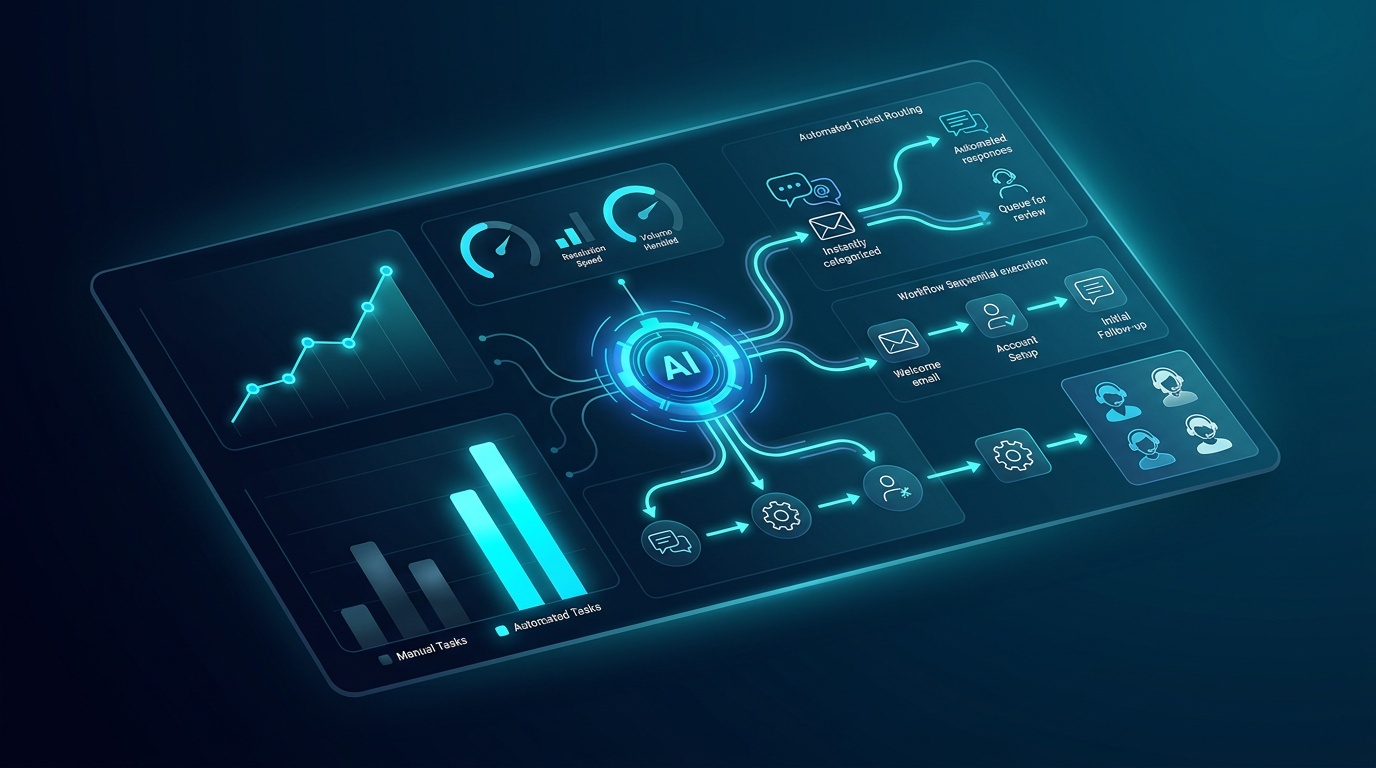
Most teams start with a few high-volume workflows and expand from there. The aim is consistent execution, clean handoffs to humans, and measurable lift.
Automated Email Marketing and Lifecycle Nurture
Automated email marketing is a common entry point: onboarding sequences, reactivation campaigns, and post-purchase follow-ups. When connected to CRM data, messaging can adapt to customer behavior without manual intervention.
Customer Service Automation Software and Routing
Customer service automation software can categorize inquiries, suggest replies, and route conversations to the right queue. The best setups include clear escalation rules so exceptions reach a person quickly.
Customer Service Automation Examples That Work
Effective customer service automation examples include order-status lookups, appointment scheduling, refund-policy answers, and triage for technical support. These flows reduce wait times while keeping support teams focused on edge cases.
ActiveCampaign Automation Recipes for Nurture
ActiveCampaign automation recipes can support lead scoring, pipeline stage updates, and behavior-based follow-up. Use simple triggers first (form submission, page visits, email clicks) and add complexity only after baseline reporting is in place.
How to Automate Customer Service Phone Number Workflows
If phone remains a primary channel, you can automate customer service phone number workflows by adding IVR-based routing, call-back requests, and SMS follow-ups after missed calls. Pair this with a shared inbox so conversations remain visible across the team.
Disadvantages of Automated Customer Service (and How to Reduce Them)
The disadvantages of automated customer service typically include rigid answers, poor handling of exceptions, and customer frustration when escalation is unclear. Reduce these risks with tight scope, strong knowledge content, clear handoff paths, and regular review of transcripts and outcomes.
Building a Customer Experience Automation Program in 2026
In 2026, the teams that win with customer experience automation will treat it as an operating model: define the journeys, instrument the data, automate the repeatable steps, and keep humans in control of exceptions.
Frequently Asked Questions
What is customer experience automation?
Customer experience automation, or CXA, uses technology to automate and optimize customer interactions across marketing, sales, and service touchpoints. It focuses on the entire customer journey, delivering seamless, personalized, and efficient experiences at scale. The goal is to anticipate needs, resolve issues proactively, and build deeper customer engagement, supporting long-term loyalty.
How does customer experience automation differ from customer service automation?
Customer experience automation (CXA) takes a broader, proactive approach across the entire customer lifecycle, including marketing, sales, and service. In contrast, customer service automation (CSA) typically focuses on reactive support, handling specific issues through tools like chatbots and automated ticketing. CXA aims to improve overall brand perception and satisfaction by orchestrating consistent, personalized experiences.
Why is customer experience automation important for business growth?
Customer experience is a significant differentiator in today’s competitive market. CXA is a growth strategy that allows businesses to scale service quality and personalize engagement by automating high-volume interactions. This frees teams to focus on higher-value work, directly supporting revenue and customer lifetime value.
What measurable outcomes can businesses expect from intelligent CX automation?
Intelligent CX automation delivers measurable outcomes like efficiency gains and stronger customer relationships. Businesses can reduce operational costs by automating repetitive tasks and achieve scalable revenue growth without proportional headcount expansion. It also elevates customer satisfaction through personalization and empowers teams by freeing them for complex, strategic work.
How does customer experience automation support human teams?
CXA supports human teams by automating repetitive and data-heavy tasks, allowing employees to focus on higher-value work. This includes nuanced problem-solving, relationship development, and strategic planning. The human-AI collaboration model improves speed and efficiency without sacrificing the quality of human interaction, as people handle empathy, judgment, and exceptions.
Can you provide examples of customer experience automation in specific industries?
Absolutely. In real estate, CXA can automate lead qualification and property matching. For recruitment, it streamlines candidate screening and interview scheduling. Fundraising benefits from optimized investor outreach and donor engagement, while hospitality uses it for elevating guest experiences and reservation management.
How can businesses measure the success of CX automation?
Businesses can measure the success of CX automation using both operational and customer-centric metrics. Key performance indicators include customer satisfaction (CSAT), first-response time, and resolution time. Additionally, tracking conversion rates, retention rates, and cost per contact provides a clear picture of the automation’s impact.