

Key Takeaways
- Effective chatbot best practices enhance customer interactions and drive revenue growth.
- In real estate, chatbots speed up lead qualification by 30-50% and improve conversion rates by 15-25%.
- Recruitment chatbots reduce screening time by 40-60% and increase qualified candidates per recruiter by 20-35%.
- Hospitality chatbots boost pre-arrival upsells by 15-30% and raise guest satisfaction scores by 10-15 points.
Table of Contents
- Why Chatbot Best Practices Matter (And What They Actually Deliver)
- Defining Your Chatbot’s Purpose: Goals That Actually Move the Needle
- Choosing the Right Type of Chatbot for Your Business
- Designing the Conversation: Flows That Convert, Not Just Chat
- Building a Chatbot Personality That Feels Human (Without Being Creepy)
- Using Buttons, Menus, and Quick Replies Effectively
- Integrating with Your Systems: Where the Real Power Lives
- Human-in-the-Loop: Designing Handoffs That Feel Seamless
- Measuring Success: KPIs That Actually Matter
- Avoiding the Pitfalls: Common Problems and How to Fix Them
- Leading Chatbot Solutions: Platform Comparison
- Next Steps: From Planning to Launch and Beyond
- Future-Proofing Your Chatbot Strategy
Why Chatbot Best Practices Matter (And What They Actually Deliver)
Implementing effective chat bot best practices transforms your customer interactions from basic FAQ responses into revenue-generating conversations. Well-designed chatbots in real estate generate 30-50% faster lead qualification and 15-25% higher conversion rates from chat leads. In recruitment, they reduce screening time by 40-60% while increasing qualified candidates per recruiter by 20-35%. Hospitality businesses see 15-30% increases in pre-arrival upsells and 10-15 point lifts in guest satisfaction scores.
The difference between a successful chatbot and digital dead weight lies in strategic implementation focused on measurable business outcomes. Most chatbots fail because they’re treated as glorified FAQ pages rather than integrated business tools that connect directly to CRM systems, booking platforms, and sales processes.
Common Chatbot Mistakes That Kill ROI
The biggest mistake is over-automating complex relationship moments. Real estate negotiations, sensitive recruitment discussions, and hospitality complaints require human touch. Smart chat bot best practices focus automation on high-volume, time-sensitive tasks like lead capture, initial screening, and booking confirmations while designing seamless handoffs for complex situations.
Quick Answer: What Should My Chatbot Achieve?
- Real Estate: Qualify leads, book viewings, match properties to buyer preferences
- Recruitment: Screen candidates, schedule interviews, answer application FAQs
- Fundraising: Capture investor interest, book meetings, send personalized follow-ups
- Hospitality: Confirm bookings, upsell services, handle routine guest requests
Defining Your Chatbot’s Purpose: Goals That Actually Move the Needle
vynta.ai/wp-content/uploads/2025/12/modern_workspace_with_digital_notes_gears_hourglas.webp” alt=”Modern workspace with digital notes, gears, hourglass, and recruitment and real estate scenes in neon blue tones.” />
Start with specific business problems, not technology features. Successful chatbots solve repetitive, high-volume tasks that currently bottleneck your team. Recruitment firms spend 60% of their time on administrative screening. Real estate agencies lose 20% of hot leads due to slow response times. Hospitality businesses can’t scale personalized service without dramatically increasing labor costs.
Setting SMART Goals for Each Vertical
Define measurable outcomes with specific timeframes. Real estate chatbots should increase lead-to-viewing conversion by 25% within three months. Recruitment bots should reduce CV screening time by 50% in two months. Fundraising automation should generate 30 qualified investor meetings monthly within 90 days. Hospitality chatbots should boost pre-arrival upsell rates by 20% in 60 days.
Track conversion rates at each stage: lead to viewing, candidate to interview, investor to meeting, guest to upsell. Monitor time-to-first-response, volume handled by bot versus human escalation, and user satisfaction scores. These metrics directly correlate to revenue impact and operational efficiency gains.
Choosing the Right Type of Chatbot for Your Business
Hybrid chatbots combining rule-based flows with AI capabilities deliver the best results for most SMEs. Rule-based elements handle predictable paths like booking confirmations and basic lead capture, while AI components manage complex queries, qualification, and personalized recommendations. This approach provides reliability for common scenarios and flexibility for edge cases.
Selecting by Vertical: What Each Industry Needs
Real estate requires property matching algorithms, instant lead response, and CRM integration for follow-up automation. Recruitment needs CV parsing, screening workflows, and ATS integration for candidate pipeline management. Fundraising demands investor qualification, meeting scheduling, and donor relationship management. Hospitality focuses on booking management, upselling automation, and guest service optimization.
Each vertical benefits from industry-specific templates and pre-built integrations. Generic chatbot platforms lack the deep workflow understanding needed to drive meaningful ROI in specialized industries like real estate, recruitment, fundraising, and hospitality.
Designing the Conversation: Flows That Convert, Not Just Chat
Map your conversation flow from first touch to resolution. Real estate flows progress from lead capture through qualification to property matching and viewing booking. Recruitment conversations move from application submission through screening to interview scheduling. Each step should advance toward a specific business outcome, not just provide information.
Writing Effective Chatbot Scripts That Drive Action
Effective chat bot best practices emphasize concise, action-oriented messaging. Limit responses to 1-2 sentences with clear calls-to-action. Real estate scripts ask “What’s your budget and preferred location?” rather than generic “How can I help?” Recruitment bots request “Can you confirm your availability for an interview next week?” instead of open-ended scheduling questions.
Tailor welcome messages to specific pages and audiences. Property page visitors see “I can help you find your perfect home in under 2 minutes” while careers page visitors read “I can screen your CV and schedule an interview in minutes.” Relevance drives engagement more than clever copy.
Building a Chatbot Personality That Feels Human (Without Being Creepy)
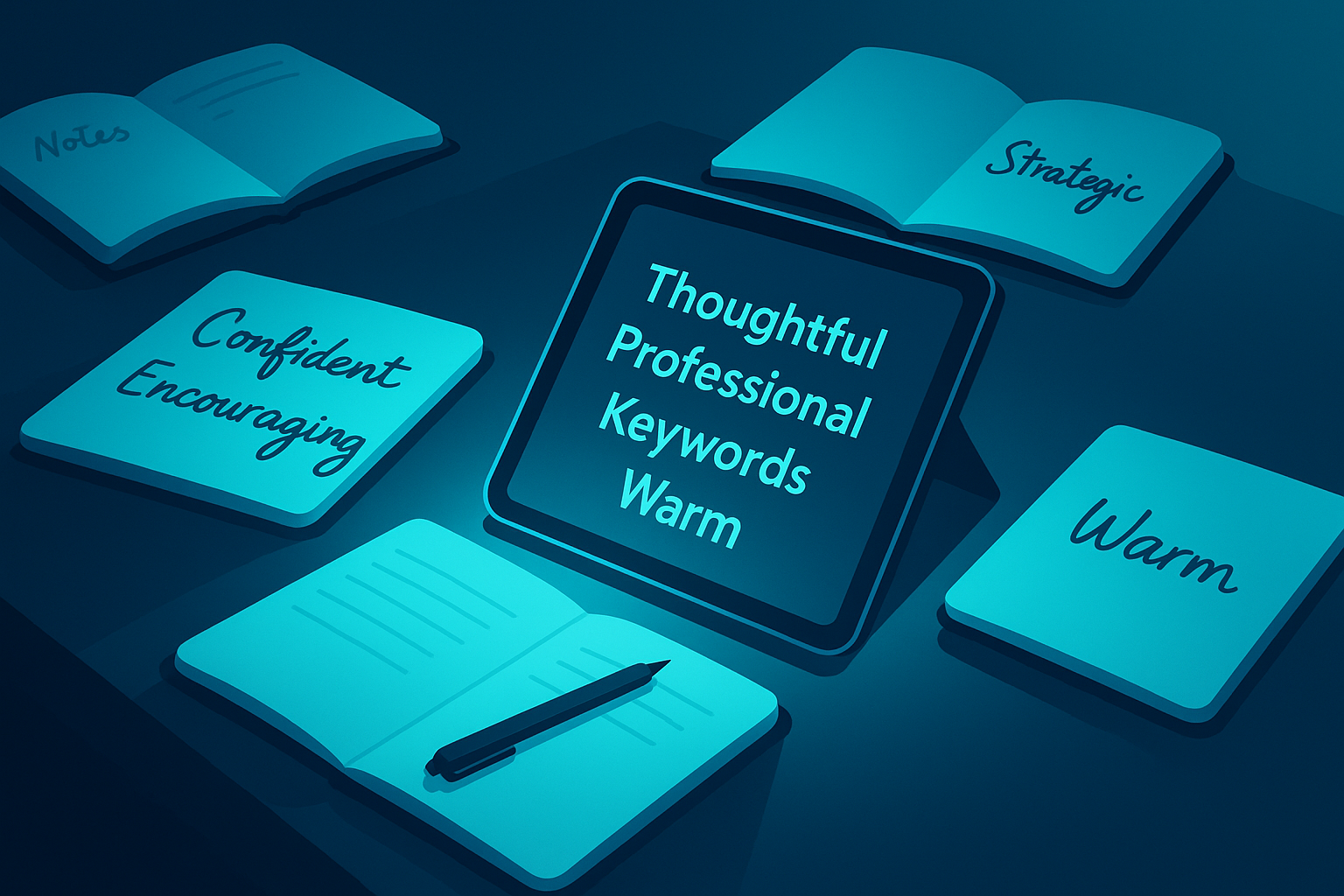
Align your chatbot’s tone with your brand voice while maintaining professionalism. Real estate bots should sound confident and knowledgeable, recruitment bots professional and encouraging, fundraising bots polished and strategic, hospitality bots warm and welcoming. Define 3-5 adjectives that describe your brand voice and write sample messages reflecting that personality.
Using Buttons, Menus, and Quick Replies Effectively
Use structured options for high-volume, predictable paths while reserving open text for complex queries. Buttons and menus work best for binary decisions (“Yes/No”), time selections (“This week/Next week”), and clear actions (“Book viewing,” “Schedule interview”). Limit options to 3-5 per message to avoid cognitive overload and always include an “Other” or “Ask a question” escape route.
Design fallback messages that maintain trust when the bot encounters limitations. Acknowledge the issue (“I didn’t quite understand that”), offer alternatives (“Here are a few things I can help with”), and escalate smoothly (“Let me connect you with a real person who can help”). Industry-specific fallbacks should reference appropriate team members: agents for real estate, recruiters for hiring, team members for fundraising, front desk for hospitality.
Integrating with Your Systems: Where the Real Power Lives
Integration transforms chatbots from conversation tools into revenue engines. Without CRM, ATS, or PMS integration, chatbots create data silos and manual handoffs that eliminate ROI potential. Effective chat bot best practices ensure every lead captured flows automatically into your sales pipeline with source tracking and timestamp data.
Key Integrations by Vertical
Real estate chatbots require CRM integration (Salesforce, HubSpot), property database connections, and calendar systems for viewing bookings. Recruitment bots need ATS integration (Greenhouse, Lever), CV parsing capabilities, and interview scheduling tools. Fundraising automation connects to donor management systems, meeting calendars, and document sharing platforms. Hospitality chatbots integrate with PMS systems (Opera, Cloudbeds), booking engines, and upselling platforms for spa, restaurant, and activity reservations.
Integration Success Indicators:
- Lead captured in chat → automatically created in CRM with source attribution
- Candidate screened → automatically updated in ATS with qualification score
- Investor interest captured → automatically added to CRM and assigned to BD team
- Booking confirmed → automatically updated in PMS with upsell preferences
Human-in-the-Loop: Designing Handoffs That Feel Seamless

Define clear escalation triggers for each vertical. Real estate bots escalate for complex negotiations, high-value leads, and sensitive pricing questions. Recruitment chatbots hand off during salary negotiations, complex candidate queries, and offer discussions. Fundraising bots escalate for high-net-worth investors, due diligence requests, and deal negotiations. Hospitality systems escalate complaints, special requests, and complex booking changes to human agents.
Design handoffs that feel natural by setting expectations, providing context, and minimizing friction. Effective transitions state “I’ll connect you with [Agent Name], our expert for [Area], who will call within 5 minutes” rather than generic “transferring to human agent” messages. Share complete chat history and key details with human agents to avoid repetitive questioning that frustrates users.
Measuring Success: KPIs That Actually Matter
Track metrics that directly correlate to revenue impact. Real estate chatbots should improve lead-to-viewing conversion rates, reduce time-to-first-response, and increase lead quality scores in your CRM. Recruitment bots measure screening capacity per recruiter, time-to-hire reduction, and candidate satisfaction scores. Fundraising automation tracks investor meeting rates, funding success percentages, and donor retention metrics. Hospitality chatbots focus on booking confirmation rates, pre-arrival upsell percentages, and guest satisfaction improvements.
How to Track and Report ROI
Calculate chatbot ROI through cost savings and revenue impact. Cost savings equal time saved by team members multiplied by hourly rates. Revenue impact includes additional conversions, upsells, and deals closed through improved response times and qualification processes. A recruitment chatbot saving 10 hours per week per recruiter at $50/hour generates $26,000 annual savings while potentially increasing placements by 20-35%.
Implement monthly reporting covering volume handled by bot versus human escalation, key conversion rates, time savings calculations, cost impact analysis, and user satisfaction metrics. This data drives continuous optimization and demonstrates measurable business value to stakeholders. For a deeper understanding of chatbot effectiveness, see this peer-reviewed study on chatbot performance.
Avoiding the Pitfalls: Common Problems and How to Fix Them
High drop-off rates typically result from lengthy flows, unclear value propositions, or poor mobile experiences. Implementing chat bot best practices means shortening qualification flows to focus on 1-2 key actions, making value clear in the first message, and optimizing for mobile-first interactions. Users abandon chatbots that require excessive information before providing value.
When users immediately request human agents, the bot likely can’t handle complex queries, sounds robotic, or lacks clear escalation paths. Fix this by improving fallback responses, refining personality and tone to match your brand voice, and making human escalation easily accessible without making users feel trapped in automated loops. For more background on the evolution and types of chatbots, visit the Wikipedia article on chatbots.
Leading Chatbot Solutions: Platform Comparison
Selecting the right chatbot platform determines implementation success and long-term ROI. Generic platforms lack industry-specific workflows while enterprise solutions often prove too complex and expensive for mid-market SMEs. The optimal solution combines technical sophistication with deep vertical expertise and seamless integration capabilities.
| Solution | Industry Focus | Integration Depth | Implementation Time |
|---|---|---|---|
| Vynta AI | Real Estate, Recruitment, Fundraising, Hospitality | Deep (CRM, ATS, PMS, custom APIs) | 2-4 weeks |
| Generic Chatbot Platform | All industries (generic) | Shallow (basic CRM, limited APIs) | 4-8 weeks |
| Enterprise AI Suite | Large enterprise (all sectors) | Extensive (requires IT resources) | 3-6 months |
Next Steps: From Planning to Launch and Beyond
Successful chatbot implementation follows a structured 30-day roadmap. Week one focuses on defining measurable goals, mapping user journeys, and selecting the appropriate bot type for your vertical. Week two involves designing conversation flows, writing industry-specific scripts, and defining integration requirements with existing systems. Week three covers platform setup, testing, and system integration. Week four includes pilot testing with a controlled user group, feedback collection, and optimization before full deployment.
Scale chatbot capabilities incrementally based on performance data and user feedback. Start with core use cases like lead qualification or booking confirmation, then expand to more complex scenarios like property matching or upselling. Continuous training and refinement improve AI accuracy while new features should be prioritized based on volume data and conversion impact rather than technical novelty.
When to Bring in an AI Automation Partner
Complex workflows spanning multiple systems, limited internal AI expertise, and need for rapid ROI indicate partnership requirements. Mid-market SMEs benefit most from specialized partners who understand industry-specific challenges and deliver pre-built solutions rather than generic platforms requiring extensive customization.
Vynta AI provides industry-specific templates, seamless integration with CRM, ATS, and PMS systems, and measurable ROI improvements in lead conversion, time-to-hire, donor retention, and revenue per guest. This specialized approach delivers faster implementation and better outcomes than generic chatbot platforms or internal development efforts.
Future-Proofing Your Chatbot Strategy
Effective chatbot strategies require ongoing adaptation to emerging technologies and user expectations. For more insights on the future of chatbot best practices, explore our latest analysis on conversational AI trends.
Frequently Asked Questions
What are the key benefits of implementing chatbot best practices in industries like real estate, recruitment, and hospitality?
Implementing chatbot best practices accelerates lead qualification by up to 50% in real estate, reduces candidate screening time by up to 60% in recruitment, and boosts pre-arrival upsells by up to 30% in hospitality. These improvements translate directly into higher conversion rates, increased operational efficiency, and enhanced guest satisfaction scores, driving measurable revenue growth across these sectors.
How can businesses effectively define their chatbot’s purpose to ensure it addresses specific challenges and drives measurable results?
Businesses should start by identifying high-impact tasks such as lead qualification, candidate screening, or reservation management that consume significant time but follow repeatable patterns. Defining clear goals aligned with these challenges—like reducing no-shows or improving candidate match rates—ensures the chatbot delivers focused, outcome-driven interactions that support overall business objectives.
What common mistakes should be avoided when designing chatbot automation to maximize ROI and maintain a human touch?
Avoid over-automating complex, sensitive interactions that require empathy or negotiation, such as real estate deal discussions or hospitality complaints. Instead, automate high-volume, routine tasks like initial lead capture or booking confirmations while designing seamless handoffs to human agents for nuanced conversations, preserving the personal touch that drives customer trust and satisfaction.
How important is integrating chatbots with existing systems like CRM and booking platforms for enhancing chatbot performance?
Integration with CRM, booking, and other operational systems is critical to unlock the full value of chatbots. It enables real-time data access, personalized responses, and automated updates, turning chatbots from simple FAQ tools into strategic business assets that streamline workflows, improve data accuracy, and enhance customer experience across real estate, recruitment, and hospitality.
About The Author
Anas Moujahid is the chief contributing writer & Operations Director for the Vynta AI Blog, where he turns cutting-edge AI automation into measurable business outcomes for mid-market companies.
Vynta AI designs enterprise-grade AI agents that augment rather than replace people—freeing teams to focus on higher-value work while the bots handle the busywork.
We specialise in four service-heavy verticals where AI can move the revenue needle fast: real estate, recruitment, fundraising and hospitality.
Anas started his career architecting AI and automation systems; today he leads operations at Vynta AI, making sure every deployment lands real-world ROI—whether that’s more booked viewings for estate agents, faster placements for recruiters, warmer investor pipelines for fundraisers or happier guests for hotels and restaurants.
Vynta AI delivers results by:
- Building industry-specific agents pre-trained on real-world workflows—no generic chatbots here.
- Integrating seamlessly with existing CRMs, ATSs, PMSs and fundraising platforms—zero rip-and-replace.
- Measuring success in business KPIs (lead-to-close rates, time-to-hire, donor retention, RevPAR) not vanity metrics.
- Providing transparent implementation plans so clients know exactly what to expect, when and why.
- Pairing every AI agent with human-in-the-loop controls to keep quality, compliance and brand voice on point.
Since launch, Vynta AI has helped agencies slash lead qualification time by up to 70 %, recruitment firms cut screening hours in half, fundraising teams triple investor touchpoints and hospitality brands lift guest satisfaction scores by double digits—all while keeping human expertise firmly in the loop.
Anas writes with the same ethos that drives Vynta AI: outcome-focused, jargon-free and grounded in real business value. Expect data-backed insights, practical implementation guides and a clear-eyed view of what AI can—and can’t—do for your organisation.