
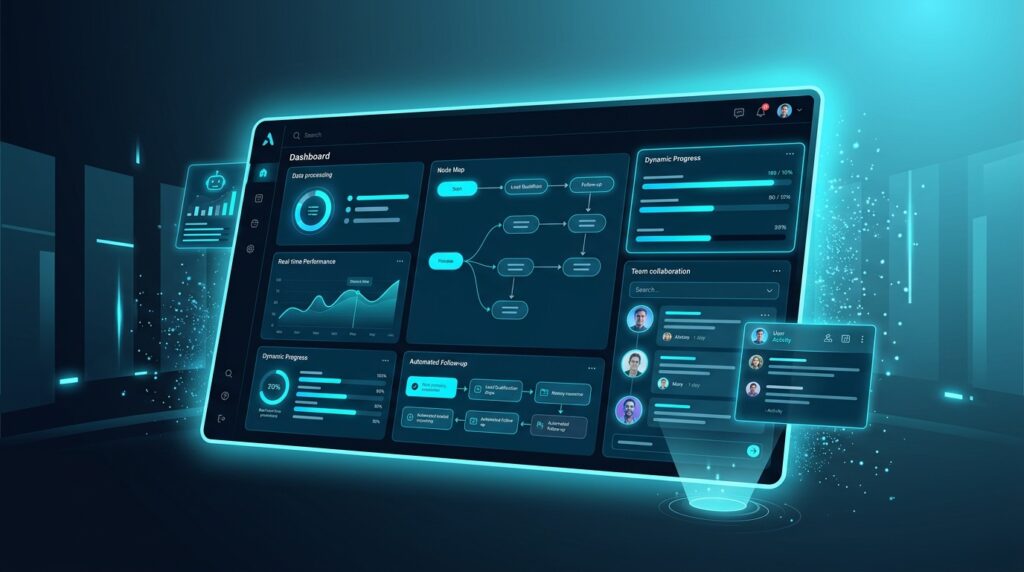
For mid-market businesses, the promise of AI in sales often feels out of reach, tied to enterprise budgets and complex implementations. Yet, the need to accelerate deal cycles, improve lead qualification, and maximize sales team efficiency is universal. The question isn’t whether AI can help, but how to access its power without breaking the bank. This is where budget-friendly agentic AI for deal closing? comes into play, offering a practical pathway to significant business transformation.
Agentic AI moves beyond basic automation by empowering software agents to take autonomous actions, make informed decisions, and manage complex workflows without constant human oversight. For sales teams, this translates to proactive lead engagement, intelligent qualification, and persistent follow-up, freeing up human talent for higher-value activities. We’ll explore what this means for your operations and how to find tools that deliver measurable outcomes without demanding enterprise-level investment.
What Is Agentic AI for Deal Closing?
Agentic AI represents a significant evolution in how we think about automation. Unlike traditional sales automation tools that follow pre-defined scripts or rules, agentic AI systems are designed to understand context, make independent decisions, and execute multi-step tasks autonomously. They operate with a degree of autonomy, much like a human assistant, but at machine speed and scale. This means they can actively pursue leads, analyze prospect needs, adapt communication strategies, and manage the entire follow-up process, thereby accelerating the path to closing deals.
The core differentiator lies in their proactive and adaptive nature. Where traditional automation might send a templated email, an agentic AI can analyze a prospect’s engagement, determine their current stage in the buyer’s journey, and then craft a personalized follow-up that addresses their specific concerns or interests. This level of intelligent interaction is what enables them to genuinely assist in the deal-closing process, moving beyond simple task management to strategic sales support.
Understanding the Difference
Traditional sales automation typically involves workflows triggered by specific events, such as sending an email after a form submission or logging a call. These systems are reactive and follow rigid logic. Agentic AI, on the other hand, is designed to perceive its environment (e.g., CRM data, prospect interactions), reason about it, and take actions to achieve specific goals. For example, an agentic AI agent might identify a lead that has gone cold, autonomously decide to try a different outreach channel, and then schedule a follow-up task based on the prospect’s response pattern. This active decision-making capability is key to its effectiveness in complex sales cycles.
How Agentic AI Differs from Traditional Sales Automation
The distinction between agentic AI and conventional sales automation is fundamental. Traditional tools are often rule-based and sequential; they execute a pre-programmed series of actions. For example, after a lead is entered, a workflow might send an introductory email, wait three days, and then send a follow-up email if no response is received. This system lacks adaptability and cannot deviate from its programmed path.
Agentic AI, on the other hand, incorporates learning and decision-making capabilities. It can analyze vast amounts of data, understand nuances in communication, and make strategic choices about the next best action. This might involve deciding to switch from email to a text message, escalating a lead based on specific engagement signals, or even identifying and prioritizing the most promising opportunities without human intervention. This autonomy allows it to handle dynamic sales environments far more effectively than rule-based systems. Gartner predicts that agentic AI will autonomously resolve 80% of common customer service issues by 2029, a principle that extends to sales processes, enabling proactive problem-solving and deal progression.
Core Capabilities of Deal-Closing AI Agents
AI agents designed for deal closing possess a suite of capabilities focused on driving revenue and efficiency. At their core, they excel at intelligent lead qualification, assessing prospect interest and budget alignment much faster than manual methods. They can conduct initial discovery calls or chats, gathering essential information to determine fit. This is supported by automated, personalized outreach across multiple channels like email, SMS, and chat, ensuring consistent engagement without requiring sales reps to manage every single touchpoint.
Also, these agents are adept at managing follow-ups, scheduling meetings, and even providing sales reps with synthesized insights about prospect behavior and preferences. For example, Agentic Systems for Real Estate demonstrate how these capabilities translate into tangible results: automating 80% of tasks to save over 20 hours per week per agent, increasing qualified pipelines by 3x, and improving conversion rates. This automation allows sales teams to focus on building relationships and closing complex deals, rather than getting bogged down in administrative tasks.
Top Budget-Friendly Agentic AI Tools for Sales Teams
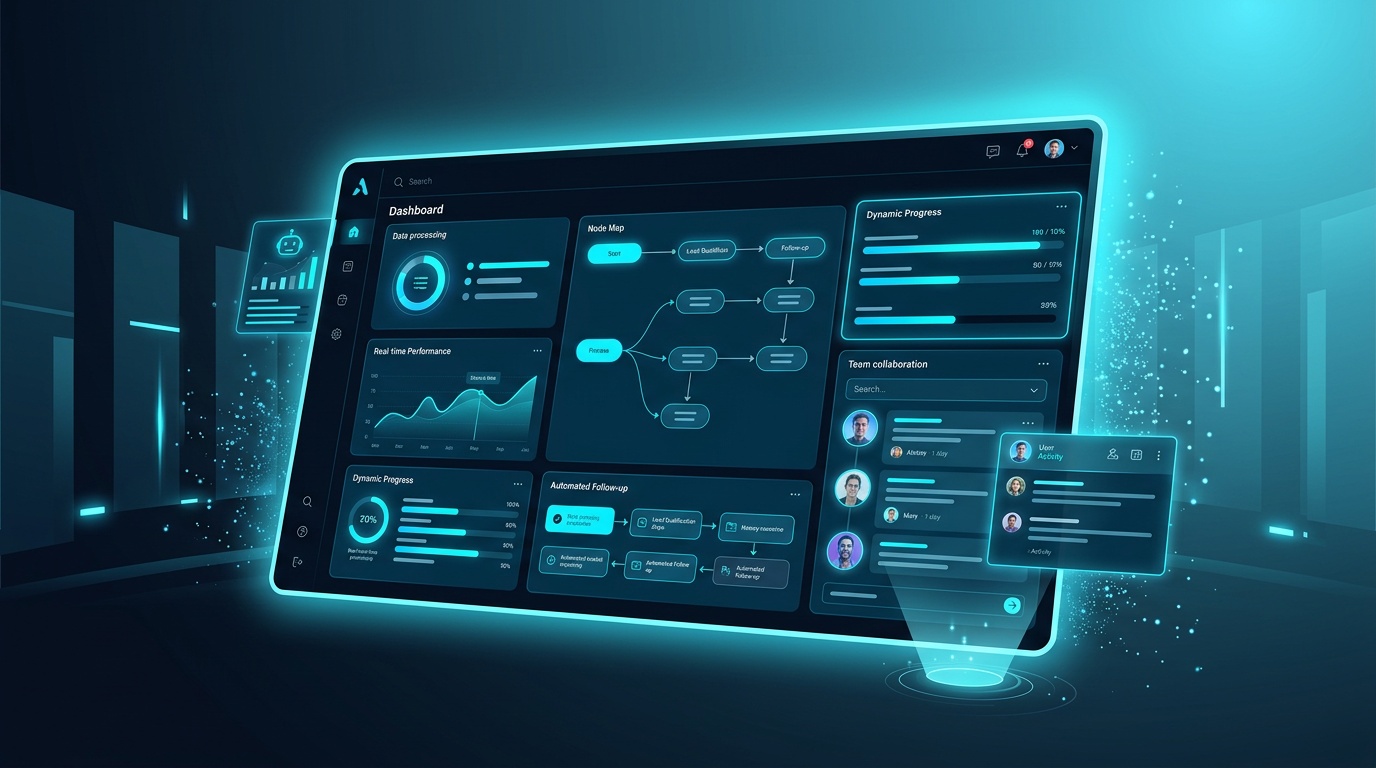
The market for agentic AI is expanding, and while enterprise-grade solutions exist, numerous options cater specifically to the budget constraints of mid-market SMEs. These tools are designed to offer advanced automation and decision-making capabilities without the prohibitive costs typically associated with AI adoption. They focus on delivering practical, outcome-driven features that directly impact sales performance, such as lead qualification, personalized outreach, and pipeline management. Identifying these budget-friendly solutions is key for businesses seeking to gain a competitive edge through AI.
When evaluating options, it’s important to look beyond the sticker price and understand the total cost of ownership, including implementation, training, and potential hidden fees. Many platforms offer tiered pricing or modular solutions that allow businesses to start small and scale as their needs and budget grow. The goal is to find a tool that provides a strong return on investment by automating tasks that traditionally consume significant sales team time and resources. For example, Apollo reports that users saw a 10% increase in win rates and a 10% increase in average contract value (ACV) with their AI tools, illustrating the potential financial upside from judicious AI investment.
Affordable AI for Measurable Impact
For mid-market companies, finding agentic AI solutions that are both effective and economically viable is paramount. Tools such as Avoma, which offers AI-powered coaching and conversation intelligence, can start at approximately $29 per month, providing significant value in analyzing sales calls and identifying areas for improvement. While not entirely autonomous deal closers in the strictest sense, platforms like Overloop offer AI-assisted prospecting and outreach features that can be integrated into sales workflows at competitive price points, often starting around $49 per month for basic plans. These solutions democratize access to AI, enabling smaller teams to compete with larger enterprises by optimizing their sales processes and improving outcomes.
Affordable AI Agents for Mid-Market SMEs
Mid-market SMEs often face the challenge of adopting sophisticated AI solutions that don’t require enterprise-level budgets. Fortunately, several platforms offer affordable agentic AI capabilities tailored for sales. Tools like Avoma provide AI-driven conversation intelligence and coaching, starting at around $29 per month, helping teams analyze sales calls and improve performance. Similarly, platforms like HubSpot’s Sales Hub incorporate AI features for tasks like email follow-up automation and lead scoring, with entry-level plans accessible for smaller businesses. While these may not be fully autonomous agents, they offer significant AI-powered assistance at a budget-friendly price point. For more direct agentic capabilities, solutions that focus on specific tasks, such as automated lead qualification or personalized outreach sequences, can often be found for under $100 per month, making them ideal for scaling sales operations efficiently.
The key is to identify AI tools that specifically target pain points like lead qualification and follow-up. For example, some services offer AI-driven lead qualification bots that can engage prospects instantly, gather information, and book meetings, often with pricing models that reflect the volume of leads processed rather than a high fixed monthly cost. This approach allows businesses to invest based on their actual needs and the value generated. The ability to provide AI-driven forecasting, as demonstrated by Oliv.ai’s claim of improving accuracy by 25-30 percentage points, highlights how even budget-conscious solutions can offer substantial strategic advantages.
Understanding Pricing Models: Per-Seat vs. Outcome-Based
When evaluating budget-friendly agentic AI tools, understanding the pricing structure is as important as the features offered. The most common model is per-seat pricing, where you pay a fixed monthly fee for each user who accesses the software. While straightforward, this can become costly as your team grows or if you need licenses for many individuals. For example, some comprehensive AI sales platforms might charge $100-$300 per seat per month, quickly exceeding a mid-market budget.
An alternative, often more aligned with budget-conscious businesses, is outcome-based or usage-based pricing. In this model, costs are tied to the actual results or volume of work performed by the AI. This could mean paying per qualified lead generated, per meeting booked, or per number of contacts managed. This approach aligns the vendor’s success with yours, ensuring you only pay for tangible value delivered. For example, a service might charge per interaction or per successful task completion, making it highly scalable and predictable. While pure outcome-based models are less common for agentic AI that performs broad tasks, many platforms offer hybrid approaches or tiered usage limits that provide a similar benefit, ensuring that budget-friendly agentic AI for deal closing? remains accessible.
Measuring ROI: What Budget AI Agents Actually Deliver
Real Estate and Recruitment: Accelerating Lead Conversion
For real estate agencies and recruitment firms, budget-friendly agentic AI for deal closing? translates directly into faster lead conversion and increased revenue without proportionally increasing headcount. Take Agentic Systems for Real Estate as a prime example. This system automates 80% of routine tasks, such as instant lead engagement, AI-driven qualification, and follow-up scheduling, enabling agents to save over 20 hours weekly. These efficiencies correlate with a threefold increase in qualified pipelines and an 85% conversion rate, contributing to over $100,000 in additional revenue per agent annually.
In recruitment, AI agents that autonomously qualify candidates and manage communications reduce time-to-hire by minimizing manual screening and repetitive outreach. These tools analyze candidate profiles using advanced matching algorithms, increasing the accuracy and speed of shortlisting. Industry reports show that 65% of sales and recruitment teams adopting AI agents experience improved lead qualification quality, leading to higher placement rates and stronger client satisfaction. This data supports a clear business case: budget-conscious AI tools can accelerate recruitment cycles and improve match rates while reducing administrative overhead.
Fundraising and Hospitality: Scaling Personalized Outreach
In fundraising and hospitality, budget-friendly agentic AI delivers measurable ROI by enabling personalized outreach at scale. Fundraising organizations use AI agents to automate investor segmentation, outreach, and follow-up, fostering donor retention and expanding investor pipelines. AI-driven personalization improves engagement by tailoring messages based on donor preferences and past interactions, increasing response rates without requiring additional staff. The ability to automate routine communications and schedule timely reminders reduces the risk of missed opportunities and cultivates long-term relationships.
Hospitality businesses benefit from AI agents that manage guest communications across multiple channels, ensuring prompt responses to inquiries, reservations, and feedback collection. This level of attentive service enhances guest satisfaction and loyalty, which directly impacts revenue through repeat visits and positive reviews. Metrics gathered from deployments show that AI agents can handle up to 80% of routine guest interactions, freeing staff to focus on delivering higher-value experiences. These outcomes demonstrate that budget-friendly agentic AI solutions can scale personalized outreach effectively, generating tangible improvements in retention and operational efficiency.
A Practical Framework for Evaluating Budget AI Tools
Step-by-Step Selection Checklist
Selecting the right budget-friendly agentic AI for deal closing? requires a structured approach to balance functionality, cost, and integration ease. Start by defining core sales or operational goals. Whether accelerating lead qualification, improving follow-up consistency, or increasing pipeline velocity. Next, assess whether the AI tool offers autonomous decision-making capabilities relevant to those goals, such as multi-channel engagement or dynamic task scheduling.
Integration capability is critical; AI agents must work with existing CRM systems, communication platforms, and data sources to avoid siloed workflows. Confirm that the tool supports your primary channels like email, SMS, chat, and CRM APIs. Evaluate the ease of setup and user experience, as complex implementations can delay ROI realization. Lastly, review pricing transparency, including any volume-based fees or hidden costs, to ensure alignment with your budget constraints. This checklist guides businesses toward AI solutions that deliver measurable results without unexpected expenses.
Avoiding Common Pitfalls with Low-Cost AI Agents
Low-cost AI agents may appear attractive but can pose risks if their capabilities are overpromised or integration is limited. One frequent pitfall is choosing tools that require extensive manual intervention or lack true agentic autonomy, which diminishes time savings and ROI. Another is poor data compatibility, where the AI cannot access or update critical CRM records, leading to fragmented pipelines and duplicated efforts.
Beware of limited scalability: some budget solutions impose caps on contacts, interactions, or users that may restrict growth. Additionally, insufficient vendor support or documentation can lead to prolonged onboarding and underutilization. When considering building internal AI agents, factor in the hidden costs of development, maintenance, and expertise required. Often, a well-chosen budget-friendly agentic AI tool offers faster deployment, ongoing improvements, and a better overall return than DIY alternatives.
Pros and Cons of Budget-Friendly Agentic AI Tools
Pros
- Lower upfront investment compared to enterprise solutions
- Faster implementation with pre-built workflows
- Improved lead qualification and follow-up automation
- Scalable pricing models aligned with usage
- Augments human agents, increasing productivity and deal closure rates
Cons
- Potential limitations in advanced AI decision-making capabilities
- Possible restrictions on integration with complex CRM setups
- Vendor support and feature updates may be less frequent
- Scalability may be constrained by usage or user limits
- Risk of over-reliance on automation without sufficient human oversight
Frequently Asked Questions About Budget AI Agents
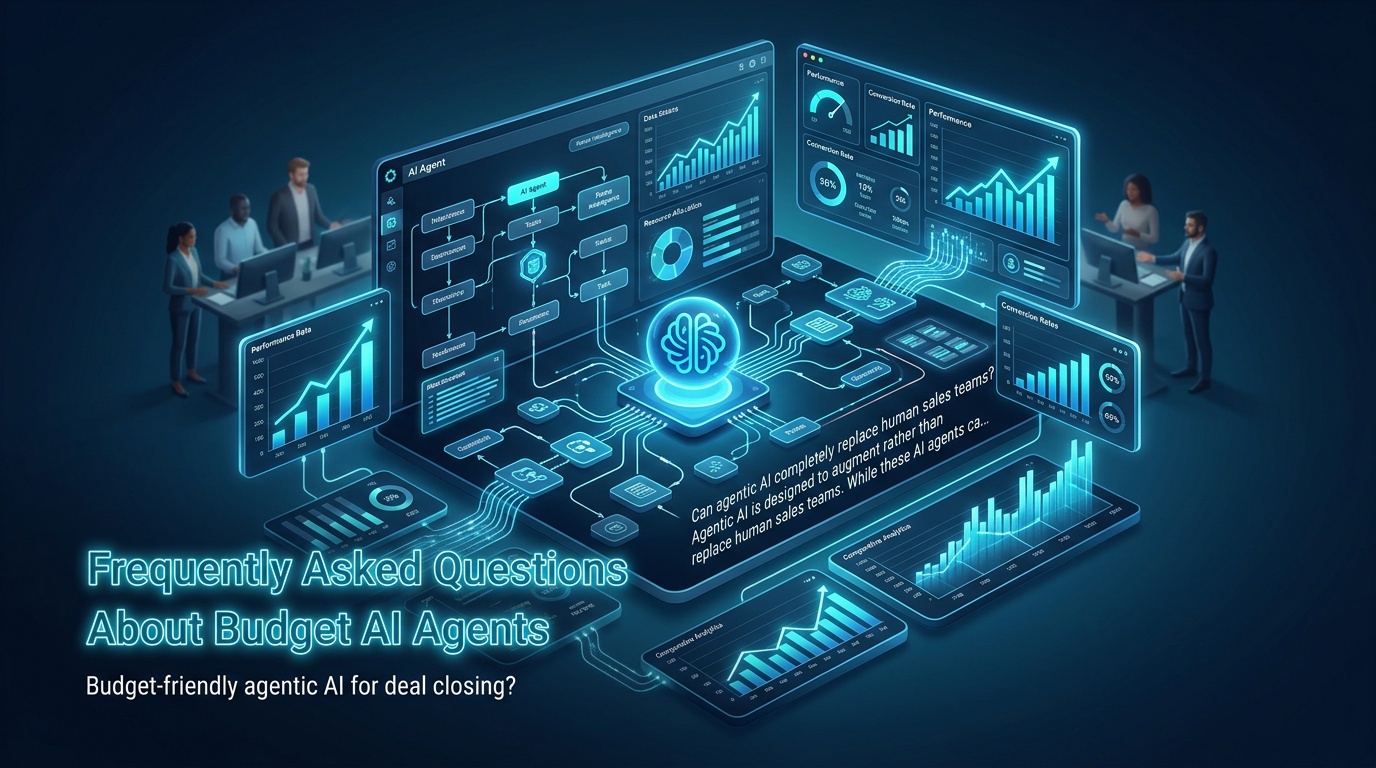
Can agentic AI completely replace human sales teams?
Agentic AI is designed to augment rather than replace human sales teams. While these AI agents can autonomously handle routine tasks such as lead qualification, follow-ups, and scheduling, they do not replicate the full complexity of human judgment, relationship-building, and negotiation skills essential in closing high-stakes deals. For example, Agentic Systems for Real Estate automate up to 80% of routine activities, freeing agents to focus on strategic conversations and personalized client interactions. This division of labor improves efficiency and conversion rates without eliminating the human touch that drives trust and complex decision-making in sales. Gartner forecasts that by 2029, agentic AI will autonomously resolve 80% of routine customer service issues, a capability that extends to sales support but not full replacement of human roles.
What is the absolute minimum budget for an effective AI agent?
Effective budget-friendly agentic AI for deal closing? can start as low as $29 per user per month, with platforms offering basic AI-powered conversation intelligence and lead qualification features at this entry level. These tools typically include automated outreach and analytics that improve sales team productivity without requiring significant upfront investment. But, minimum budgets vary depending on the scope of automation and the number of users. Some outcome-based pricing models allow businesses to pay based on leads qualified or interactions managed, which can make the technology accessible to smaller teams with fluctuating needs. Transparency in pricing is critical; hidden fees or per-feature add-ons can increase costs unexpectedly. Businesses should consider total cost of ownership, including setup, training, and integration, to ensure the AI agent delivers measurable ROI within their budget.
How difficult is it to integrate budget AI with existing CRMs?
Integration complexity varies widely among budget-friendly agentic AI tools. Many modern platforms support common CRM systems through APIs, enabling real-time data synchronization and workflow automation without extensive custom development. Integration ease depends on the CRM’s openness and the AI vendor’s support for connectors or middleware. Tools like Agentic Systems for Real Estate are built to integrate with leading real estate CRMs, ensuring smooth lead capture, qualification, and follow-up management across channels like WhatsApp, SMS, email, and web chat. Poor integration can cause data silos, duplicated efforts, and lost opportunities, so verifying compatibility before purchase is essential. While some low-cost AI agents may require manual data imports or lack full CRM syncing, many budget solutions now offer plug-and-play connectors that minimize IT overhead and speed deployment to accelerate time-to-value.