
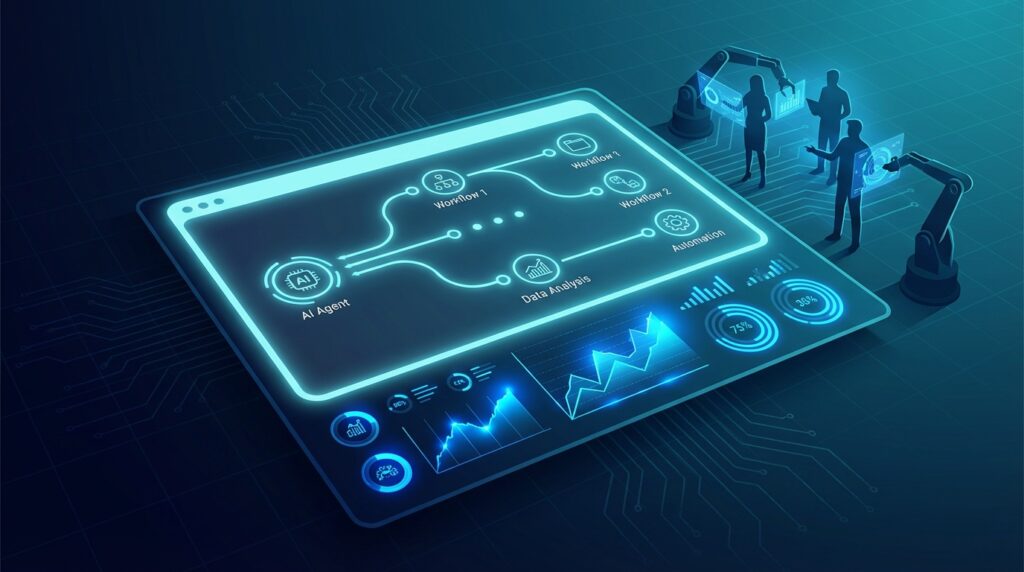
Best custom AI agents for hospitality bookings in fine dining.
Why Custom AI Agents Matter for Fine Dining Bookings
Fine dining restaurants lose revenue every night through no-shows, missed calls during peak hours, and manual reservation handling that ties up front-of-house staff. A single missed booking call during dinner service can represent $200–500 in lost revenue, while no-show rates averaging 15%–20% create unpredictable capacity planning. Custom AI agents solve these challenges by automating reservation workflows while maintaining the personalized service that defines exceptional dining experiences.
The Core Challenges in Hospitality Reservations
Restaurant managers face three key bottlenecks: phone coverage gaps during service hours, manual coordination across reservation platforms, and limited upselling opportunities during booking. Traditional reservation systems require staff to toggle between POS, PMS, and booking platforms, creating 3–5 minute handling times per call. Peak dinner rushes mean 30%–40% of calls go unanswered, directly impacting occupancy rates.
Manual processes also miss opportunities to suggest premium seating, wine pairings, or special occasion packages. When your host is juggling walk-ins and phone lines simultaneously, she’s not selling the chef’s tasting menu to a first-time caller.
How Custom AI Delivers Measurable Results
Specialized AI agents integrate directly with existing PMS and POS infrastructure, checking real-time table availability and processing modifications with minimal human intervention. Restaurants using these systems report 85%+ phone answer rates even during peak service. The agents send automated confirmation sequences and smart rebooking suggestions that reduce no-shows by 40%–60%.
Dynamic upselling during the booking conversation increases average reservation value by 15%–25% without feeling pushy. The system knows when a caller mentions “anniversary” and can offer dessert packages or private dining options naturally.
Vynta AI’s Approach to Guest Experience Automation
At Vynta AI, we build enterprise-grade agents for mid-market hospitality operators that don’t have internal AI resources. Our agents handle voice and digital reservations across channels while maintaining your restaurant’s brand voice and service standards. The system knows when to escalate complex requests to staff—creating seamless human-and-AI collaboration that supports your team rather than replacing it.
Integration with major PMS platforms takes 2–3 weeks. The agents learn your menu, seating configurations, and service protocols to deliver personalized guest interactions from day one.
ROI Reality Check: Fine dining restaurants using custom AI agents typically reduce front-desk workload by 60%–75%, allowing staff to focus on in-person guest experience. We’ll provide specific ROI projections based on your call volume and current no-show rate during discovery.
Top Custom AI Agents for Hospitality Bookings Compared
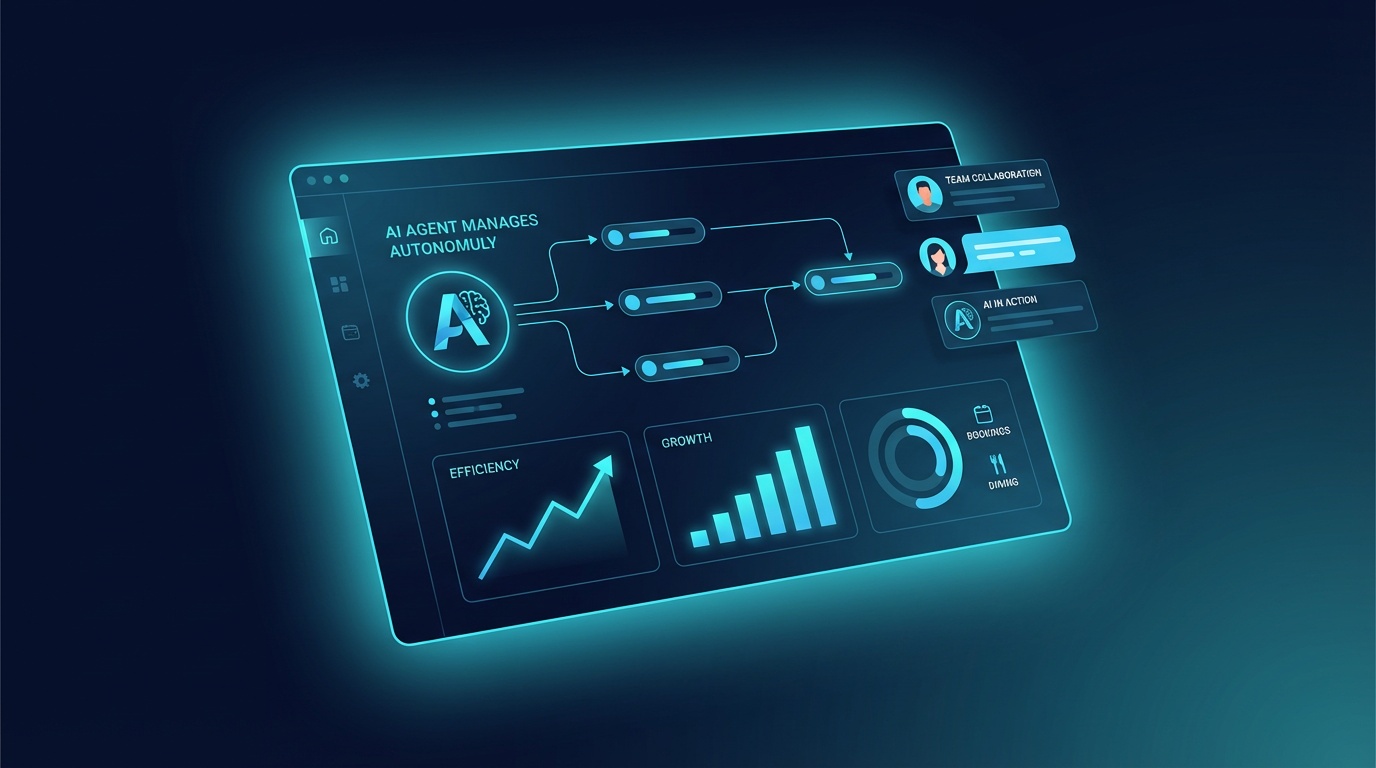
The market includes specialized providers and enterprise platforms adapting to restaurant needs. Each solution offers different strengths in automation depth, integration options, and industry focus.
Key Players: Hostie AI, TechWize, and Salesforce Agents
Hostie AI specializes in voice reservation handling with natural language processing trained on hospitality conversations. Their system manages booking modifications and basic inquiries but requires separate integrations for payment processing and guest history.
TechWize offers broader customer service automation with chatbot and voice capabilities. Their hospitality module is part of a general platform rather than built specifically for restaurant operations, which shows in implementation complexity.
Salesforce Agents brings enterprise CRM capabilities to reservation management. This works for restaurant groups with existing Salesforce infrastructure but introduces significant complexity and cost for independent operators.
Vynta AI Agents: Tailored for Fine Dining Operations
Vynta AI delivers industry-specific agents designed for mid-market restaurants that want enterprise capabilities without enterprise complexity. Our agents handle the complete reservation lifecycle—initial inquiry through post-dining follow-up—with native integration to major PMS platforms and POS systems.
The platform includes dynamic upselling logic trained on fine dining scenarios, multilingual support for international guests, and intelligent escalation that recognizes when human expertise adds value. Implementation includes customization to your menu, seating policies, and service standards, so the agent acts as an extension of your team rather than a generic bot.
Feature Comparison for Reservation Management
| Feature | Vynta AI | Hostie AI | TechWize | Salesforce Agents |
|---|---|---|---|---|
| Fine Dining Specialization | Built for upscale restaurants | Hospitality-focused | General customer service | Enterprise CRM adaptation |
| PMS Integration | Native to major platforms | API connections required | Custom development needed | Strong with Salesforce ecosystem |
| Dynamic Upselling | Menu-trained logic included | Basic suggestions | Limited hospitality context | Customizable with setup |
| Implementation Timeline | 2–3 weeks with training | 4–6 weeks | 6–8 weeks | 8–12 weeks |
| Mid-Market Pricing | Transparent, scalable | Moderate | Varies by module | Enterprise-tier cost |
Real-World Use Cases in Fine Dining Reservations
AI agents transform workflows across the guest journey—improving revenue capture, staff productivity, and guest satisfaction simultaneously.
Automating Table Bookings and No-Show Reduction
AI agents answer incoming calls within seconds, verify real-time table availability across seating times, and complete standard reservations in under 90 seconds. The system sends automated confirmation messages via SMS or email, then follows up 24 hours before the reservation with reconfirmation requests that reduce no-shows by 40%–60%.
When cancellations occur, the agent immediately offers the slot to waitlisted guests, recovering covers that would’ve been lost. Voice recognition identifies returning guests and surfaces dining preferences and special occasion notes to personalize the booking conversation.
Dynamic Upselling and Guest Personalization
Agents trained on your menu suggest wine pairings, chef’s tasting menus, or premium seating based on party size and occasion signals in the conversation. When a caller mentions an anniversary, the system offers dessert packages or private dining options naturally, increasing average booking value by 15%–25%.
The agent accesses guest history to reference previous visits, dietary restrictions, or favorite dishes, creating continuity that builds loyalty. Multilingual capabilities serve international clientele in their preferred language, expanding reach without additional staffing.
Post-dining follow-up sequences request feedback and promote return visits during slower periods—turning one-time diners into regulars.
Seamless Integration with POS and PMS Systems
Vynta AI agents connect directly to reservation platforms like OpenTable, Resy, and SevenRooms, synchronizing availability across booking channels in real time. Integration with POS systems allows the agent to reference current menu availability, communicating accurate information about seasonal specials or sold-out items during the booking call.
The system updates table status automatically when reservations are confirmed, modified, or canceled—reducing double-booking risk and manual data entry. Staff use a unified dashboard showing AI-handled reservations alongside walk-ins and special events, maintaining full operational visibility.
This integration reduces front-desk workload by 60%–75%, allowing hosts to focus on greeting guests and managing in-person service flow.
Operational Impact: Restaurants handle 200%–300% more reservations during peak hours without adding staff, while maintaining 60-second average booking times that match guest expectations for responsiveness.
Implementation Steps for Custom AI in Your Restaurant
Deploying specialized AI agents requires planning, but you’ll see results within weeks with clear objectives and proper integration.
Assessing Your Booking Workflow Needs
Start by analyzing current reservation volume, peak call times, and staff hours spent on booking management. Document seating policies, special occasion packages, and upselling priorities the AI must learn. Identify integration requirements with existing PMS, POS, and reservation platforms.
Map scenarios that require escalation, such as large party coordination or VIP guest requests. This assessment takes 3–5 days and creates the blueprint for customization.
Setting Up Integrations and Training
- Connect the AI agent to your PMS and reservation systems through API integration.
- Upload menu details, seating charts, and service protocols for agent training.
- Configure voice and tone to match your restaurant’s brand personality.
- Set escalation rules defining when calls transfer to staff.
- Test booking scenarios across party sizes, times, and special requests.
- Train the front-of-house team on dashboard monitoring and handoff procedures.
Vynta AI completes this process in 2–3 weeks, including staff training sessions and a soft launch with limited call routing before full deployment.
Measuring Success with KPIs
Track automation rate (percentage of reservations completed without human intervention), average booking completion time, no-show rate changes, and upsell conversion on premium offerings. Monitor guest satisfaction through post-dining surveys about the booking experience.
Calculate ROI by measuring increased covers during peak periods, reduced labor hours on reservation management, and revenue from AI-suggested upgrades. Most restaurants see payback within 3–6 months, with ongoing performance improvements as the agent learns from interactions.
Why Vynta AI Stands Out for Hospitality Automation
Proven ROI in Guest Satisfaction and Revenue
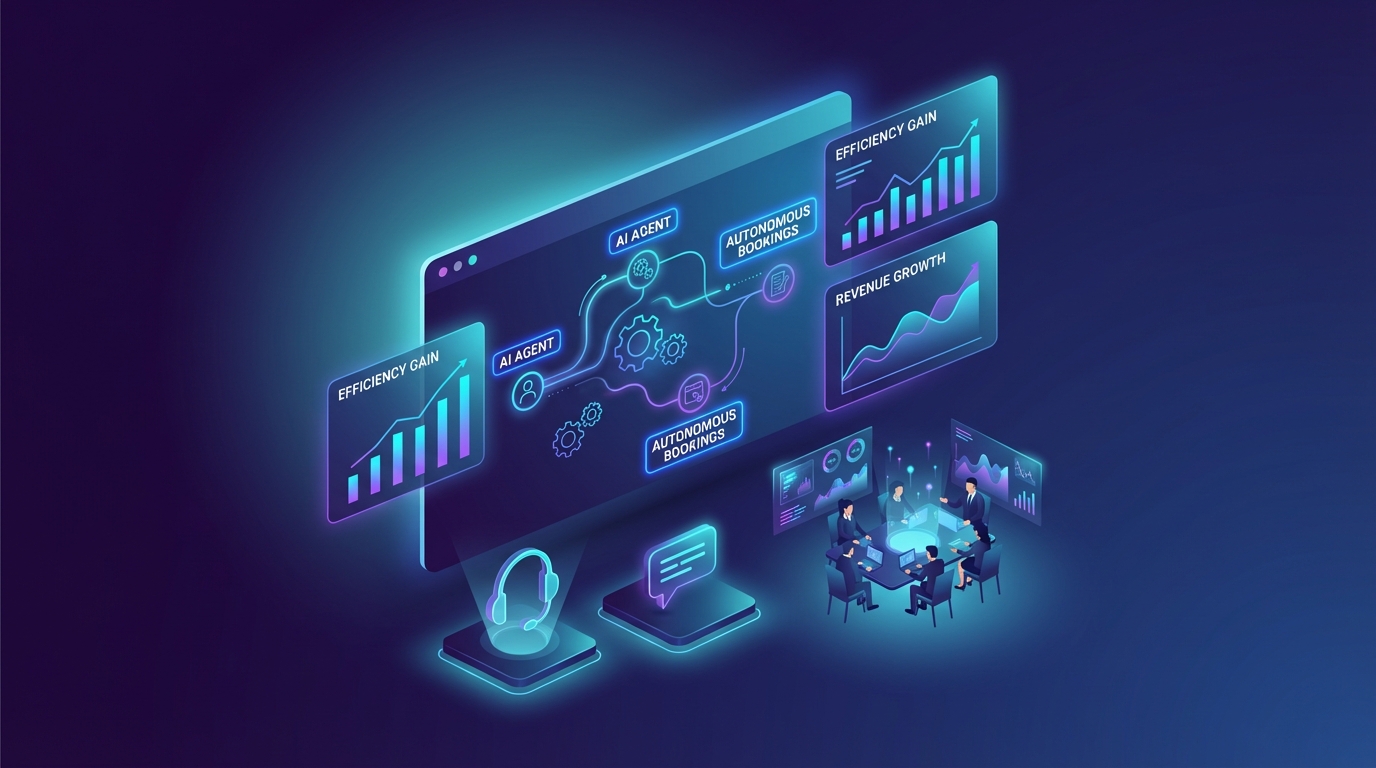
Vynta AI delivers measurable outcomes for mid-market restaurants: 85%+ automation of routine reservations, 60%–75% reduction in front-desk workload, and 40%–60% drops in no-show rates. Our agents also drive 15%–25% increases in average guest spend through contextual upselling tailored to guest profiles and conversation flow—so the experience feels personal rather than scripted.
Human-AI Collaboration Without Replacing Staff
Our platform recognizes when human expertise adds value, transferring complex requests to your team with full context. Staff focus on in-person guest experience while the AI handles repetitive booking tasks, reducing workload without eliminating hospitality jobs.
The system learns your service standards over time, becoming an extension of your team. VIP guests always receive human care via escalation rules you define.
Next Steps to Scale Your Fine Dining Operations
Vynta AI specializes in enterprise-grade agents for hospitality operators that lack internal AI resources. We provide transparent implementation timelines, industry-specific customization, and ongoing optimization as your needs evolve. Contact our team to assess your reservation workflow and receive ROI projections for deploying a custom agent in your restaurant.
Choosing the Right AI Agent for Your Restaurant
Selecting the right AI solution means matching your operational scale, technology stack, and service philosophy with provider capabilities. Independent restaurants need different approaches than multi-location groups, and your choice should align with growth plans over the next 3–5 years.
Matching Solution to Restaurant Size
Single-location fine dining establishments benefit most from hospitality-specific agents that deploy quickly and integrate with existing reservation platforms without heavy IT support. Vynta AI serves this segment with purpose-built solutions that deliver enterprise capabilities at mid-market pricing.
Restaurant groups managing multiple concepts across locations may need centralized dashboards and brand-specific customization for each property. Salesforce Agents supports this if you already run on their ecosystem. Hostie AI fits restaurants prioritizing voice automation above broader guest experience workflows, while TechWize suits operators seeking general customer service tools beyond reservations.
Integration Complexity Considerations
Evaluate how deeply the AI agent connects with your current technology stack. Native PMS integration eliminates manual synchronization and reduces implementation friction. Systems requiring custom API development add 4–8 weeks to deployment plus ongoing maintenance costs.
Vynta AI provides pre-built connectors to major reservation platforms, POS systems, and payment processors used in fine dining—minimizing technical barriers for operators without dedicated IT staff. Confirm whether the provider offers ongoing optimization as your menu, seating policies, and service offerings change, or if updates require paid customization work.
Total Cost of Ownership Analysis
Look beyond monthly subscription fees to implementation costs, integration expenses, staff training requirements, and ongoing change requests. Enterprise platforms often include hidden costs like consulting hours and minimum user licenses that raise actual spend above quoted pricing.
Mid-market solutions like Vynta AI offer transparent pricing with implementation included, making budget planning more predictable. Calculate payback period based on realistic automation rates for your call volume, expected reductions in no-show losses, and incremental revenue from upselling during the booking process. Most restaurants see ROI within 3–6 months.
Decision Framework: Prioritize providers with proven hospitality expertise, transparent implementation timelines, and human-and-AI collaboration models that support your service team. The right solution should feel like an extension of staff, not a robotic replacement.
The Future of Hospitality AI Automation
AI agent capabilities in restaurant operations are moving beyond basic reservation handling toward predictive guest experience management and revenue optimization that adapts in real time to demand patterns.
Predictive Demand Management
Next-generation agents will analyze historical booking data, local events, weather patterns, and social media signals to forecast demand 2–4 weeks ahead. This intelligence supports dynamic pricing strategies for premium time slots, proactive staff scheduling, and inventory planning that reduces food waste by 20%–30%.
Restaurants shift from reactive booking management to capacity planning that maximizes revenue per available seat-hour. Vynta AI is developing these predictive capabilities for mid-market operators that want revenue management sophistication without building a data science team.
Hyper-Personalized Guest Journeys
AI agents will orchestrate dining experiences from initial discovery through post-visit engagement. Systems remember that a guest prefers window seating, suggest menu items based on prior orders and dietary preferences, coordinate wine pairing prep with the sommelier before arrival, and send personalized follow-ups referencing dishes enjoyed.
This level of personalization—typically achieved through exceptional staff memory and manual notes—becomes scalable across thousands of guests while preserving the personal service style that defines fine dining.
Voice AI Evolution
Conversational AI is becoming indistinguishable from human conversation, with natural speech patterns, improved sentiment detection, and multilingual fluency that switches languages mid-conversation. Future agents will handle complex situations like large party coordination, dietary accommodation discussions, and special event planning that currently require experienced staff.
The evolution isn’t about replacing human judgment—it’s about expanding what AI handles well and reserving staff time for creativity, empathy, and nuanced problem-solving. This allows restaurants to scale personalized service without proportional labor cost increases.
Final Recommendations and Action Steps
When to Invest in Custom AI
Deploy AI reservation agents when you’re turning away business due to phone coverage gaps, seeing no-show rates above 12%, or spending more than 15 staff-hours per week on booking management. Restaurants averaging 150+ covers per week see fastest ROI, though smaller operations with high average check sizes ($100+ per person) benefit meaningfully from guided upselling.
If your team struggles to keep guest data consistent across channels or you’re expanding to multiple locations, AI agents provide operational infrastructure that scales with growth.
The Vynta AI Strategic Advantage
Vynta AI specializes in mid-market hospitality operations, delivering enterprise-grade automation without enterprise complexity or cost. Our agents are built specifically for fine dining workflows, trained on restaurant scenarios rather than retrofitted from generic customer service bots.
We provide clear implementation timelines, customization included in base pricing, and ongoing optimization as your needs change. The platform prioritizes human-and-AI collaboration, since exceptional hospitality depends on both efficiency and warmth. Our clients report 85%+ automation rates while maintaining service standards that define their brand.
Getting Started Today
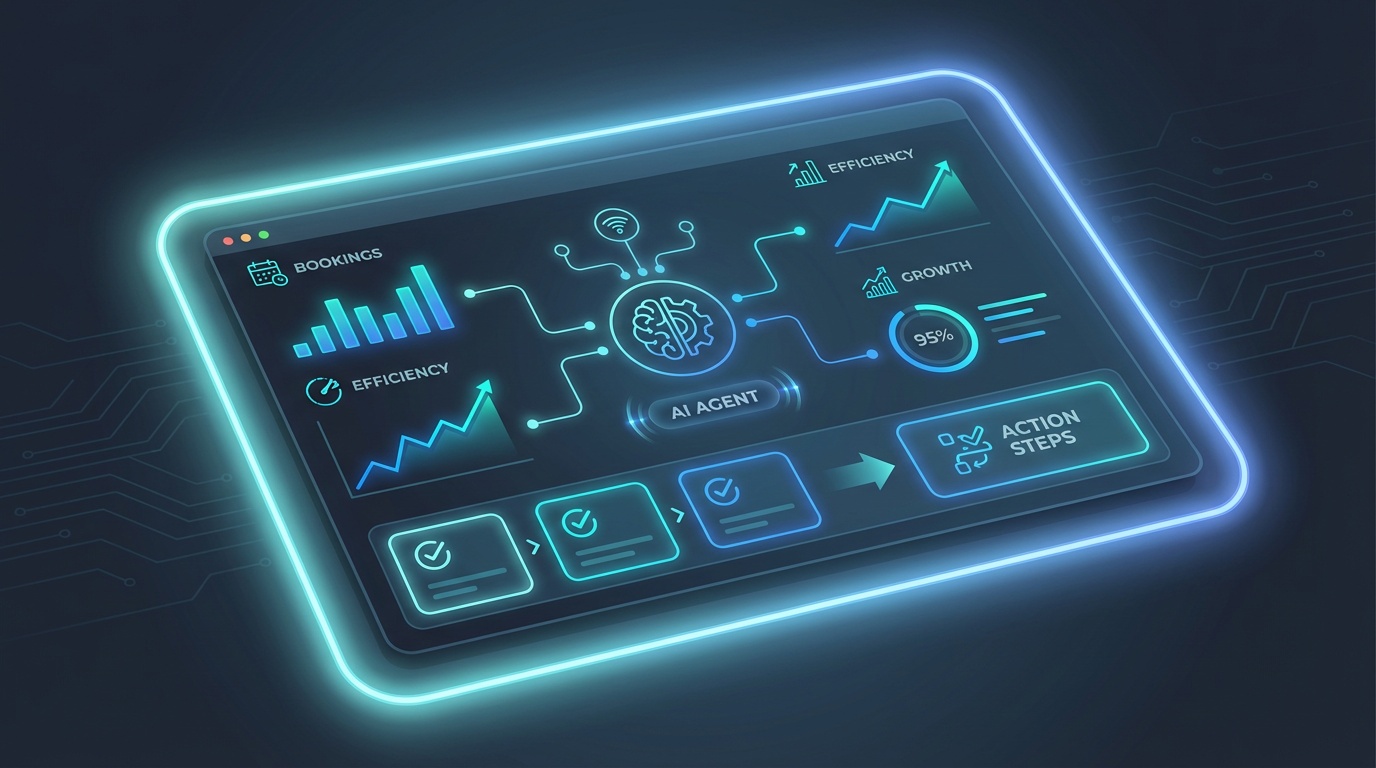
Begin with a workflow assessment documenting current reservation volume, peak demand periods, and staff time allocation. Contact Vynta AI for a customized ROI projection based on your operational metrics.
Plan for 2–3 weeks from contract signing to live deployment, including PMS integration, agent training on your menu and policies, and staff onboarding. Start with a soft launch routing a portion of calls to the AI agent while monitoring performance and guest feedback, then expand coverage as confidence builds.
Many restaurants reach 85%+ automation rates within 60 days, with measurable improvements in phone coverage, no-show rates, and upsell revenue appearing in the first month.