

In today’s fast-paced business environment, understanding what truly drives individuals is paramount. It’s not just about setting goals; it’s about cultivating the intrinsic desire to achieve them. At Vynta AI, we help mid-market SMEs transform operations by automating complex tasks, but we recognize that true business growth is fueled by motivated people. This is where the science of motivation, particularly the framework known as auto determination, becomes incredibly relevant. By understanding the core principles of what makes people tick, organizations can foster environments where engagement flourishes and performance improves.
This article delves into the foundational concepts of auto determination, exploring how this psychological theory provides a powerful lens through which to view human motivation. We’ll uncover its origins, its fundamental tenets, and why it offers a more profound understanding than simple reward-and-punishment systems. By grasping these core ideas, leaders can begin to unlock higher levels of commitment and productivity within their teams, paving the way for sustainable business success.
Understanding Auto-Determination: The Foundation of Motivation
What is Self-Determination Theory (SDT)?
Self-Determination Theory (SDT) is a comprehensive framework that examines the innate psychological needs that drive human motivation and well-being. It posits that individuals have a natural tendency toward growth and fulfillment, but this potential is actualized when certain fundamental needs are met. SDT moves beyond external motivators, focusing instead on the quality of motivation. Whether it is autonomous (driven by interest and values) or controlled (driven by external pressures or rewards). This theory is one of the most extensively researched and applied frameworks in psychology, with over 1,000 published studies examining its principles across diverse cultures and contexts, as noted by the official SDT website. Its application extends to education, health, work, and personal development, offering insights into how to foster genuine engagement.
The Pioneers: Edward Deci and Richard Ryan’s Groundbreaking Work (1985)
The bedrock of Self-Determination Theory was laid by psychologists Edward L. Deci and Richard M. Ryan. Their seminal work, particularly the publication of their book “Intrinsic Motivation and Self-Determination in Human Behavior” in 1985, provided the theoretical structure that has guided decades of research. They meticulously detailed the distinction between intrinsic and extrinsic motivation and introduced the concept of basic psychological needs as universal drivers. Their ongoing collaboration and the establishment of the Center for Self-Determination Theory have solidified their position as leading authorities. The theory has since been recognized as one of the most significant motivation theories in psychology, evidenced by its citation in publications from organizations like the American Psychological Association (APA) in 2015.
Why SDT Matters: Beyond Simple Rewards and Punishments
Traditional approaches to motivation often rely on external incentives. Bonuses, promotions, or the threat of negative consequences. However, Self-Determination Theory argues that these methods can have unintended negative effects. Research, including a meta-analysis by Deci, Koestner, and Ryan in 1999 involving 128 studies, demonstrated that tangible rewards often undermine intrinsic motivation for tasks that are initially interesting. SDT explains that true, sustainable motivation stems from fulfilling essential psychological needs: autonomy, competence, and relatedness. When these needs are supported, individuals feel more engaged, creative, and committed. This perspective is important for businesses aiming for long-term success, as it shifts the focus from superficial compliance to genuine enthusiasm and ownership.
Intrinsic vs. Extrinsic Motivation: A Core Distinction
At the heart of auto determination is the distinction between intrinsic and extrinsic motivation. Intrinsic motivation arises from the inherent satisfaction of an activity itself. The joy of learning, the challenge of a task, or the sheer interest in the subject matter. When individuals are intrinsically motivated, they pursue activities because they find them enjoyable and personally meaningful. Extrinsic motivation, conversely, is driven by external factors, such as earning a reward, avoiding punishment, or seeking approval. While extrinsic motivators can be effective for simple, repetitive tasks, SDT highlights that they can diminish intrinsic drive. Understanding this difference is fundamental to fostering environments where individuals are not just performing tasks, but are genuinely invested in their work and personal growth, leading to more profound and lasting results.
Understanding Auto-Determination
Self-Determination Theory (SDT) offers a scientific approach to motivation, distinguishing between internal drives and external pressures. Developed by Edward Deci and Richard Ryan, it emphasizes that true engagement comes from fulfilling innate psychological needs. This framework provides businesses with a practical guide to cultivate environments that foster genuine motivation and improve overall performance, moving beyond simple reward systems.
The Three Pillars of Human Motivation: Autonomy, Competence, and Relatedness

Autonomy: The Need for Choice and Control
Autonomy, within the context of SDT, refers to the psychological need to feel that one’s actions are self-endorsed and congruent with one’s sense of self. It’s about having a sense of choice and control over one’s behavior and decisions. This doesn’t mean complete independence or a lack of structure; rather, it’s the feeling that one has authentic input and can make decisions that align with their values and interests. When individuals experience autonomy, they are more likely to take initiative, be creative, and feel a greater sense of responsibility for their actions. Supporting autonomy involves providing options, acknowledging perspectives, and minimizing controlling language, which can significantly boost engagement and reduce resistance.
Competence: The Drive to Master and Achieve
The need for competence is the innate drive to interact effectively with one’s environment, to master skills, and to achieve desired outcomes. It’s the feeling of efficacy and capability. Individuals are motivated to engage in challenges where they can develop their abilities and experience a sense of accomplishment. Environments that support competence provide opportunities for learning, offer constructive feedback, and set achievable yet challenging goals. When people feel competent, they are more likely to persist through difficulties, seek out new challenges, and experience a greater sense of personal growth. This psychological need is fundamental to building confidence and a proactive approach to tasks and projects.
Relatedness: The Desire for Connection and Belonging
Relatedness speaks to the fundamental human need to feel connected to others, to care for and be cared about, and to have a sense of belonging. It involves experiencing warm, secure relationships and feeling accepted within a social group. When individuals feel related to others, they are more likely to feel safe, supported, and part of a community. This need is important in team settings, workplaces, and any collaborative environment. Fostering relatedness involves creating opportunities for positive social interaction, promoting empathy, and ensuring that individuals feel valued and respected by their peers and leaders. A strong sense of belonging fuels cooperation and collective effort.
Clarifying Autonomy: Why it’s Not Just Independence
It’s important to distinguish autonomy from simple independence or isolation. Autonomy, as defined by SDT, is about the quality of regulation. Acting with volition and endorsement. An individual can act autonomously even within a structured environment or while working collaboratively, provided they feel their actions are their own and align with their values. For example, a team member who chooses to take ownership of a specific task within a larger project, understanding its contribution to the overall goal and feeling they have the freedom to approach it in their preferred manner, is acting autonomously. True autonomy support focuses on providing choices and acknowledging individuals’ perspectives, rather than merely granting freedom from oversight, which is a common misunderstanding that can limit the application of SDT principles in practice.
| Psychological Need | Description | How to Support It | Impact When Supported |
|---|---|---|---|
| Autonomy | The need to feel volitional, to have choice and control over one’s actions. | Offer choices, acknowledge individual perspectives, minimize controlling language, provide opportunities for self-direction. | Increased initiative, creativity, and responsibility; higher engagement. |
| Competence | The need to feel effective and capable in one’s interactions with the environment and to master challenges. | Provide constructive feedback, offer learning opportunities, set achievable goals, recognize accomplishments. | Greater persistence, skill development, and sense of mastery; improved problem-solving. |
| Relatedness | The need to feel connected to others, to care for and be cared about, and to belong. | Foster positive social interactions, build trust, create inclusive environments, show empathy and care. | Enhanced collaboration, trust, and team cohesion; improved well-being. |
The Six Mini-Theories: A Deeper Dive into SDT’s Framework
Self-Determination Theory (SDT) is not a single monolithic concept but rather a cohesive framework built upon several interconnected mini-theories. Each mini-theory explores a specific facet of motivation, psychological needs, and their impact on human functioning. Together, these theories offer a comprehensive and nuanced understanding of what drives individuals. For example, the official SDT website highlights over 1,000 published studies that have explored these various components, demonstrating the theory’s depth and breadth. Understanding these distinct yet related theories allows for a more precise application of SDT principles in various contexts, from personal development to organizational strategy.
The evolution of SDT has led to the development of six core mini-theories, each contributing a unique perspective. These include Cognitive Evaluation Theory (CET), Organismic Integration Theory (OIT), Causality Orientations Theory (COT), Basic Psychological Needs Theory (BPNT), Goal Contents Theory (GCT), and Relationships Motivation Theory (RMT). These theories collectively address how external factors influence intrinsic motivation, the different ways individuals internalize external regulations, individual differences in motivational orientation, the universal importance of autonomy, competence, and relatedness, the significance of what goals people pursue, and the role of social bonds in motivation, respectively. This layered approach provides a strong theoretical foundation for understanding the complexities of human drive.
Cognitive Evaluation Theory (CET): How Events Influence Intrinsic Motivation
Cognitive Evaluation Theory (CET), proposed by Deci and Ryan, is perhaps the most well-known mini-theory within SDT. It specifically addresses how events in the environment affect intrinsic motivation, primarily through their impact on the psychological needs of autonomy and competence. CET suggests that external events that offer positive feedback or support a sense of competence can increase intrinsic motivation. Conversely, events that are controlling, such as excessive rewards, threats, or deadlines, can undermine intrinsic motivation by diminishing an individual’s sense of autonomy. A meta-analysis by Deci, Koestner, and Ryan in 1999, involving 128 studies, compellingly showed that tangible rewards often decrease intrinsic motivation for tasks that are initially interesting, underscoring CET’s central tenets.
Organismic Integration Theory (OIT): Understanding Different Types of Extrinsic Motivation
While CET focuses on intrinsic motivation, Organismic Integration Theory (OIT) delves into the various forms of extrinsic motivation and how they are internalized. OIT posits a continuum of internalization, ranging from external regulation (acting solely due to external pressure or reward) to introjected regulation (acting to avoid guilt or seek self-praise), identified regulation (acting because the behavior is personally valued), and integrated regulation (acting because the behavior is fully assimilated with one’s sense of self). The more internalized and autonomous the regulation, the greater the well-being and performance. This theory is important for understanding why some external motivators lead to sustained effort and satisfaction, while others lead to mere compliance or even resentment.
Causality Orientations Theory (COT): Individual Differences in Motivation
Causality Orientations Theory (COT) examines individual differences in people’s general motivational tendencies. It proposes three primary causality orientations: the autonomous orientation, where individuals are sensitive to and regulated by their own interests and values; the controlled orientation, where individuals are more responsive to external controls and pressures; and the impersonal orientation, characterized by a sense of helplessness and external locus of control. Understanding these orientations helps explain why individuals react differently to the same environmental conditions and how to best support each person’s unique motivational style for optimal engagement and well-being.
Basic Psychological Needs Theory (BPNT): The Universal Needs
Basic Psychological Needs Theory (BPNT) is a cornerstone of SDT, asserting that autonomy, competence, and relatedness are universal, innate psychological needs essential for psychological growth, integrity, and well-being. These needs are not learned but are fundamental to human nature, much like the need for food or water. When these needs are satisfied, individuals experience greater vitality, engagement, and overall flourishing. Conversely, when they are thwarted, individuals are more prone to ill-being, such as stress, anxiety, and reduced motivation. This theory provides a foundational understanding of what conditions foster optimal human functioning across diverse cultures and settings.
Goal Contents Theory (GCT): The Importance of Aspirational Goals
Goal Contents Theory (GCT) shifts the focus to the content of people’s aspirations. The goals they pursue. It distinguishes between intrinsic goals (e.g., personal growth, community contribution, relationships) and extrinsic goals (e.g., wealth, fame, attractiveness). GCT posits that pursuing intrinsic goals is generally associated with greater psychological well-being and satisfaction, while pursuing extrinsic goals, especially if they are the primary focus, can be detrimental. This theory highlights that it’s not just about motivation, but also about what one is motivated toward, emphasizing the importance of aligning personal aspirations with one’s core values.
Relationships Motivation Theory (RMT): Motivation in Social Bonds
Relationships Motivation Theory (RMT) explores the role of social relatedness in motivation and well-being. It emphasizes that secure and satisfying relationships are not only a basic psychological need but also a critical context for motivation development. When individuals feel securely attached and connected to others, they are more likely to explore, learn, and grow. This mini-theory underscores how supportive relationships foster autonomy and competence and how the quality of social bonds influences an individual’s overall motivational state and commitment.
SDT Mini-Theories at a Glance
Self-Determination Theory is a rich framework comprising six interconnected mini-theories, each offering distinct insights into human motivation:
- CET: How external events (feedback, rewards) impact intrinsic motivation by affecting autonomy and competence.
- OIT: The spectrum of extrinsic motivation, from external control to internalized, autonomous regulation.
- COT: Individual differences in motivational styles (autonomous, controlled, impersonal).
- BPNT: The universal, innate needs for autonomy, competence, and relatedness essential for growth.
- GCT: The impact of intrinsic versus extrinsic goal pursuits on well-being.
- RMT: The important role of secure social connections in fostering motivation and development.
These theories collectively provide a powerful lens for understanding and fostering genuine, sustainable motivation.
Applying SDT: Igniting Engagement in the Modern Business Environment
Self-Determination Theory offers more than just academic insight; it provides a practical roadmap for fostering motivation and engagement in real-world settings, particularly within the business environment. By understanding and actively supporting the innate psychological needs for autonomy, competence, and relatedness, organizations can create workplaces where employees are not merely compliant but genuinely invested. This shift from managing tasks to cultivating intrinsic drive leads to higher productivity, increased innovation, and greater employee well-being. The principles of SDT are applicable across diverse industries, helping to transform company culture and drive measurable business outcomes.
The application of SDT extends far beyond traditional office settings. In education, supporting student autonomy and competence leads to deeper learning and greater academic achievement. In healthcare, empowering patients with choices and information improves treatment adherence and overall health outcomes. The research is extensive, with over 1,000 published studies validating SDT’s principles in various domains. For example, research on autonomy support in classrooms has shown up to a 20% increase in engagement, as highlighted by studies like Reeve (2002). This broad applicability underscores SDT’s power as a universal framework for understanding and fostering human motivation.
SDT in the Workplace: Beyond the Office Walls
Within the workplace, applying SDT means actively designing environments that support autonomy, competence, and relatedness. For autonomy, this translates to providing employees with meaningful choices in how they approach their work, encouraging input on decisions that affect them, and framing tasks in ways that highlight their value and personal relevance. For competence, it involves offering opportunities for skill development, providing constructive feedback, and setting clear, achievable goals that allow individuals to experience mastery. Fostering relatedness means creating a culture of support, collaboration, and mutual respect, where team members feel connected and valued. When these needs are met, employees are more likely to be engaged, committed, and resilient.
Real-World Applications: Education, Health, and Beyond
The impact of SDT is evident across numerous sectors. In education, educators use SDT principles to design curricula and teaching methods that foster intrinsic motivation, leading to more engaged students and improved learning outcomes. In healthcare, by supporting patients’ autonomy in treatment decisions and their sense of competence in managing their health, practitioners can significantly improve adherence and overall well-being. This theory also finds application in sports psychology, fitness, and community programs, demonstrating its versatility. The core idea remains consistent: satisfying basic psychological needs is fundamental to fostering sustained motivation and optimal functioning, irrespective of the specific context.
Bridging SDT and AI Automation: Fostering Autonomy and Competence with Intelligent Agents
The integration of AI automation presents a unique opportunity to align with SDT principles, rather than working against them. Intelligent agents can be designed to augment human capabilities, freeing up individuals from mundane, repetitive tasks, thereby increasing their sense of autonomy. By automating complex data analysis or initial screening processes, AI allows human professionals to focus on higher-level strategic thinking, creative problem-solving, and relationship-building. Activities that inherently support competence and autonomy. Furthermore, AI can provide personalized feedback and learning pathways, directly supporting the need for competence. The key is to ensure that AI tools are implemented to empower employees, giving them more control and opportunities to develop their skills, rather than simply automating jobs without regard for human psychological needs.
Vynta.ai’s Approach: Augmenting Human Potential Through Smart Automation
At Vynta AI, we understand that true business transformation is about augmenting human potential, not replacing it. Our enterprise AI agents are engineered with the principles of auto determination in mind. We develop solutions for mid-market SMEs in verticals like real estate, recruitment, fundraising, and hospitality that automate specific, often repetitive, operational tasks. For example, our AI agents can handle initial lead qualification for real estate agencies, freeing up agents to focus on building relationships and closing deals. Increasing their autonomy and allowing them to exercise their expertise and competence. In recruitment, AI can source and screen candidates, allowing recruiters to dedicate more time to in-depth candidate assessment and client engagement, thereby supporting their professional growth and sense of mastery. Our focus is on empowering professionals by removing administrative burdens, providing them with better data, and enabling them to perform at their highest levels, aligning perfectly with the core tenets of Self-Determination Theory.
Case Snippet: Boosting Real Estate Agent Productivity
A mid-market real estate agency struggled with agents spending too much time on initial lead qualification. By implementing Vynta AI’s automated lead qualification agent, agents were freed from hours of repetitive calls and data entry. The AI handled initial screening, identifying high-potential leads based on predefined criteria. This allowed agents to focus on relationship-building, property showings, and closing deals. The result was a significant increase in agent autonomy over their core selling activities and a bolstered sense of competence as they achieved more successful outcomes. This strategic application of AI directly supported their psychological needs, leading to higher job satisfaction and improved sales performance.
Cultivating a Motivated Workforce: A Manager’s Guide to SDT and AI
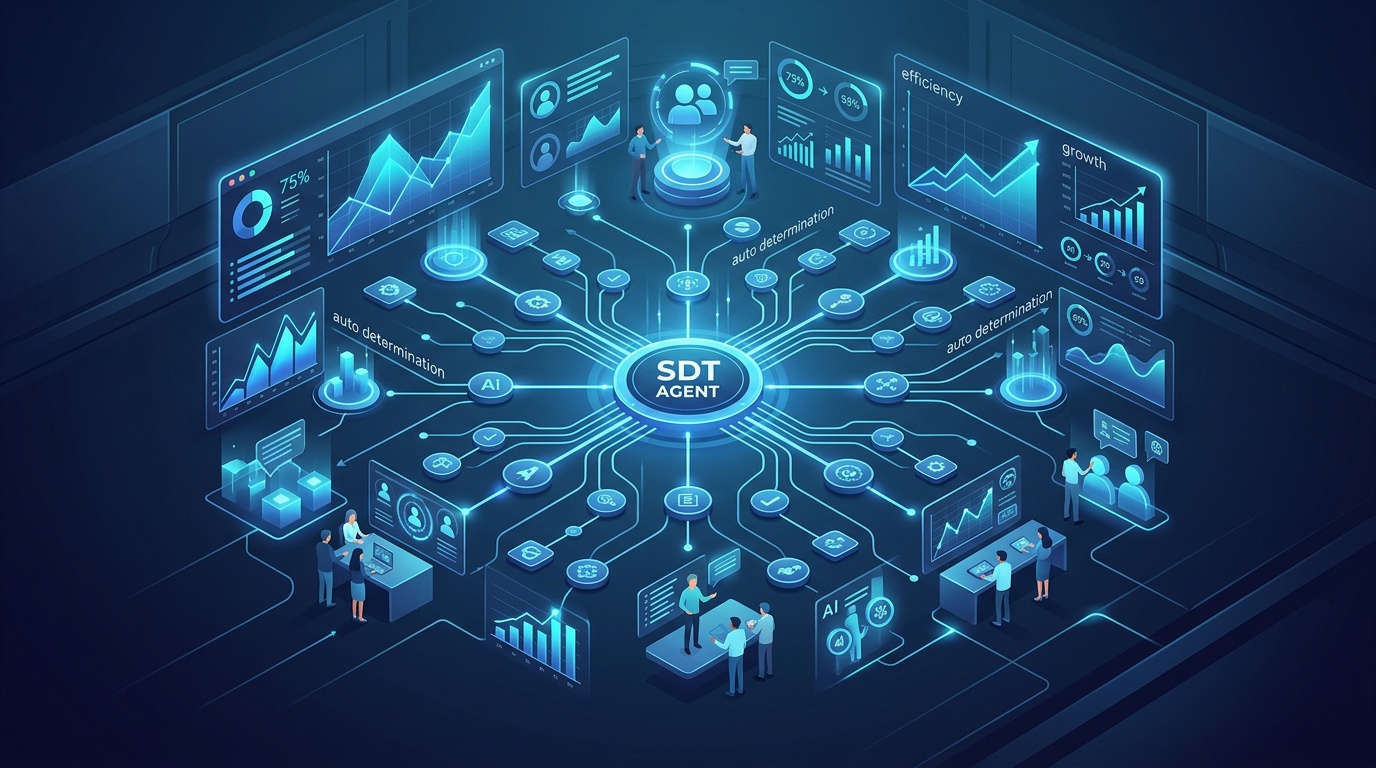
As leaders, our primary responsibility extends beyond managing tasks to fostering environments where our teams can thrive. Understanding the science behind what truly drives engagement is no longer a soft skill; it’s a strategic imperative for sustainable business growth. Self-Determination Theory (SDT) provides a solid, evidence-based framework for this, offering insights into the fundamental psychological needs that underpin motivation. By applying these principles, managers can move beyond superficial incentives to cultivate genuine passion and commitment within their organizations. This guide focuses on practical steps managers can take, including how to assess their current environment, implement SDT practices, and critically evaluate the role of technology, like AI automation, in supporting or hindering these essential needs.
Assessing Your Current Environment Against SDT Needs
To effectively implement Self-Determination Theory, managers must first conduct a thorough assessment of their current work environment through the lens of the three basic psychological needs: autonomy, competence, and relatedness. Ask yourself: How much genuine choice do my team members have in their daily tasks and decision-making processes? Are they provided with sufficient opportunities to develop their skills and receive constructive feedback that affirms their capabilities? Do individuals feel connected, valued, and supported by their colleagues and leadership? A lack of perceived autonomy might manifest as resistance to new initiatives, while unmet needs for competence can lead to disengagement and errors. Identifying these gaps is the foundational step toward creating a more motivating workplace.
Consider specific examples: If team meetings are dominated by top-down directives with little room for input, autonomy is likely stifled. If employees are assigned tasks far beyond their current skill set without adequate training or support, competence is thwarted. If cross-team collaboration is rare and communication is purely transactional, relatedness may be weak. The official SDT website points to over 1,000 studies that underscore the detrimental effects of neglecting these needs. Regularly soliciting anonymous feedback through surveys or one-on-one discussions can provide invaluable data on how well your current practices align with supporting these core human drivers.
Practical Steps to Support Autonomy, Competence, and Relatedness
Supporting autonomy involves offering meaningful choices where possible. This could range from letting employees choose their work schedule within defined parameters, select projects aligned with their interests, or determine the best method to achieve a given objective. Frame directives not as commands, but as opportunities highlighting the value and purpose of the task, explaining the ‘why’ behind it. For competence, focus on providing clear expectations, offering regular, constructive feedback that highlights growth areas and acknowledges achievements. Creating opportunities for skill development through training, mentorship, or challenging assignments ensures individuals feel capable and progressing. Building relatedness requires fostering a culture of trust, empathy, and open communication; encourage collaboration, celebrate team successes, and ensure that every team member feels heard and respected.
Empowering individuals with autonomy doesn’t mean abandoning structure; it means enabling self-direction within that structure. For instance, allowing a marketing team to decide the best channels for a campaign, rather than dictating specific platforms, supports autonomy while still adhering to budget and brand guidelines. Similarly, fostering competence can be achieved by providing clear performance metrics and then offering coaching to help individuals meet or exceed them. For relatedness, actively facilitate team-building activities, encourage peer-to-peer support, and ensure leaders model empathetic and inclusive behavior. These consistent efforts create an environment where individuals feel valued, capable, and connected, which is the essence of sustainable motivation.
Evaluating AI Tools: Does Your Automation Support or Hinder Motivation?
In today’s business environment, AI automation is increasingly prevalent. When considering AI tools, it’s imperative to evaluate them through the lens of SDT. Does an AI tool empower employees by freeing them from tedious, repetitive tasks, thereby increasing their sense of autonomy and allowing them to focus on more engaging, strategic work? Or does it de-skill roles, reduce decision-making opportunities, and create a sense of being monitored or controlled, thereby undermining autonomy and potentially competence? For example, an AI that automates initial candidate screening in recruitment can support a recruiter’s competence by allowing them to focus on in-depth interviews and relationship building, rather than sifting through hundreds of resumes. This application of AI increases autonomy by giving recruiters more control over their time and focus.
Conversely, AI that dictates every step of a process or provides constant, unsolicited performance judgments can erode autonomy and create anxiety, hindering competence. At Vynta AI, we design enterprise AI agents for mid-market SMEs specifically to augment human capabilities. Our solutions in areas like real estate lead qualification or hospitality guest service management are built to handle high-volume, repetitive tasks. This frees up human professionals to exercise their unique skills. Negotiation, empathy, strategic thinking. Thereby increasing their sense of autonomy and competence. When evaluating AI, ask: Does this tool amplify human potential and support our team’s psychological needs, or does it create a more constrained, less fulfilling work experience? True auto determination in the workplace means AI should serve to liberate and empower, not to control.
AI’s Role in Motivation: A Managerial Check
When implementing AI automation, managers should ask critical questions about its impact on employee motivation:
- Does the AI increase employee autonomy by automating mundane tasks and allowing focus on higher-value activities?
- Does it support competence by providing better data, tools for skill development, or freeing up time for mastery?
- Does it foster relatedness by enabling more meaningful human interaction or team collaboration?
- Or does the AI create a sense of being controlled, de-skilled, or isolated?
Prioritizing AI solutions that align with the principles of Self-Determination Theory ensures that technology serves to empower your workforce, driving engagement and productivity.
The Center for Self-Determination Theory: Resources for Deeper Exploration
For managers and organizations seeking to deepen their understanding and application of Self-Determination Theory, the Center for Self-Determination Theory (CSDT) is an invaluable resource. Founded by Edward Deci and Richard Ryan, the Center serves as a global hub for research, education, and the practical application of SDT. They host triannual conferences, provide access to a vast library of research papers, and offer training and consultation services. Their website is a treasure trove of information, translating complex psychological concepts into actionable insights for various fields, including business, education, and health. Exploring the CSDT’s materials can provide managers with the detailed knowledge and evidence-based strategies needed to cultivate truly motivated and thriving teams.
The Center’s extensive research, spanning over 1,000 published studies and validated across more than 60 countries, offers a scientifically grounded approach to understanding human motivation. By visiting their resources, leaders can find case studies, theoretical explanations, and practical tools that illustrate how to foster autonomy support, competence building, and relatedness in their specific contexts. For example, materials might detail how the principles of self-determination theory motivation can be applied to team dynamics or leadership styles. This academic backing provides a solid foundation for making informed decisions about organizational culture, employee development, and the strategic integration of technologies like AI automation, ensuring that efforts to drive business growth are also aligned with employee well-being and sustained engagement.