
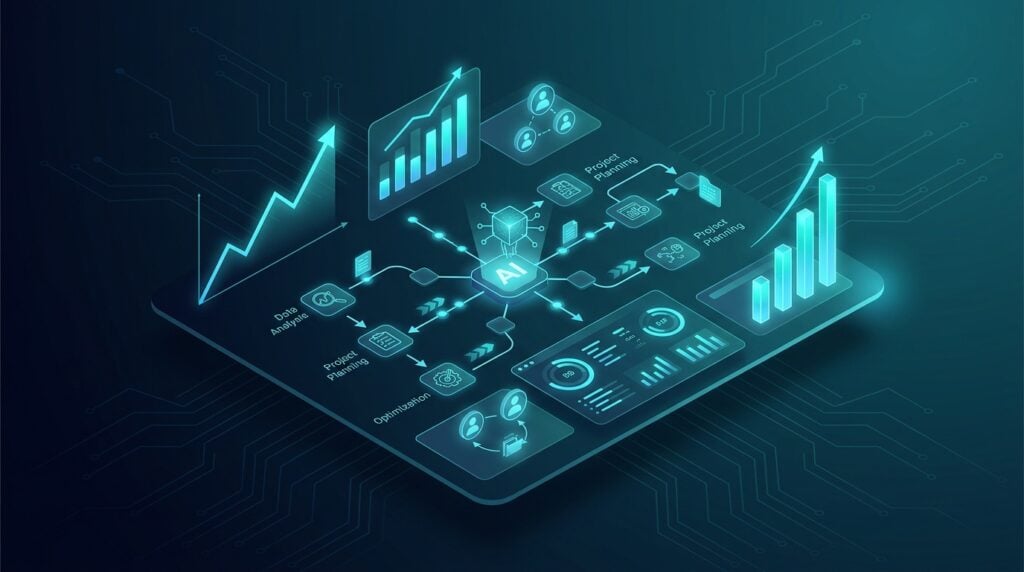
are customer stakeholders
Defining ‘Stakeholder’: Beyond the Boardroom
Yes, customers are stakeholders. They invest time, money, and trust while directly impacting revenue and strategic decisions through purchasing power. Unlike shareholders who own equity, customers influence outcomes through market behavior and feedback.
The Fundamental Stakeholder Definition
A stakeholder affects or gets affected by your business operations. This includes anyone with skin in the game. From investors to employees to customers who trust you with their budget and needs.
Internal vs. External Stakeholder Categories
Internal stakeholders work within your organization: employees, managers, owners. External stakeholders operate outside but maintain influence: customers, suppliers, community members, regulatory bodies.
Customers represent your most direct external stakeholders. They control revenue flow and market perception through purchasing decisions and word-of-mouth.
Key Insight: Customer stakeholders wield unique power through competitor switching, review sharing, and trend influence. Their satisfaction correlates directly with business sustainability.
Your Complete Stakeholder Ecosystem
Beyond customers, your stakeholder ecosystem includes employees depending on job security, suppliers relying on consistent orders, and communities affected by operations. But customers remain central. They validate market position and fund operations through purchases.
Why Customers Are Your Most Important Stakeholders

Beyond Transactions: Strategic Customer Partners
Smart businesses treat customers as strategic partners. They provide market intelligence, validate product decisions, and create sustainable revenue streams.
In real estate, satisfied buyers become referral sources. Recruitment agencies depend on positive candidate experiences to attract top talent. This partnership approach generates measurable ROI.
Customer Feedback Drives Business Strategy
Customer input shapes innovation cycles and strategic pivots. Hospitality businesses redesign services based on guest preferences. Fundraising organizations adjust outreach methods according to donor responses.
This isn’t just feedback. It’s strategic direction from people who vote with their wallets.
The Economics of Customer Loyalty
Loyal customers reduce acquisition costs by 5-25% while providing predictable revenue. They generate 67% of business through referrals in service industries.
This ongoing relationship creates mutual dependency. Customer success = business growth. That’s stakeholder economics.
Operational Impact: When Customers Shape Daily Decisions
Customer input generates measurable operational improvements. Property management companies adjust maintenance schedules based on tenant complaints. Recruitment firms modify screening after client feedback.
That’s direct operational influence. Customers shaping daily business decisions and resource allocation.
Industry-Specific Customer Stakeholder Impact
Real Estate: Building Lifelong Stakeholder Relationships
Real estate customers evolve from prospects to multi-transaction stakeholders. First-time buyers become repeat clients for upgrades, downsizing, investment properties.
Their testimonials influence future prospects. Negative experiences damage agent reputations across professional networks. Property owners impact neighborhood values, creating interconnected stakeholder webs extending beyond individual deals.
Recruitment: Candidates as Reputation Builders
Recruitment candidates serve dual stakeholder roles. Service recipients and reputation builders. Positive placements generate referrals while strengthening client relationships.
Poor candidate experiences spread through professional networks, affecting future talent pools. Successful placements create long-term value when candidates advance and become hiring decision-makers themselves.
Fundraising: Donor Stakeholder Lifecycle Management
Fundraising stakeholders span major donors to small contributors expecting transparency and impact reporting. Donor satisfaction influences future giving cycles and peer recommendations.
Investment stakeholders require regular updates and measurable outcomes. These relationships extend beyond financial contributions to advocacy and network expansion opportunities.
Hospitality: Guest Stakeholders Drive Revenue
Hospitality customers become stakeholders through loyalty programs, reviews, and word-of-mouth marketing. Satisfied guests drive occupancy rates and premium pricing through positive reviews.
Business travelers influence corporate booking decisions. Event clients generate future booking referrals. Customer stakeholder value compounds over time.
Industry Insight: Across all sectors, customer stakeholders generate value beyond immediate transactions through referrals, reviews, and repeat business. Satisfaction metrics correlate directly with long-term revenue growth.
AI Automation for Customer Stakeholder Management
AI-Powered Customer Intelligence
AI automation transforms customer stakeholder management by analyzing interaction patterns across touchpoints. Automated systems identify high-value customers, predict churn risks, and personalize engagement strategies at scale.
We’ve seen 25-40% improvements in customer satisfaction scores when businesses use AI to treat customers as strategic stakeholders rather than transactional contacts. For comprehensive solutions, explore AI Automation Services.
Automated Engagement That Builds Relationships
AI-powered follow-up sequences maintain contact quality while reducing manual workload. This systematic approach builds stronger stakeholder connections by ensuring no customer interaction falls through operational gaps.
The result? Consistent, personalized communication that nurtures customer stakeholders from first contact through long-term loyalty.
Measuring Customer Stakeholder ROI with AI
AI automation delivers measurable improvements through conversion tracking, retention analysis, and lifetime value calculations. Businesses using our automated systems report:
- 25-40% increases in customer satisfaction scores
- 15-30% improvements in repeat business rates
- 20-35% increases in customer lifetime value within year one
These metrics prove that customers are stakeholders whose proper management generates quantifiable returns on technology investment.
Human + AI: The Perfect Stakeholder Management Combination
Traditional service industries worry automation diminishes personal relationships with customer stakeholders. Modern AI solutions support human interactions rather than replacing them.
Staff get better customer insights and more time for high-value relationship building. This approach strengthens stakeholder connections while improving operational efficiency.
Implementation Success: Organizations recognizing customers as stakeholders and implementing AI-powered engagement systems often see 20-35% increases in customer lifetime value within the first year.
Building Sustainable Customer Stakeholder Relationships
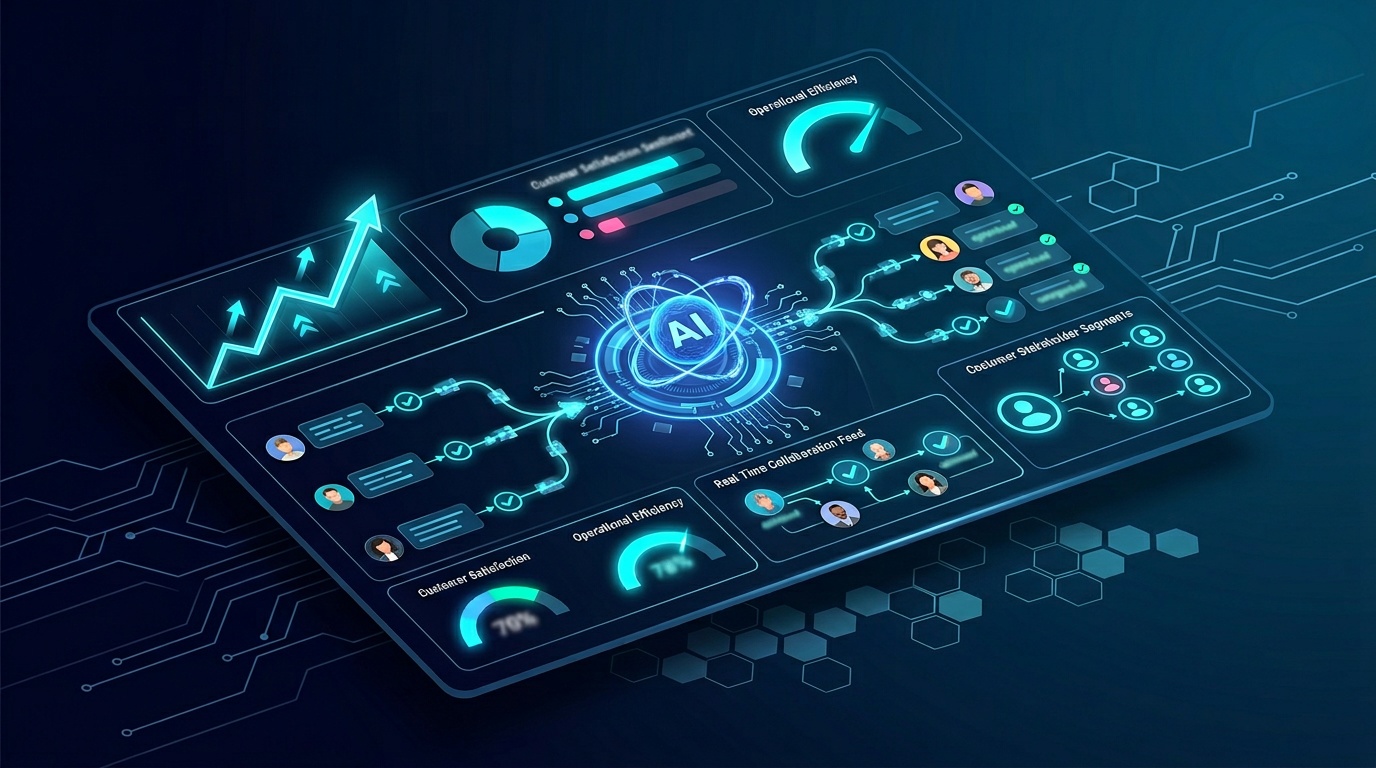
Successful businesses treat customer stakeholder management as strategic priority, not operational afterthought. This shift transforms resource allocation, success measurement, and growth planning across industry verticals.
Strategic Integration of Customer Stakeholders
When businesses acknowledge customers as stakeholders, they integrate customer success metrics into executive dashboards and strategic planning sessions.
Revenue forecasting includes customer satisfaction trends. Product development incorporates stakeholder feedback loops. Resource allocation prioritizes customer-facing improvements driving long-term value creation.
Technology + Human Expertise = Stakeholder Success
The most effective customer stakeholder strategies combine AI automation with human expertise. Technology handles data analysis, pattern recognition, and routine communications.
Human teams focus on complex problem-solving, relationship building, and strategic decision-making. This collaboration maximizes stakeholder value while maintaining the personal touch driving loyalty.
The Future of Customer Stakeholder Relationships
Customer stakeholder relationships continue evolving toward deeper integration and mutual value creation. Predictive analytics will anticipate stakeholder needs before they arise. Automated systems will provide real-time personalization at scale.
These advances strengthen the case that customers deserve sophisticated management approaches driving mutual success and sustainable business growth.
Recognizing customers as stakeholders changes how businesses operate, invest, and measure success. Organizations adopting this perspective and implementing appropriate technology solutions position themselves for sustained competitive advantage through stronger stakeholder relationships and improved operational outcomes.
Frequently Asked Questions
Are customers considered stakeholders in a business?
Yes, absolutely. Customers are primary stakeholders because they have a vested interest in your business’s success, influencing revenue, reputation, and strategic decisions through their purchasing power and feedback. They invest their time, money, and trust, making them integral to your operations.
What defines a business stakeholder?
A stakeholder is any individual or group that affects, or is affected by, your business operations. This definition extends beyond just investors to include anyone with a direct connection to your company’s success or failures. They all have “skin in the game,” whether financial, operational, or reputational.
What are some common examples of business stakeholders?
Common business stakeholders include customers, employees, managers, and owners. Beyond these, suppliers, local communities, and regulatory bodies also hold significant influence. Each group brings different expectations and levels of impact on your business.
How do customer stakeholders influence a business?
Customer stakeholders wield unique power through their purchasing decisions, ability to switch to competitors, and sharing of reviews. Their feedback directly drives innovation cycles, validates product decisions, and shapes business strategy. Satisfied customers also generate referrals and create sustainable revenue streams.
What is the difference between internal and external stakeholders?
Internal stakeholders work within your organization, such as employees, managers, and owners. External stakeholders operate outside your company but maintain significant influence, including customers, suppliers, community members, and regulatory bodies. Customers are your most direct external stakeholders, controlling revenue flow and market perception.
Why are customers often considered the most important stakeholders?
Customers are often considered the most important because they validate your market position and directly fund operations through purchases. They provide market intelligence, drive innovation, and their loyalty reduces acquisition costs while providing predictable revenue. Their satisfaction directly correlates with business sustainability and growth.