
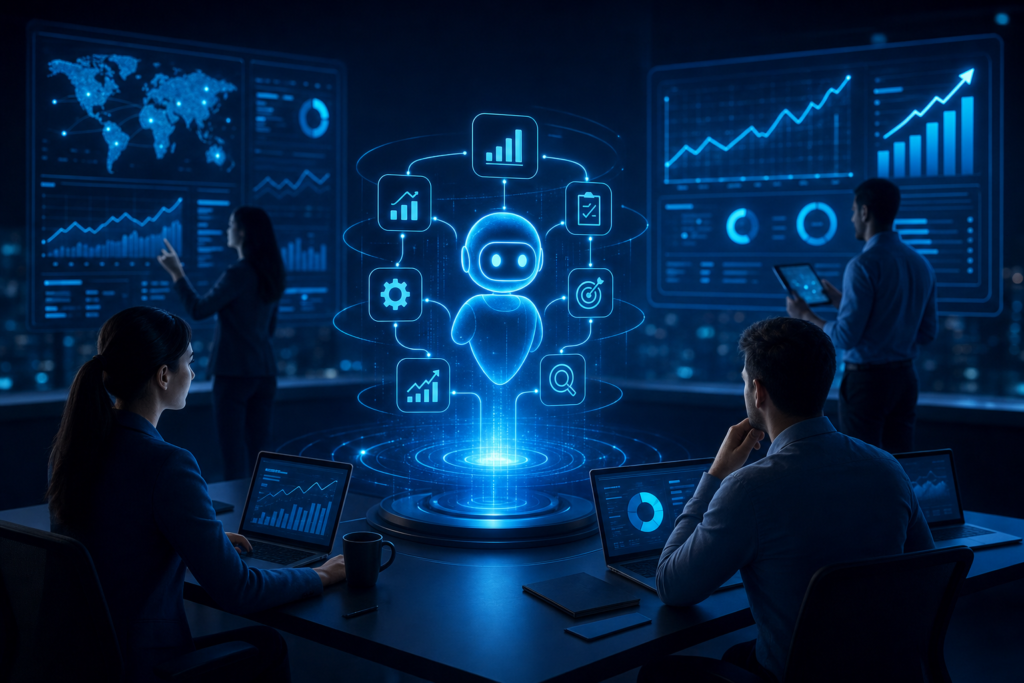
AI-Powered Fundraising Platform options
Choosing among AI-powered fundraising automation services should begin with outcomes, not software features. Vynta AI provides a service that designs, builds, and deploys custom AI agents and automation solutions for approved fundraising workflows. These solutions can reduce manual work, support personalized outreach, and help fundraising teams coordinate activity from a clearer operating model.
Key Takeaways
- Choosing among AI-powered fundraising automation services should begin with outcomes, not software features.
- Vynta AI provides a service that designs, builds, and deploys custom AI agents and automation solutions for approved fundraising workflows.
- These solutions can reduce manual work, support personalized outreach, and help fundraising teams coordinate activity from a clearer operating model.
For fundraising organizations, the practical question is whether artificial intelligence can improve donor engagement while preserving trust, consent, and human judgment. This guide explains how custom AI agents and automation services can support fundraising workflows and what leaders should assess before implementation.
What is an AI-Powered Fundraising Platform option?
Vynta AI is not a pre-built software platform. Its AI Agent Development service designs, builds, and deploys custom AI agents that automate complex workflows and execute tasks autonomously within an organization’s approved processes. Its solutions can combine workflow automation, system integration, communication automation, and performance intelligence according to the organization’s requirements.
An effective custom AI agent service does not replace relationship managers, development officers, or executive decision-makers. It gives them better preparation and more time for conversations that require empathy, context, and judgment. A configured agent can support an approved fundraising workflow, prepare information for review, and identify a next step. A team member still reviews recommendations, confirms permission settings, and decides whether outreach is appropriate.
Vynta AI’s service model begins with discovery and assessment, followed by expert implementation within weeks and continuous results monitoring and optimization. The service can connect existing tools and platforms to eliminate data silos and enable real-time data synchronization. Ongoing monitoring, technical support, team training, phased deployment planning, and optimization reviews help maintain appropriate human oversight.
Key insight: AI creates fundraising value when it improves a measurable workflow, such as donor qualification, appeal production, stewardship scheduling, or campaign analysis. A larger volume of automated messages is not the same as stronger donor relationships.
Benefits of AI-powered fundraising automation services
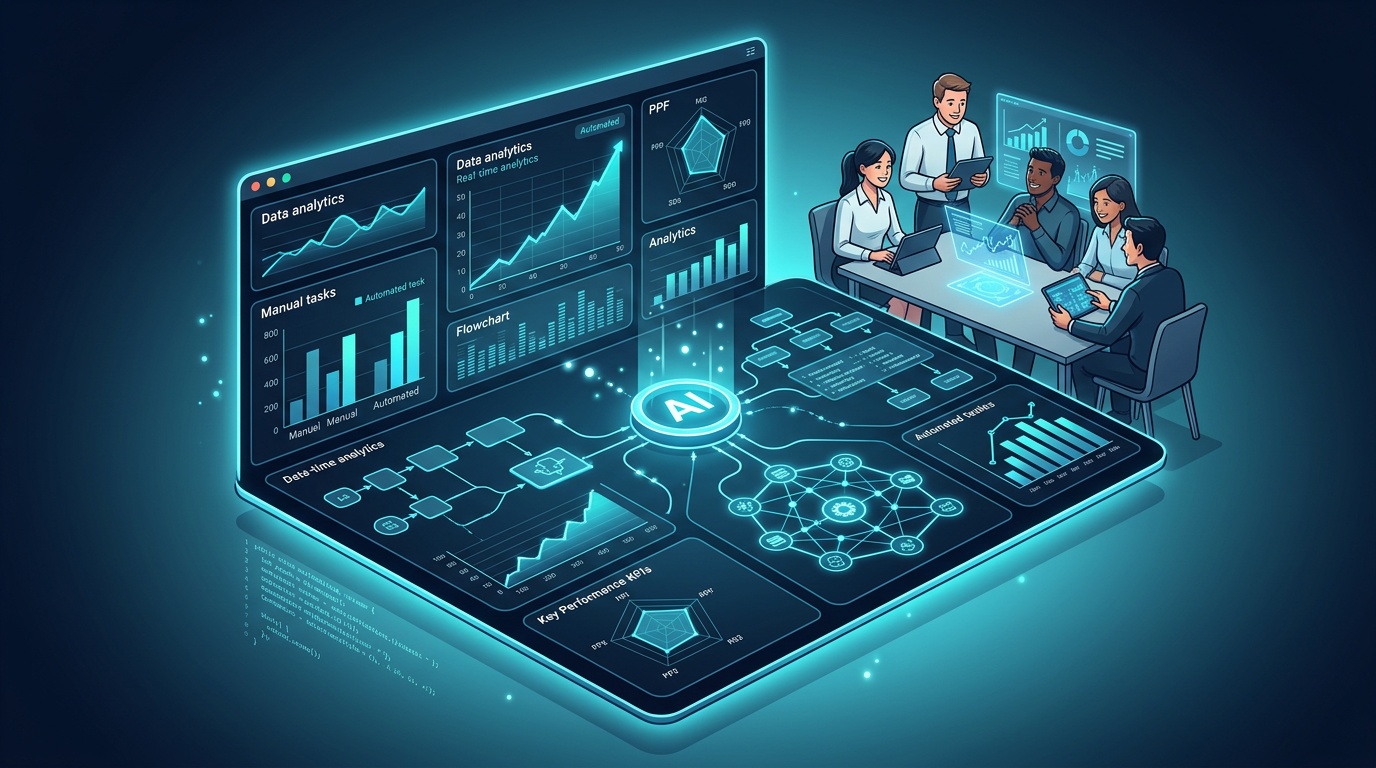
The first benefit is better use of staff time. Fundraising teams often spend hours cleaning spreadsheets, reviewing donor histories, researching prospects, and assembling campaign reports. A custom AI agent can be configured to classify records, summarize interactions, detect engagement changes, and prepare a prioritized task list. Staff members can then focus on major-donor conversations, community partnerships, stewardship, and campaign strategy. This shift can improve efficiency without expanding the team, while retaining the human contact that donors value.
AI can also support more relevant communication at scale. Vynta AI’s Communication Automation capability includes multi-channel messaging, conversational AI, SMS and WhatsApp integration, and personalized content generation. The service can be configured to support approved audience rules and message variations for review. Generated content is not off-the-shelf messaging content; it is personalized content generated for the organization’s defined workflow. Results are monitored and optimized rather than guaranteed.
Another benefit is stronger coordination. System Integration services connect existing tools and platforms to eliminate data silos and enable real-time data synchronization. Custom API development and data transformation are part of these capabilities. Workflow Automation can transform manual processes into intelligent automated workflows with exception handling and decision-making capabilities. The specific systems and workflows are established during discovery and assessment.
Performance Intelligence provides automated analytics, including anomaly detection, predictive trend analysis, and AI-generated recommendations. Implementation & Support includes phased deployment planning, ongoing monitoring, technical support, team training, and optimization reviews. Together, these services can help businesses increase revenue, reduce costs, and improve efficiency without expanding their team. They support attention to growth; they do not manage business growth directly.
How to Choose AI-powered fundraising automation services
Choosing an AI automation service starts with a clear operating problem. Define whether the priority is donor identification, recurring gift growth, campaign reporting, grant writing, appeal production, or follow-up management. Establish a baseline before reviewing an implementation: staff hours spent on research, response rates, donor retention, average gift size, proposal turnaround time, and revenue by channel. A useful service should connect its capabilities to these measures. During discovery and assessment, Vynta AI can help define the workflow, data requirements, and intended outcome.
Next, assess data readiness. Review the quality of CRM records, donation history, consent fields, contact details, event attendance, email activity, and prospect research. Duplicate profiles, missing communication preferences, outdated addresses, and inconsistent campaign labels can reduce the quality of recommendations. Ask how the proposed System Integration will connect approved tools and platforms, including any required custom API development or data transformation. Specific integrations, security controls, and governance requirements should be confirmed during assessment rather than assumed.
Evaluate the AI agent according to the decisions it supports, not the number of features listed in a sales presentation. Ask which complex workflows should be automated, which exceptions require human review, and how decisions will be monitored. For communications, define approval requirements, tone guidelines, suppression rules, and message variations. Generated content should remain subject to human review before distribution. Vynta AI’s service develops custom solutions for the organization’s requirements rather than supplying off-the-shelf software.
Integration determines whether an automation solution becomes part of daily work or remains isolated. Confirm which existing tools and platforms need to connect and whether real-time data synchronization, custom APIs, or data transformation are required. Examine how the proposed workflow handles exceptions and decision-making. Staff should be able to review recommendations and actions within the agreed operating process. Explainability and human oversight are especially important when outreach decisions affect donor experience.
Implementation should be planned in phases. Vynta AI’s service model includes discovery and assessment, expert implementation within weeks, phased deployment planning, ongoing monitoring, technical support, team training, and optimization reviews. Results are monitored continuously so that workflows can be adjusted as requirements change. The service does not promise fully autonomous operations without human oversight; ongoing optimization and support remain part of the model.
Finally, run a controlled pilot with one campaign or donor segment. Select a baseline period, define success measures, and compare staff workload with fundraising outcomes. Useful indicators include research hours saved, qualified prospects reviewed, email response, donation conversion, recurring gift enrollment, average gift, proposal completion time, and unsubscribe rate. Vynta AI’s custom AI agent and automation service can be assessed through this practical lens: connect approved data, assign defined workflows, review recommendations, and monitor the business outcome before expanding adoption.
The right AI automation service should fit the organization’s data maturity, staffing model, risk tolerance, and growth plan. Select a service that makes approved information more useful, reduces repetitive work, and gives fundraising professionals better context for human conversations. Vynta AI provides custom AI Agent Development, System Integration, Workflow Automation, Communication Automation, Performance Intelligence, and Implementation & Support. The service is evaluated through adoption, operational efficiency, and sustainable business outcomes rather than automation volume alone.
Frequently Asked Questions
What is AI-powered fundraising, and how does it work?
AI-powered fundraising can use custom AI agents, system integration, workflow automation, communication automation, and performance intelligence to support development work. Vynta AI designs, builds, and deploys custom AI agents for approved complex workflows. Workflow Automation can include exception handling and decision-making capabilities, while Performance Intelligence provides automated analytics such as anomaly detection, predictive trend analysis, and AI-generated recommendations. Human review remains necessary for sensitive messages, data accuracy, and ethical outreach.
What are the main benefits of using AI in fundraising?
The practical benefits can include less manual data work, more relevant communication, and improved coordination across approved fundraising workflows. Communication Automation includes multi-channel messaging, conversational AI, SMS and WhatsApp integration, and personalized content generation. System Integration connects existing tools and platforms to eliminate data silos and enable real-time data synchronization. These capabilities can help businesses increase revenue, reduce costs, and improve efficiency without expanding their team; they do not directly manage business growth.
How do I select the right service for my organization?
Start with one defined operational goal and use discovery and assessment to identify the required data, workflow, integrations, and review responsibilities. Ask whether the proposed solution requires custom API development or data transformation, how exceptions will be handled, and how results will be monitored. Vynta AI’s service includes expert implementation within weeks, phased deployment planning, ongoing monitoring, technical support, team training, and optimization reviews. A controlled pilot with clear baseline measures can provide useful evidence before expanding usage.
What ethical risks should nonprofits consider?
Key risks include privacy violations, inaccurate recommendations, excessive personalization, unclear consent, and messages that appear deceptive or impersonal. Organizations should establish appropriate controls for approved data, human review, and escalation to a staff member. Generated appeals require human approval, especially when they address emergencies, vulnerable communities, health issues, or emotionally sensitive subjects. Ongoing monitoring and optimization should include review of workflow performance and donor experience.
Can AI write grant proposals and fundraising appeals?
A custom AI agent may be configured to support an approved drafting or content workflow. Communication Automation provides personalized content generation, not off-the-shelf messaging content. Generated content should not invent outcomes, beneficiary stories, financial figures, citations, or program details. A grant writer or development leader must verify every factual statement and remain responsible for accuracy, dignity, permission, and the final call to action.
Can Vynta AI support fundraising organizations?
Vynta AI enables engagement for industries including Fundraising. It is a service, not pre-built software: the team develops custom AI agents and automation solutions for the organization’s approved workflows. The service model includes discovery and assessment, expert implementation within weeks, continuous results monitoring and optimization, phased deployment planning, technical support, team training, and optimization reviews. Suitability depends on the workflow, data, existing tools, internal ownership, and outcome the organization intends to measure. The service supports development professionals and does not substitute for trust-based donor relationships or human oversight.