
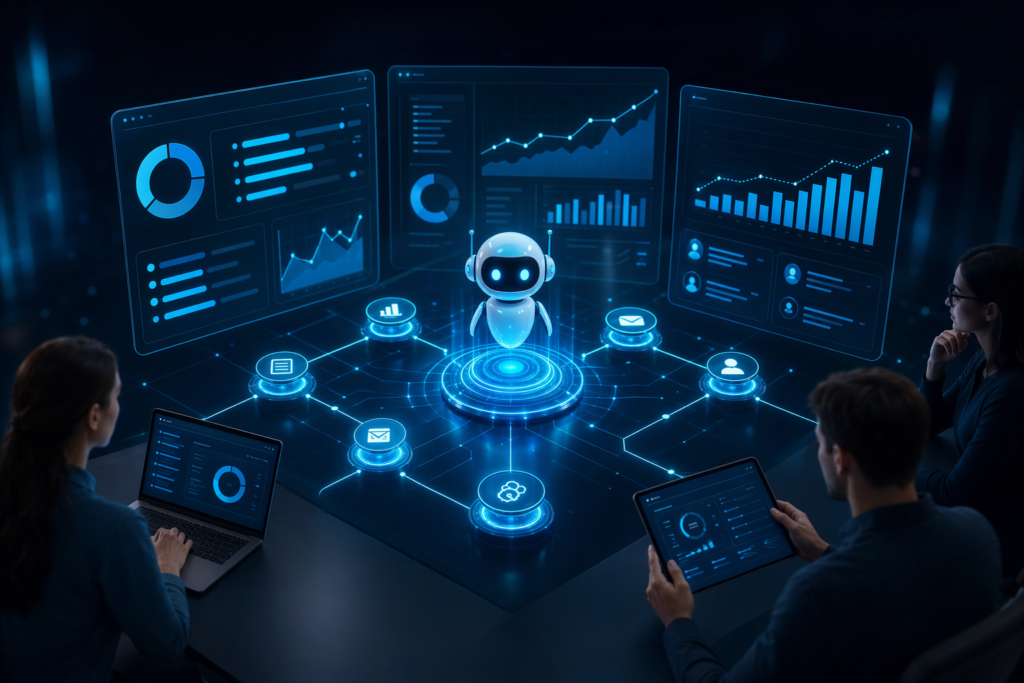
ai agents vs chatbots
AI Agents vs. Chatbots: Understanding the Core Difference for Your Business
The distinction between ai agents vs chatbots isn’t just technical jargon. It’s the difference between reactive customer service and proactive business automation. While chatbots respond to queries with preprogrammed answers, AI agents execute tasks, make decisions, and integrate with live business systems to drive measurable outcomes.
Beyond Basic Conversation: What Truly Defines an AI Agent?
AI agents operate with autonomy, accessing real-time data from your CRM, reservation systems, or inventory databases. Unlike traditional chatbots that rely on static knowledge bases, these intelligent systems check availability, update customer records, and trigger automated workflows. They don’t just answer questions. They complete business processes.
Chatbots: The Reactive Responders
Traditional chatbots excel at FAQ responses and basic customer service interactions. They follow decision trees and provide information but can’t access external systems or take meaningful action. When a customer asks about availability or wants to modify a booking, chatbots typically escalate to human agents.
AI Agents: The Proactive Problem Solvers
Modern AI agents like Vynta AI Agents for Hospitality instantly check table availability, process reservation modifications, and update guest preferences in real time. They increase booking conversion by 50% and reduce customer inquiry abandonment by 60% by completing transactions within the conversation.
Key Insight
The question “is chatgpt an ai agent” highlights a common point of confusion. While ChatGPT demonstrates advanced conversational AI, it typically lacks the system integration capabilities that define true AI agents. Without secure access to your business systems, it can’t reliably access your live business data or execute real-world tasks.
Does ChatGPT Count? Navigating the Nuances
ChatGPT represents sophisticated language processing but operates in isolation from business systems. True AI agents bridge this gap, combining conversational intelligence with operational capabilities. They authenticate users, process transactions, and synchronize data across platforms. Functions that distinguish them from even the most advanced chatbots.
The “Live System State” Advantage: How AI Agents Drive Real-World Action
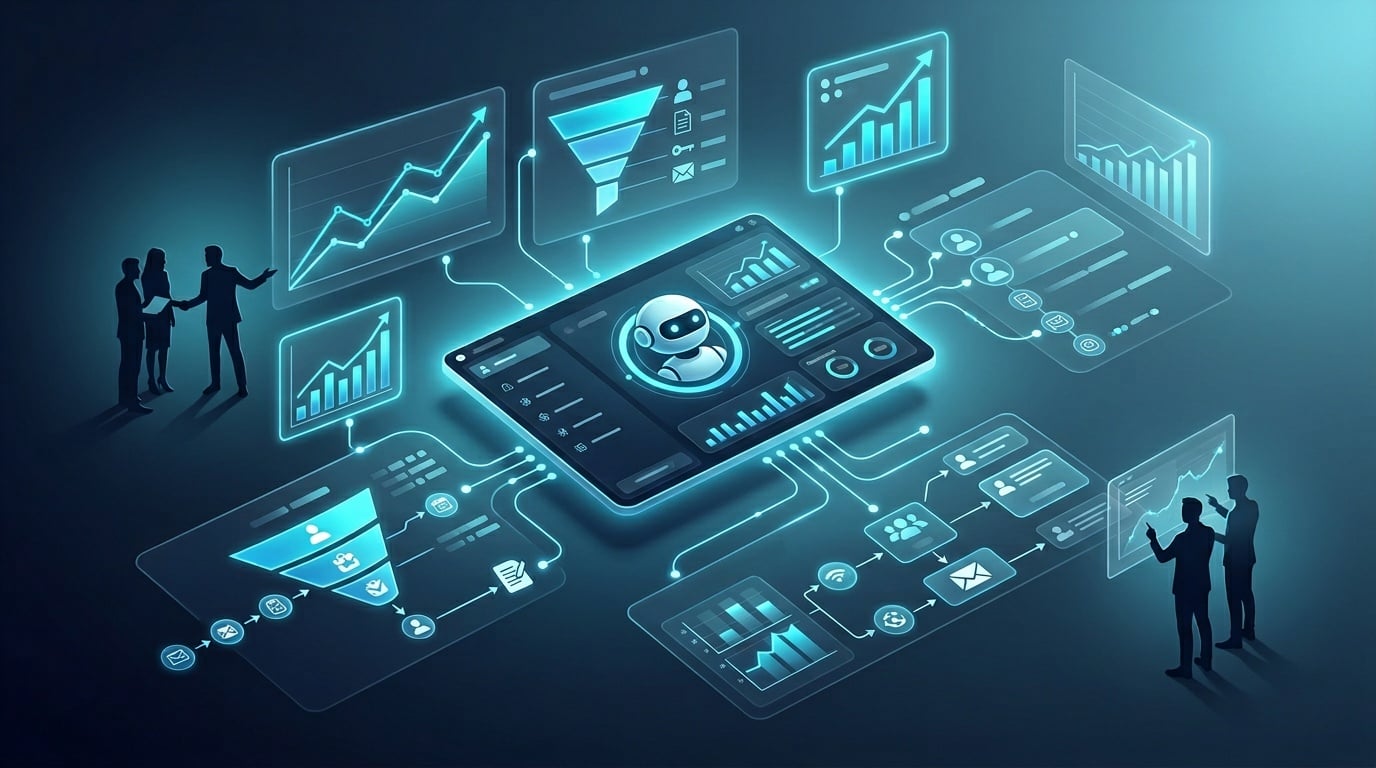
For businesses using CRM platforms, ATS tools, or reservation systems, the difference between chatbots and AI agents becomes stark. Static knowledge bases quickly become outdated, while true AI agents maintain real-time connections to business data for accurate, current customer interactions.
Why Static Knowledge Bases Limit Chatbots in Business
Traditional chatbots rely on preloaded responses that require manual updates. When inventory changes, prices shift, or bookings update, these systems provide inaccurate information. A chatbot can’t tell a customer that a preferred time slot was just taken, forcing awkward escalations and frustrating customers.
AI Agents: Accessing and Acting on Dynamic Data
AI agents connect directly to business systems through API integrations. They query live databases, modify records, and execute transactions in real time. When a guest requests a reservation modification, an AI agent checks current availability, processes the change, and updates the booking system before the conversation ends.
Real-World Impact: CRM, ATS, and Reservation Systems in Action
| Capability | Traditional Chatbots | AI Agents |
|---|---|---|
| System Integration | None | Real-time connection |
| Data Accuracy | Static, potentially outdated | Live, current information |
| Transaction Completion | Escalation required | Self-service completion |
Vynta AI Agents for Hospitality integrates with platforms like SevenRooms, automatically synchronizing guest data, reservation details, and preference tags in real time.
Measuring ROI: Beyond Conversation Metrics
Traditional chatbot metrics focus on response times and satisfaction scores. AI agent ROI connects to business outcomes: conversion rates, operational cost reduction, and revenue per interaction. Our clients report operational cost reductions of 30% alongside 50% booking conversion improvements.
From Reactive to Proactive: AI Agents in Action Across Key Verticals
Real Estate: From Lead Qualification to Property Matching Automation
Real estate agencies deploy AI agents to qualify leads instantly, score prospect engagement, and match buyers with suitable properties automatically. Agents pull listing data, schedule viewings, and update CRM records without human intervention, allowing teams to focus on relationship-building.
Recruitment: Streamlining Candidate Screening and Interview Scheduling
Recruitment firms deploy AI agents to screen resumes against job requirements, conduct initial candidate assessments, and coordinate interview schedules across time zones. These systems process hundreds of applications while maintaining consistent evaluation criteria and reducing time to hire significantly.
Fundraising: Automating Investor Outreach and Donor Engagement
Fundraising organizations deploy AI agents to identify potential investors from databases, personalize outreach messages based on giving history, and track engagement across multiple touchpoints. Automated follow-up sequences maintain momentum without exhausting development staff.
Hospitality: Optimizing Guest Experience and Reservation Management
Hospitality venues benefit from AI agents that manage reservation availability, process booking modifications, and personalize guest communications across channels like WhatsApp, SMS, Instagram, and email. Agents tailor upselling offers based on guest profiles while ensuring VIP guests receive human attention through defined escalation rules.
Addressing the Fears: Reliability and Control in Enterprise AI Agents
The “Drifting” and “Crashing” Problem: Common Chatbot Pitfalls
Businesses worry about AI systems generating inappropriate responses or making incorrect decisions autonomously. These concerns stem from documented chatbot failures: broken decision trees, hallucinated information, and system crashes during peak demand. Such failures damage brand reputation and erode customer trust.
Vynta AI’s Approach: Building Guardrails for Enterprise-Grade Agents
Vynta AI agents operate with strict content controls and brand-specific customization. Clients define operating hours, escalation rules, and behavioral boundaries. A dashboard allows manual monitoring, pausing, and taking over live conversations. NDAs and strict data privacy protocols protect sensitive information. The system responds with natural pauses that mimic human timing rather than instant robotic replies.
Human-AI Collaboration: Supporting Your Team, Not Replacing It
AI agents handle routine inquiries and transactions, freeing staff for complex issues and relationship-building. VIP guests and nuanced situations route to human staff through configurable escalation triggers. This hybrid approach delivers efficiency gains while preserving the personal touch that drives loyalty.
The Strategic Partner Advantage: Beyond a Technology Vendor
Choosing an AI agent provider means more than selecting software. Vynta AI offers industry-specific expertise, custom deployment, and ongoing AI automation services. Our team understands the constraints of real estate, recruitment, fundraising, and hospitality operations, delivering solutions that address specific business challenges rather than generic automation.
Making the Strategic Choice: AI Agents vs. Chatbots
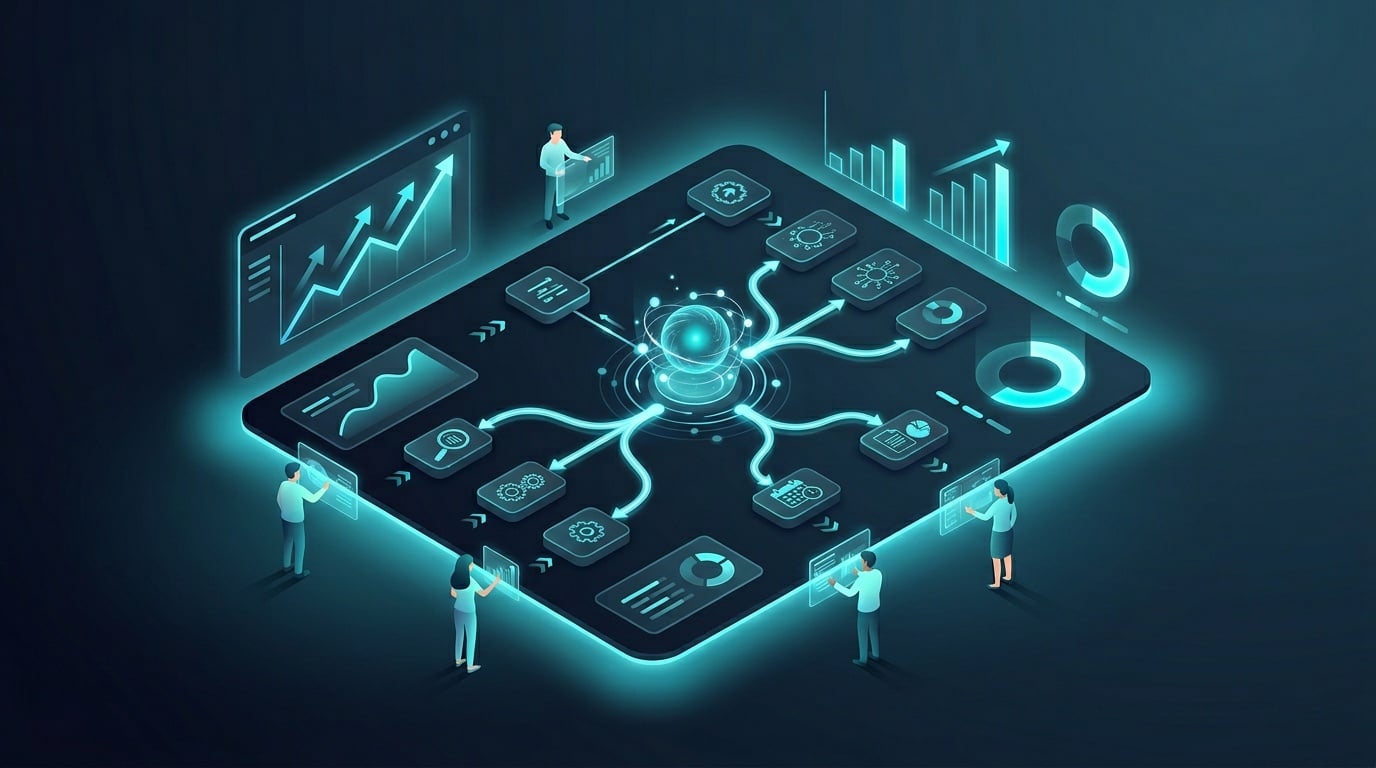
When evaluating ai agents vs chatbots for your organization, the decision hinges on one question: do you need a tool that talks, or a system that acts?
When Chatbots Suffice: Limited Use Cases
Basic chatbots serve narrow functions effectively: answering FAQs, providing business hours, or routing inquiries. Organizations with minimal system integration needs and low transaction volumes may find the chatbot vs ai distinction negligible for simple customer service.
When AI Agents Deliver Superior ROI
Businesses requiring real-time data access, transaction completion, or multi-system coordination benefit immediately from AI agents. If your operations involve reservations, lead qualification, or personalized customer journeys across platforms, the ai agent chatbot comparison becomes clear: agents execute, chatbots respond.
Pros and Cons: AI Agents vs. Chatbots
AI Agents
- Real-time system integration and data synchronization
- Autonomous transaction completion
- Proactive workflow execution across platforms
- Measurable business ROI beyond conversation metrics
Traditional Chatbots
- Static responses requiring manual updates
- Can’t access or modify live business data
- Limited to reactive, scripted interactions
- Escalation required for transactional requests
Future Considerations: The Agentic AI Evolution
The trajectory from chatbots to agents to fully agentic AI systems signals a fundamental shift. Understanding ai agents vs agentic ai matters for long-term planning. Current AI agents execute defined tasks within set parameters. Agentic AI will independently identify problems, formulate strategies, and adapt approaches without explicit programming.
Organizations investing in agent infrastructure today position themselves for this evolution. Platforms like chatbot development frameworks already enable developers to build increasingly autonomous systems.
Final Recommendation
For mid-market organizations in real estate, recruitment, fundraising, and hospitality, the verdict is straightforward. AI agents deliver measurable outcomes that chatbots can’t: 30% operational cost reductions, 50% booking conversion improvements, and up to 25% increases in average guest spend through tailored upselling.
Vynta AI Agents for Hospitality exemplify this shift from reactive responses to proactive business automation. With real-time CRM integration, configurable escalation rules, and brand-safe personalization across WhatsApp, SMS, Instagram, and email, these agents transform customer interactions into revenue-driving transactions.
The ai agents vs chatbots debate ends where business outcomes begin. Choose systems that act, not just respond. Choose agents.
Frequently Asked Questions
Is an AI agent the same as a chatbot?
No, they are fundamentally different. Chatbots are reactive, responding to queries with preprogrammed answers and following decision trees. AI agents, however, operate with autonomy, execute tasks, make decisions, and integrate with live business systems to drive measurable outcomes.
Is ChatGPT considered an AI agent?
While ChatGPT shows advanced conversational AI, it typically lacks the secure system integration capabilities that define true AI agents for business. Without direct access to your business systems, it cannot reliably use live business data or execute real-world tasks like processing transactions.
What defines a traditional chatbot's capabilities?
Traditional chatbots excel at FAQ responses and basic customer service interactions. They follow predefined decision trees and provide information from static knowledge bases. They cannot access external systems or take meaningful action, often needing to escalate complex requests to human agents.
How do AI agents differ in handling business processes?
AI agents proactively complete business processes by accessing real-time data from systems like CRMs or reservation platforms. They can check availability, update customer records, and trigger automated workflows. For example, Vynta AI Agents can process reservation modifications and update guest preferences within the conversation.
What are some practical applications of AI agents in business?
AI agents are used across various sectors for automation. In hospitality, they manage reservation availability and personalize guest communications. For recruitment, they screen candidates and schedule interviews, while in real estate, they qualify leads and match properties.
Why is real-time system integration important for AI agents?
Real-time system integration allows AI agents to access and act on dynamic business data, unlike chatbots that rely on static, quickly outdated knowledge bases. This connection to live databases ensures accurate, current customer interactions and enables agents to execute transactions directly.