
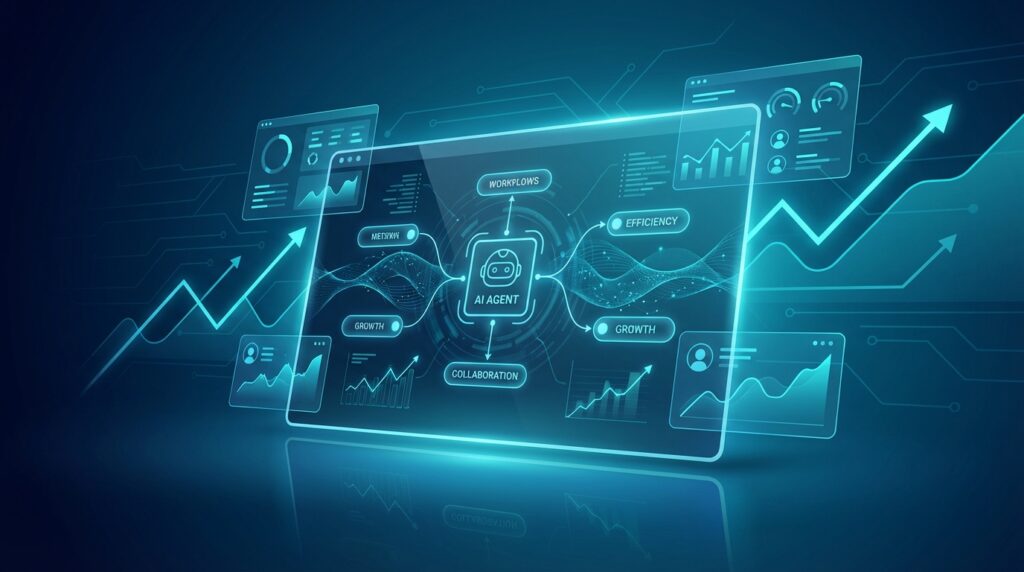
Alternatives to legacy systems with AI agents in nightclubs.
Why Nightclubs Need AI Agents Over Legacy Systems
Alternatives to legacy systems with AI agents in nightclubs address the key failures of rigid reservation platforms and manual workflows. AI agents autonomously manage dynamic table allocation, reduce no-shows by up to 35%, and deliver personalized guest experiences that drive revenue per visitor–solving problems that static software cannot.
The Hidden Costs of Restaurant Software in Nightclub Operations
Most nightclubs operate with reservation systems built for restaurants, not high-volume, late-night venues. These platforms require manual table assignments, can’t adjust capacity based on real-time crowd density, and force staff to toggle between multiple screens during peak hours. When a VIP party arrives without notice or a reserved table sits empty past the grace period, legacy systems offer no automated response.
Staff waste 15-20 minutes per shift reconciling reservation data with actual floor status. Bottlenecks form at the entrance while guests ready to spend wait for manual intervention.
Manual guest communication creates additional friction. Text confirmations go unsent, dietary preferences get lost in email chains, and bottle service upsells depend entirely on server memory. A Friday night with 200 guests means 200 opportunities for human error.
Quantifying the Revenue Drain
No-shows cost nightclubs an average of $180 per reserved table. Friday and Saturday rates reach 25-30% in venues without proactive confirmation systems. Legacy platforms send static reminder emails that guests ignore.
Staffing inefficiencies compound the problem. Managers schedule based on historical averages rather than predictive demand signals, leading to overstaffing on slow nights and understaffing during unexpected surges. A single understaffed Saturday can mean $8,000+ in lost bottle service revenue.
Missed upsells represent the largest hidden cost. When servers can’t access guest preferences in real time, they fail to suggest premium bottles to high-value repeat visitors. They miss VIP upgrade opportunities for first-time guests showing spending signals. Each missed conversation costs $120-$400 in potential revenue.
What Other Hospitality Venues Already Know
Sports clubs and upscale pubs face identical challenges with event-driven demand spikes and capacity constraints. Venues using AI-agent alternatives to legacy systems in nightclubs and similar hospitality settings report 40% faster table turnover and 22% higher per-guest spend. These operations prove that AI-driven reservation management, automated guest communication, and intelligent staff coordination translate directly to nightclub environments where speed and personalization determine competitive advantage.
Legacy Systems vs. AI Agents
AI Agent Advantages
- Autonomous table reallocation based on real-time occupancy
- Predictive no-show prevention with personalized outreach
- Instant staff coordination without manual dispatch
- Guest preference tracking across all visits
- Dynamic pricing and upsell recommendations
Legacy System Limitations
- Static table assignments requiring manual changes
- Generic reminder emails with low engagement
- No integration between front-of-house and service staff
- Guest data siloed in disconnected systems
- Fixed pricing with no demand-based optimization
How AI Agents Handle Nightclub Operations Differently
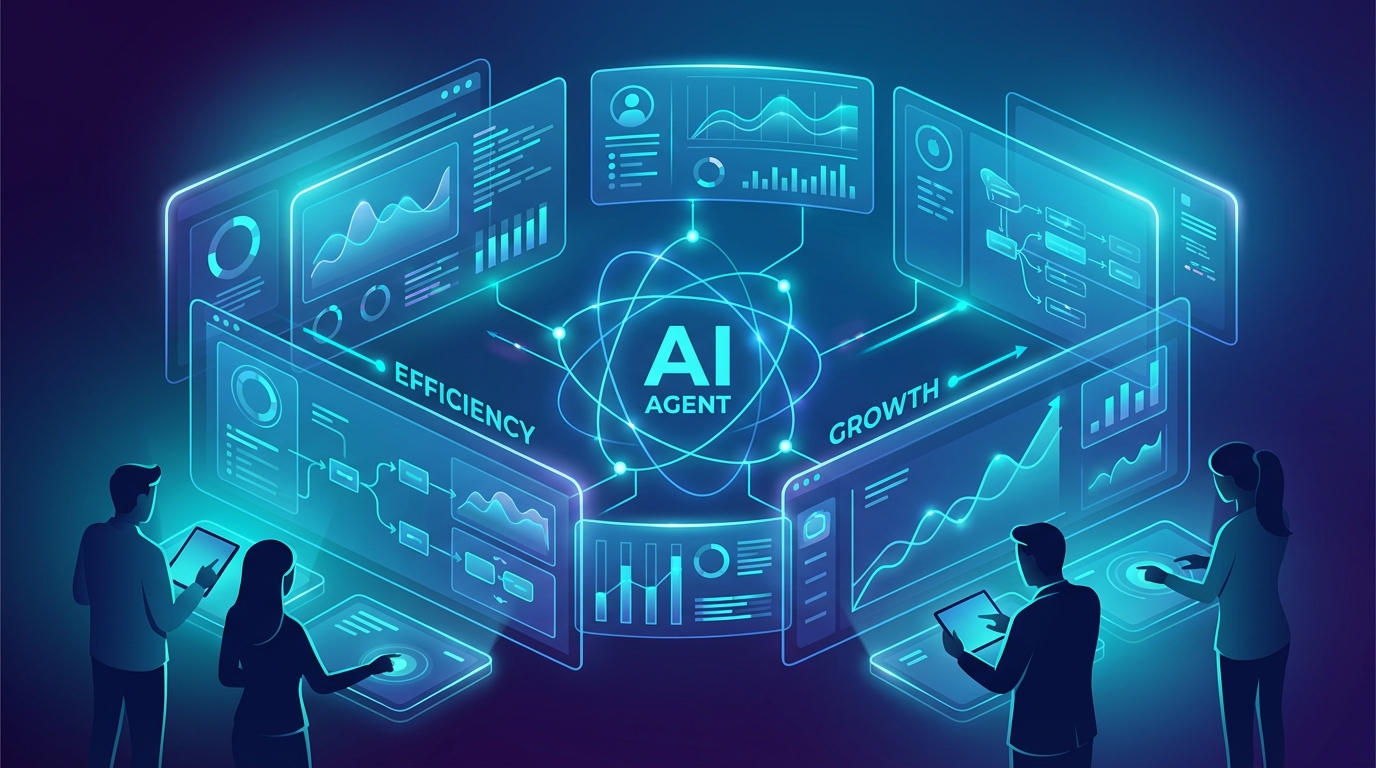
Alternatives to legacy systems with AI agents in nightclubs operate through autonomous decision-making rather than rule-based automation. Where traditional software requires manual input for every table reassignment or guest communication, AI agents analyze real-time data streams from POS systems, door counts, and reservation patterns to execute operational decisions independently.
When a reserved table remains unclaimed 15 minutes past the booking window, the agent automatically releases it to the waitlist, sends targeted offers to high-value guests in the queue, and updates floor staff via integrated communication tools. No manager intervention required.
Dynamic Capacity Management That Responds to Reality
AI agents adjust capacity allocations based on predictive demand models trained on historical attendance, local event calendars, and weather patterns. A nightclub using intelligent agents can shift VIP section boundaries by 20% on high-demand nights, converting underused space into premium inventory without manual floor plan redesigns.
Queue management becomes proactive rather than reactive. Agents identify guests with high predicted spend based on past behavior, offer expedited entry with bottle service packages, and dynamically price cover charges to optimize revenue per square foot. Legacy systems treat every guest identically and require managers to make these judgment calls under pressure.
Table allocation follows similar intelligence. When a party of six arrives for a reservation but only four appear, the agent proposes alternative seating that frees the larger table for a waitlisted group of eight. It calculates the revenue impact of each scenario in milliseconds.
Reservation confirmations adapt to guest preferences learned over time: text reminders for younger demographics, email summaries with parking details for corporate groups, and WhatsApp messages for international visitors.
Staff Coordination and Contextual Upselling
AI agents monitor service density across floor sections and alert managers to coverage gaps before guests experience delays. When bottle service orders spike in the VIP area, the system automatically suggests reallocating servers from quieter zones.
Each staff member receives guest context: repeat-visitor status, typical spend patterns, and preferred brands. A server approaching a table sees Guest ordered Don Julio 1942 on three prior visits and is viewing the premium tequila menu
rather than generic bottle lists. This contextual intelligence shifts upselling from guesswork into data-driven recommendations.
Post-visit communication happens automatically. High-value guests receive exclusive event invitations and birthday offers without staff needing to maintain manual lists. Feedback requests get timed to maximize response rates.
Governance Without Bottlenecks
AI agents operate within frameworks that define autonomy boundaries. Routine decisions like sending reservation confirmations, releasing no-show tables after grace periods, and suggesting upsells happen without human approval.
Higher-stakes actions such as offering complimentary bottles to recover from service failures or adjusting VIP pricing for special events trigger manager review workflows. This oversight structure accelerates operations without introducing unacceptable risk.
Implementation Reality: Nightclubs deploying AI agents typically see a 35% reduction in no-show rates within 60 days and an 18% increase in average guest spend within 90 days, driven by consistent upsell execution and optimized table use that manual processes can’t match at scale.
Seamless Integration of AI Agents with Existing Nightclub Tech
AI agents connect to existing nightclub infrastructure through API integrations rather than requiring full system replacements. Most mid-market venues operate with a POS system for transactions, a basic CRM or spreadsheet for guest data, and a reservation platform. AI agents sit atop this stack, pulling data from each system and pushing automated actions back through existing interfaces.
A nightclub using Square POS, Mailchimp for email, and OpenTable for reservations can deploy AI agents that read transaction histories, trigger personalized campaigns, and adjust reservation availability without migrating to new platforms.
Building Intelligence on Top of Your Current Stack
Integration begins with read access to core data sources. The AI agent imports guest profiles from the CRM, transaction records from the POS, and reservation history from booking software. This creates a unified guest intelligence layer that legacy systems can’t provide when data remains siloed.
Once connected, the agent writes back automated actions: updating reservation statuses, adding guest notes visible to staff, and triggering email sequences through existing marketing tools. Most integrations require API credentials and basic configuration rather than custom development.
For nightclubs without formal CRM systems, AI-agent alternatives to legacy systems in nightclubs can function as the intelligent data layer, capturing guest information from reservations and transactions to build profiles over time. This approach delivers immediate value while establishing the foundation for sophisticated personalization as data accumulates.
Minimum Tech Requirements
You need a cloud-based POS with API access, an email/SMS communication platform, and digital reservation management. That’s it.
Nightclubs still using on-premises legacy POS systems face integration challenges that may justify upgrading to modern options before deploying AI agents. The investment typically pays back within six months through improved operational efficiency and revenue capture.
Five-Step Implementation Path
- Data audit and integration setup: Map existing systems, establish API connections, and validate data quality across sources.
- Define autonomy boundaries: Specify which actions require human approval versus full agent autonomy based on business risk tolerance.
- Train on historical patterns: Feed 90 days of reservation, transaction, and guest communication data to calibrate predictive models.
- Pilot with limited scope: Deploy agents for reservation confirmations and basic upsells before expanding to dynamic pricing and staff coordination.
- Monitor and refine: Review agent decisions weekly during the first month, adjusting rules based on edge cases and staff feedback.
Governance frameworks should define escalation paths for unusual scenarios, performance metrics that trigger manual review, and regular audits of automated decisions to ensure alignment with brand standards.
Real ROI from AI Agents: Metrics That Matter for Nightclubs
Quantifiable outcomes separate alternatives to legacy systems with AI agents in nightclubs from incremental software upgrades. Mid-market venues deploying intelligent agents measure impact through three primary categories: operational cost reduction, revenue expansion, and guest retention improvements.
Labor Savings Without Layoffs
AI agents eliminate 12-18 hours per week of administrative tasks previously handled by managers and hosts: manual reservation confirmations, table assignment coordination, guest list reconciliation, and staff scheduling adjustments. At an average management hourly rate of $35, this represents $21,840 to $32,760 in annual labor savings per venue.
Nightclubs scaling from 200 to 400 weekly guests achieve this growth without adding front-of-house staff. AI agents absorb the coordination workload that would otherwise require two additional hosts.
Operational waste decreases through predictive staffing models. Venues report a 15-20% reduction in overstaffing costs by aligning server schedules with AI-predicted demand patterns rather than historical averages. When agents analyze ticket sales for nearby concerts, weather forecasts, and local event calendars to forecast Friday night attendance, managers schedule the exact staff count needed to maintain service quality.
Revenue Recovery and Expansion
No-show reduction delivers immediate revenue impact. A 100-table nightclub experiencing 25% no-show rates on weekend reservations loses approximately $18,000 monthly in potential revenue. AI agents deploying personalized confirmation sequences and automated waitlist management recover 35-40% of this loss, adding $6,300 to $7,200 in monthly revenue with zero additional marketing spend.
Upsell conversion rates improve through consistent, data-driven recommendations. When every server receives real-time guest intelligence on mobile devices, bottle service attachment rates increase by 18-25%. A venue averaging 80 table reservations per weekend with $400 average bottle service orders gains $5,760 to $8,000 in weekly incremental revenue from systematic upselling that manual processes can’t sustain during high-volume periods.
Guest retention compounds these gains. Personalized post-visit communication and preference tracking increase repeat visit rates by 12-15% within six months. Repeat guests spend 40% more per visit than first-time guests, creating compounding revenue growth.
Performance Benchmarks and Implementation Timeline
Upscale restaurants and boutique hotels implementing AI-agent alternatives to legacy systems in nightclubs and similar hospitality environments provide relevant performance benchmarks. A 150-seat restaurant in Miami reduced no-shows from 28% to 16% within 45 days of AI agent deployment. A boutique hotel in Austin increased direct booking conversion rates by 23% through intelligent guest communication workflows.
These venues share nightclub characteristics: high guest volume, time-sensitive operations, and revenue dependence on upselling premium experiences.
Implementation timelines for measurable ROI follow predictable phases:
- Initial integration and training: 2-3 weeks
- Operational efficiency gains: 30 days
- Revenue impact becomes significant: 60-90 days (as predictive models refine through accumulated data)
Nightclubs should expect breakeven on implementation investment within 4-6 months, with ongoing annual ROI exceeding 300% for mid-market venues processing 8,000+ monthly guests.
| Metric Category | Legacy System Performance | AI Agent Performance | Financial Impact (Annual) |
|---|---|---|---|
| No-Show Rate | 25-30% | 15-18% | $75,600 recovered revenue |
| Administrative Hours | 18 hours/week | 3 hours/week | $27,300 labor savings |
| Bottle Service Conversion | 32% | 42% | $124,800 incremental revenue |
| Repeat Visit Rate | 38% | 45% | $89,200 retention value |
Get Started with Vynta AI Agents for Your Nightclub
As Operations Director at Vynta AI, I’ve seen how nightlife operators get boxed in by tools built for restaurants and quiet service environments. Vynta AI delivers bespoke AI agents built for luxury hospitality operations, with capabilities that fit the real demands of nightclub service. Our agents integrate with existing POS, CRM, and reservation systems to provide autonomous guest management, intelligent staff coordination, and revenue optimization without requiring technology overhauls that disrupt operations.
Complete Guest Lifecycle Management
Vynta AI agents handle pre-arrival communications with personalized parking and dress code information, real-time table allocation based on occupancy patterns, intelligent upsell recommendations delivered to staff mobile devices, and post-visit engagement timed to maximize retention. Each action executes within governance frameworks you define, ensuring brand consistency while removing manual coordination bottlenecks.
Revenue optimization extends beyond basic upselling. Our agents analyze guest spending patterns to identify high-value visitors who warrant VIP treatment, predict demand surges that justify dynamic pricing adjustments, and automatically release no-show reservations to maximize table utilization. These capabilities operate continuously without requiring management attention during peak hours.
Why Vynta AI Outperforms Generic Tools for Mid-Market Hospitality
Generic automation platforms require extensive customization to function in nightclub environments, often demanding in-house technical resources that mid-market venues don’t have. Vynta AI arrives preconfigured with hospitality-specific workflows, guest communication templates refined across hundreds of venues, and predictive models trained on nightclub operational patterns.
Implementation takes weeks rather than months. Ongoing optimization happens through our managed service rather than requiring dedicated IT staff.
Our approach ensures AI supports your team rather than creating operational dependencies on technology. Staff receive contextual intelligence that improves decision-making and guest interactions, while managers maintain oversight through dashboards showing every autonomous action and its business impact. This transparency builds trust and enables continuous refinement based on your venue’s unique characteristics.
Next Steps: Schedule a Demo for Custom Implementation
Alternatives to legacy systems with AI agents in nightclubs begin with understanding your current operational challenges and technology infrastructure. Our implementation team conducts a 30-minute assessment of your reservation systems, guest communication workflows, and staffing processes to identify immediate automation opportunities and quantify expected ROI specific to your venue size and guest volume.
During the demo, we connect Vynta AI agents to your existing systems in a sandbox environment, demonstrating live how automated table allocation, guest communication, and staff coordination would function in your operation. You’ll see guest data flowing through intelligent workflows and receive a customized implementation roadmap with timeline and performance milestones.
Ready to Transform Your Nightclub Operations? Schedule your personalized Vynta AI demo today to see how AI agents deliver measurable improvements in guest satisfaction, staff efficiency, and revenue per visitor. Our hospitality specialists will map your current processes and design an implementation plan that delivers ROI within 90 days.
Frequently Asked Questions
Are businesses in hospitality already using AI agents?
Yes, businesses like sports clubs and upscale pubs are seeing significant benefits. They report 40% faster table turnover and 22% higher per-guest spend with AI-driven reservation management and guest communication. This demonstrates the direct applicability and success of AI agents in dynamic hospitality settings.
How do AI agents work with existing nightclub systems?
AI agents are designed to integrate with existing POS systems and other operational tools, rather than replacing them entirely. They analyze real-time data from these systems to make autonomous decisions, such as dynamic table allocation or personalized guest communication. This allows nightclubs to modernize operations without a complete overhaul of their infrastructure.
Do AI agents replace current software solutions in nightclubs?
AI agents act as intelligent layers that transform the capabilities of existing systems, particularly legacy ones. They provide autonomous decision-making and dynamic adjustments that static software cannot, addressing key failures like rigid reservation platforms. Our approach focuses on integrating AI to automate tasks and optimize operations, working alongside your current infrastructure.
What makes AI agents different from basic automation for nightclubs?
AI agents go beyond simple rule-based automation by employing autonomous decision-making based on real-time data analysis. They can dynamically adjust table allocations, deploy personalized guest outreach, and coordinate staff without constant manual input. This intelligence allows them to respond to complex, evolving nightclub environments effectively.
What are the primary benefits of using AI agents in nightclubs?
AI agents significantly reduce no-shows by up to 35% through personalized communication and automatic table reallocation. They also improve staff efficiency by automating routine tasks and providing real-time coordination, freeing staff to focus on guest experience. This leads to increased revenue per visitor and a more streamlined operation.
How do AI agents help nightclubs recover lost revenue from no-shows?
AI agents proactively prevent no-shows by sending personalized SMS sequences and adjusting messaging based on guest history. If a confirmation lapses, the agent automatically releases the table to waitlisted parties, ensuring the space is rebooked quickly. This dynamic approach significantly reduces the financial impact of unfulfilled reservations.
How do AI agents personalize the guest experience in nightclubs?
AI agents track guest preferences across visits, allowing for tailored communication and service. They can suggest premium bottle service to repeat visitors or offer VIP upgrades to first-time guests showing spending signals. This intelligent personalization drives higher per-guest spend and improves overall satisfaction.