

How much for agentic systems in sales ops?
For mid-market SMEs, optimizing sales operations is no longer a matter of incremental improvements; it’s about strategic transformation. The advent of agentic AI systems presents a powerful opportunity to redefine efficiency, drive revenue, and achieve measurable business outcomes. But as with any significant technological investment, the question of cost is paramount. Understanding how much for agentic systems in sales ops? is the first step toward unlocking their potential.
Key Takeaways
- Agentic AI adoption in sales operations represents a strategic shift rather than mere process tweaking for mid-market companies.
- Leadership teams need clear visibility into total investment requirements before committing to AI automation initiatives.
- The cost conversation around agentic systems directly connects to their potential for driving revenue and operational gains.
- Measurable business outcomes should serve as the guiding metric for any sales operations technology investment.
At Vynta AI, we focus on delivering enterprise-grade AI solutions that augment human capabilities, not replace them. We’ve seen firsthand how these intelligent agents can revolutionize workflows across critical sectors like real estate, recruitment, fundraising, and hospitality. This guide demystifies the investment, breaking down the pricing structures and factors that influence the cost of adopting these transformative technologies.
How Much Do Agentic Sales Systems Actually Cost?
The cost of agentic systems for sales operations varies widely, typically ranging from a few hundred dollars for basic automation tools to several thousand dollars monthly for comprehensive, enterprise-grade solutions. This spectrum is dictated by the system’s complexity, the depth of its AI capabilities, the scope of automation, and the support provided.
What Are Agentic Systems in Sales Operations?
Agentic systems in sales operations are sophisticated AI-powered tools designed to autonomously perform tasks traditionally handled by human sales development representatives (SDRs), account executives (AEs), or sales operations staff. Unlike simpler automation tools that follow predefined scripts, agentic systems can understand context, make decisions, and execute multi-step workflows. They act as intelligent assistants, capable of lead qualification, personalized outreach, data entry, scheduling, and even providing insights to sales teams. Their core function is to free up human sales professionals to focus on high-value activities like building relationships and closing deals, thereby improving overall sales productivity and pipeline velocity.
These systems are built upon advanced AI models that allow them to process information, adapt to new data, and learn from interactions. For example, Agentic Systems for Real Estate can autonomously engage with property inquiries across multiple channels, instantly qualify leads based on predefined criteria, match them with suitable properties, and coordinate viewings. This level of automated intelligence is what distinguishes them from basic CRM or sales engagement platforms, offering a more dynamic and responsive approach to sales processes.
The Price Spectrum: From $250 to $10,000+ Per Month
The financial commitment for agentic sales systems spans a broad range, reflecting their diverse capabilities. At the entry level, you might find tools starting around $250 per month. These are often geared towards specific, limited tasks or serve as an “intern tier” offering basic automation. These solutions are suitable for smaller teams or those testing the waters with AI automation, providing fundamental support for tasks like initial lead filtering or simple follow-ups.
Moving up the spectrum, mid-tier solutions can cost between $1,000 and $5,000 per month. These typically offer more advanced features, broader integration capabilities, and support for more complex workflows. For comprehensive, enterprise-grade agentic AI solutions designed for large sales teams or complex operational needs, costs can easily reach $10,000 or more per month. These premium offerings often include dedicated support, custom integration, advanced analytics, and the capacity to handle a high volume of interactions across numerous sales channels, directly addressing the core question of how much for agentic systems in sales ops? with a clear understanding of scalability.
What Drives the Cost of AI Sales Agents?
Several key factors determine the price of agentic AI systems. The complexity and sophistication of the AI model are primary drivers; systems capable of nuanced natural language understanding, complex decision-making, and adaptive learning command higher costs. The breadth of functionality also plays a significant role. Whether an agent handles lead qualification, scheduling, personalized outreach, or a combination of these, along with the number of sales channels it supports (e.g., email, SMS, chat, social media), directly impacts the price.
Pricing often scales with the volume of leads processed, customer interactions managed, or the number of users accessing the system. Enterprise-grade solutions, such as those provided by Vynta AI, involve significant investment in development, ongoing AI model training, data security, and specialized industry expertise, particularly for verticals like real estate or fundraising. The level of integration with existing CRM and other sales tools, along with the availability of dedicated customer support and strategic guidance, also contributes to the overall cost. Understanding these components is essential for accurately assessing how much for agentic systems in sales ops? and ensuring alignment with your business objectives.
Comparing Agentic Pricing Models: Finding Your Best Fit
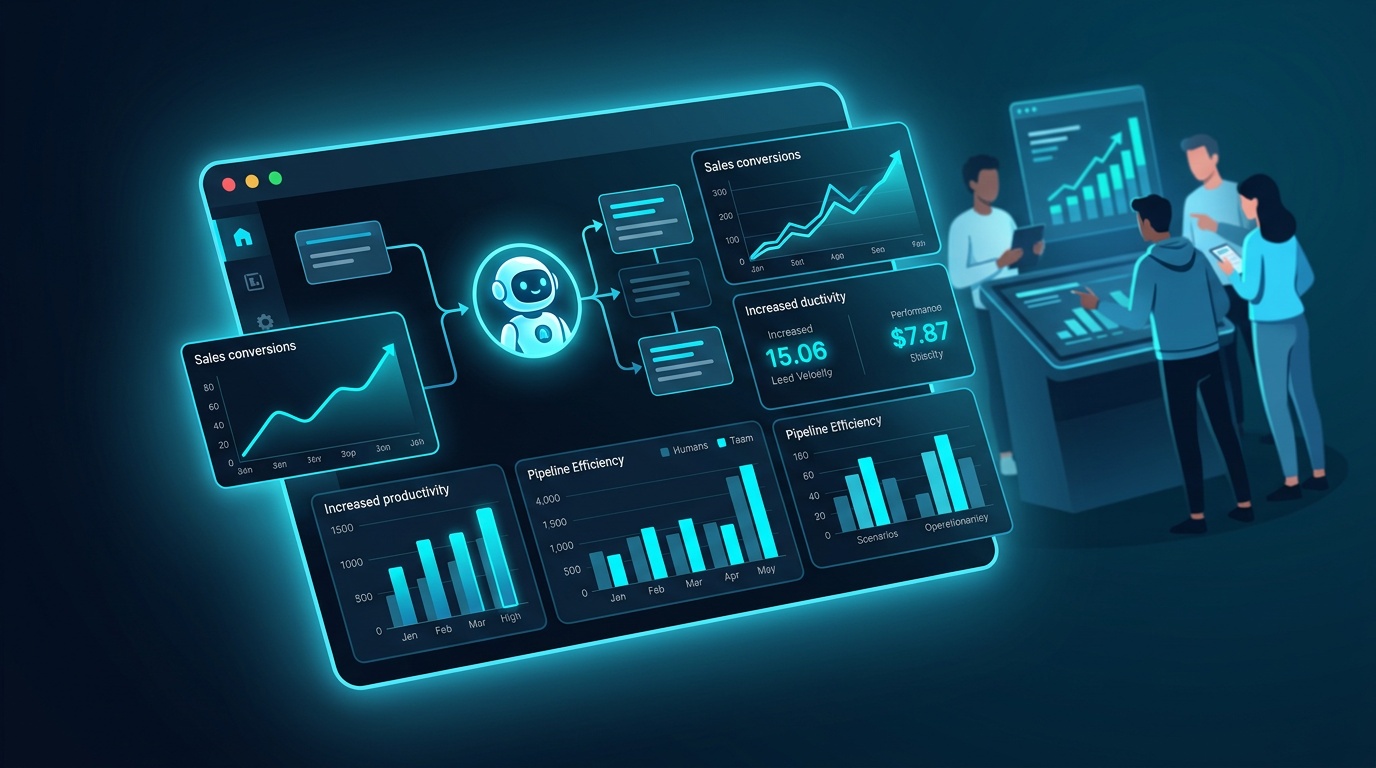
When evaluating agentic AI solutions, understanding the prevailing pricing models is important for making an informed decision that aligns with your budget and expected return on investment. Vendors employ various strategies, from straightforward recurring fees to more dynamic structures tied to performance or usage. Each model has implications for cost predictability and scalability, making it important to match the pricing framework to your sales cycle, team size, and revenue goals.
The choice of pricing model can significantly affect your total cost of ownership and the perceived value of the agentic system. By carefully examining how vendors structure their fees, you can better forecast expenses and ensure that the investment strategy supports your organization’s growth objectives. This comparative approach helps in identifying the most financially sound and operationally beneficial path forward for your sales operations.
Subscription-Based vs. Usage-Based Pricing
Subscription-based pricing is perhaps the most common model. Under this structure, you pay a fixed recurring fee (monthly or annually) for access to the agentic system. This often comes in tiers based on features, number of users, or a predefined volume of tasks. For example, a subscription might grant access to a set number of automated outreach campaigns per month or support for a specific number of sales agents. This model offers predictability, making budgeting straightforward, as costs remain consistent regardless of minor fluctuations in usage. It’s often favored by organizations that prefer stable operational expenditures.
Usage-based pricing, conversely, ties costs directly to consumption. You pay based on the volume of specific actions performed by the AI agent, such as the number of leads qualified, emails sent, meetings booked, or data points processed. This model can be more cost-effective for companies with highly variable sales volumes or those who want to pay precisely for what they use. But, it can also make budgeting less predictable, as costs can fluctuate significantly month-to-month depending on sales activity. Some platforms might offer a hybrid approach, combining a base subscription fee with additional charges for exceeding certain usage thresholds.
Outcome-Based and Hybrid AI Pricing Models
Outcome-based pricing represents a more advanced and performance-oriented model. Here, costs are directly linked to the achievement of predefined business outcomes, such as a percentage of qualified leads generated, a specific number of closed deals, or a target increase in conversion rates. This model is highly attractive as it aligns the vendor’s success with yours, minimizing risk for the buyer. A successful implementation of Agentic Systems for Real Estate, for example, could be priced based on a percentage of new viewings booked or sales closed through its automation. While not universally offered, it signifies a vendor’s confidence in their system’s ability to deliver measurable results.
Hybrid AI pricing models blend elements of the subscription, usage-based, and outcome-based approaches. A common hybrid structure might involve a base subscription fee for core platform access and features, supplemented by usage-based charges for exceeding included allowances, and potentially performance bonuses or shared upside upon achieving specific, agreed-upon KPIs. For example, a vendor might charge a base monthly fee for the AI agent’s operational capabilities, plus an additional fee for every qualified lead generated beyond a certain monthly quota, and a further incentive-based payment if those leads convert at a rate exceeding a set benchmark. These models aim to offer a balance of cost predictability and performance alignment, catering to a wider range of business needs and risk appetites.
Decision Matrix: Which Pricing Structure Maximizes Your ROI?
To determine which pricing structure maximizes your return on investment (ROI) for agentic systems in sales ops, consider your organization’s specific characteristics. If your sales volume is consistently high and predictable, a tiered subscription model might offer the best value and budgeting stability. This model ensures you have access to the necessary AI capabilities without variable cost spikes. For businesses with fluctuating sales cycles or those in nascent stages of AI adoption, a usage-based model can be advantageous, allowing you to scale costs directly with demand and avoid paying for unused capacity.
Outcome-based or hybrid models are ideal for organizations prioritizing direct performance linkage and willing to share some of the upside. These structures are particularly attractive when implementing complex AI workflows where the impact on revenue is clear and quantifiable. For example, if your primary goal is to increase qualified leads, an outcome-based model tied to lead generation would ensure the vendor is incentivized to deliver. When answering how much for agentic systems in sales ops?, consider your risk tolerance, budget predictability needs, and the clarity of your performance metrics to select the pricing model that best supports your ROI objectives.
The True Cost of Ownership: Avoiding Hidden Expenses
When evaluating agentic systems for sales operations, focusing solely on the sticker price can lead to significant underestimation of the total investment required. Beyond the base software fee, numerous other factors contribute to the overall cost of ownership (TCO). Understanding these often-overlooked expenses is critical for accurate budgeting and preventing financial surprises. A transparent approach to TCO ensures that the perceived value of AI automation is truly realized, aligning the investment with tangible business outcomes rather than just initial acquisition costs.
At Vynta AI, we believe in full transparency regarding the investment in AI solutions. Our clients in sectors like real estate, recruitment, and fundraising often find that while the upfront cost of an agentic system might seem substantial, the long-term savings and revenue acceleration far outweigh it. This assessment requires a comprehensive view that includes not just the software license but also the resources needed for successful implementation, ongoing maintenance, and integration into existing workflows. Addressing these elements proactively prevents budget overruns and ensures the successful adoption and scaling of AI capabilities.
Implementation, Integration, and Training Fees
The initial phase of deploying an agentic system often involves significant one-time costs related to implementation and integration. Professional services fees are common, covering the setup, configuration, and customization of the AI agents to align with your specific sales processes and business rules. Integration with your existing CRM, marketing automation tools, or other sales infrastructure can also incur substantial costs, especially if custom connectors or extensive API work are required. These services ensure the AI system communicates effectively with your current technology stack, maximizing data flow and operational synergy.
Training is another critical component that adds to the TCO. While agentic systems are designed to be intuitive, comprehensive training for your sales team, operations staff, and IT personnel is essential for optimal adoption and utilization. This training ensures users understand how to work alongside the AI, interpret its outputs, and use its capabilities to their fullest potential. The cost of training can vary based on the depth of the program, the number of employees requiring instruction, and whether it is delivered in-person, remotely, or through self-paced modules. Neglecting proper training can severely limit the ROI, making it a necessary investment rather than an optional add-on.
Data Storage and API Usage Costs
Agentic AI systems, by their nature, process and store vast amounts of data. This includes customer interactions, lead profiles, sales activities, and performance metrics. Consequently, ongoing costs associated with data storage can accumulate, particularly for organizations that handle high volumes of customer data or maintain extensive historical records. Cloud-based storage solutions, while scalable, come with recurring fees that depend on the amount of data stored and the required access speeds. It is important to understand the vendor’s data retention policies and associated storage costs to avoid unexpected expenses as your data footprint grows.
Also, many agentic systems rely on APIs to connect with other software applications. While API access is often bundled into subscription fees, there can be charges for excessive API usage that exceeds predefined limits. If your sales operations involve frequent data synchronization or complex workflows that trigger numerous API calls, these usage-based charges can become a significant part of your TCO. Factoring in potential API consumption based on your anticipated integration needs and data exchange frequency is a prudent step in calculating the true cost. This diligence helps prevent budget surprises and ensures uninterrupted operation of your AI-powered sales tools.
Agentic Systems vs. Additional Sales Ops Headcount
When considering the investment in agentic AI, a common point of comparison is the cost of hiring additional human resources for sales operations. While AI offers automation, the decision often hinges on whether it is more cost-effective to deploy technology or staff up. Hiring a dedicated sales operations coordinator or analyst involves not just salary but also benefits, payroll taxes, training, office space, and equipment. These fully loaded costs can quickly accumulate, often exceeding the monthly subscription fee for a sophisticated AI agent.
Agentic systems, such as Vynta AI’s specialized solutions like Agentic Systems for Real Estate, can automate a significant percentage of repetitive, time-consuming tasks that would otherwise require human intervention. This automation allows existing teams to handle higher volumes without proportional increases in headcount. For example, automating lead qualification, scheduling, and initial follow-ups frees up significant hours. The pros of AI include 24/7 availability, consistent performance, and scalability, often at a lower per-task cost than human labor for routine operations. But, the cons might include the initial setup investment and the need for human oversight for complex or highly nuanced situations. Conversely, hiring more staff provides direct human judgment and adaptability but incurs higher fixed costs and potential inefficiencies in repetitive tasks. The choice depends on whether your priority is scalable efficiency and cost control through technology or flexibility and direct human oversight through increased personnel.
Pros of Agentic Systems vs. Headcount
- Scalability: Easily handles fluctuating volumes without proportional cost increases.
- Cost Efficiency for Repetitive Tasks: Lower per-task cost for automated functions.
- 24/7 Availability: Continuous operation without human shift constraints.
- Consistency: Uniform performance and adherence to protocols.
- Reduced Overhead: Minimal need for physical workspace, equipment, or direct supervision.
Cons of Agentic Systems vs. Headcount
- Initial Investment: Higher upfront costs for software and implementation.
- Limited Nuance: May struggle with highly complex, subjective, or novel situations.
- Dependency on Integration: Requires strong IT infrastructure and connectivity.
- Need for Oversight: Still requires human management and strategy.
- Potential for Obsolescence: Technology may require updates or replacements over time.
How to Calculate ROI for Agentic Sales Systems
Demonstrating the financial viability of agentic systems in sales operations hinges on a clear understanding of how to calculate return on investment (ROI). This involves more than just looking at cost savings; it requires quantifying the uplift in revenue, improvements in efficiency, and acceleration of sales cycles. A structured approach to ROI calculation provides the data-backed justification needed to secure budgets and measure the ongoing success of AI adoption. By focusing on key performance indicators (KPIs) specific to your industry vertical, you can build a compelling case for the strategic value of these advanced tools.
The goal is to move beyond the initial question of how much for agentic systems in sales ops? to understanding the value they deliver. This involves setting clear objectives before implementation and establishing mechanisms for tracking progress against those objectives. Whether the primary benefit is increased lead conversion, reduced operational costs, or faster deal closure, a well-defined ROI framework ensures that the investment in agentic AI is a driver of measurable business growth and competitive advantage.
Tracking Revenue Impact Across Core Verticals
Quantifying the revenue impact of agentic systems requires a vertical-specific approach, as the drivers of revenue differ significantly across industries. For example, in real estate, revenue is tied to property sales and rental agreements, influenced by lead conversion rates and transaction volume. In recruitment, it relates to successful placements and the speed at which candidates are sourced and hired. For fundraising, it means increased donor engagement and capital acquired, while hospitality focuses on occupancy rates and guest spending. By identifying the core revenue-generating activities within each sector, you can define metrics that directly attribute revenue growth to the AI agents’ performance.
A key benefit of advanced agentic systems is their ability to directly influence these revenue streams through improved lead engagement, optimized outreach, and better customer experiences. For example, by reducing response times to inquiries to less than 60 seconds and automating 80% of sales tasks, agentic systems enable sales teams to manage more opportunities and close over 30% more deals. This direct correlation between AI-driven efficiency and increased deal volume or value is the cornerstone of demonstrating revenue impact. Tracking metrics such as the number of qualified leads generated, conversion rates at each stage of the sales funnel, and the average deal size influenced by AI can provide a clear picture of the financial returns.
Real Estate and Recruitment: Measuring Time-to-Close
In both the real estate and recruitment industries, the speed at which a deal or placement is finalized directly impacts revenue and operational efficiency. For real estate agencies, reducing the time-to-close means faster commission payouts and quicker inventory turnover. Agentic systems can achieve this by instantly engaging property inquiries, intelligently qualifying leads, automating property matching, and coordinating viewing schedules with reminders. This streamlined process ensures that potential buyers or renters move through the funnel more rapidly, from initial contact to signed agreement.
Similarly, for recruitment firms, a shorter time-to-fill translates to higher client satisfaction and increased placement fees. AI agents can accelerate candidate sourcing, initial screening, and interview scheduling. By automating routine communication and qualification, these systems ensure that promising candidates are identified and engaged promptly, minimizing the window between job posting and successful hire. When measuring ROI, a significant reduction in the average time-to-close or time-to-fill, directly attributable to the agentic system’s automation of critical steps, represents a tangible financial benefit that can be calculated against the system’s cost.
Fundraising and Hospitality: Measuring Pipeline Velocity and Upsells
For fundraising organizations, pipeline velocity is a critical metric, representing how quickly potential donations move from initial prospect identification to confirmed contribution. Agentic AI can significantly boost this by automating investor outreach, personalizing follow-up communications, and identifying high-propensity donors. This allows development teams to manage a larger pipeline more effectively, increasing the rate at which opportunities mature into secured funding. Improved donor relations through consistent, relevant communication can also lead to higher retention rates and increased lifetime value from each supporter.
In the hospitality sector, pipeline velocity relates to how quickly potential guests are converted into bookings, and how effectively existing guests can be upsold on services. Agentic systems can manage reservation inquiries, provide instant booking confirmations, and offer personalized recommendations for upgrades or additional services like spa treatments or dining. By automating these processes and improving guest communication, hotels can increase both occupancy rates and revenue per guest. Tracking metrics such as the number of bookings generated, the value of upsold services, and overall guest satisfaction scores provides a clear indication of how agentic AI contributes to top-line revenue growth in these service-oriented verticals.
Real-World Benchmarks: Achieving a 28x Return
The quantifiable impact of agentic AI systems is best illustrated through real-world benchmarks and case studies. For example, a public enterprise communications company reported achieving a remarkable 28x ROI and saving approximately $3 million in annual costs by deploying agentic AI for their sales and deal desk workflows (source: getsquid.ai case study). This case study highlights how automating complex sales processes can lead to substantial financial gains, far exceeding the investment in the technology itself. Such impressive figures underscore the transformative potential of these systems when strategically implemented.
These benchmarks provide a concrete reference point for assessing the potential returns for your own organization. While every business context is unique, achieving such a high ROI suggests that the benefits of increased efficiency, accelerated sales cycles, and improved customer engagement translate directly into significant revenue growth and cost reductions. When considering how much for agentic systems in sales ops?, it is essential to weigh this against the proven potential for returns that can multiply the initial investment many times over, as demonstrated by industry leaders. This perspective shifts the focus from expenditure to strategic revenue generation and operational optimization.
Strategic Implementation: Partnering for Long-Term Success

Why Mid-Market Firms Choose Managed AI Services
Mid-market SMEs often face a unique challenge when adopting advanced technologies like agentic systems: the lack of in-house AI expertise. Without dedicated data science teams or AI specialists, implementation and ongoing management can become overwhelming and costly. This gap drives many firms to pursue managed AI services, where a specialized provider handles not only the deployment but also continuous optimization and support. This approach reduces risk, accelerates time-to-value, and ensures the system aligns with evolving business objectives.
Managed services also help mitigate the complexity of integrating agentic AI into existing sales operations. Providers like Vynta AI bring deep domain expertise across industries such as real estate, recruitment, fundraising, and hospitality, tailoring solutions to specific workflows and KPIs. This strategic partnership shifts the focus from technology adoption to business transformation. For example, Agentic Systems for Real Estate are deployed as managed services, enabling agencies to increase qualified pipeline by 3x and automate 80% of sales tasks without adding internal headcount. This model gives mid-market firms access to enterprise-grade AI without the overhead of building internal AI capabilities.
Starting Small: High-Impact Workflows to Automate First
Effective agentic system adoption begins with identifying high-impact workflows that deliver quick, measurable outcomes. Starting small focuses resources on automations that improve core pain points, such as lead qualification, appointment scheduling, or follow-up communications. These areas often involve repetitive tasks that consume significant time but have straightforward automation potential. By targeting these workflows first, firms can demonstrate immediate efficiency gains and build internal confidence in AI-driven processes.
For example, many real estate agencies see substantial ROI by automating lead capture and instant 24/7 engagement across channels like WhatsApp, SMS, and website chat. Automating calendar coordination with reminders for viewings reduces no-shows and accelerates deal closure. This incremental approach also allows organizations to refine AI behavior and user adoption before scaling to more complex operations. It lowers risk and cost while establishing a foundation for broader digital transformation. Deciding on which workflows to automate initially should be guided by potential revenue impact, task volume, and operational bottlenecks.
Frequently Asked Questions About Agentic Sales Costs
Next Steps: Engage with a strategic AI partner to assess your sales operations workflows and identify where agentic systems can deliver the most immediate business impact. Prioritize starting with high-volume, repetitive tasks to build ROI and scale with confidence. Explore Agentic Systems for Real Estate as an example of industry-specific AI that balances cost with measurable revenue and efficiency gains.
References
Frequently Asked Questions
Can small to medium businesses afford agentic sales systems?
Yes, small to medium businesses can afford agentic sales systems with entry-level options starting around $250 per month. These basic solutions handle limited tasks like lead filtering and simple follow-ups. Mid-tier systems cost $1,000 to $5,000 monthly for more advanced workflows, while enterprise solutions run $10,000 or more.
What factors drive the monthly cost of agentic sales AI?
The monthly cost of agentic sales AI depends on AI model sophistication, number of sales channels supported, lead volume, and integration complexity. Systems with nuanced language understanding, multi-channel support, and custom CRM integrations cost more. Dedicated support and industry-specific training also increase pricing.
What are the common pricing models for agentic sales automation?
Common pricing models for agentic sales automation include flat monthly fees, usage based pricing per lead or interaction, and tiered plans based on features. Some vendors charge per user or per agent seat. Performance based models tied to ROI or conversion metrics are less common but available.
How does agentic AI pricing compare to traditional CRM costs?
Agentic AI pricing generally exceeds traditional CRM costs because of the advanced AI capabilities. While a basic CRM can be $50 per user per month, agentic systems start around $250 for limited automation. The higher cost reflects autonomous decision making and multi-step workflow execution that CRMs cannot provide.
What does a $10,000 per month enterprise agentic system include?
A $10,000 per month enterprise agentic system typically includes dedicated support, custom integrations, advanced analytics, and high volume interaction handling across multiple channels. These systems support complex workflows for large sales teams and often include industry specific training for verticals like real estate or recruitment.
How much does agentic AI cost specifically for real estate sales operations?
Agentic AI for real estate sales operations varies from $250 for basic lead qualification to over $10,000 per month for comprehensive systems that handle property inquiries, lead matching, and viewing coordination across multiple channels. Mid-range solutions around $2,000 to $5,000 are common for mid-sized real estate firms.