
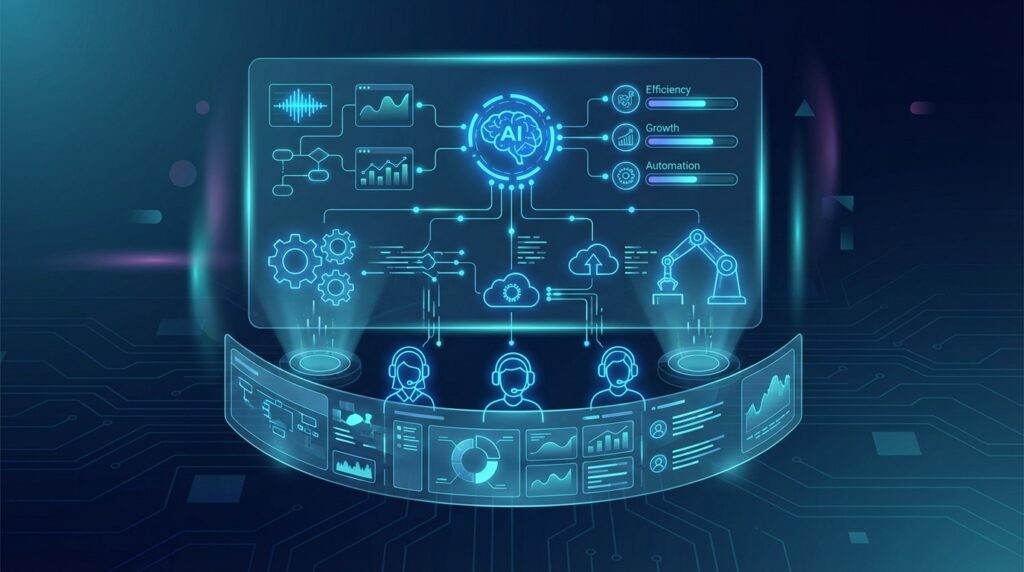
Agentic Systems for Recruitment guide
What Agentic Systems Are and Why Recruitment Teams Need Them
Agentic systems are autonomous AI that takes action on behalf of your recruitment team. Unlike generative AI tools that wait for prompts to draft emails or summarize resumes, agentic systems independently source candidates, screen applications against job requirements, and schedule interviews without human intervention. This Agentic Systems for Recruitment guide explains how mid-market agencies can deploy these tools to reduce hiring bottlenecks.
Key Differences from Traditional AI Tools
Traditional recruitment software requires constant manual input. A recruiter must log in to the ATS, run searches, copy candidate profiles, and trigger email sequences. Agentic systems operate continuously: they monitor job boards and LinkedIn for qualified talent, evaluate candidate fit using job criteria, and initiate outreach conversations across WhatsApp, SMS, and email. The system decides when to escalate a promising candidate to human recruiters, rather than requiring the recruiter to drive every step.
| Feature | Traditional AI Tools | Agentic Systems |
|---|---|---|
| Operation Mode | Reactive, requires prompts | Autonomous, continuous action |
| Candidate Sourcing | Manual searches, human-triggered | 24/7 multi-channel monitoring |
| Screening Process | Keyword filters, static rules | Context-aware matching that adapts to criteria |
| Engagement | Batch emails, scheduled sends | Personalized outreach with real-time responses |
How Agentic Systems Fit Mid-Market Recruitment Challenges
Mid-market recruitment agencies face high application volumes with lean teams. A typical recruiter manually reviews 200+ resumes per week, spending 80% of time on administrative tasks rather than candidate relationships. Agentic systems for recruitment help firms screen more candidates, schedule more interviews, and place more candidates without expanding the team or increasing administrative costs. When automation handles repetitive work, recruiters focus on interviewing and relationship-building with hiring managers.
Real-World Results in Time-to-Hire and Cost Savings
Agencies using agentic systems report shorter hiring cycles, often by 60% or more. One real estate recruitment firm reduced cost per hire by 35% through automated candidate sourcing that reduced dependency on premium job board listings. The system responds to inquiries in under 60 seconds, helping maintain candidate interest during the first-contact window, when many applicants engage with competing offers.
Core Agentic Systems for Recruitment Workflows

Effective agentic systems for recruitment deploy specialized agents across three workflow stages. Each agent handles distinct tasks while sharing candidate data to support a seamless hiring pipeline.
Sourcing Agents: Finding Qualified Candidates Across Channels
Sourcing agents continuously scan LinkedIn, niche job boards, and talent databases using job description criteria. The system automates CV processing by collecting and processing applications from multiple job boards, including CV Library, Indeed, Reed, TotalJobs, and LinkedIn. They also identify passive candidates who match required skills but are not actively applying. The agent sends personalized connection requests and initial messages highlighting role fit, operating 24/7 across time zones. This expands your talent pool beyond active applicants to include professionals open to new opportunities but not browsing job postings. For agencies focused on property sales, consider exploring our agentic systems for real estate for optimized candidate sourcing.
Screening and Matching Agents: Cutting Manual Review Time
Screening agents evaluate resumes against job requirements using natural language understanding, not rigid keyword matching. In high-volume settings, AI processes large volumes of CVs quickly and screens candidates within seconds. The agent scores each candidate and generates a qualification summary explaining fit and gaps. Many teams see meaningful accuracy gains compared with basic keyword filters, especially when job requirements are structured and training data is strong. This reduces manual resume review time significantly, allowing recruiters to focus on the prequalified candidates most likely to succeed in interviews.
Integration Reality: Agentic systems connect with existing ATS platforms through APIs. Candidate data, screening scores, and communication history sync automatically, so recruiters work within familiar tools without switching between systems.
Scheduling and Outreach Agents: 24/7 Candidate Engagement
Agentic systems provide automated candidate engagement through the WhatsApp Business API and other communication channels. Outreach agents handle interview scheduling by accessing recruiter calendars, proposing time slots to candidates through a preferred channel (email, SMS, or WhatsApp), and confirming appointments. Interview coordination is automated, including scheduling, confirmations, reminders, and preparation materials. After interviews, the agent collects feedback from candidates and hiring managers and surfaces concerns that require human attention before offer decisions.
Measurable Outcomes and Human-AI Teamwork in Recruitment
Key Metrics: Placement Rates, Bias Reduction, and Cost Per Hire
Teams often see higher placement capacity after implementation, driven by faster screening, faster scheduling, and consistent follow-up. When configured to focus on job-relevant skills and structured criteria, these systems also reduce the impact of subjective signals such as school names or employment gaps. Agentic systems for recruitment save recruiter time per hire and shorten the hiring cycle, while increasing qualified pipeline volume by engaging more candidates in parallel than a lean team can manage manually.
Escalation Points Where Humans Add Value
Agentic systems should escalate complex situations to recruiters: salary negotiations outside standard ranges, candidates with nontraditional backgrounds that require judgment, and hiring manager concerns about team fit. Humans conduct final interviews, build relationships with key clients, and make offer decisions. The system handles repetitive tasks while recruiters apply expertise where it matters most.
Vynta AI Case: Scaling Recruitment in Real Estate and Hospitality
Vynta AI’s agentic systems support real estate and hospitality agencies that manage high-volume hiring for seasonal roles and rapid expansion. One hospitality client filled 50 front-desk positions in three weeks, with the system screening 800 applicants and scheduling 120 interviews. Real estate agencies use the platform to recruit agents continuously, maintaining a qualified candidate pipeline that converts a high share of interviewed applicants into hires. Our Vynta AI Agents for Hospitality provide tailored automation solutions for staff-heavy sectors.
Step-by-Step Roadmap to Deploy Agentic Systems in Recruitment
Implementing agentic systems for recruitment requires structured planning to align automation with existing workflows. Mid-market agencies succeed by starting small, measuring results, and scaling based on proven outcomes.
Phase 1: Assess Current Processes and Data Readiness
Begin by mapping your recruitment workflow: identify tasks that consume the most time and points at which candidates drop off. Many agencies find that screening and initial outreach consume 60%–70% of recruiter hours. Audit candidate data quality in existing ATS systems. Agentic systems need clean job descriptions with clear requirements, historical hiring data tied to successful placements, and organized candidate communication records. Poor data quality delays implementation by weeks, so address gaps before deployment.
Phase 2: Pilot with High-Volume Roles and Measure KPIs
Launch your first agentic system on high-volume positions where manual processes create clear bottlenecks. Hospitality front-desk roles or entry-level real estate agent positions work well because they have clear qualification criteria and generate enough applicants to show measurable impact. Track baseline metrics before activation: time to hire, cost per hire, candidate response rates, and interview-to-offer ratios. Run the pilot for 60–90 days and compare performance against historical data. Agencies often see time savings within the first month as screening automation takes effect.
Implementation Timeline: Plan for 2–3 weeks for initial setup, including ATS integration, agent training on job criteria, and communication template customization. Full team adoption often takes 4–6 weeks as recruiters learn escalation protocols and adjust workflows around automated candidate engagement.
Phase 3: Scale with ATS Integrations and Human Oversight
After pilot success, expand agentic systems to additional roles while maintaining human oversight checkpoints. Configure escalation rules so complex cases reach recruiters: candidates requesting salary above range, applicants with unconventional backgrounds that require judgment, or positions with specialized requirements the system has not encountered. Schedule weekly reviews of agent decisions to identify patterns in which human expertise improves outcomes. Vynta AI supports this scaling phase with dedicated onboarding, helping agencies refine agent behavior based on placement results and recruiter feedback. To explore support on broader automation needs, visit our AI automation services page.
Future-Proof Your Recruitment with Agentic Systems in 2026
Upcoming Trends in Multi-Agent Systems and Compliance
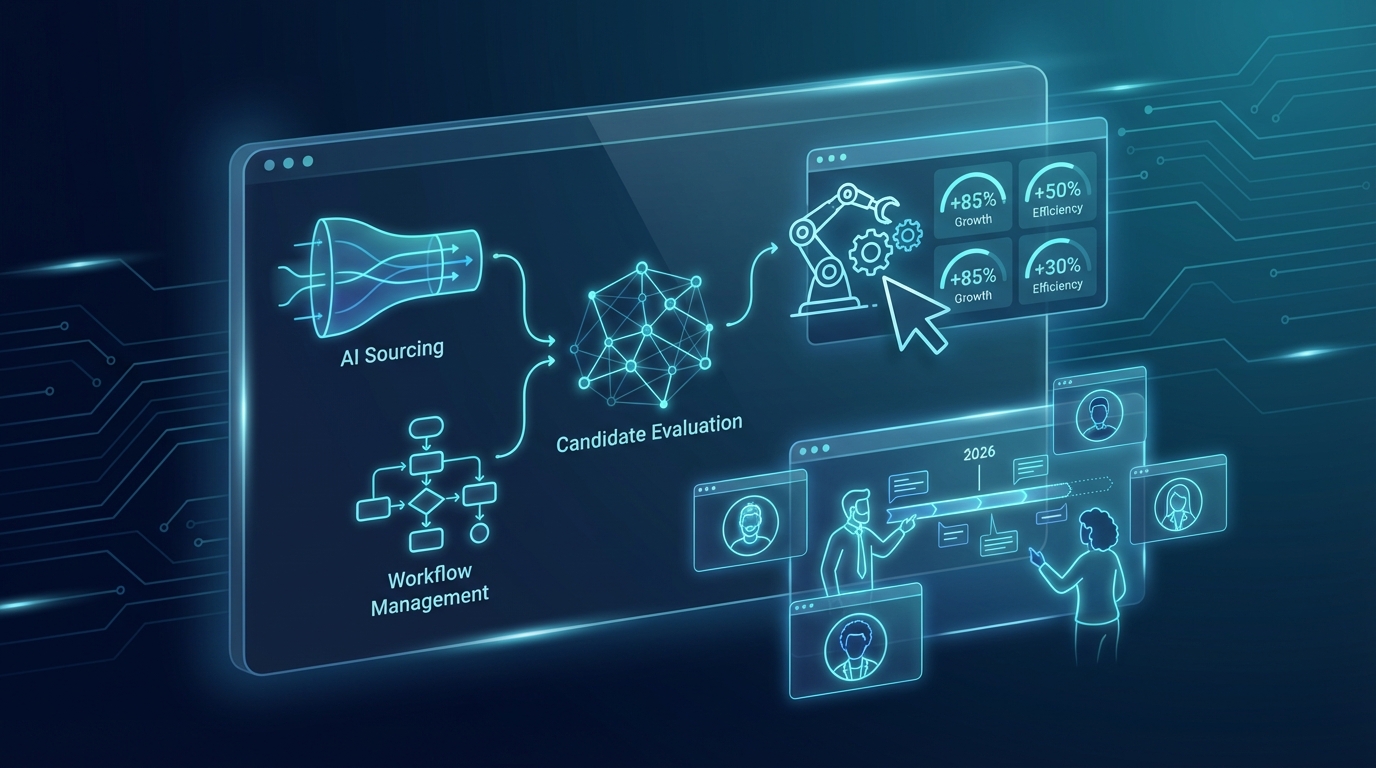
Multi-agent architectures coordinate specialized systems: one agent sources candidates, another screens applications, a third manages interview scheduling, and a fourth analyzes hiring patterns to recommend process improvements. These agents share data in real time, creating unified candidate experiences. Compliance features will expand to address AI hiring regulations, with audit trails showing how agents evaluate candidates and bias monitoring that flags potentially discriminatory patterns.
Vendor Selection Criteria for Mid-Market Fit
Choose vendors that offer industry-specific agents trained on recruitment workflows, rather than generic automation platforms that require extensive customization. Verify ATS integration capabilities with your existing systems. Evaluate support models: mid-market agencies often need hands-on implementation assistance and ongoing optimization, not only self-serve documentation. Pricing should scale with hiring volume, avoiding enterprise minimums that don’t fit smaller teams.
Next Steps to Start with Vynta AI
Vynta AI delivers recruitment agentic systems built for real estate, hospitality, and mid-market agencies managing high-volume hiring. Our platform integrates with major ATS providers and deploys in weeks, not months. Contact our team to assess your current recruitment processes, identify automation opportunities, and design a phased implementation roadmap. Start with a pilot on your highest-volume roles and scale based on measured improvements in time to hire and placement rates.
Advanced Strategies to Optimize Agentic Recruitment Systems
Maximizing return from agentic systems for recruitment requires continuous refinement beyond initial deployment. Agencies achieving strong placement rates treat these tools as evolving partners, not set-and-forget software.
Training Agents on Company-Specific Success Patterns
Agentic systems improve with exposure to your hiring outcomes. Feed the system data on which candidates succeeded in roles, stayed beyond 90 days, and received positive performance reviews. The agent learns patterns that distinguish high performers from resume matches that don’t translate into on-the-job success. One real estate agency trained its system to prioritize candidates with prior commission-based experience after discovering this factor predicted 18-month retention better than years of general sales experience. This custom learning reduced early-stage turnover by 42%.
Multi-Channel Engagement Optimization
Candidate preferences vary by demographic and seniority. Entry-level hospitality candidates often respond faster to SMS and WhatsApp, while senior real estate candidates may prefer email with detailed role descriptions. Configure your agentic system to test communication channels by candidate segment and track response rates and interview acceptance. Systems that adapt outreach methods to candidate profiles outperform single-channel approaches. Vynta AI’s platform routes messages through the channel most likely to generate responses based on role type and candidate signals.
Continuous Bias Auditing and Fairness Metrics
Schedule quarterly reviews of screening decisions to identify unintended bias patterns. Analyze whether candidate demographics advance at different rates through your pipeline. Agentic systems can perpetuate historical bias if trained on data that reflects past discriminatory practices. Address disparities by adjusting qualification criteria to focus on skills and experience directly tied to job success, while removing proxies such as university prestige or employment continuity that may correlate with protected characteristics. Agencies that conduct regular bias audits often report more diverse candidate slates without sacrificing qualification standards. As noted in research on agentic AI opportunities and risks, continuous monitoring helps identify and reduce discriminatory outcomes.
Compliance Documentation: Maintain audit logs that show how your agentic system evaluates candidates. Regulations in multiple jurisdictions may require employers to explain automated hiring decisions. Systems that track decision factors and provide human-readable justifications reduce legal risk while improving transparency with candidates.
Integrating Candidate Experience Feedback Loops
Collect systematic feedback from candidates who interact with your agentic system. Survey applicants about communication clarity, response timeliness, and overall experience quality. Candidates who rate the process highly are more likely to accept offers and refer qualified peers. Use feedback to refine messaging tone, adjust scheduling flexibility, and identify friction points where automation frustrates rather than helps. Hospitality agencies using Vynta AI found that candidates preferred receiving interview preparation tips through automated messages, which informed a feature addition that improved candidate confidence and interview performance. Intelligent agents play a key role in this evolving automation, combining multiple data inputs and actions to create smooth candidate journeys. For a deeper understanding, see Intelligent agent concepts and applications.
Building Recruiter Adoption Through Effective Change Management
Technology fails without team buy-in. Successful agentic system implementations address recruiter concerns about job security and workflow disruption from the start.
Positioning Automation as Augmentation, Not Replacement
Frame agentic systems as tools that remove tedious tasks, not threats to employment. Show how automation creates capacity for relationship-centered work recruiters value: conducting in-depth candidate interviews, advising hiring managers on market conditions, and developing talent pipelines for future needs. Agencies that communicate this message clearly often see higher recruiter satisfaction than teams that experience the rollout as imposed without context.
Providing Hands-On Training and Clear Escalation Protocols
Invest two weeks in comprehensive training that covers system capabilities, escalation triggers, and override procedures. Recruiters must understand when to trust agent decisions and when human judgment improves outcomes. Define scenarios that require escalation: salary negotiations, candidates with career gaps that need context, and roles with fit considerations beyond skills matching. Clear protocols reduce anxiety about automation errors while maintaining quality control. Vynta AI includes dedicated training sessions to help teams transition to human-AI collaboration workflows.
Celebrating Wins and Sharing Time-Savings Metrics
Track and communicate tangible benefits recruiters experience: hours saved on screening, increased placements per month, and reduced administrative burden. One recruitment agency shared weekly reports showing that each recruiter gained 12 hours for strategic work after agentic screening handled initial resume reviews. Visible metrics build confidence and encourage teams to explore additional automation opportunities. Recognition programs that reward recruiters who use agentic tools effectively accelerate adoption. For advanced insights into agentic AI opportunities and risks, consider the detailed analysis available in agentic AI opportunities and risks published by the IEEE Computer Society.
Strategic Recommendations for Recruitment Leaders
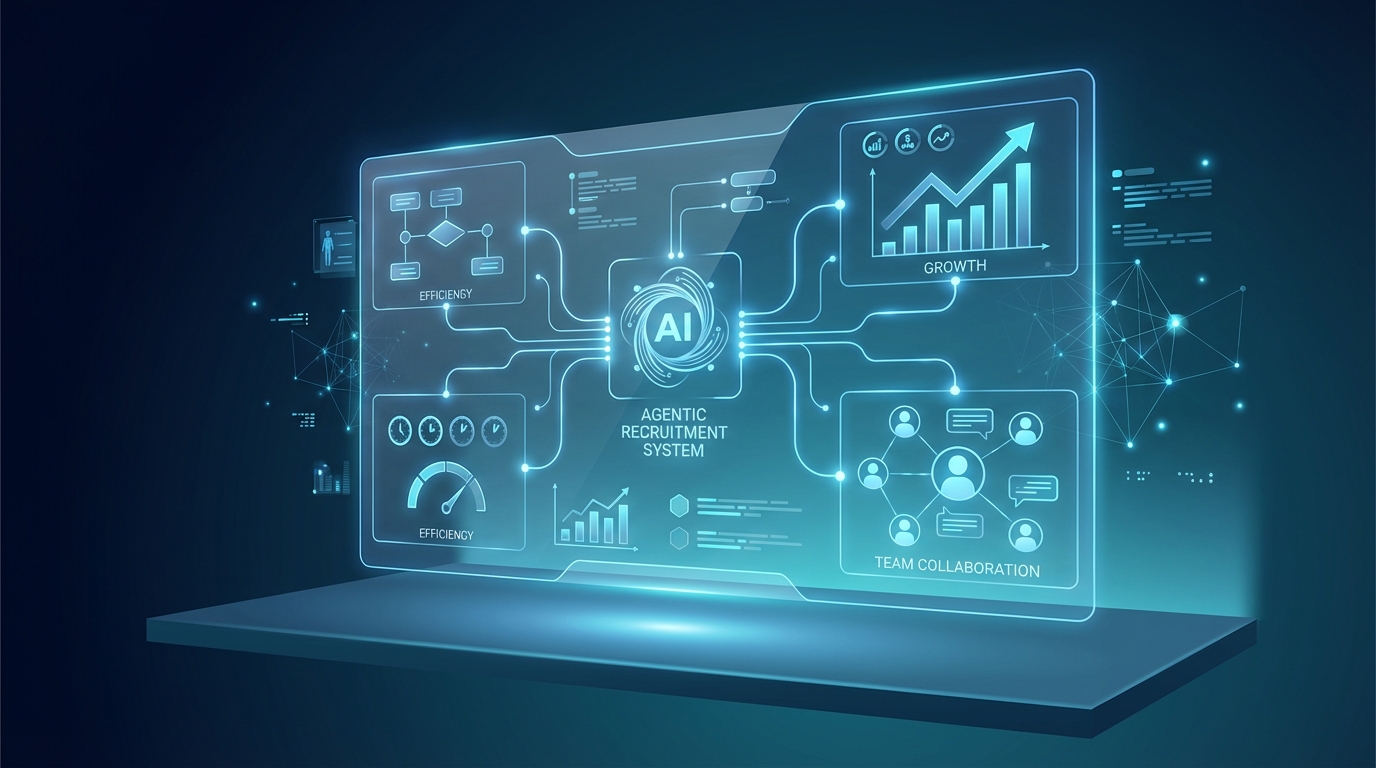
This Agentic Systems for Recruitment guide shares actionable recommendations for mid-market agencies ready to modernize hiring operations.
Start Narrow, Scale Based on Evidence
Resist the temptation to automate everything immediately. Select one high-volume role category in which manual processes create clear bottlenecks. Measure baseline performance, implement agentic systems, and track improvements for 90 days. Use demonstrated success to justify expansion to additional roles. This evidence-based approach builds organizational confidence and identifies implementation lessons before full-scale deployment.
Invest in Data Quality Before Automation
Agentic systems perform only as well as the data they access. Clean your ATS records, standardize job descriptions with consistent requirement formatting, and document what successful placements look like in each role. Agencies that spend time on data preparation before activation often reach stable performance faster than teams that rush implementation with inconsistent data.
Partner with Vendors Offering Ongoing Optimization
Choose providers that treat implementation as the start of a partnership, not a one-time sale. Vynta AI delivers ongoing optimization based on placement outcomes, industry changes, and evolving recruitment needs. Our team works with real estate, hospitality, and mid-market agencies to refine agent behavior on a regular cadence, ensuring systems adapt as hiring requirements change.
The recruitment market in 2026 demands efficiency without sacrificing candidate quality. Agentic systems for recruitment provide the automation foundation mid-market agencies need to compete for top talent against larger firms with deeper resources. By implementing these tools strategically, measuring outcomes rigorously, and keeping human expertise in the decision points that matter most, agencies reduce cycle time and grow qualified pipeline volume while maintaining a strong candidate experience.
Frequently Asked Questions
What are agentic systems for recruitment?
Agentic systems for recruitment are autonomous AI solutions designed to act independently on behalf of your hiring team. Unlike generative AI that waits for prompts, these systems proactively source candidates, screen applications against job requirements, and even schedule interviews. They operate continuously to streamline your recruitment pipeline.
How do agentic systems differ from traditional recruitment AI tools?
Traditional recruitment AI tools typically require constant manual input and are reactive, waiting for a recruiter to trigger actions. Agentic systems, by contrast, operate autonomously and continuously, monitoring job boards and evaluating candidate fit 24/7. They initiate outreach and decide when to escalate promising candidates to human recruiters, reducing manual steps.
How do agentic systems help mid-market recruitment agencies?
Mid-market recruitment agencies often face high application volumes with lean teams, leading to recruiters spending significant time on administrative tasks. Agentic systems address this by automating repetitive work like screening and scheduling, allowing firms to process more candidates without expanding their team. This frees recruiters to focus on interviewing and building relationships with hiring managers, ultimately placing more candidates efficiently.
What are the core workflows automated by agentic systems in recruitment?
Agentic systems for recruitment deploy specialized agents across three core workflow stages. Sourcing agents find qualified candidates across various channels, while screening and matching agents evaluate resumes against job requirements using natural language understanding. Finally, scheduling and outreach agents manage interview coordination, including confirmations and reminders, ensuring seamless candidate engagement.
What measurable results can recruitment teams see with agentic systems?
Teams implementing agentic systems often experience significantly shorter hiring cycles, sometimes by 60% or more, and a reduction in cost per hire. These systems increase qualified candidate pipeline volume by engaging more candidates in parallel. They also respond to inquiries in under 60 seconds, helping maintain candidate interest and improving placement capacity.
How do human recruiters collaborate with agentic systems?
Agentic systems are designed to work in partnership with human recruiters, automating repetitive tasks to free up their time. The system escalates promising candidates, complex situations, or sensitive discussions like salary negotiations to human recruiters. This allows recruiters to focus on high-value activities such as interviewing, building relationships, and making final offer decisions, where human insight is essential.
Can agentic systems integrate with existing Applicant Tracking Systems (ATS)?
Yes, agentic systems are built to integrate seamlessly with existing Applicant Tracking Systems through APIs. This allows candidate data, screening scores, and communication history to sync automatically between systems. Recruiters can continue working within their familiar ATS platforms without needing to switch between different tools, ensuring a smooth workflow.