
a-gra
What is a-gra?
A-gra refers to automated guest relationship automation, a specialized category of AI-powered systems designed for hospitality businesses. Unlike generic chatbots or basic reservation software, a-gra integrates across the entire guest journey to deliver personalized service at scale. These systems handle everything from pre-arrival communications and dynamic upselling to post-stay feedback collection, while maintaining the personal touch that defines exceptional hospitality.
A-gra systems automate repetitive guest interactions while preserving personalization. They can reduce no-shows by 35–40%, increase ancillary revenue through strategic upselling, and free your team to focus on high-value guest experiences that require human expertise.
Benefits of a-gra
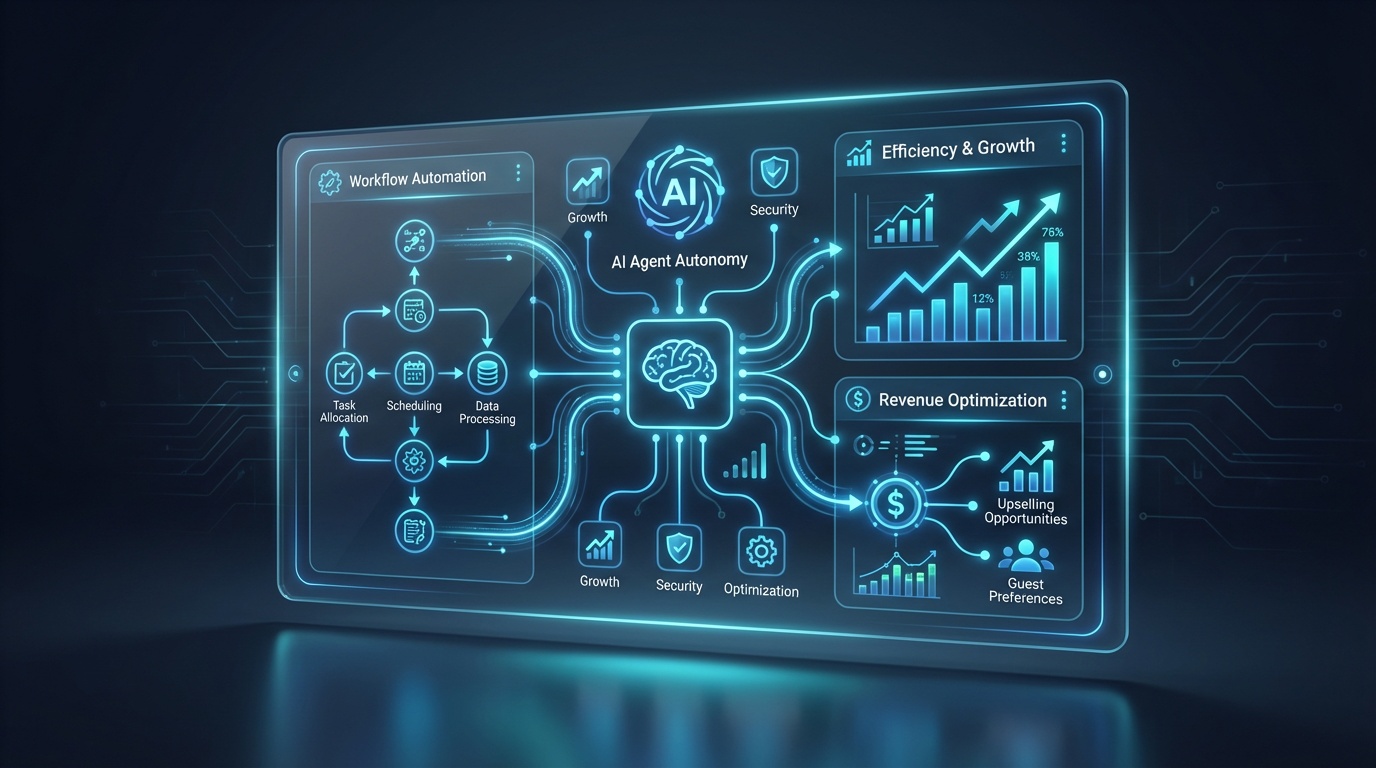
The primary advantage is revenue optimization without additional labor costs. A-gra systems identify upselling opportunities based on guest preferences and booking patterns, automatically suggesting room upgrades, spa packages, or dining reservations at the right moments. Boutique hotels typically see 22–28% increases in ancillary revenue within the first quarter.
Operational efficiency gains are equally significant. Automated pre-arrival messaging can reduce front desk check-in time by 60%, while intelligent reservation confirmations can cut no-shows dramatically. Your staff spends less time on routine communications and more time creating memorable guest moments that drive positive reviews and repeat bookings.
Guest satisfaction improves because communication becomes more timely and relevant. A-gra responds instantly to common questions about amenities, local attractions, or special requests, delivering information when guests need it. Post-stay surveys show 40% higher response rates when automated systems send personalized follow-ups at strategic intervals.
How to Choose a-gra
Prioritize systems built specifically for hospitality rather than generic automation platforms. Your solution should integrate directly with your property management system and support hospitality workflows like reservation modifications, special-occasion recognition, and service-recovery protocols.
Evaluate personalization capabilities carefully. Quality systems analyze guest history, preferences, and booking context to tailor each interaction. Test how the platform handles complex scenarios: Can it recognize VIP guests? Does it adjust messaging for business vs. leisure travelers? Will it escalate unusual requests to human staff appropriately?
Implementation support matters. Look for providers that offer hospitality-focused training, pre-built templates for common guest scenarios, and ongoing optimization based on your performance metrics. The best platforms include strategic consultation in addition to technical setup, helping you identify which processes deliver the strongest ROI when automated. Consider agentic AI systems for hospitality to ensure these specialized features.
Integration Requirements
Your system must connect with your existing property management system to access real-time reservation data, guest profiles, and booking changes. Native integrations reduce manual data entry and help keep communication accurate. Many platforms offer API connections to major PMS providers like Opera, Mews, and Cloudbeds, syncing guest information automatically every 15–30 minutes.
Channel manager integration helps prevent double-booking and keeps availability consistent across booking platforms. When guests reserve through OTAs or direct channels, the system should recognize the booking and trigger welcome sequences right away. This coordination reduces operational errors and helps ensure every guest receives timely, accurate information regardless of booking source.
Payment processing connections enable automated upselling with low-friction transactions. When the system suggests a room upgrade or spa package, guests should be able to complete purchases through secure, integrated payment links without staff involvement. This convenience can drive conversion rates 3–4x higher than manual upselling attempts.
Measuring ROI
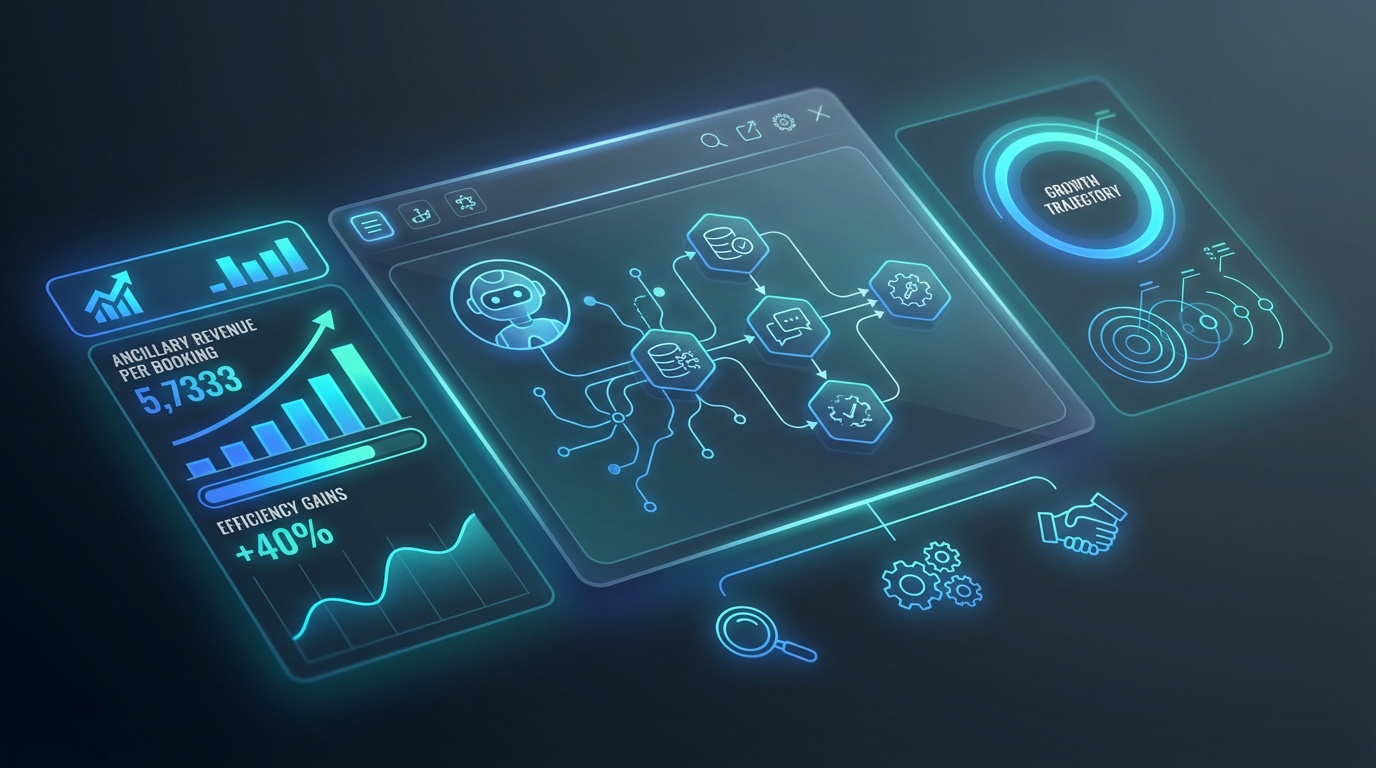
Track three primary metrics to evaluate performance. First, ancillary revenue per booking shows how effectively the system identifies and converts upselling opportunities. Establish your baseline before implementation, then monitor weekly changes. Many hospitality businesses reach breakeven within 60–90 days based on incremental revenue alone. For deeper economic insights, see ancillary revenue impact studies.
No-show reduction directly affects occupancy and revenue stability. Compare cancellation and no-show percentages before and after automated confirmation sequences. Well-configured systems with strong reminder timing often reduce no-shows by 35–40%, translating to meaningful revenue recovery for properties with prior no-show rates above 8%.
Staff time savings quantify operational efficiency gains. Calculate hours previously spent on routine guest communications, then measure the reduction after automation. Front desk teams often reclaim 15–20 hours weekly, reallocating that capacity to higher-value work like personalized concierge services and relationship building with VIP guests.
Implementation Timeline: Expect 2–3 weeks for technical setup and PMS integration, followed by 4–6 weeks of optimization as the system learns your guest patterns and your team refines automated messaging. Peak performance typically arrives 90 days post-launch.
Common Implementation Mistakes
Over-automation can damage guest relationships when systems handle interactions that need human judgment. Use automation for routine confirmations, standard information requests, and straightforward upselling, while routing complex requests, complaints, and special occasions to your team right away. Guests can tell the difference between appropriate automation and impersonal service. Learn more about appropriate automation applications.
Generic messaging can undermine personalization. Customize templates for different guest segments: business travelers tend to want efficiency and workspace information, while leisure guests often want local recommendations and experience suggestions. Your system should recognize booking context and adjust the communication style.
Insufficient staff training can create resistance and underuse. Your team must understand which interactions the system handles, how to access conversation histories, and when to override automated responses. Schedule hands-on training and set clear protocols for human intervention before launch.
Neglecting data privacy compliance creates legal exposure. Guest communication systems process personal information subject to GDPR, CCPA, and hospitality-specific requirements. Verify your provider maintains SOC 2 certification, offers data-residency options when needed, and includes consent management tools. Noncompliance penalties can exceed implementation costs.
Customization Capabilities
Advanced platforms support property-specific branding across guest touchpoints. Your automated messages should reflect your unique voice, from formal luxury language to a casual boutique tone. Template libraries can be a starting point, but customization depth determines whether communications feel like your property or generic automation.
Conditional logic supports more personalized experiences. Quality systems can trigger different message sequences based on booking source, room type, length of stay, or guest history. A returning anniversary couple should receive different pre-arrival communications than a first-time business traveler.
Multilanguage support can expand market reach without proportional staffing increases. A system should detect language preferences from booking data and deliver communications in a guest’s preferred language automatically. Properties serving international markets report 45% higher engagement when guests receive messages in their preferred language.
Future of Hospitality Automation
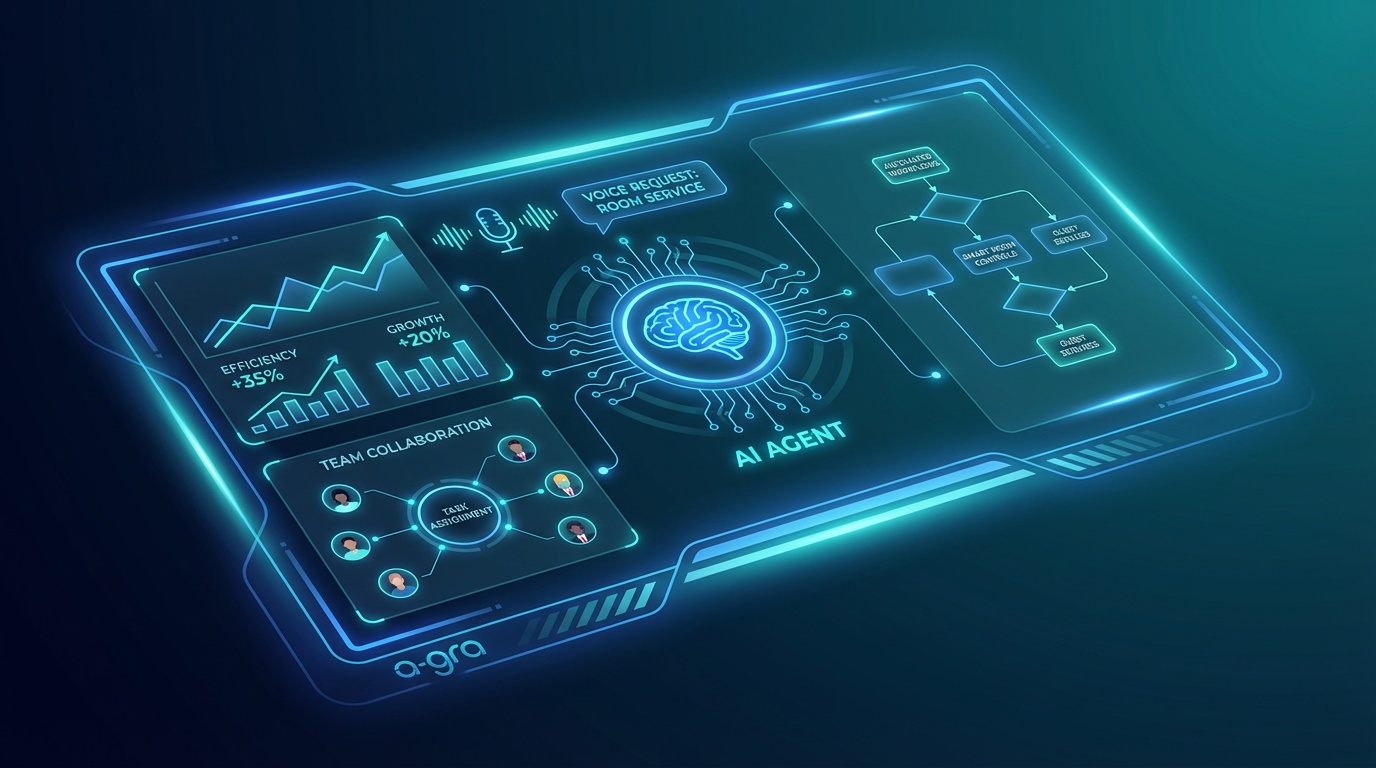
Voice integration is a growing channel for guest interaction. Emerging systems connect with in-room smart speakers, allowing guests to request services, adjust room settings, or book amenities through natural conversation. This hands-free convenience aligns well with preferences for contactless service options.
Predictive analytics will shift automation from reactive to anticipatory. Advanced systems already analyze historical patterns to estimate which guests are likely to upgrade, cancel, or request specific amenities. By 2027, expect platforms to address potential issues earlier, reducing negative experiences rather than only responding quickly. These developments often use concepts from intelligent agent technology.
Integration with revenue management systems will support more dynamic offer and pricing decisions. Future platforms will adjust upsell offers based on real-time demand, inventory levels, and individual guest price sensitivity. This approach improves revenue per booking while keeping value propositions relevant to each guest.
Strategic Recommendation: Start with confirmations and basic upselling, then expand based on performance data. Properties that attempt full-scale implementation all at once often struggle with change management. A phased rollout builds staff confidence and proves ROI before broader adoption.
Final Recommendations
Automated guest communication delivers results when implemented with clear objectives. Start by identifying guest interactions that consume disproportionate staff time while requiring minimal judgment. These are often your highest-value automation candidates. Reservation confirmations, standard amenity questions, and post-stay feedback collection tend to produce fast returns.
Choose providers with hospitality operating expertise, not only software. Strong implementations pair capable platforms with guidance on messaging, upsell timing, and escalation protocols. In practice, the right provider should operate like an extension of your team, refining performance based on your guest mix and property standards. Vynta AI’s AI automation services offer comprehensive support designed for these exact needs.
Keep the human element that defines great hospitality. Technology supports scale and consistency; your team creates memorable moments that build loyalty and referrals. Use the time you get back to invest more in high-touch service for VIP guests, special occasions, and complex requests that need real human care.