

Top recruitment agencies using AI automation successfully
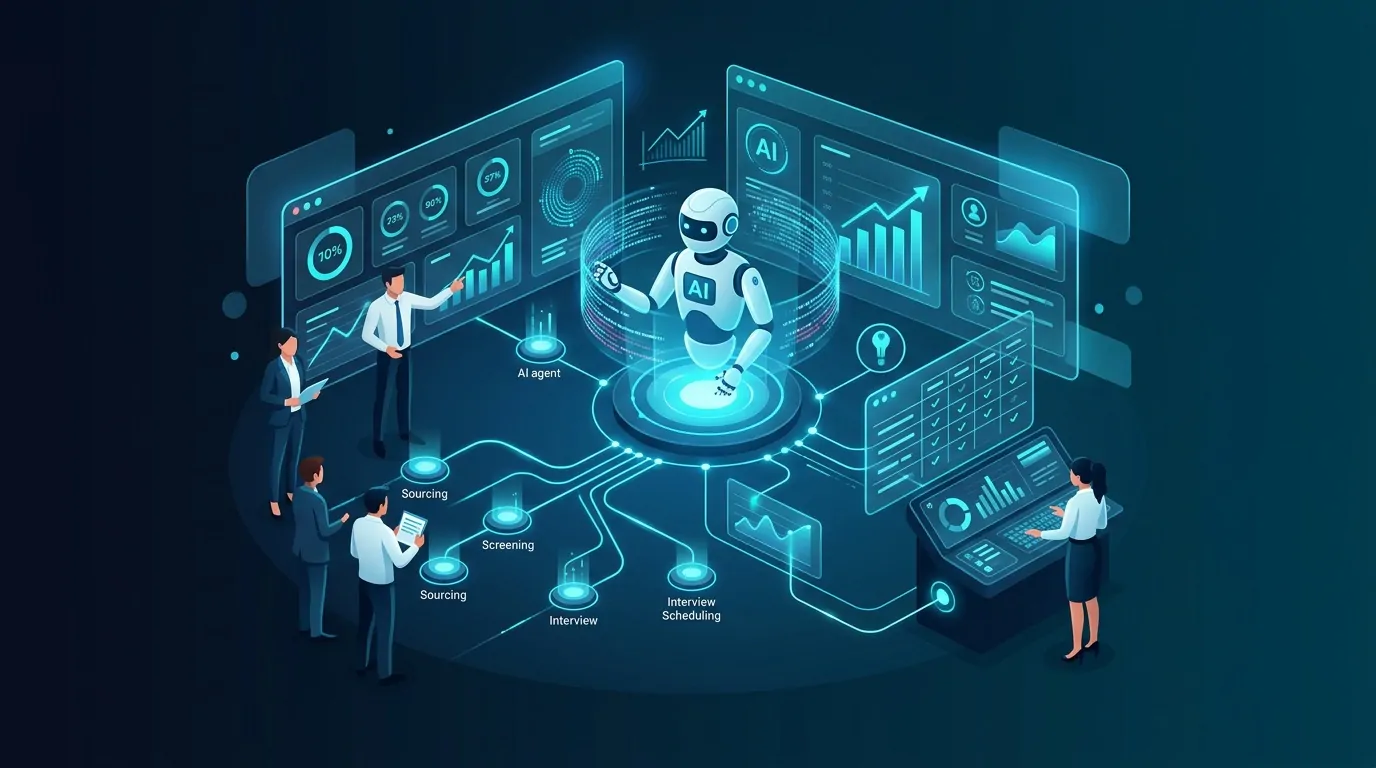
Top recruitment agencies using AI automation successfully focus on measurable bottlenecks: candidate screening, interview scheduling, database reactivation, and applicant tracking system administration. The aim isn’t to remove recruiter judgment. It’s to reduce repetitive work so consultants can spend more time on candidate relationships, client advice, and placements.
Key Takeaways
- AI automation in recruitment targets specific operational pain points, allowing firms to redirect their consultants toward high-value activities like relationship building and client advisory work.
- Leading agencies deploy automation as a support tool rather than a replacement for human judgment in hiring decisions.
- Successful implementations focus on four core areas: candidate screening, interview scheduling, database reactivation, and applicant tracking system management.
- Recruitment firms adopting AI solutions should measure success by their impact on placement outcomes and operational efficiency.
At Vynta AI, we assess recruitment automation by its effect on the agency’s operating model. A useful system connects sourcing, screening, communication, scheduling, and ATS data in one controlled process. A faster shortlist has limited value if consultants still repair records or copy updates between disconnected tools.
How We Evaluate Recruitment Agencies Using AI Automation
Evaluate an automation project against a baseline, not against a vague promise of efficiency. Record time-to-fill, cost-per-hire, recruiter hours per placement, interview conversion, candidate response rate, and placement volume before launch. Compare the same measures after implementation.
Time-to-Fill, Cost-per-Hire, and Match Quality
Time-to-fill runs from job intake to accepted offer. Cost-per-hire should include research, CV processing, follow-up, and coordination. Match quality needs more than keyword similarity: assess skills, seniority, work history, availability, location, compensation expectations, and the client’s stated requirements.
Screening, Scheduling, and ATS Integration
Check whether the system parses CVs consistently, asks approved screening questions, coordinates calendars, sends reminders, updates candidate statuses, and synchronises the ATS accurately. The practical test is simple: can a recruiter trust the record without checking several systems?
Which Recruitment Agencies and Platforms Use AI?



Vynta.ai: Custom AI Agents for Mid-Market Recruitment
Vynta.ai works with agencies that have outgrown manual processes but don’t need an oversized enterprise deployment. Agentic systems for recruitment can connect existing ATS workflows and automate repeatable tasks. AI automation services support the design of custom agents around those workflows.
Other Recruitment Platforms Using AI
Findem, HireEZ, Phenom, and Eightfold AI are recruitment platforms. Buyers should confirm current capabilities, integrations, implementation requirements, governance controls, and pricing with each provider. For comparison context, review the best recruitment comparison.
Choose the workflow before choosing the platform. A smaller agency may gain more from a focused system that fits its ATS and approval process than from a broad platform its team cannot maintain.
Why Custom AI Agents Can Increase Recruitment Capacity
Custom agents can take care of repeatable steps such as CV review, record updates, availability checks, candidate profile preparation, and interview coordination. Recruiters remain responsible for qualification, relationship management, client submissions, and final placement decisions.
Measure recruiter hours per hire, screening turnaround, interview conversion, candidate response rate, duplicate-record frequency, database reactivation, and placement volume. These figures show whether the system is creating capacity or merely moving work to another part of the process.
Which Recruitment Workflows Should Agencies Automate First?
Start with repetitive workflows that have clear inputs, defined rules, and a human approval point. This reduces implementation risk and gives the agency a reliable baseline before automating more sensitive decisions.
1. Candidate Screening and CV Parsing
The system can extract employment history, skills, certifications, seniority, location, compensation expectations, and availability from each CV. It compares those details with the vacancy brief and presents a structured shortlist for recruiter review.
2. Interview Scheduling and Calendar Coordination
An agent can check approved calendar availability, offer time options, record the candidate’s selection, update the ATS, and send confirmations and reminders. Recruiters still handle exceptions, rescheduling disputes, and conversations that need personal judgment.
3. Candidate Sourcing and Outreach
An AI agent can compare candidate records with a vacancy, check previous interactions, prepare approved outreach, answer routine questions, and pass qualified responses to a recruiter. Each message should follow the agency’s approval rules and communication standards.
How Should Agencies Manage Recruitment Data Privacy and AI Ethics?

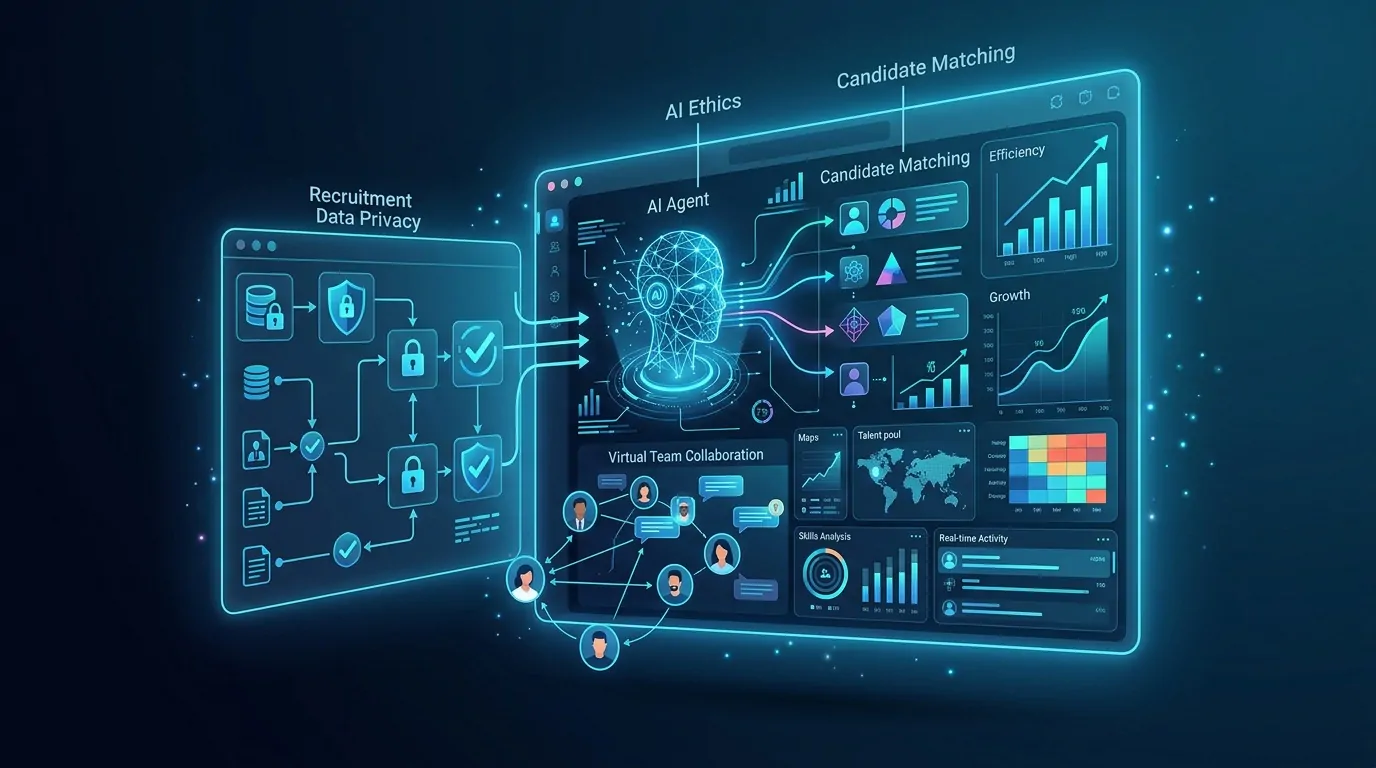
Recruitment teams should treat candidate data as controlled business information. A responsible implementation defines access rights, retention periods, consent records, correction procedures, and the situations that require recruiter review.


Ethical Candidate Matching
Implementations should include access permissions, retention rules, consent records, encryption, audit logs, and a process for correcting inaccurate profiles. Agencies should test matching outputs for unfair patterns and document the qualification rules used by the system.
Keeping Recruiters at the Centre of Talent Acquisition
AI suits repetitive, rules-based work. Recruiters remain responsible for motivation assessment, nuanced qualification, candidate advocacy, negotiation, and client advice. A strong mentorship approach can help teams build the judgment needed to manage AI-assisted hiring responsibly.
Review model performance regularly, invite recruiter feedback, monitor candidate complaints, and update workflows as hiring rules change. Good governance protects trust while giving recruiters more time for work that directly affects placements.
References
-
Ethical governance and evidence-based evaluation of AI systems.