
define saas
What Exactly is SaaS? Understanding the Cloud Software Model
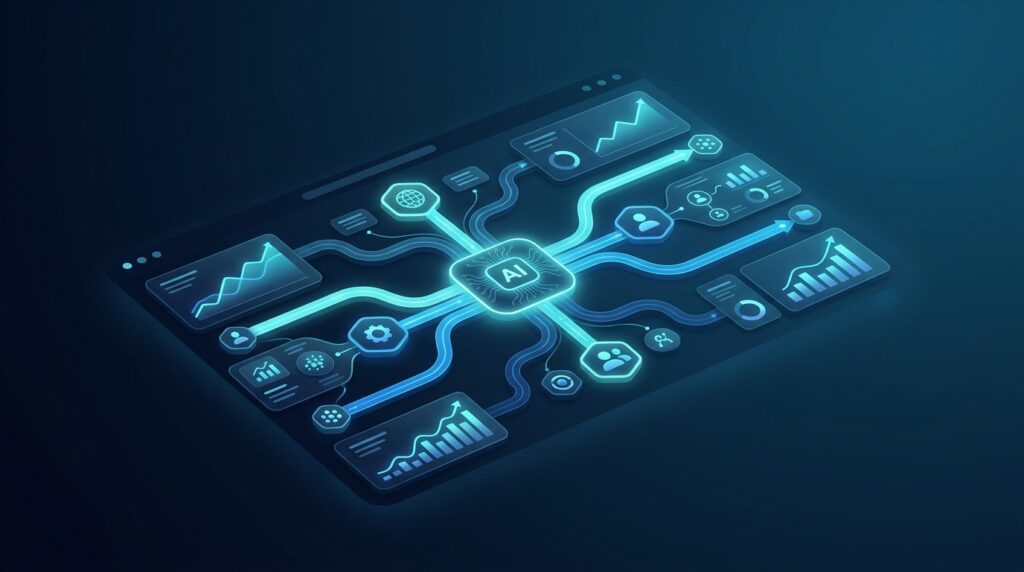
To define SaaS: Software as a Service is a cloud computing model where applications run on remote servers and users access them through web browsers via subscription payments, eliminating the need for local installation or maintenance.
Breaking Down the Acronym: Software as a Service
When we define SaaS in cloud computing, we’re talking about accessing applications hosted on vendor-managed servers. Instead of buying boxed software, you log into web-based platforms. Think of it like electricity. You pay for what you use, and the utility company handles all the infrastructure.
SaaS vs. Traditional Software: A Different Approach
Traditional software meant big upfront costs, manual installations, and headaches with updates. SaaS flips this model. You pay monthly subscriptions, get automatic updates, and access your data from any device. No IT department needed.
Is Netflix SaaS? Absolutely. Is Salesforce SaaS? Yes. Both give you access to services without owning the infrastructure. You consume the capability, not the technology behind it.
How SaaS Works: The Engine Behind Cloud Accessibility
The Vendor’s Role: They Handle Everything Technical
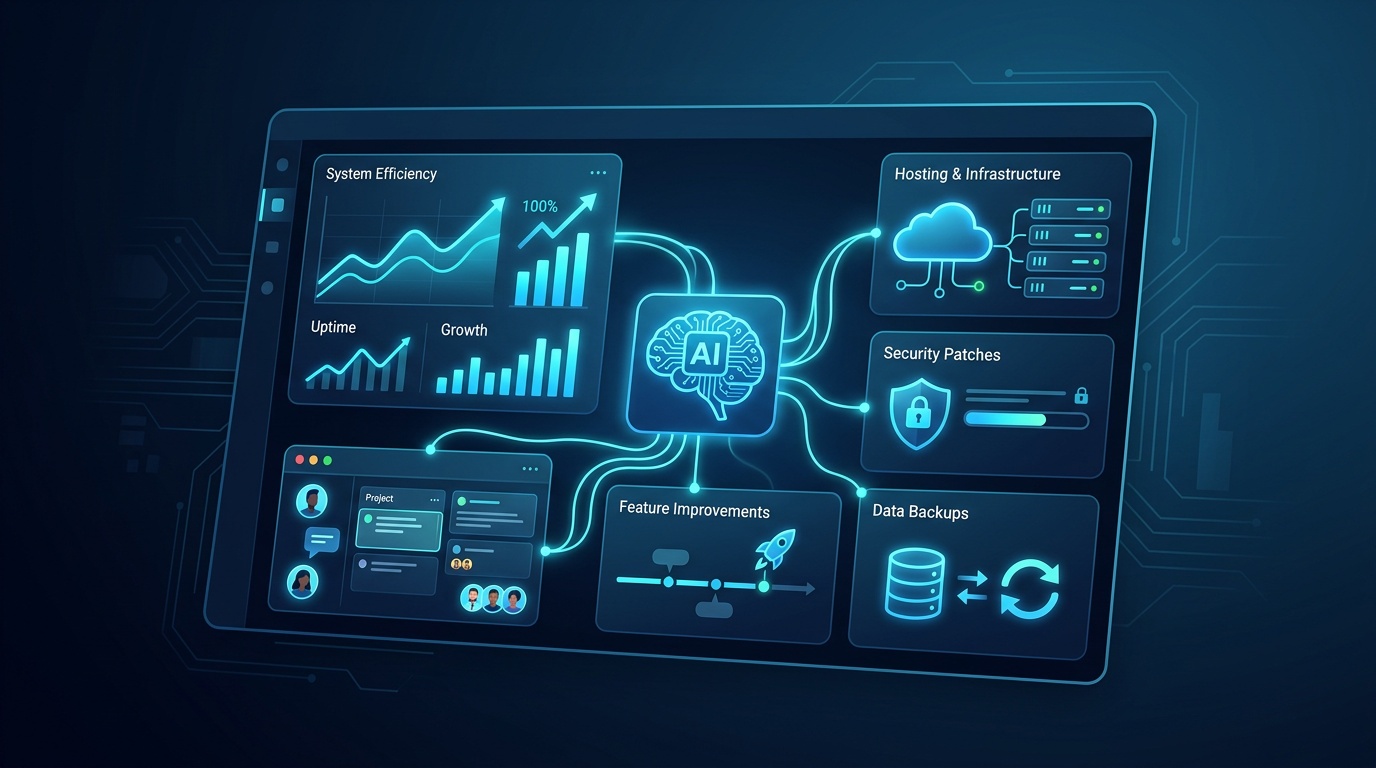
SaaS providers manage servers, security patches, backups, and feature updates. You never worry about crashes, storage limits, or software bugs. The vendor deals with compliance, data protection, and keeping everything running 24/7.
Your Role: Just Use the Application
How does SaaS work from your end? Simple. Configure settings, train your team, and input data. Everything syncs in real-time across devices. Admin controls let you manage user permissions without touching code.
The Subscription Model: Predictable Monthly Costs
Pay monthly or annually instead of massive upfront licensing fees. This includes support, new features, and scaling options. You avoid expensive upgrade cycles while getting steady improvements.
For mid-market businesses, this changes everything. You can access enterprise-level tools without enterprise-level budgets.
Beyond the Basics: SaaS as the Foundation for AI Automation
How SaaS Powers AI Automation
Cloud platforms provide the computational power and data access that AI automation requires. AI systems run continuously without hardware constraints, processing customer interactions and executing workflows automatically. This setup eliminates the infrastructure headaches that stop many businesses from adopting AI.
Real-World Application: AI Automation in Action
Property management firms use SaaS-hosted AI agents to qualify leads and schedule viewings without manual intervention. The AI integrates with existing CRM and email platforms, creating workflows that boost revenue while cutting administrative work by 60-80%.
Recruitment agencies deploy AI-powered candidate sourcing that works with job boards and assessment tools. Hotels use guest experience systems that coordinate reservations and preferences automatically.
Pros
- Fast rollout without infrastructure investment
- Automatic scaling during peak demand periods
- Continuous updates and security improvements
- Cross-platform access for remote teams
Cons
- Ongoing subscription costs versus one-time purchases
- Dependence on internet access
- Limited customization compared with fully custom solutions
- Data residency considerations for sensitive information
Measuring ROI: The Numbers That Matter
Track lead conversion rates, response times, and operational cost reductions. Real estate agencies report 45% faster lead qualification. Recruitment firms cut screening time by 70%. These aren’t theoretical benefits. They’re measurable improvements that show up in your bottom line.
Choosing the Right SaaS: A Practical Readiness Checklist
Start with Your Pain Points
What manual processes eat up your team’s time? Where do you lose prospects due to slow response times? Document these specific problems before shopping for solutions. SaaS works best when it solves real operational challenges, not imaginary ones.
Security Standards You Can’t Ignore
Verify SOC 2 compliance, GDPR adherence, and industry-specific certifications. Check encryption protocols and backup procedures. Review uptime commitments. Anything below 99.9% isn’t acceptable for mission-critical applications.
Integration: Will It Play Nice with Your Current Tools?
Examine API availability and prebuilt connectors. Your new system should talk to existing CRM, email, and accounting platforms. Poor integration creates data silos and doubles your workload.
Vendor Support: Beyond the Sales Pitch
Check customer references and support response times. Review the vendor’s financial stability and product roadmap. You’re entering a partnership, not just buying software.
The Future of SaaS: Industry-Specific AI Solutions
Why Generic SaaS Isn’t Enough
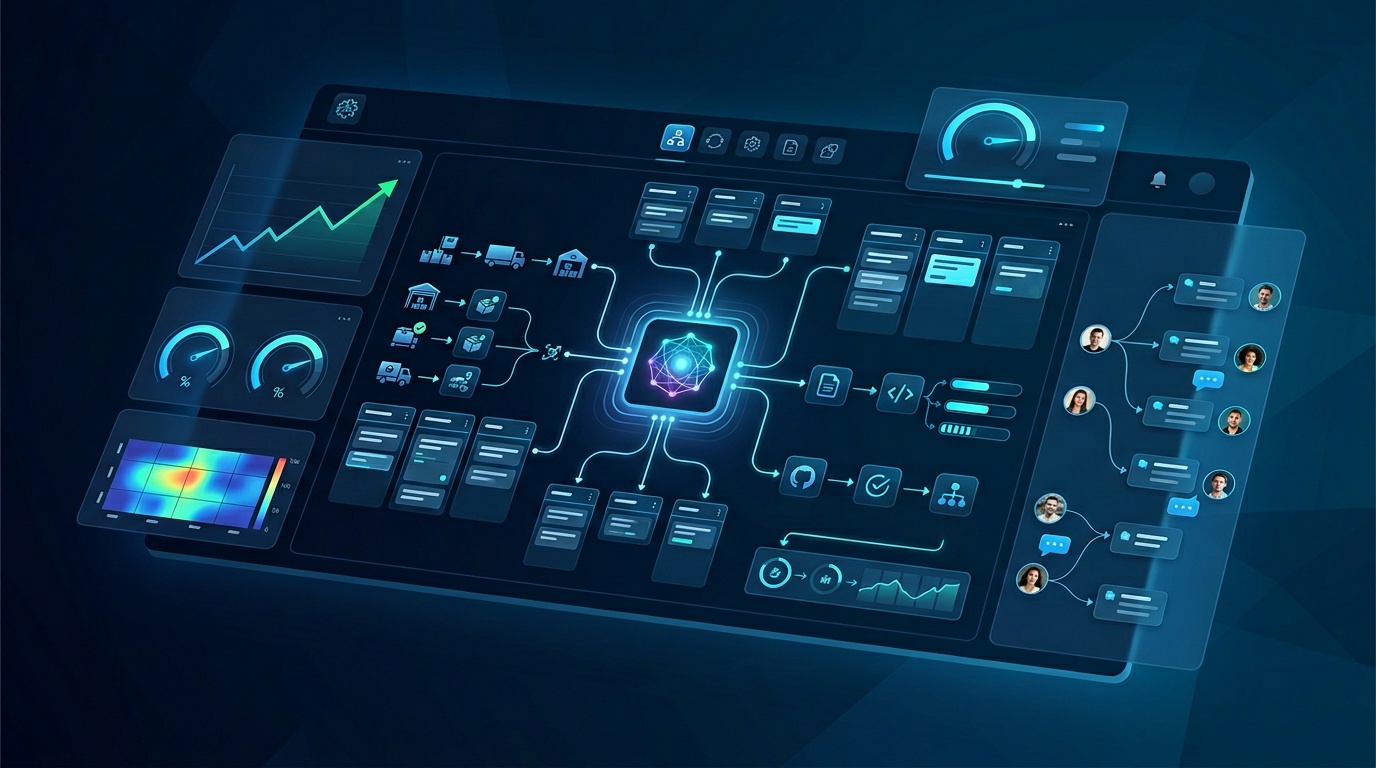
One-size-fits-all applications force you to adapt your business processes to software limitations. Industry-specific platforms understand your workflows, compliance requirements, and operational challenges. Real estate transaction management differs from recruitment compliance tracking. Generic tools miss these nuances.
AI Makes SaaS Smarter
AI turns traditional cloud applications into learning systems. They predict outcomes, automate decisions, and provide proactive recommendations. These platforms improve over time, getting better at serving your specific business needs through ongoing optimization.
Partnering for Success: How Vynta AI Delivers Targeted Results
At Vynta AI, we build specialized AI agents that work within your existing SaaS ecosystem. Our focus on real estate, recruitment, fundraising, and hospitality means solutions that understand your industry’s operational challenges and deliver measurable ROI from day one.
Frequently Asked Questions
What does SaaS mean in simple terms?
Software as a Service, or SaaS, means you access applications over the internet through a web browser, rather than installing them locally. It’s a subscription-based model where the software vendor manages all the hosting, maintenance, and updates for you. This allows businesses to use powerful tools without the burden of IT infrastructure. From my perspective at Vynta AI, this model makes advanced solutions accessible and manageable for mid-market SMEs.
Is Netflix a SaaS?
Yes, Netflix is a clear example of a SaaS model. Subscribers pay a recurring fee to access a library of content over the internet, without needing to own physical media or manage the underlying infrastructure. This mirrors how business applications provide functionality as a service, delivering value on demand.
Is ChatGPT a SaaS product?
Yes, platforms like ChatGPT operate as SaaS products. Users access the AI’s capabilities through a web interface or API, with the vendor managing all the complex computational infrastructure and continuous updates in the cloud. This allows businesses to integrate advanced AI without needing to host it themselves, which is a key aspect of modern AI automation.
What qualifies as a SaaS company?
A SaaS company delivers software applications to users over the internet on a subscription basis. They are responsible for hosting, maintaining, and updating the software, ensuring continuous access and new features for their customers. This model shifts the focus from selling a product to providing an ongoing service, which is how we approach our AI solutions at Vynta AI.
How does SaaS benefit mid-market SMEs?
For mid-market SMEs, SaaS offers significant operational advantages. It allows for fast deployment without large upfront infrastructure investments and provides automatic updates and scalability to match changing business needs. This helps businesses focus on their core operations while benefiting from powerful, continuously improving software, which is essential for business transformation.