
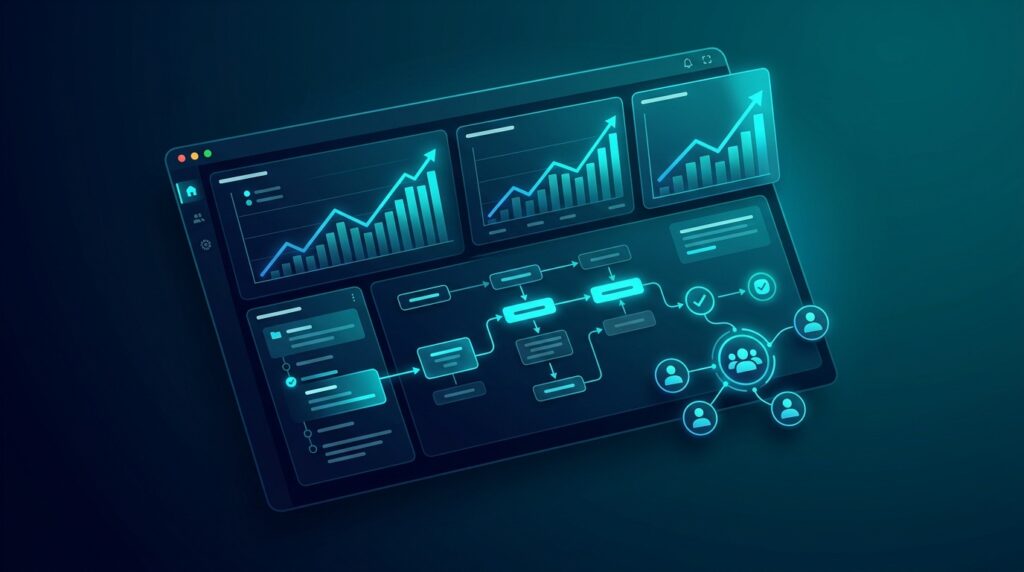
ai agents workflow
Demystifying AI Agent Workflows: Beyond Basic Automation
An ai agents workflow is intelligent software that runs your business processes autonomously. These systems don’t just follow rules. They analyze situations, make decisions, and adapt when conditions change. Your AI agents can qualify leads, schedule appointments, and handle customer communications while you focus on closing deals and growing revenue.
What Exactly Is an AI Agent Workflow?
Picture having multiple specialists working 24/7 on your most time-consuming tasks. One agent handles inbound leads, another manages your CRM updates, while a third coordinates follow-ups based on prospect behavior. They communicate with each other, share data instantly, and escalate complex situations to your team.
This isn’t about replacing your staff. It’s about giving them superpowers.
Agentic vs. Standard Automation: The Key Distinction
Standard automation breaks when something unexpected happens. Your workflow stops. Your leads wait.
Agentic workflow tools think on their feet. When a prospect asks an unusual question or changes their requirements mid-conversation, these systems find alternative approaches. They don’t need you to code every possible scenario because they evaluate context and choose optimal responses.
The “Agent” Difference: Autonomy and Decision-Making
Real agents learn from every interaction. They identify which messaging gets better response rates, which times work best for outreach, and which prospects need different approaches. Your conversion rates improve automatically as the system optimizes based on actual results.
Building Your AI Agent Workflow: Core Components for Business Impact
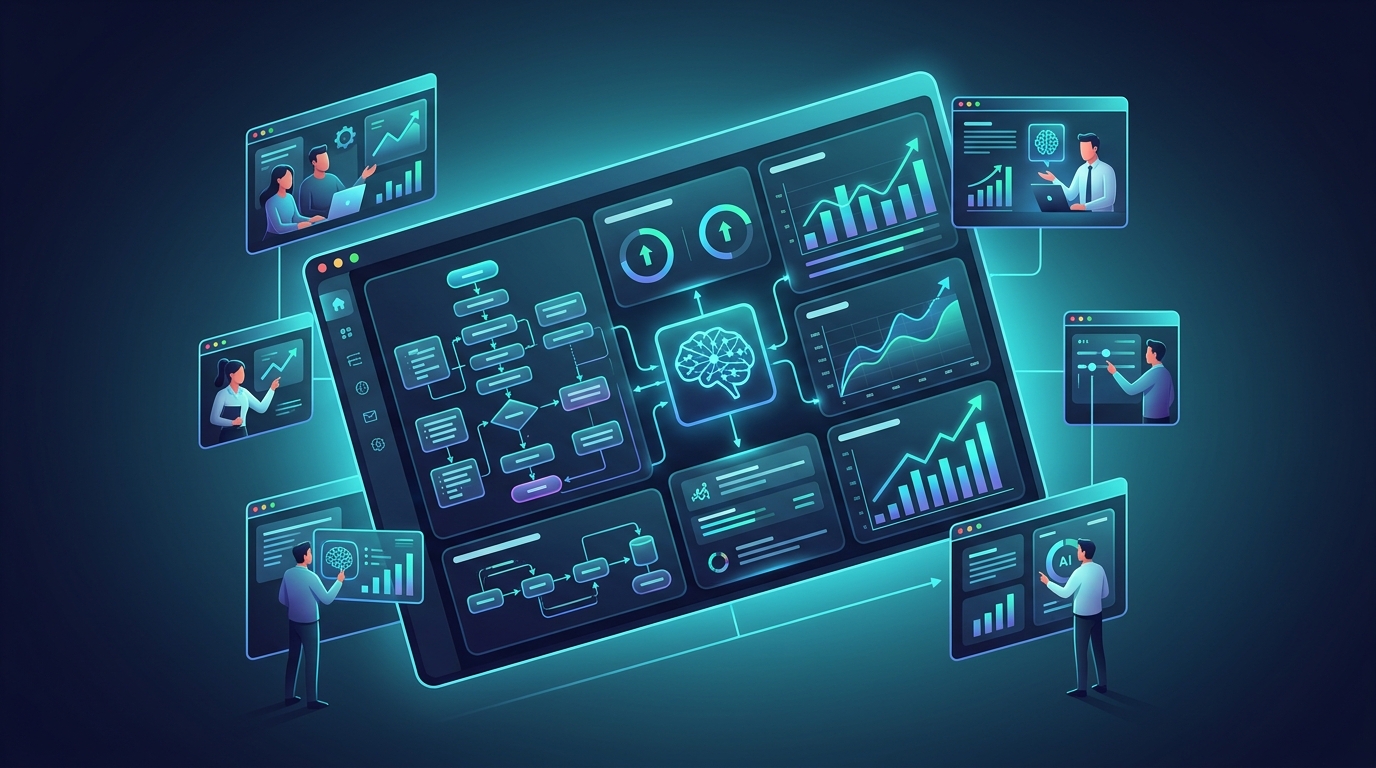
Building profitable ai agents workflow systems requires four core elements. Get these right, and you’ll scale operations without hiring additional staff. Miss any component, and you’ll end up with expensive software that nobody uses.
Your Digital Specialists: Each Agent Has a Job
Design agents like you’d hire specialists. Customer service agents handle inquiries and bookings with perfect consistency. Sales agents qualify leads using your exact criteria and follow up based on prospect behavior patterns. Data agents process performance metrics and flag trends you’d miss manually.
Each agent needs clearly defined responsibilities and decision-making authority. Overlap creates confusion. Gaps create missed opportunities.
System Integration: Agents Need Access to Everything
Your agents connect to CRM systems, calendars, inventory databases, and communication channels across email, SMS, and social media. Real-time data sync prevents double-bookings and outdated responses that damage customer relationships.
Integration complexity varies by business size and existing tech stack. Most implementations take 2-4 weeks for full deployment.
Orchestration Layer: Traffic Control for Your Agents
This system assigns tasks based on priority, manages agent workloads, and coordinates handoffs between agents or to human staff. Built-in escalation rules ensure VIP customers get immediate human attention while routine inquiries stay automated.
Performance monitoring identifies bottlenecks before they impact customer experience. Resource allocation optimizes automatically based on demand patterns.
Unlocking Business Growth: Tangible Benefits of AI Agent Workflows
Scale Revenue Without Adding Headcount
Most clients see 40% cost reduction within six months while increasing revenue through faster response times and consistent follow-up. A single AI agent handles hundreds of simultaneous conversations. Impossible for human staff without compromising quality.
Revenue acceleration comes from never missing opportunities. Leads get immediate responses. Follow-ups happen on schedule. Prospects receive personalized attention at scale.
Industry-Specific Efficiency Gains
Real estate agencies cut lead qualification time by 75%. Recruitment firms reduce candidate screening from weeks to days. Fundraising organizations increase donor outreach efficiency by 300%. Hospitality venues boost booking conversion rates by 50%.
These aren’t theoretical improvements. They’re measured results from businesses running AI agent systems right now.
Human-AI Collaboration Delivers Better Results
Your sales team focuses on closing while agents handle qualification and nurturing. Recruiters spend time on strategic evaluation while AI manages screening and scheduling. This collaboration produces stronger outcomes than either approach alone.
Staff receive real-time insights and recommendations, enabling faster, better-informed decisions. Human oversight maintains quality standards while AI handles volume and consistency.
Solving Real Business Problems
Vynta AI Agents for Hospitality integrate with existing CRMs like SevenRooms, handling multilingual communications across WhatsApp, SMS, Instagram, and email. The system increases average guest spend by 25% through intelligent upselling while maintaining the personal touch that defines luxury service.
VIP escalation protocols ensure premium guests always receive human attention when needed. The system operates only during your defined hours and maintains strict brand compliance through customizable content controls.
AI Agent Workflows in Action: Industry-Specific Success Stories
Real Estate: Complete Pipeline Automation
Real estate AI agents transform your sales pipeline from first contact through closing. They qualify leads by gathering budget, location preferences, and timeline requirements through natural conversation. The system instantly cross-references this data against your property database to provide relevant recommendations.
Advanced agents schedule viewings, send property updates, and nurture prospects with market insights. They handle multiple languages and time zones, ensuring international clients get immediate responses. Your agents focus on negotiations and relationship building with pre-qualified prospects.
Recruitment: Faster, Better Candidate Matching
Recruitment AI agents screen applications against job requirements, conduct initial assessments through conversational interfaces, and automatically schedule interviews with qualified candidates. The system evaluates technical skills, cultural fit indicators, and availability simultaneously.
Candidate engagement continues throughout lengthy hiring processes with regular updates and personalized communication. Top candidates get identified faster while qualified applicants don’t fall through communication gaps.
Fundraising: Personalized Donor Communications at Scale
Fundraising agents analyze giving history, engagement patterns, and personal interests to craft targeted outreach messages. They manage event invitations, donation acknowledgments, and stewardship communications while tracking donor preferences and optimal communication frequency.
Timing optimization uses historical data and current events to identify the best moments for solicitations. Automatic donor segmentation adjusts messaging tone and content for different categories, from major gift prospects to grassroots supporters.
Hospitality: Premium Service at Scale
Vynta AI Agents for Hospitality handle reservations, special requests, and guest communications with sophisticated personalization across luxury restaurants, premium bars, nightclubs, and beach clubs. These systems boost booking conversion by 50% while reducing customer inquiry abandonment by 60%.
Real-time integration with hospitality management platforms synchronizes guest data and preferences instantly. Multilingual support and channel-specific personalization ensure consistent brand experience across all communication touchpoints.
Implementing AI Agent Workflows: Your Strategic Roadmap
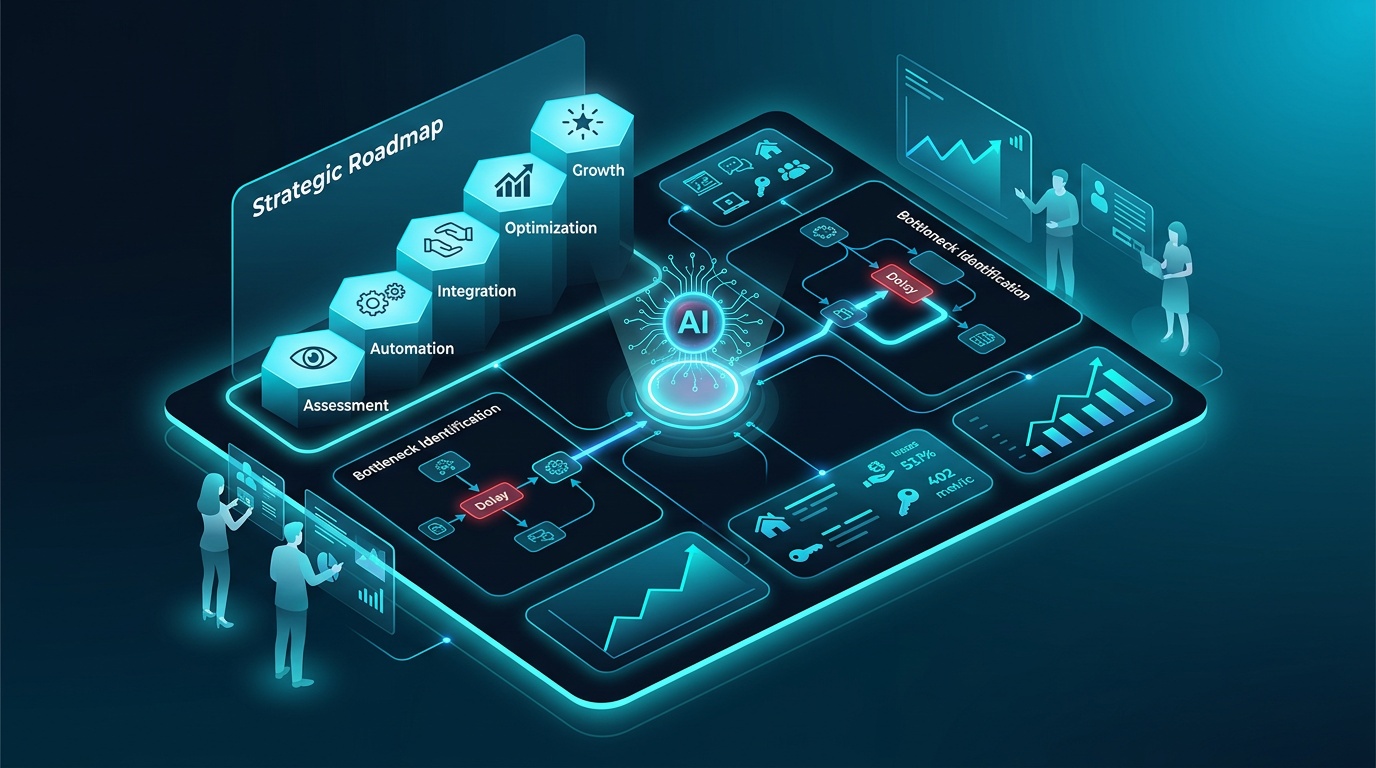
Identify Your Biggest Time Drains
Map your current operational bottlenecks with actual numbers. How long does lead qualification take? What percentage of qualified prospects never get follow-up? How many hours per week does your team spend on scheduling and data entry?
Calculate the cost of delayed responses and missed opportunities. A real estate agent who responds to leads in 5 minutes instead of 24 hours sees 900% higher conversion rates. These gaps represent immediate ROI opportunities.
Build vs. Buy: Most Companies Choose Partnership
Building agentic workflow tools internally requires specialized AI expertise, ongoing maintenance, and significant time investment. Most mid-market businesses get faster results partnering with providers who understand their industry’s specific requirements.
Vynta AI specializes in industry-specific solutions that integrate with existing systems while maintaining strict brand controls and escalation protocols. This approach delivers results in weeks, not years.
Address Team Concerns Before They Become Problems
Communicate clearly about AI augmentation versus replacement. Train staff on oversight responsibilities and escalation procedures. Establish operating boundaries including response timing controls and VIP handling protocols.
Start with low-risk processes before expanding to customer-facing operations. This gradual approach builds confidence while minimizing disruption to existing workflows.
Track What Matters: ROI-Focused Metrics
Monitor response time improvements, conversion rate increases, and cost reduction percentages. Track customer satisfaction scores and staff productivity gains. Vynta AI Agents deliver measurable outcomes: 50% increase in booking conversion, 60% reduction in inquiry abandonment, and up to 25% growth in average guest spend.
Set up feedback loops for continuous optimization. Regular performance reviews ensure your agentic AI workflow architecture evolves with business needs, delivering sustained competitive advantage.
Frequently Asked Questions
How do AI agent workflows differ from basic automation systems?
AI agent workflows are a sophisticated form of automation where intelligent software agents operate autonomously. Unlike traditional automation that follows rigid rules, these workflows allow AI agents to make decisions, adapt to changing conditions, and learn from outcomes. This flexibility helps them find optimal actions and solutions even in dynamic business environments.
What kind of tasks can AI agents handle in a business workflow?
AI agents can manage a wide array of specialized tasks, such as handling customer inquiries, performing data analysis, or scheduling appointments. They communicate and coordinate actions to achieve specific business objectives, acting as a digital team. For example, Vynta AI Agents are designed for luxury hospitality, managing bookings and guest interactions across multiple channels.
How do AI agents learn and improve their performance over time?
AI agents are designed with supervised autonomy, meaning they understand context and learn from outcomes. This learning capability allows them to improve their decision-making and performance with experience. They turn static processes into dynamic systems that become more effective over time.
What are the main components needed to build an effective AI agent workflow?
Building an effective AI agent workflow requires intelligent agents with specialized skills, access to business systems and data integration, and an orchestration layer. This orchestration manages agent interactions, assigns tasks, and ensures smooth handoffs, including to human staff when necessary. Real-time data synchronization is key for current information.
Can AI agent workflows truly reduce operational costs for businesses?
Absolutely. AI agent workflow systems consistently deliver measurable financial returns by significantly reducing operational costs. They handle routine tasks quickly, allowing human teams to focus on high-value activities that drive growth. For example, Vynta AI Agents can reduce operational costs by 30% for luxury hospitality venues.
How do AI agent workflows work with human teams, rather than replacing them?
AI agent workflows are designed to augment human capabilities, not replace them. They automate repetitive and high-volume tasks, freeing human staff to focus on strategic thinking, complex problem-solving, and relationship building. This collaboration often leads to stronger results than either humans or AI working independently.
What business benefits can companies expect from implementing AI agent workflows?
Companies can expect significant benefits, including scaling revenue, reducing operational costs, and boosting efficiency across various departments. These systems improve customer engagement, accelerate response times, and allow human teams to concentrate on high-value activities. For instance, Vynta AI Agents can increase booking conversion by 50% and reduce customer inquiry abandonment by 60% for hospitality clients.