

robotic process automation solution
Demystifying Robotic Process Automation Solutions: What They Are and Why They Matter for Your Business
A robotic process automation solution is software that mimics repetitive human actions on a computer–copying data, filling forms, triggering emails–without requiring human intervention. It automates rule-based tasks so your team can focus on higher-value work.
Defining Robotic Process Automation in Plain Business Terms
Think of RPA as a tireless digital employee that follows precise instructions. It logs into systems, reads data, moves information between applications, and triggers actions–around the clock, without errors caused by fatigue.
How RPA Software Works: Emulating Human Actions
RPA software interacts with your existing applications at the user interface level. It operates the same way a person would: clicking buttons, entering data, reading on-screen outputs. No deep system integration is required, which cuts deployment time considerably for mid-market SMEs.
The Core Components of an RPA Solution: Bots, Orchestrators, and Studios
- Bots: Software scripts that execute the actual tasks
- Orchestrator: The control center that schedules, monitors, and manages bot activity
- Studio: The design environment in which automation workflows are built and configured
Understanding the “Robotic” in RPA: It’s Software, Not Hardware
No physical robots are involved. The term “robotic” describes the precision and consistency with which software replicates human computer interactions. Deployment requires no physical infrastructure–only configuration within your existing digital environment.
Beyond Basic Bots: The Evolution to Intelligent AI Agents

The Limitations of Traditional RPA: Where Rule-Based Automation Falls Short
Standard RPA tools break when inputs change. An invoice formatted differently, a website layout updated, or an unstructured email can halt an entire workflow. Traditional robotic process automation software operates within rigid rules; it can’t interpret context, handle exceptions, or make judgment calls. That fragility becomes expensive fast.
Introducing AI Agents: The Next Frontier in Business Process Automation
AI agents combine RPA’s execution speed with machine learning and natural language processing. They understand unstructured data, adapt to changing conditions, and manage exceptions with minimal human intervention–escalating complex or high-stakes decisions to your team only when genuinely needed. This shifts automation from rigid “if-then” scripts to intelligent decision-making within defined parameters.
How Vynta AI’s Agents Build Upon RPA for Dynamic Task Handling
| Capability | Traditional RPA | Vynta AI Agents |
|---|---|---|
| Unstructured data handling | No | Yes |
| Exception management | Manual intervention required | Automated resolution with human escalation for complex cases |
| Multi-channel communication | Limited | WhatsApp, SMS, email, and website chat |
| Industry-specific logic | Generic | Vertical-specific |
| Continuous learning | No | Yes |
Augmenting Human Capabilities: The Collaborative Power of AI Agents
Vynta AI’s approach centers on freeing your team from administrative burden, not replacing their expertise. Your recruiters build relationships; Agentic Systems for Recruitment handles CV processing, candidate screening, and interview scheduling automatically.
Targeted Automation: Measurable Outcomes Across Four Verticals
Real Estate: Automating Lead Qualification and Property Matching
AI agents qualify inbound leads quickly, match buyer profiles against available inventory, and follow up across multiple channels without agent involvement. The result: agents spend time on viewings and negotiations, not data entry.
Recruitment: Streamlining Candidate Screening for Faster Placements
Agentic Systems for Recruitment processes over 100,000 CVs daily, screening each candidate in under 10 seconds with 85% matching accuracy. Firms implementing this solution report placements increasing by over 50%, with the hiring cycle cut by more than 60%. Each hire saves approximately 2 hours of consultant time–hours that get redirected toward client relationships and complex placements.
Fundraising: Optimizing Investor Outreach for Capital Campaigns
A robotic process automation solution applied to fundraising systematizes donor segmentation, outreach sequencing, and follow-up cadences. Organizations maintain consistent touchpoints across large donor pools without proportional staff increases.
Hospitality: Improving Guest Experience Through Intelligent Automation
AI agents manage reservation confirmations, pre-arrival upsell sequences, and post-stay feedback collection. Boutique hotels and restaurants can reduce no-shows and increase revenue per guest while preserving the personal service quality that defines hospitality. VIP and complex guest queries are escalated to staff, ensuring the human touch remains where it matters most.
RPA Implementation for Mid-Market SMEs: What You Need to Know
Identifying the Right Processes for Automation
Prioritize processes that are high-volume, rule-based, and time-consuming. Data entry, application processing, appointment scheduling, and report generation are strong starting points. Avoid automating processes that require frequent human judgment or are undergoing active redesign.
Key Considerations for Successful Deployment
Integration with existing systems isn’t optional. Any credible robotic process automation solution must connect with your current CRM, ATS, or property management platform via custom API development and data transformation services. Vynta AI’s agents work alongside existing infrastructure–not around it. Deployment follows a structured phased approach covering discovery, strategy, and implementation, so expect results to build progressively rather than overnight.
Addressing Fears: How AI Augments, Not Replaces, Your Team
The most common concern among mid-market SME leaders is job displacement. The evidence points in the opposite direction. When Agentic Systems for Recruitment handles CV processing, interview scheduling, and candidate communications automatically, recruiters redirect their time toward relationship-building, client development, and complex placements. Administrative work shrinks; strategic work expands. Your team’s expertise becomes more valuable, not redundant.
Vynta AI’s agents operate as a robotic process automation solution with judgment–surfacing the right information at the right moment so your people make better decisions faster. That collaboration model consistently outperforms both fully manual operations and fully automated ones.
- Map every candidate or guest touchpoint that currently consumes manual time
- Confirm that your existing ATS, CRM, or PMS supports API integration
- Define success metrics before go-live, not after
- Assign an internal process owner who is accountable for automation performance
- Plan a phased rollout that starts with one high-volume, low-risk process
Measuring Success: KPIs That Matter
Meaningful measurement starts before deployment. Baseline your current cycle times, error rates, and staff hours per transaction. After go-live, track time saved per hire, candidate screening volume, placement rate changes, and reactivation outcomes from dormant database contacts. Agentic Systems for Recruitment delivers a documented 18% dormant ATS reactivation rate and a 33% reduction in reactivation-related administrative tasks–concrete client-reported benchmarks you can defend to stakeholders within the first quarter.
For hospitality and real estate, measure no-show rates, revenue per guest, lead-to-viewing conversion, and response time to inbound inquiries. For fundraising, track outreach volume, follow-up consistency, and donor retention rates across campaign cycles.
Choosing the Right Automation Path: Verdict and Strategic Direction
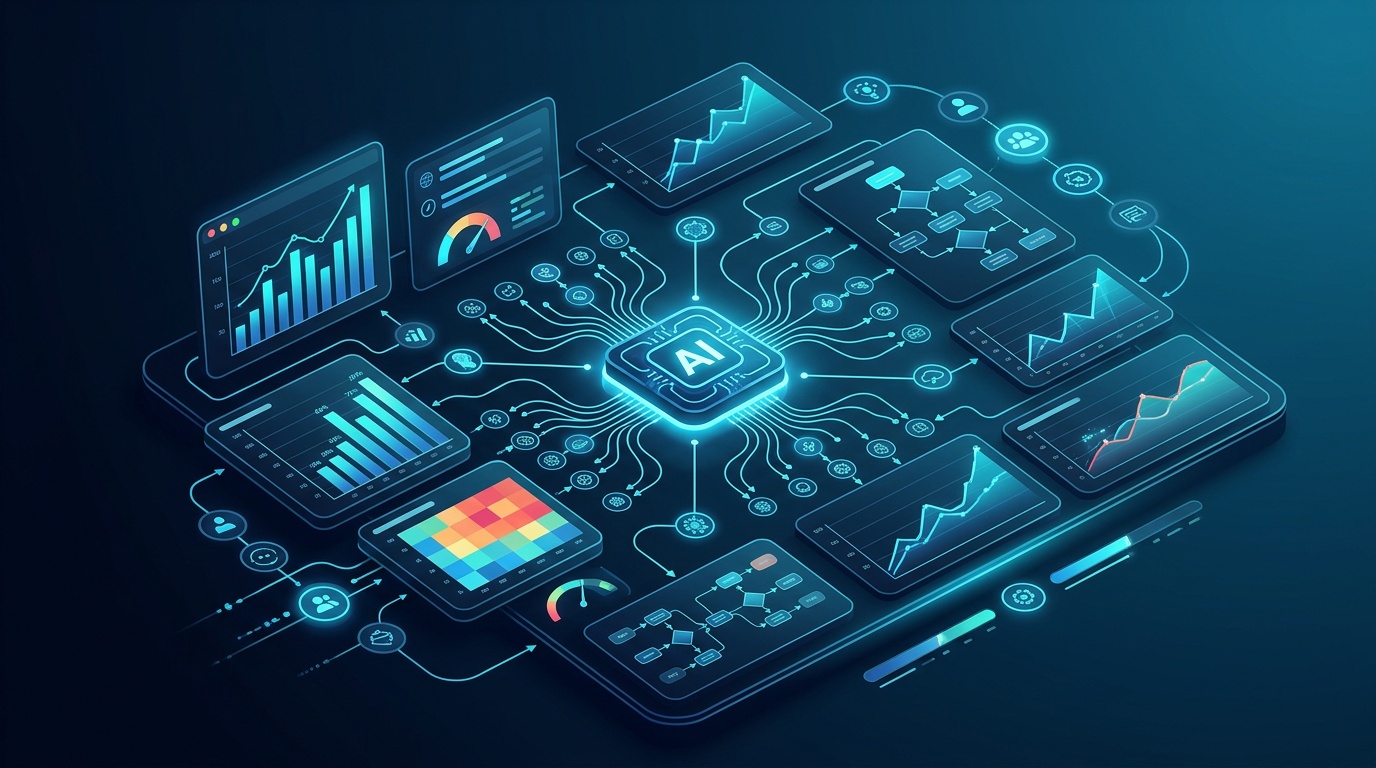
RPA Tools Versus AI Agents: Matching Technology to Business Maturity
Standard robotic process automation software suits businesses with stable, high-volume, rule-based processes that rarely change. If your workflows involve unstructured data, multi-channel communication, or exception handling, AI agents will deliver better outcomes. Mid-market SMEs in recruitment, real estate, fundraising, and hospitality typically operate in environments where conditions shift frequently–making intelligent agents a stronger long-term investment than rigid robotic process automation tools.
Where to Start Based on Your Industry Vertical
Recruitment firms often see the fastest measurable returns. Agentic Systems for Recruitment reactivates dormant ATS databases at an 18% rate and reduces hiring cycles by more than 60%–outcomes that can materialize within the first operational quarter, giving leadership concrete numbers to present to stakeholders.
Real estate agencies should prioritize lead qualification automation first, where response speed directly affects conversion rates. Hospitality operators gain immediate value from reservation confirmation and upsell sequencing. Fundraising organizations benefit most from systematized outreach cadences that maintain donor touchpoints at scale without additional headcount.
The Direction Intelligent Automation Is Heading
The next evolution moves beyond task automation toward decision-making within defined parameters, with human oversight built in for complex scenarios. AI agents will increasingly coordinate across CRM, ATS, and communication platforms without human-initiated triggers for routine tasks. For mid-market SMEs, this means operational capacity can scale without matching headcount growth. Agentic Systems for Recruitment already shows this trajectory: candidate engagement via WhatsApp Business API, automated interview coordination, and branded candidate profile generation can run continuously, with consultants remaining accountable for strategic decisions and complex placements.
- Audit your highest-volume, most time-consuming processes and quantify the staff hours consumed weekly
- Confirm vendor integration compatibility with your existing ATS, CRM, or property management system before any commitment
- Define your primary success metric upfront: placement rate, lead conversion, donor retention, or revenue per guest
Why Human Expertise Stays Central
No robotic process automation solution–regardless of sophistication–replaces the judgment, empathy, and relationship capital your team brings. The competitive advantage belongs to businesses that combine human expertise with intelligent automation. Your recruiters close placements; AI agents manage communications. Your property consultants negotiate deals; AI qualifies the pipeline. That division of labor consistently produces better outcomes than either approach alone.
Selecting the right automation partner matters as much as selecting the right technology. Vynta AI operates as a strategic partner across all four verticals, not simply a software vendor.
Frequently Asked Questions
What is a robotic process automation solution?
A robotic process automation solution is software designed to mimic repetitive human actions on a computer, such as data entry or form filling. It automates rule-based tasks, allowing your team to focus on more valuable, strategic work. This digital employee operates tirelessly, executing tasks precisely as programmed, without errors from fatigue.
Does robotic process automation involve physical robots?
No, the ‘robotic’ in robotic process automation refers to software, not physical machines. It describes the precision and consistency with which the software replicates human computer interactions. Deployment requires no physical infrastructure, only configuration within your existing digital environment.
What are the limitations of traditional robotic process automation?
Traditional robotic process automation tools operate within rigid rules and struggle when inputs change, like a differently formatted invoice or an updated website layout. They cannot interpret context, handle exceptions, or make judgment calls, which often halts entire workflows. This means they require human intervention for anything outside their programmed parameters.
How do AI agents, like Vynta AI's, improve upon standard RPA?
Vynta AI agents build upon traditional RPA by integrating machine learning and natural language processing. This allows them to understand unstructured data, adapt to changing conditions, and automate exception handling with minimal human intervention. They can manage multi-channel communication, including WhatsApp, SMS, email, and website chat, providing a dynamic approach to task handling.
Which types of tasks are ideal for robotic process automation?
Robotic process automation is best suited for tasks that are high-volume, rule-based, and time-consuming for your team. Excellent starting points include data entry, application processing, appointment scheduling, and report generation. We advise avoiding processes that require frequent human judgment or are undergoing active redesign.
What should mid-market SMEs consider when implementing RPA?
For mid-market SMEs, integration with your existing systems, such as CRM or ATS, is essential for a successful robotic process automation deployment. Expect a structured, phased approach covering discovery, strategy, and implementation, with results building progressively. It is important to track key performance indicators like time saved per transaction and cycle time reduction to measure success.
What measurable outcomes can businesses expect from Vynta AI Agents?
Businesses using Vynta AI Agents can see significant measurable outcomes. For example, they can increase booking conversion by 50% and reduce customer inquiry abandonment by 60%. Our agents can also increase average guest spend by up to 25% through brand-safe upselling, while reducing operational costs by 30%.