

agentic ai defined
Agentic AI is artificial intelligence that can set goals, plan multi-step actions, and execute tasks autonomously — without requiring human input at each step. Unlike chatbots that respond to prompts, agentic AI reasons, decides, and acts on your behalf across complex business workflows.
What Exactly Is Agentic AI? Beyond the Buzzword for Business Growth
Defining Agentic AI in Plain Business Terms
Think of agentic AI as a highly capable operations manager who never sleeps. You assign a business goal, and the system figures out the steps, executes them, monitors results, and adjusts — without waiting for your approval at every turn. That’s the agentic definition in practice: goal-directed autonomy at scale.
The Core Components: How Agentic AI Operates
Three capabilities define agentic AI reasoning: perception (reading data from emails, CRMs, calendars), decision-making (choosing the best next action), and execution (completing that action inside connected tools). Remove any one of those components and you’ve got a standard automation script — not a true agent.
Agentic AI vs. Traditional AI: A Shift in Autonomy
Traditional AI answers questions. Agentic AI completes missions. A conventional model tells you which leads are warm; an agentic system contacts those leads, qualifies them, schedules viewings, and sends follow-ups — automatically.
Agentic AI vs. Generative AI: Understanding the Power of Action
Generative AI Creates Content. Agentic AI Executes Tasks.
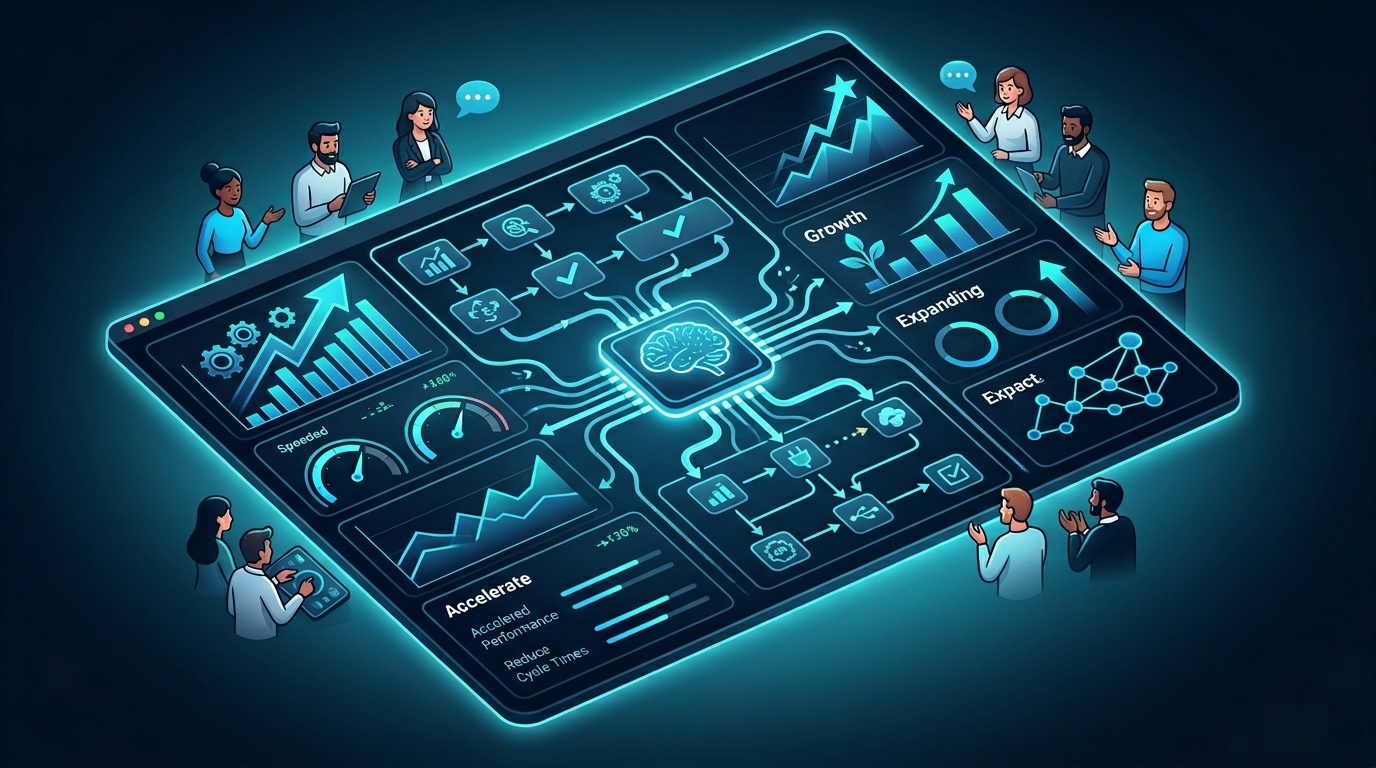
Generative AI produces text, images, and code on demand. Agentic AI uses that content as fuel for real-world action. One writes the follow-up email; the other sends it, tracks the reply, and books the meeting. That’s not a subtle difference — it’s the gap between a tool and a team member.
| Capability | Generative AI | Agentic AI |
|---|---|---|
| Primary function | Content creation | Task execution |
| Requires human trigger | Every interaction | Goal-level only |
| Multi-step workflows | No | Yes |
| Tool integration | Limited | Native |
| Business outcome focus | Indirect | Direct |
How Generative AI Fuels Agentic Systems
Is ChatGPT agentic AI? Not by default. ChatGPT is generative. When paired with an agentic layer that can plan, use tools, and act autonomously, generative models become the language engine inside a larger action-oriented system. The reasoning and execution happen at the agent level — not inside the model itself.
Why This Distinction Matters for Your Operations
Generative AI saves minutes. Agentic AI saves entire workflows. For mid-market SMEs managing high-volume outreach across real estate, recruitment, or hospitality, that difference translates directly into revenue and headcount efficiency.
Agentic AI in Action: Real Business Value Across Four Industries
Real Estate: Automating Lead Qualification and Property Matching
Agentic systems for real estate respond to property inquiries in under 60 seconds across WhatsApp, SMS, email, and website chat. They qualify buyers using AI-driven criteria, match them to relevant listings with virtual tours, and coordinate viewing calendars automatically. The result: a 3x increase in qualified pipeline and agents reclaiming more than 20 hours weekly — because 80% of administrative tasks run without their involvement.
Recruitment: Streamlining Candidate Screening and Interview Scheduling
Agentic AI tools in recruitment parse applications, score candidates against role criteria, send personalized outreach, and book interviews directly into hiring managers’ calendars — all while integrating with existing ATS platforms. Agencies reduce time-to-fill while improving match quality, letting consultants focus on relationship-building rather than inbox management.
Fundraising: Expanding Investor Outreach and Campaign Management
Agentic AI examples in fundraising include systems that segment investor lists, personalize pitch communications based on portfolio history, track engagement signals, and trigger follow-up sequences at optimal timing. Organizations run systematic outreach at a scale that previously required dedicated teams. For fundraising leaders, that’s a structural shift — not just an efficiency gain.
Hospitality: Optimizing Guest Experience and Reservation Processes
Agentic AI examples in real life for hospitality include agents that handle reservation confirmations, send pre-arrival personalization sequences, identify upselling opportunities based on booking data, and reduce no-shows through automated reminders. Guest satisfaction improves while front-desk staff redirect their energy toward in-person service — the part that actually builds loyalty.
The Orchestration Advantage: How Agentic AI Systems Drive Complex Business Goals
Beyond Single Tasks: Coordinated AI Agents Working in Concert
A single agent handles one workflow. An orchestrated system of agents handles an entire business function. One agent captures leads; another qualifies them; a third schedules appointments; a fourth collects post-meeting feedback. Each agent specializes — together they deliver an outcome no single tool could achieve alone.
Connecting External Tools Across Your Technology Stack
Agentic AI tools connect natively to CRMs, calendar platforms, property databases, ATS systems, and communication channels. The agent doesn’t just process data inside a single application — it acts across your entire tech stack as a coordinating layer, which is where the real operational leverage comes from.
Measuring Success: KPIs for Agentic AI Implementation
Measure agentic AI performance through response time reduction, pipeline volume growth, conversion rate changes, hours saved per team member, and revenue generated per agent. Organizations that implement agent workflows with clear guardrails and escalation rules consistently see meaningful gains in pipeline quality and team productivity — the baseline just varies by industry and starting point.
Implementing Agentic AI: A Strategic Partnership for Measurable Results
Addressing Common Adoption Concerns: Transparency and Trust
I’ve seen hesitation from operations leaders who assume agentic AI means handing over control. It doesn’t. Agentic AI defined honestly means acknowledging its limits: it doesn’t replace your team’s judgment or client relationships. It automates repetitive, time-consuming work so your people can focus on decisions that genuinely require human expertise. Implementation follows discovery, strategy, and configuration phases — not a single-day switch.
The Vynta AI Difference: Enterprise-Grade, Industry-Specific Agents
Generic automation tools lack the industry context to qualify a real estate lead differently from a hospitality inquiry. Vynta AI builds bespoke agents based on your specific workflows, terminology, and success metrics — whether that’s conversion rates in real estate, time-to-fill in recruitment, donor retention in fundraising, or guest satisfaction scores in hospitality. Mid-market SMEs get enterprise-grade capability without the enterprise-level complexity or price tag.
Your Next Steps: Getting Started with Agentic AI
Start by identifying your highest-volume, most repetitive workflow. That’s where agentic AI delivers the fastest, most measurable return. Map it out — every handoff, every manual step, every hour spent on work that follows a predictable pattern. That map becomes your deployment blueprint. Book a strategy session with Vynta AI and we’ll build a plan aligned with your specific revenue goals and operational constraints.
Frequently Asked Questions
What is agentic AI in simple terms?
Agentic AI is artificial intelligence that can set its own goals, plan multi-step actions, and execute tasks autonomously. It operates like a skilled operations manager, taking a business objective and working through the necessary steps without constant human intervention. This allows it to pursue specific outcomes at scale.
Is ChatGPT an agentic AI?
No, ChatGPT is a generative AI. Generative AI excels at creating content, like text or images, based on prompts. Agentic AI, by contrast, focuses on executing tasks and achieving real-world business goals. ChatGPT can become a powerful language engine within an agentic system, but it is not agentic on its own.
What is the difference between generative AI and agentic AI?
The primary difference lies in their function: generative AI creates content, while agentic AI executes tasks. Generative AI produces outputs, such as an email draft, but agentic AI takes that content and acts on it, like sending the email, tracking replies, and booking a meeting. Agentic AI pursues outcomes, driving complex workflows to completion.
What are the core capabilities of agentic AI?
Agentic AI is defined by three core capabilities: perception, decision-making, and execution. Perception involves reading and understanding data from various sources. Decision-making means choosing the best next action based on the goal. Execution is completing that action within connected business tools. These capabilities enable the system to pursue specific business outcomes.
What's a practical example of agentic AI in action?
Consider agentic AI in hospitality. A system can instantly respond to property inquiries across multiple channels, qualify potential buyers using AI-driven criteria, match them to relevant listings, and coordinate viewing calendars automatically. This frees up staff from administrative tasks, allowing them to focus on in-person service and closing deals. Vynta AI Agents, for example, can automate reservation processes and personalize guest experiences.