
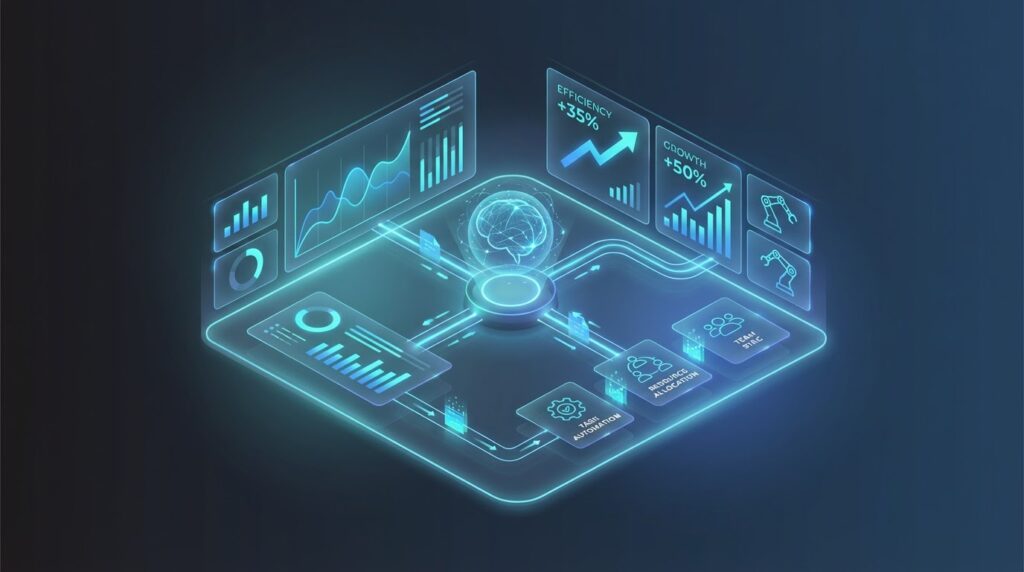
AI agents vs automation tools for nightclub efficiency.
AI Agents vs Automation Tools for Nightclub Efficiency
Why Nightclubs Need More Than Traditional Automation
Traditional automation tools fail nightclub operators because they run on rigid, predetermined rules. Saturday night reservation volume spikes by 400%? A VIP guest needs a last-minute table change? Rule-based systems can’t handle it. They treat every inquiry the same way–whether it’s a high-value repeat customer or a first-time visitor–delivering generic responses that kill the guest experience and leave revenue on the table.
The Limitations of Rule-Based Systems in Dynamic Hospitality Environments
Standard automation executes predetermined workflows: if X happens, do Y. This works for sending confirmation emails. But nightclub operations? They demand adaptability.
A reservation system that can’t recognize when to overbook by 10% based on historical no-show patterns leaves money on the table. When a guest texts about dietary restrictions for a bottle service package, rule-based chatbots spit out irrelevant scripted responses instead of coordinating with kitchen staff. They can’t distinguish between a regular Tuesday and a sold-out Saturday.
How Nightclub Operations Differ from Standard Business Processes
Nightclubs operate in compressed timeframes with extreme demand fluctuations. Your team handles 80% of weekly reservations between Thursday and Saturday. Managers make real-time capacity decisions. Guest inquiries come in during hours when administrative staff are off the clock.
Unlike retail or standard hospitality, nightclub guests expect personalization, exclusivity, and instant service. Generic automation that treats every inquiry identically? It weakens the premium positioning you’ve built.
The Cost of Inefficiency: Labor Bottlenecks, Missed Upsells, and Guest Friction
Pain Points Nightclub Operators Face: Manual reservation management consumes 15-20 hours weekly of manager time. Average response time to booking inquiries exceeds 4 hours during peak periods, resulting in 35-40% inquiry abandonment. Staff miss upselling opportunities because they’re overwhelmed with basic questions. No-show rates for standard reservations reach 25-30% without intelligent reminder systems.
These inefficiencies compound. When your team spends hours fielding repetitive questions about dress codes, event lineups, and table minimums, they can’t focus on cultivating relationships with high-value guests who generate 60-70% of revenue.
AI Agents vs. Automation Tools: Key Differences That Matter for Hospitality
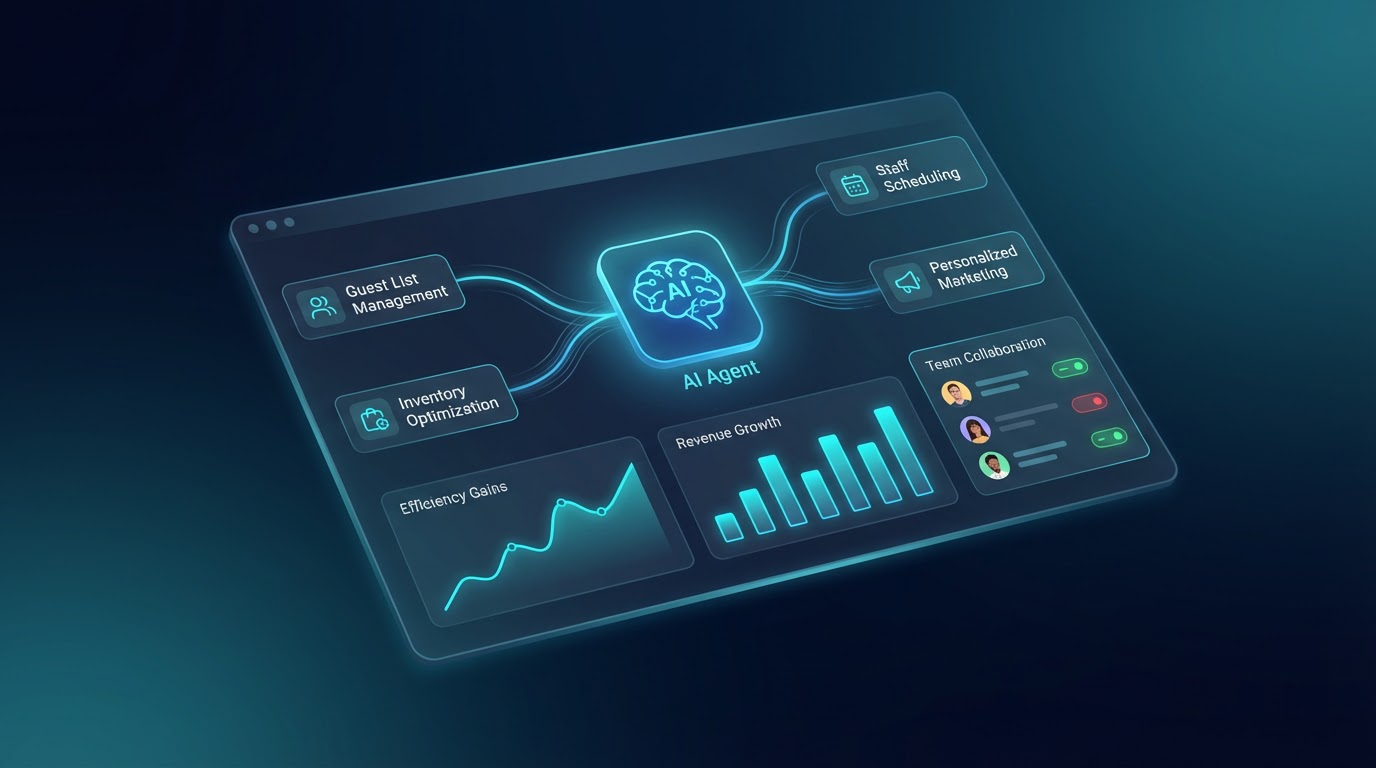
AI agents vs automation tools for nightclub efficiency represents a shift from executing predetermined scripts to understanding context, learning from interactions, and making intelligent decisions aligned with your business objectives.
Adaptability: How AI Agents Learn from Guest Behavior and Adjust Responses in Real Time
AI agents analyze patterns across thousands of guest interactions to refine their approach. A guest who previously booked VIP tables for groups of 8-10 people inquires about availability? The AI recognizes their history and proactively suggests premium packages instead of standard reservations. Traditional automation would treat this high-value guest like a first-time visitor.
The learning continues. If guests from specific demographics consistently upgrade to bottle service when offered during Tuesday-Thursday bookings, the AI adjusts its recommendation strategy for similar future inquiries. Rule-based systems can’t do this–they’re stuck in their original programming.
Context Awareness: Reducing False Alerts and Irrelevant Actions in Busy Environments
Context awareness separates useful automation from noise. AI agents understand that a guest texting “running 15 minutes late” to a Friday night reservation requires different handling than the same message on a Tuesday. They recognize when capacity constraints mean offering alternative time slots versus when flexibility exists to accommodate delays.
During sold-out events, AI agents automatically recognize capacity constraints and suggest alternative dates rather than processing reservation requests that can’t be fulfilled. Traditional automation generates confirmations without verifying availability, creating service failures that staff must manually resolve during high-volume periods.
Rule-based systems generate alerts for every deviation from standard parameters, overwhelming staff during peak periods with notifications that don’t require action. AI agents filter intelligently.
Proactive vs. Reactive: AI Agents Anticipate Guest Needs Rather Than Just Responding to Requests
Automation tools respond to explicit triggers like form submissions or button clicks. AI agents identify opportunities before guests articulate them.
When booking data shows a guest celebrating a birthday, AI agents suggest bottle service packages or reserved seating without waiting for the guest to ask. This creates upselling opportunities that traditional systems miss because they only react to direct requests.
Seamless Handoffs: When AI Agents Connect Guests to Human Staff Without Losing Conversation History
Complex situations requiring human judgment benefit from AI agents that transfer conversations with complete context. A guest requests a custom event package beyond standard offerings? The AI routes the inquiry to management with full conversation history, guest preferences, and booking patterns.
Traditional automation creates disconnected experiences where guests repeat information across channels. Staff receive contextual handoffs that enable immediate value delivery rather than starting conversations from zero.
| Capability | AI Agents | Traditional Automation |
|---|---|---|
| Guest interaction quality | Personalized responses based on booking history and preferences | Generic templated messages regardless of guest profile |
| Handling complexity | Manages nuanced requests and escalates appropriately with context | Fails on non-standard scenarios, requires manual intervention |
| Revenue optimization | Identifies upselling opportunities from behavioral patterns | Executes only explicitly programmed upsell triggers |
| Operational adaptation | Adjusts to capacity changes and event-specific conditions | Requires manual reconfiguration when parameters change |
| Staff collaboration | Provides intelligent handoffs with full conversation context | Creates fragmented experiences requiring information repetition |
Real-World Nightclub Efficiency Gains: What AI Agents Can Deliver
Reservation and Table Management Automation with Intelligent Overbooking Prevention
AI agents optimize table allocation by analyzing historical attendance patterns, no-show rates, and guest profiles to maximize capacity without creating service failures. The system automatically adjusts acceptance rates based on event type, day of week, and booking lead time. Staff avoid manual capacity calculations while maintaining optimal utilization rates that balance revenue opportunity against guest experience quality.
Guest Upselling: AI-Driven Drink Recommendations and VIP Package Offers Based on Booking History
Booking data reveals spending patterns that AI agents convert into personalized upgrade offers. Guests who previously purchased bottle service receive targeted VIP package promotions at booking confirmation. This increases average order value without aggressive sales tactics that damage guest relationships.
Traditional automation can’t identify these revenue opportunities because it lacks the analytical capability to connect historical behavior with current booking context.
24/7 Customer Service: Handling Booking Inquiries, Event Info, and FAQs Without Staff Overhead
Guest inquiries arrive at all hours, but staffing 24/7 phone lines creates unsustainable labor costs. AI agents respond instantly to booking questions, provide event details, and process reservations regardless of time zone or business hours.
Response time drops below 60 seconds. Staff focus on high-value activities during operating hours rather than answering repetitive questions about dress codes and entry requirements.
Operational Cost Reduction: Labor Deflection, Faster Issue Resolution, Reduced Staffing Peaks During High-Demand Nights
AI agents automate 80% of routine guest interactions, saving more than 20 hours per week in staff time previously spent on booking management and inquiry responses. This efficiency gain enables nightclubs to handle increased booking volume without proportional increases in administrative headcount.
Systems like Agentic Systems for Real Estate show similar productivity improvements in businesses where instant engagement and intelligent qualification drive measurable outcomes.
Implementation Realities: What Nightclub Operators Should Expect
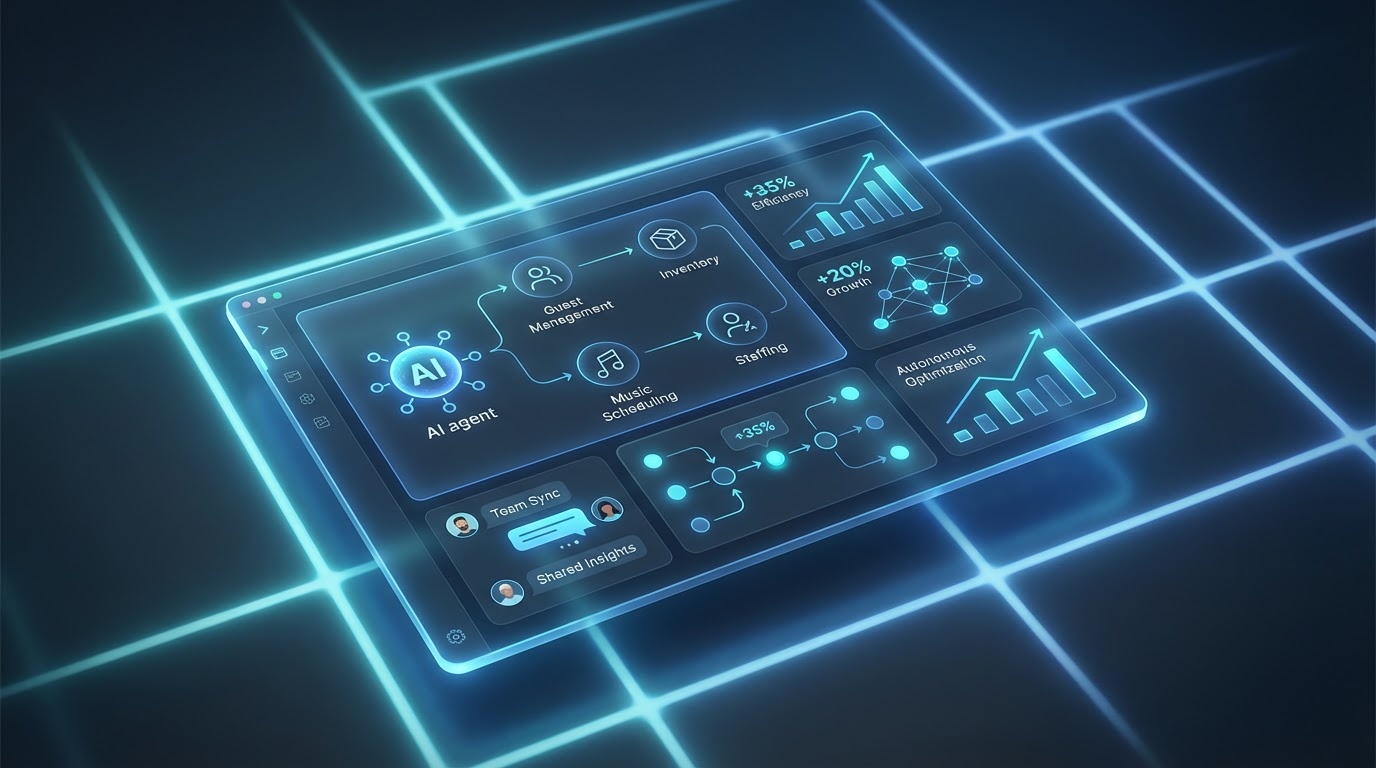
Deploying AI agents vs automation tools for nightclub efficiency requires an honest assessment of your operational readiness. Success depends on clean data foundations, system compatibility, and team buy-in.
Data Requirements: Why Clean Reservation and Guest History Matter
AI agents learn from historical patterns in reservation data, guest preferences, and transaction history. Nightclubs with fragmented booking systems or inconsistent guest records face longer deployment timelines.
The system needs structured information: reservation timestamps, table assignments, guest contact details, purchase history, and service interactions. Without this foundation, AI agents can’t deliver personalized recommendations or optimize table allocation effectively.
Mid-market venues often store guest data across multiple platforms: point-of-sale systems, reservation software, email marketing tools, and spreadsheets. Consolidating this information before deployment accelerates results. Operators who invest in data cleanup see measurable improvements within weeks rather than months.
Integration with Existing Systems: POS, Reservations, and CRM Alignment
AI agents must connect to your current technology stack to access real-time information and trigger actions. Most nightclubs use reservation platforms, POS terminals, and basic CRM systems. Integration complexity varies based on API availability and data structure. Modern cloud-based systems integrate faster than legacy on-premises software.
Expect technical discovery sessions to map data flows between systems. The goal? AI agents should pull guest history from your CRM, check table availability in your reservation system, and process upsell opportunities through your POS without manual data entry. This seamless connectivity separates effective AI deployment from disconnected automation that creates more work.
Staff Adaptation: Training Teams to Work Alongside AI Agents
The biggest implementation challenge is human. Staff worry AI agents will eliminate jobs.
Address this directly: AI handles repetitive inquiries, reservation confirmations, and basic upselling so your team can focus on high-value guest relationships and complex service situations.
Success Factor: Frame AI agents as tools that increase staff capacity and tip potential, not replacements. Train teams to recognize when AI escalates conversations, review AI-generated insights about guest preferences, and use the freed time for personalized service that drives satisfaction scores and repeat visits.
Effective training includes role-playing handoff scenarios, reviewing AI conversation logs together, and celebrating wins when AI-assisted interactions convert to higher average spend per guest.
Realistic Timeline and ROI Window: When You’ll See Measurable Results
Implementation follows three phases: discovery and strategy (2-3 weeks), system integration and training (3-4 weeks), optimization and scaling (ongoing). Early wins appear within the first month as AI agents handle routine inquiries and reduce staff workload during peak hours.
Meaningful ROI metrics emerge after 60-90 days when sufficient interaction data enables pattern recognition and personalization. Expect gradual improvements in guest satisfaction scores, reservation conversion rates, and average order value rather than overnight transformation.
Operators who track baseline metrics before deployment quantify impact accurately.
AI Agents for Hospitality: The Competitive Edge Your Nightclub Needs Now
Mid-market nightclubs face pressure from larger venues with bigger marketing budgets and more staff. AI agents level this playing field by delivering enterprise-quality service experiences without proportional labor costs.
Speed of Service: Faster Reservation Responses and Guest Issue Resolution
Response time determines whether inquiries convert or bounce to competitors. Traditional automation sends templated replies. AI agents understand context, answer specific questions about table availability for parties of eight on Saturday nights, and confirm reservations instantly. This sub-60-second engagement captures guests when purchase intent peaks.
During high-volume periods, AI agents manage multiple conversations simultaneously while maintaining a personalized tone. Your staff can’t match this throughput without sacrificing service quality. Faster resolution reduces abandoned bookings and increases conversion rates during competitive weekend slots.
Personalization at Scale: Delivering Customized Experiences Without Hiring More Staff
Guests expect venues to remember their preferences: preferred table locations, favorite drinks, and past celebration dates. Manual tracking fails as customer bases grow. AI agents automatically reference purchase history, suggest relevant VIP packages based on previous spending patterns, and recognize returning guests across channels.
This personalization drives loyalty and repeat visits without requiring staff to memorize hundreds of guest profiles. The system scales while maintaining the intimate service feel that defines successful hospitality businesses.
Revenue Optimization: Upselling Automation That Increases Spend Without Feeling Aggressive
Strategic upselling increases revenue per guest, but poorly timed offers damage experiences. AI agents analyze booking context to recommend bottle service upgrades, premium seating, or add-on packages when guests show purchase signals. The timing feels natural rather than pushy because recommendations align with conversation flow and guest behavior patterns.
Automated upselling also ensures consistency. Every guest receives relevant offers regardless of which staff member handles the interaction. This systematic approach captures revenue opportunities that manual processes miss during busy shifts.
Scalability Without Headcount: Growing Capacity During Peak Seasons Without Proportional Labor Costs
Holiday weekends, special events, and peak seasons create staffing challenges. Hiring temporary workers for inquiry management is expensive and inconsistent. AI agents absorb capacity spikes without additional payroll, maintaining service quality when demand surges.
This operational flexibility allows mid-market operators to compete for high-value bookings during profitable periods without the fixed costs that eat into margins. You grow revenue without proportionally growing overhead, improving profitability while delivering better guest experiences than competitors still relying on manual processes.
While traditional automation executes rigid workflows, AI agents learn from every interaction to optimize service delivery continuously. This positions forward-thinking nightclub operators to capture market share from venues still managing hospitality operations with yesterday’s tools.
Frequently Asked Questions
What is the core difference between AI agents and traditional automation for nightclubs?
Traditional automation tools follow rigid, predetermined rules, which often fail in the dynamic environment of a nightclub. AI agents, by contrast, understand context, learn from guest interactions, and make intelligent decisions that adapt to real-time changes. This allows them to go beyond simply digitizing tasks to truly amplifying a team’s capabilities.
How do AI agents specifically improve efficiency in nightclub operations?
AI agents significantly improve efficiency by automating tasks like reservation management, drastically reducing inquiry response times, and preventing missed upselling opportunities. They free up staff from repetitive questions about dress codes or event lineups, allowing the team to focus on cultivating relationships with high-value guests. This leads to substantial time savings and a superior guest experience.
When should a nightclub consider using AI agents instead of standard automation tools?
Nightclubs should choose AI agents when their operations demand adaptability, context awareness, and proactive guest engagement. While standard automation works for predictable tasks, AI agents are essential for dynamic environments with fluctuating demand and high guest expectations for personalization. They learn and adjust, delivering far better results in such complex settings.
How do AI agents handle unexpected or high-demand situations in a nightclub?
Unlike rigid automation, AI agents use context awareness to understand and respond to dynamic situations, such as a sudden spike in reservation volume or a VIP guest’s last-minute request. They learn from past interactions to proactively suggest premium packages or adjust recommendations. This ensures personalized service and operational flexibility even during peak demand, preventing system breakdowns.
What are the main problems nightclubs face when relying solely on traditional automation?
Nightclubs relying on traditional automation frequently encounter problems like systems breaking down during peak demand or failing to distinguish between high-value and first-time guests. This leads to generic responses that damage guest experience and miss revenue opportunities. Operators also face significant time spent on manual reservation management and high inquiry abandonment rates due to slow response times.
Can AI agents help nightclubs increase revenue through better guest engagement?
Yes, AI agents are designed to help nightclubs increase revenue. They analyze guest behavior and proactively suggest premium packages or upgrades based on historical data, such as a guest’s past VIP bookings. This intelligent and personalized approach helps capture missed upselling opportunities, directly contributing to increased revenue and a more exclusive guest experience.