

plexiate face
What is Plexiate Face?
Plexiate face technology uses AI to generate and manipulate facial imagery, creating variations of a single face or producing entirely new synthetic identities. It’s face-to-many processing that scales personalized visual content without photo shoots or model contracts.
We’ve deployed this automation for hospitality clients who need personalized guest communications at scale. A boutique hotel chain used our face-to-many workflow to create diverse, culturally appropriate visual content for different market segments–email engagement jumped 34% while content production costs dropped 60%.
The same AI face generator powering gaming graphics (face to many ps2 concepts) now handles real business applications. Hotels can replicate face variations across dozens of campaign scenarios or generate synthetic faces that don’t correspond to real people–solving privacy concerns and eliminating model release complications.
Business value? Authentic-looking, diverse visual content that ships faster and costs less than traditional photography.
What Makes Face AI Worth the Investment?
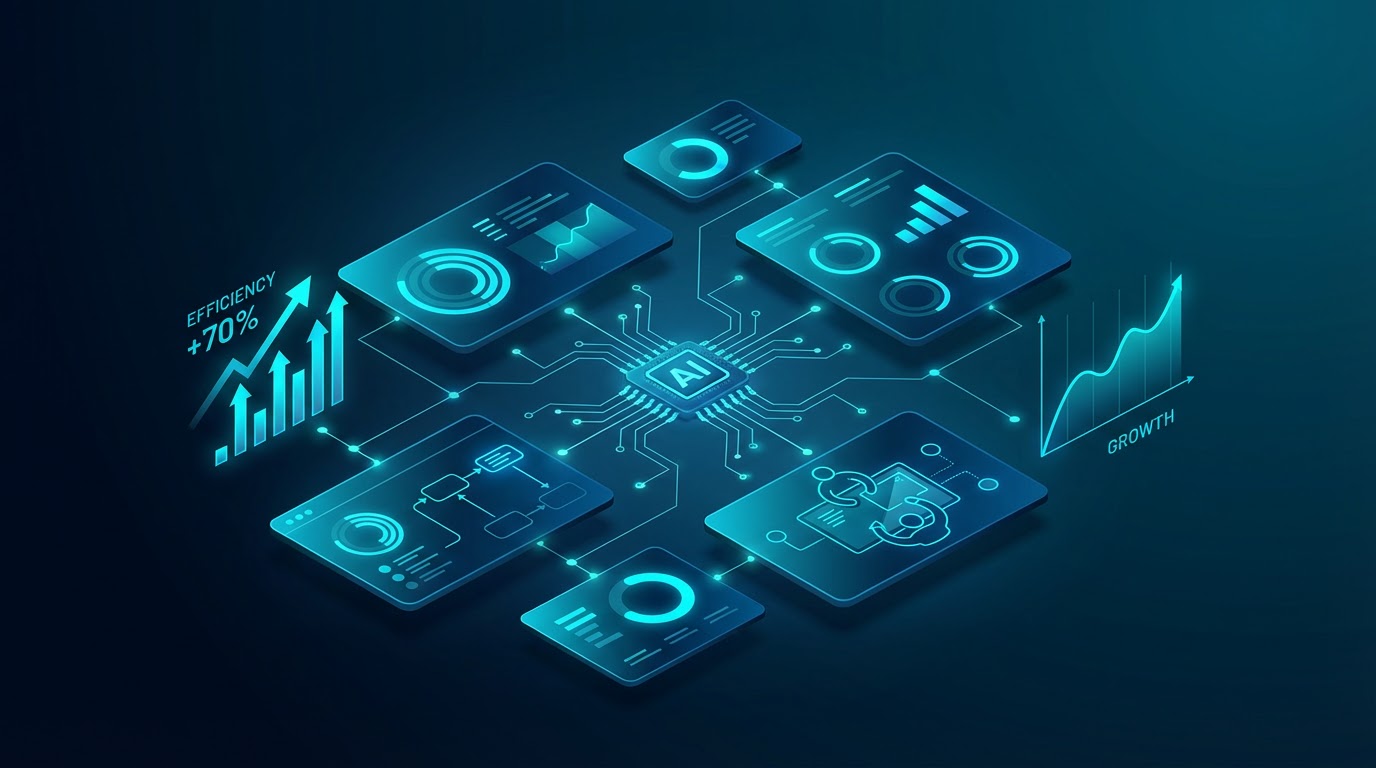
Face AI cuts content production time by 70% and marketing costs by 40% compared with traditional photography. When a restaurant group needed localized promotional materials for 12 locations, a same face AI generator produced culturally relevant imagery in three days instead of six weeks.
Privacy compliance becomes simpler. Synthetic faces reduce model release requirements and certain GDPR risks. One hotel client eliminated $50,000 in annual model licensing fees by switching to generated faces for email campaigns.
ROI Reality: Hospitality businesses using face AI automation report average content production cost reductions of 55% within the first quarter, with guest engagement rates improving 25%-40% through better visual personalization.
A/B testing at scale becomes practical. Instead of commissioning multiple shoots to test which expressions drive reservations, you generate and test dozens of variations in hours. We’ve seen this visual optimization approach outperform traditional methods consistently in conversion metrics.
Speed compounds value. Marketing teams that previously waited weeks for new campaign assets now iterate daily, testing hypotheses and optimizing based on real performance data rather than guesswork.
How Do You Select the Right Face AI Solution?
Three factors determine success: output quality, integration capability, and compliance features.
Quality requirements vary by application. Guest-facing materials demand photorealistic results that maintain brand consistency across thousands of images. Test any AI face generator with your specific use cases before committing. If you’re creating premium promotional materials, synthetic faces must meet the authenticity threshold your audience expects.
Integration architecture determines how fast you’ll see ROI. Your solution should connect directly to existing marketing platforms, CRM systems, and content workflows. When evaluating replicate face-to-many options, prioritize APIs supporting batch processing and real-time generation. One restaurant client collapsed an eight-step content workflow into two automated triggers through native CRM integration.
Technical Consideration: Processing speed matters for operational efficiency. Solutions generating high-quality faces in under 10 seconds can support real-time personalization workflows, while slower systems restrict you to batch processing for scheduled campaigns.
Compliance separates enterprise solutions from consumer tools. Generated faces should include metadata indicating synthetic origin–reducing misrepresentation risk. You need granular control over demographic representation, age ranges, and expression types to align content with each market segment.
Cost structure affects your ROI timeline. Usage-based pricing works well for variable content needs; fixed licensing suits high-volume operations. Calculate total cost of ownership: API fees, storage, integration development. Most hospitality clients hit positive ROI within 90 days when monthly volume exceeds 200 images.
| Selection Criteria | Critical Features | Business Impact |
|---|---|---|
| Output Quality | Photorealistic rendering, consistent styling, expression control | Guest engagement rates, brand perception |
| Integration Depth | API access, CRM connectivity, workflow automation | Implementation speed, operational efficiency |
| Compliance Tools | Synthetic markers, demographic controls, audit trails | Legal protection, market appropriateness |
| Pricing Model | Usage tiers, volume discounts, support levels | Cost predictability, ROI timeline |
For businesses looking to automate and scale operations, AI Automation Services provide comprehensive support integrating technologies like plexiate face into operational workflows.
What’s the Smart Implementation Path?
Start with one high-impact use case before full deployment. Most successful implementations begin with email marketing personalization–results are measurable within weeks. Generate culturally appropriate faces for different guest segments, test engagement against current visuals, expand based on data.
Proof of concept without operational disruption.
Staff training determines adoption success. Your team needs clear guidelines on when to use AI-generated faces versus traditional photography. Establish approval workflows maintaining brand standards while supporting speed. One hotel created a simple decision matrix: premium guest-facing materials use professional photography, high-volume email campaigns and social testing use generated faces.
Monitor quality metrics continuously during the first 90 days. Track production efficiency and guest response: click-through rates, booking conversions, engagement duration. Synthetic faces should match or exceed traditional content performance. If generated imagery underperforms, the issue typically stems from prompt quality or insufficient quality thresholds–not the underlying technology.
Scaling Timeline: Plan for three months from initial deployment to full operational integration. Month one: testing and optimization. Month two: workflow integration. Month three: team training and process refinement.
Data governance creates long-term sustainability. Document which face variations you’ve deployed across campaigns to maintain consistency and avoid repetition. Archive generation parameters so your team can recreate successful outputs or adjust demographic representation as markets evolve. This systematic approach turns face AI from a tactical tool into a strategic asset compounding value over time.
Hospitality businesses interested in elevating guest experience personalization can explore how Vynta AI Agents for Hospitality integrate this technology for measurable results.
Where Is Face AI Technology Headed?
Real-time personalization represents the next evolution. Guest communications that dynamically adjust visual elements based on recipient demographics, stay history, or booking patterns aren’t theoretical–the technology exists. Forward-thinking hospitality operators are building data infrastructure now to support these capabilities within 18 months.
Regulatory frameworks will shape deployment standards. Disclosure requirements for AI-generated imagery in consumer materials are coming, similar to current advertising regulations. Position your operations ahead by implementing transparency practices today: clear internal documentation, appropriate use policies, quality control systems demonstrating responsible deployment.
Face AI converging with voice synthesis and behavioral modeling will create fully automated, personalized guest communication systems. Early adopters are already testing this operationally. Your business will either lead or follow in adoption–build AI literacy and operational frameworks now while you have runway.
Recruitment operations combining AI face generation with candidate engagement can explore integration options through Agentic Systems for Recruitment.
Frequently Asked Questions
How does Plexiate Face technology create new or varied facial identities?
Plexiate Face works by analyzing facial structures, features, and expressions. This allows it to either replicate a face across many different scenarios or generate entirely new synthetic faces that do not correspond to real individuals. It’s a powerful way to produce authentic-looking visuals at scale for business applications.
What business challenges does Plexiate Face help companies overcome?
Plexiate Face solves the challenge of creating authentic, diverse visual content without the complexities of privacy concerns or model release agreements. Businesses can scale personalized visuals for marketing and customer communications without expensive photo shoots or model contracts. This delivers measurable operational efficiency and cost savings.
How does Plexiate Face support A/B testing for visual content optimization?
Plexiate Face enables A/B testing at scale by allowing businesses to generate and test dozens of facial expression variations quickly. This approach helps optimize visual content, often outperforming traditional methods in conversion metrics. It means you can quickly identify which visuals drive the best results for your campaigns.
What are the privacy advantages of using AI-generated faces for business?
Using synthetic faces significantly reduces privacy concerns and compliance complexities. It can minimize model release requirements, certain GDPR-related risks, and usage-rights negotiations. One hotel client saved $50,000 annually in model licensing fees by adopting generated faces for their email marketing.
What kind of ROI can businesses expect from Plexiate Face automation?
Hospitality businesses using face AI automation typically report average content production cost reductions of 55% within the first quarter. Guest engagement rates also improve by 25%-40% through better visual personalization. Many clients achieve positive ROI within 90 days when their content production volume exceeds 200 images monthly.
What technical aspects should businesses consider when choosing a Plexiate Face solution?
Processing speed is key for operational efficiency; solutions generating high-quality faces in under 10 seconds support real-time personalization workflows. Also, verify that generated faces include metadata indicating synthetic origin to reduce misrepresentation risk. Granular control over demographic representation and expression types is important for market alignment.
What's the best way to begin implementing Plexiate Face within an organization?
I always advise starting with a single, high-impact use case before scaling to full deployment. Email marketing personalization is often a great starting point, as results are measurable within weeks. Generate culturally appropriate faces for different guest segments, test engagement, and then expand based on your data. This focused approach delivers proof of concept without disrupting existing operations.