
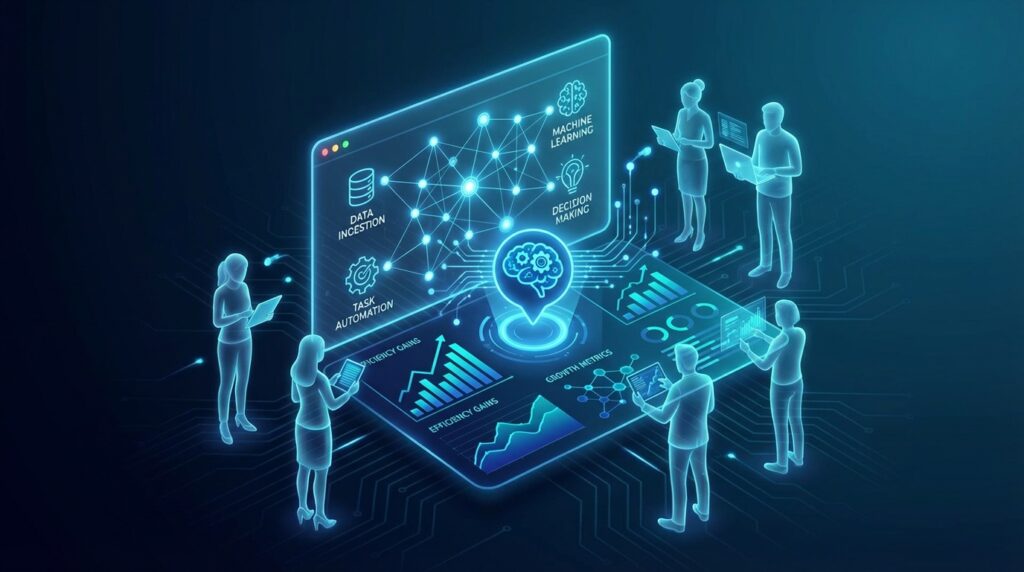
AI agents vs traditional software for nightclub operations.
# AI Agents vs Traditional Software for NightclubsWhy Nightclubs Need to Rethink Their Operations Technology
The operational complexity nightclub managers face today
Nightclub operators handle reservation management, dynamic table allocation, guest list coordination, bottle service upselling, queue optimization, and real-time capacity management while maintaining the premium experience guests expect. Your current point-of-sale systems and reservation platforms process transactions, but they leave you manually coordinating between front-of-house staff, VIP hosts, security, and bartenders.
That’s where the disconnect happens. Static systems create bottlenecks that cost you revenue and degrade guest satisfaction.
Where traditional automation falls short in hospitality
Your reservation system books tables. But can it dynamically reallocate based on guest spending patterns? Adjust pricing for peak demand? Personalize upselling based on previous visits?
No.
Staff manually update spreadsheets, coordinate via walkie-talkies, and make split-second decisions about table assignments without data support. These tools execute predefined tasks but lack the contextual awareness needed for hospitality optimization.
The cost of manual processes in reservation, seating, and upselling
Manual coordination leads to measurable losses. Empty VIP tables during peak hours represent thousands in unrealized revenue. Delayed guest responses reduce conversion rates on reservations by 30% to 45%. Your staff spend 15 to 20 hours weekly on administrative tasks—confirming bookings, managing waitlists, following up with high-value guests.
Without intelligent automation, you’re missing 30% to 40% of potential revenue through suboptimal capacity use and overlooked upselling moments.
Traditional Software vs. AI Agents: Core Differences That Matter
How traditional automation handles nightclub operations (and where it breaks)
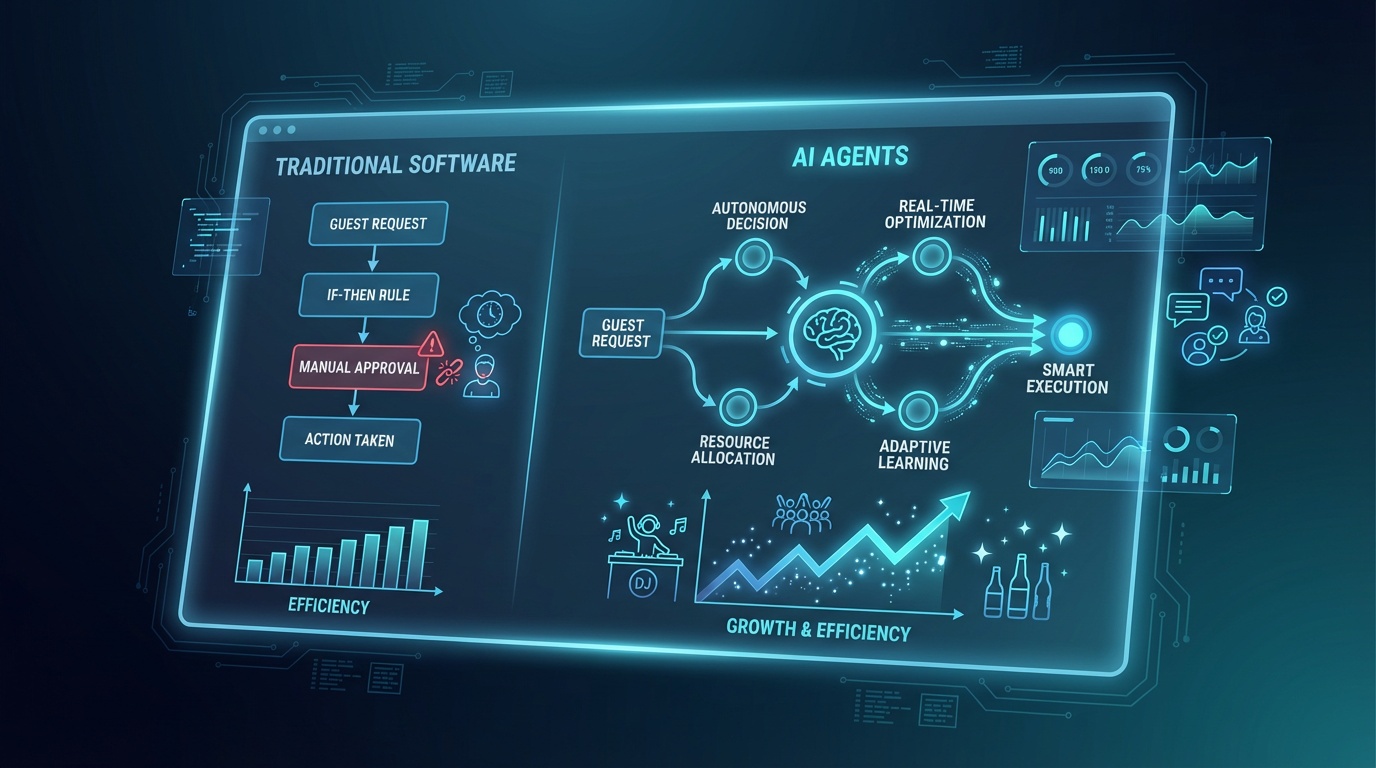
Traditional nightclub software operates on if-then logic. Guest requests table? System checks availability. Confirms or rejects. Done.
It can’t assess guest value, suggest optimal table placement based on spending history, or dynamically adjust pricing. Every exception—VIP requests, group size changes, last-minute cancellations—creates manual work. The system records transactions but provides zero intelligence for revenue optimization or guest experience personalization.
What AI agents can do that rule-based systems cannot
AI agents pursue goals rather than execute fixed rules. An agent managing reservations balances multiple objectives simultaneously: increasing revenue per table, reducing no-shows, improving guest satisfaction. It learns from patterns—which guests typically upgrade to bottle service, what pricing works for different nights, which messaging resonates with specific demographics.
The agent adapts based on outcomes. No manual reprogramming needed.
Adaptability, learning, and real-time decision-making in hospitality contexts
High-value guest requests a last-minute reservation on a sold-out night. Traditional software shows “fully booked.” End of conversation.
An AI agent evaluates options: identify lower-value reservations that could be moved, suggest alternative premium experiences, create capacity through smarter table configuration. It considers historical spending data, current inventory, and revenue goals simultaneously. Response time? Under 60 seconds. With personalized options traditional systems can’t generate.
| Capability | Traditional Software | AI Agents |
|---|---|---|
| Response time | Manual (hours to days) | Automated (under 60 seconds) |
| Decision-making | Rule-based, static | Goal-driven, adaptive |
| Personalization | None or template-based | Context-aware, learning |
| Revenue optimization | Requires manual analysis | Real-time dynamic pricing |
| Exception handling | Escalates to staff | Autonomous problem-solving |
Real-World Applications: How AI Agents Transform Nightclub Operations
Reservation Management and Dynamic Table Allocation
AI agents monitor real-time capacity, guest profiles, and spending patterns to optimize table assignments automatically. VIP guest books? The system evaluates available inventory, considers proximity to high-traffic areas, and adjusts seating arrangements to support both guest satisfaction and revenue potential.
It recalibrates continuously as reservations shift, cancellations occur, or walk-ins arrive.
No-shows get reduced through personalized reminders sent via WhatsApp, SMS, or email—based on each guest’s preferred channel and previous response patterns. Automated confirmations include upsell options like bottle service packages or birthday packages, presented based on booking history and occasion data.
Guest Experience Personalization and Upselling Automation
AI agents analyze past visits, spending habits, and preferences to create individualized experiences. Returning guest who previously ordered premium vodka? They’ll receive targeted offers for new premium spirits before arrival. The system coordinates with staff through integrated POS systems, so servers see guest preferences before the first interaction.
Upselling happens at optimal moments. When a table’s spending velocity drops, an agent notifies staff with specific recommendations matched to that group’s profile. This lifts per-table revenue by 20% to 35% without pushing aggressive sales tactics that harm the experience. Learn more about AI automation for hospitality operations.
Revenue Impact: Vynta AI agents increase average guest spend by up to 25% through contextual upselling tailored to guest profiles and timing.
Staff Coordination, Queue Management, and Real-Time Optimization
AI agents manage door queues by analyzing capacity, guest arrival patterns, and VIP priority levels. The system communicates with security staff about which guests to prioritize, balances crowd flow between different venue areas, and adjusts entry speed based on current occupancy.
Staff coordination improves through smarter task assignment. The system monitors server workload, table status, and service requests to distribute responsibilities more evenly. When multiple tables need attention simultaneously, the agent prioritizes based on guest value, wait time, and service urgency.
Revenue Optimization Through Intelligent Pricing and Inventory Management
Dynamic pricing becomes practical. AI agents manage bottle service rates, cover charges, and promotional offers based on demand signals. The system adjusts pricing for peak versus off-peak hours, responds to competitor pricing changes, and creates targeted promotions for specific guest segments—all without manual intervention.
Inventory management connects directly to purchasing decisions. Agents track consumption patterns, predict demand for specific products, and generate reorder recommendations that prevent both stockouts and overordering. Which premium bottles move fastest on Friday versus Saturday? The system knows and informs both inventory and marketing decisions. Explore broader capabilities through our AI automation services.
Implementation Reality: What Nightclubs Should Know Before Adopting AI Agents
Integration Requirements with Existing POS and Reservation Systems
AI agents must connect with your current technology stack—POS systems, reservation platforms, communication channels. The discovery phase identifies technical compatibility issues and data quality requirements before deployment begins.
Data preparation is non-negotiable. AI agents need historical transaction data, guest profiles, and operational patterns to perform effectively. Clean, structured data speeds implementation. Fragmented or inconsistent records require cleanup that can extend timelines by 3 to 6 weeks.
Training, Maintenance, and Ongoing Optimization Cycles
Initial training covers how staff interact with AI recommendations, interpret system outputs, and handle exceptions. Front-line teams need confidence that suggestions align with hospitality standards and brand positioning. Training typically takes two to three weeks of active coaching alongside deployment.
Optimization continues post-launch. AI agents learn from operational feedback, so teams review performance metrics and adjust decision parameters monthly. These sessions refine the system based on real results and changing business priorities.
ROI Timeline and Realistic Cost-Benefit Expectations
Most nightclubs see measurable improvements within 60 to 90 days of full deployment. Early wins show up in reservation conversion rates (typically 15% to 25% improvement) and reduced no-show rates. Revenue optimization and deeper personalization deliver returns over three to six months as the system gathers more behavioral data.
Calculate ROI against metrics like increased average table spend, reduced labor hours for administrative tasks, and improved guest retention. Implementation fees, monthly subscriptions, and integration expenses vary based on venue size and system complexity.
Governance and Human Oversight in Operational Decisions
AI agents handle routine workflows and provide data-driven recommendations. Staff can accept, modify, or override suggestions. Decisions involving guest conflict, safety, or brand reputation remain with management—always.
Establish governance protocols defining which decisions agents make autonomously versus which require human approval. Many nightclubs allow autonomous action for routine reservations and standard upsells while requiring manager review for pricing changes or special VIP accommodations. Complex queries escalate to staff through clear rules.
Making the Decision: When to Stay Traditional and When to Go AI
Scenarios Where Traditional Automation Is Sufficient
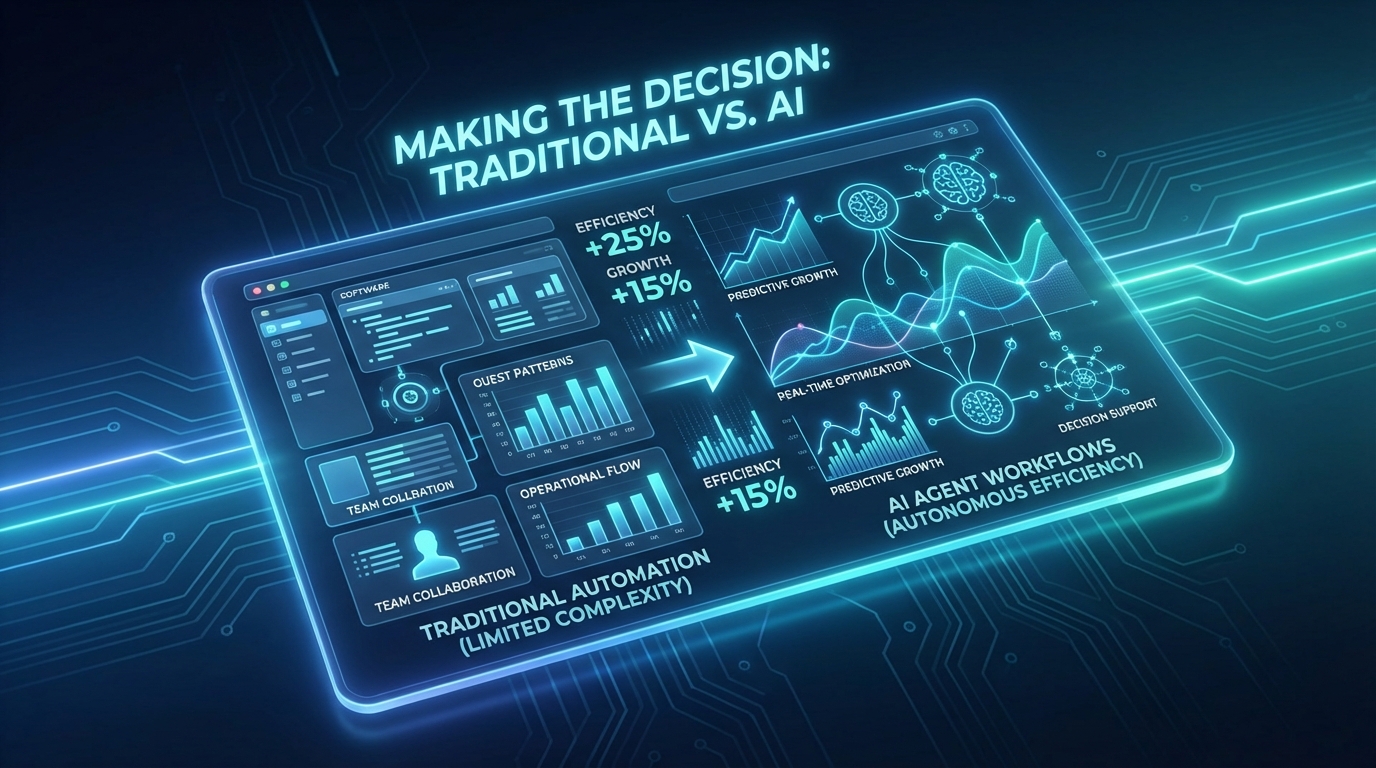
Small-volume nightclubs with predictable guest patterns and limited operational complexity may not need AI agent capabilities. If you handle fewer than 100 reservations weekly, maintain consistent pricing, and run straightforward seating, traditional software works at a lower cost.
Single-location operations with stable staffing and minimal personalization requirements often run effectively with rule-based systems. When guest interactions follow standard scripts and upselling opportunities stay consistent across tables, the adaptive learning benefits may not justify the investment.
Red Flags That Signal Your Nightclub Needs AI Agent Capabilities
No-show rates above 15% indicate that static reminder systems aren’t engaging guests effectively. AI agents personalize timing and channel selection based on individual response patterns, improving confirmation rates by 25% to 40%.
Inconsistent per-table revenue despite similar guest profiles points to missed upsell opportunities. When staff lack real-time insight into guest preferences and spending history, they can’t make targeted recommendations at optimal moments.
Operational bottlenecks during peak hours reveal capacity management problems. If your team manually adjusts seating, struggles with queue prioritization, or can’t respond quickly to cancellations and walk-ins, you’re losing revenue every weekend.
Decision Indicator: Calculate your current cost of manual coordination. If administrative work consumes more than 15 hours weekly across reservation management, guest communication, and staff coordination, AI automation typically delivers positive ROI within 90 days.
Key Metrics to Evaluate Before Implementation
Track baseline performance: reservation conversion rates, average table spend, no-show rates, staff hours spent on administrative tasks. These metrics set ROI benchmarks for measuring impact post-deployment.
Assess data readiness by reviewing your systems’ ability to produce clean historical records of guest transactions, preferences, and operational patterns. Timelines extend when data needs extensive cleanup or manual consolidation.
Evaluate integration complexity by inventorying your current tools. Count separate systems handling reservations, POS transactions, communication, and inventory. More fragmented environments take longer to integrate—but they often benefit most from coordinated automation.
Next Steps for Hospitality Leaders Ready to Explore AI Automation
Start with an operational assessment identifying pain points where intelligent automation creates measurable business value. At Vynta AI, our discovery process maps current workflows, quantifies improvement opportunities, and produces an implementation roadmap tailored to nightclub operations.
Request demonstrations using your real operating scenarios rather than generic examples. Effective AI agents must handle the specific complexity of your reservation patterns, guest demographics, and revenue strategy. We focus on hospitality implementations built around nightclub realities.
Moving from traditional software to AI agents is an investment in operational scale. As guest expectations for personalization rise and labor costs increase, intelligent automation shifts from “nice to have” to competitive requirement. Operators adopting AI capabilities early build compounding gains in guest satisfaction, revenue per table, and team efficiency over time.
Frequently Asked Questions
How do AI agents differ from traditional software for nightclub operations?
Traditional nightclub software follows rigid, rule-based workflows, executing predefined tasks without adapting. AI agents, by contrast, are goal-driven and learn from patterns to achieve objectives like increasing revenue or guest satisfaction. They adapt their approach based on outcomes, offering dynamic solutions that static systems cannot.
Will AI agents replace existing operational software in nightclubs?
AI agents do not replace all existing operational software; instead, they transform and augment it. They integrate with current systems, adding intelligence and automation to make operations more efficient and responsive. This allows traditional tools to become smarter, supporting staff rather than creating manual bottlenecks.
What is the core difference between AI and traditional software in a hospitality setting?
The core difference lies in contextual awareness and adaptability. Traditional software operates on fixed “if-then” logic, requiring manual intervention for exceptions. AI agents possess contextual understanding, learning from data to make real-time decisions and personalize experiences, dynamically adjusting to changing conditions.
How can AI agents help nightclubs increase revenue?
AI agents optimize revenue by maximizing capacity utilization and reducing missed upselling opportunities. They dynamically allocate tables, adjust pricing based on demand, and personalize upsell offers for bottle service or packages. This intelligent automation helps capture revenue that manual processes often miss.
How do AI agents personalize guest experiences in a nightclub?
AI agents analyze guest profiles, past visits, and spending habits to create individualized experiences. They can suggest targeted offers, like premium spirits for returning guests, and coordinate with staff through integrated systems. This ensures guests receive personalized attention and relevant recommendations before and during their visit.
What operational challenges do AI agents address for nightclub managers?
AI agents address complex operational challenges such as reservation management, dynamic table allocation, and real-time capacity management. They automate tasks like confirming bookings and managing waitlists, freeing staff from administrative burdens. This allows managers to focus on delivering a premium guest experience without constant manual coordination.