

Building Your B2B Lead Generation Strategy from Scratch
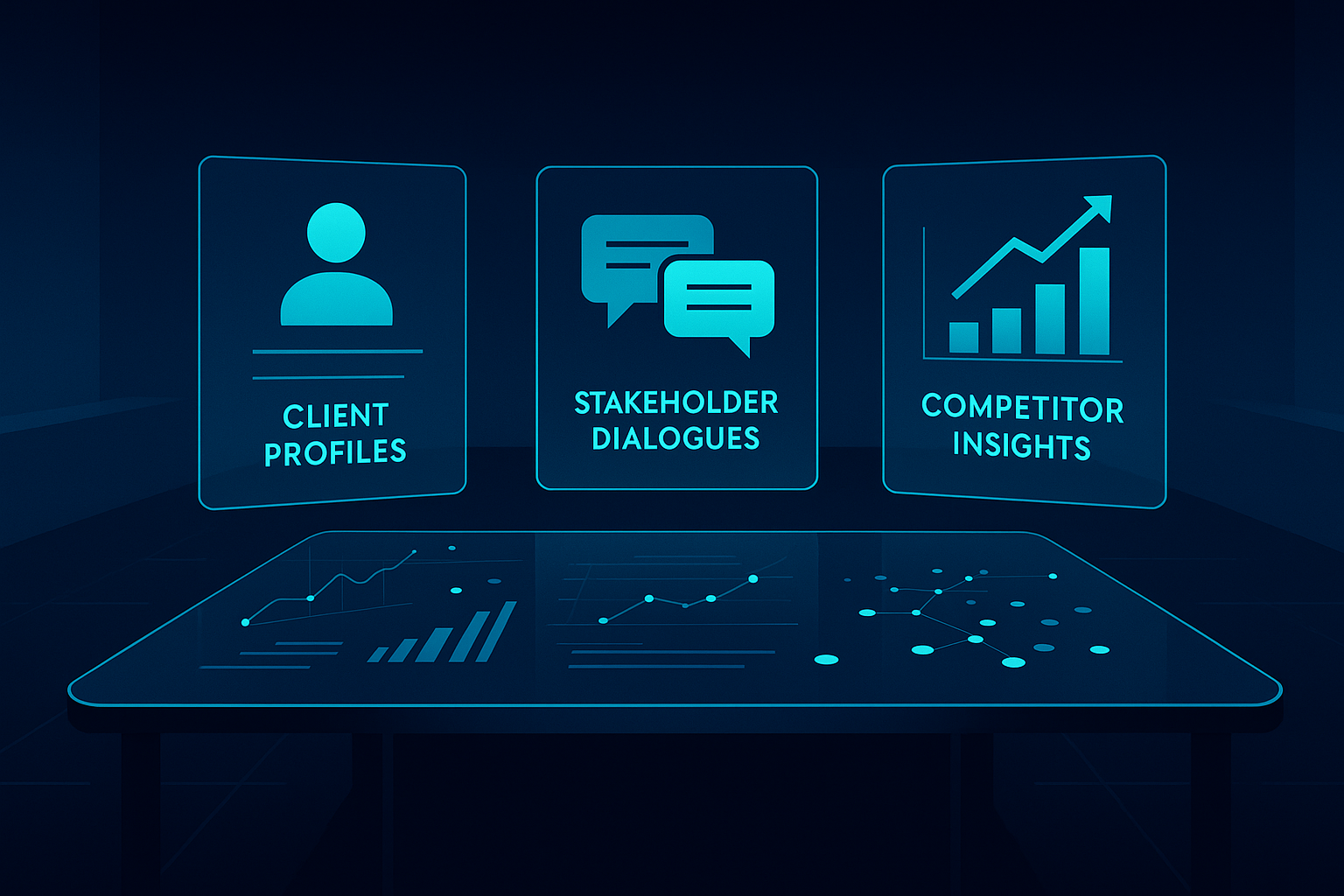
Effective how to get B2B leads strategies begin with precise Ideal Customer Profile (ICP) development. Start with three data sources: existing client analysis, direct stakeholder interviews, and competitive intelligence. Analyze your top 20% of clients by revenue and satisfaction scores—these profiles become your targeting template for similar prospects.
Map your lead generation funnel across five distinct stages: Awareness (content discovery), Interest (engagement tracking), Qualification (criteria matching), Nurturing (relationship building), and Conversion (sales handoff). Each stage requires specific metrics: website traffic and content downloads for awareness, email opens and demo requests for interest, budget confirmation and timeline establishment for qualification.
Track three critical metrics per funnel stage: conversion rate percentage, time-to-progression, and lead quality score. Real estate teams monitor property inquiry-to-appointment rates, recruitment agencies track candidate application-to-interview ratios, fundraising organizations measure donor prospect-to-meeting conversions, and hospitality managers analyze inquiry-to-booking percentages.
Implementation requires systematic data collection and analysis. Maria, managing a boutique hotel, segments prospects into corporate event planners, wedding coordinators, and leisure travel agents. Each segment receives targeted content and personalized outreach sequences, resulting in 40% higher booking conversion rates compared to generic approaches.
Common strategy failures include undefined ICPs, missing qualification criteria, and poor sales-marketing alignment. Solutions involve monthly ICP reviews, automated lead scoring implementation, and shared dashboard creation for real-time pipeline visibility. Teams that address these issues typically see 50% improvement in lead quality within 60 days.
Integration requirements vary by industry but include CRM connectivity, marketing automation platforms, and analytics tracking. Budget 30-90 days for full implementation, including staff training and process optimization. Start with pilot programs targeting your highest-value prospect segments to prove ROI before scaling across all verticals.
Success metrics should align with business outcomes: increased qualified appointments for real estate, reduced time-to-hire for recruitment, higher donor meeting acceptance rates for fundraising, and improved event booking conversion for hospitality. Establish baseline measurements before implementation to demonstrate clear improvement trajectories.
Direct Engagement, Relationship Building & Referral Strategies
Direct engagement generates 5x higher conversion rates than passive lead capture because it builds immediate trust and demonstrates personalized attention. The key lies in timing, relevance, and value delivery during initial contact. Research shows that contacting leads within 3 minutes of inquiry increases conversion probability by 391%. Direct engagement builds trust through immediate responsiveness and demonstrates genuine interest in solving prospect challenges.
Referral strategies amplify lead quality by leveraging existing relationship trust. Real estate agencies implementing structured referral programs see 45% higher close rates compared to cold outreach. The key is creating systematic incentives: offering commission splits to referring agents, providing exclusive market insights to past clients who refer new prospects, or establishing partnership networks with complementary service providers like mortgage brokers and home inspectors.
Successful referral programs require three core components: clear incentive structures, automated tracking systems, and regular relationship maintenance. Maria’s boutique hotel increased corporate bookings by 60% within six months by implementing a referral program targeting local business partners, offering exclusive event packages to companies that referred other businesses for meetings and conferences.
The most effective engagement strategies combine immediate response protocols with value-driven follow-up sequences. This means responding to inquiries within minutes, but also providing industry-specific insights, market data, or process guidance that demonstrates expertise beyond the initial sales conversation.
Relationship building extends beyond individual transactions to create ongoing value exchanges. Recruitment firms that maintain quarterly check-ins with placed candidates often receive referrals for new opportunities, while fundraising organizations that provide regular impact updates to donors see 73% higher retention rates and increased giving over time.
Implementation requires systematic approach: establish response time targets, create value-driven follow-up templates, design referral tracking systems, and schedule regular relationship maintenance activities. The investment in direct engagement infrastructure pays dividends through higher conversion rates and expanded lead networks.
Data-Driven Targeting—Building & Maintaining High-Quality Lead Lists
Effective B2B lead generation starts with precise targeting parameters that filter prospects based on industry-specific criteria. Real estate agencies focus on property transaction history, investment portfolio size, and geographic market activity. Recruitment firms prioritize company growth stage, hiring velocity, and technology stack compatibility. Fundraising organizations segment by giving capacity, cause alignment, and previous donation patterns. Hospitality businesses target corporate travel budgets, event planning frequency, and group booking history.
Lead list hygiene directly impacts conversion rates and operational efficiency. Monthly data cleansing routines should include duplicate removal, email deliverability verification, contact role validation, and company status updates. Automated systems can flag outdated information based on bounce rates, engagement drops, or public company changes, but manual review remains essential for context and relationship preservation.
| Approach | Speed | Accuracy | Cost | Best For |
|---|---|---|---|---|
| Manual List Building | Slow (10-20 leads/hour) | 95%+ verified | High labor cost | High-value prospects |
| Automated Scraping | Fast (1000+ leads/hour) | 60-70% accurate | Low per-lead cost | Volume campaigns |
| AI-Powered Targeting | Medium (100+ leads/hour) | 85-90% qualified | Medium investment | Precision at scale |
The quality versus quantity trade-off requires strategic decision-making based on sales cycle length and deal value. High-ticket industries like real estate and fundraising benefit from smaller, meticulously researched prospect lists, while recruitment and hospitality can leverage broader targeting with automated qualification layers.
Industry-specific CRM systems provide targeted functionality: MLS integration for real estate, ATS connectivity for recruitment, donor management for fundraising, and PMS integration for hospitality. These specialized tools offer pre-built filtering parameters and industry-standard data fields that generic solutions lack.
Recruitment firms can maximize efficiency by leveraging ATS connectivity and automation, ensuring high-quality lead lists and improved placement rates.
Troubleshooting common data quality issues involves establishing verification protocols: cross-referencing contact information across multiple sources, implementing progressive profiling to gather additional data over time, and using enrichment services to fill missing information gaps. Regular list performance analysis helps identify which sources provide the highest-converting prospects, enabling resource allocation optimization.
Personalized Outreach Across Multiple Channels—From Email to LinkedIn
Personalized outreach transforms generic messaging into relevant, value-driven communications that resonate with specific prospect challenges. Effective personalization goes beyond name insertion to include industry references, company-specific insights, role-relevant pain points, and contextual timing. Real estate agents mentioning specific market conditions in the prospect’s area see 340% higher response rates than generic property inquiries.
Multi-channel strategies maximize touchpoint effectiveness while respecting communication preferences. Email sequences provide detailed information sharing, LinkedIn enables professional networking context, phone calls offer immediate dialogue, and direct mail creates physical presence. The key is coordinating messaging across channels to create cohesive narrative progression rather than repetitive bombardment.
Channel-specific optimization requires understanding platform dynamics and user expectations. LinkedIn InMail performs best with industry insight sharing and connection requests, email excels for detailed proposals and resource sharing, phone calls work effectively for urgent decisions and relationship building, while direct mail creates memorable impressions for high-value prospects.
Follow-up sequences require strategic persistence without becoming intrusive. The optimal cadence involves initial contact, value-add follow-up after 3 days, case study or insight sharing after 7 days, and final attempt after 14 days. Each touchpoint should provide new value rather than simply requesting response.
Behavioral triggers enable dynamic personalization based on prospect actions: website visits, email opens, content downloads, or social media engagement. Recruitment firms using behavioral triggers to customize follow-up messaging see 67% higher interview scheduling rates compared to static sequences.
Implementation success depends on systematic execution: create channel-specific templates with personalization fields, establish response tracking systems, automate follow-up scheduling, and regularly analyze performance metrics. Maria’s hospitality business increased corporate event bookings by 35% within a quarter by implementing multi-channel, personalized outreach sequences tailored to event planners’ specific needs and timelines.
Leveraging Content Marketing & SEO for B2B Lead Generation
Content marketing drives 3x more leads than paid search advertising while costing 62% less, making it essential for sustainable B2B growth. The key lies in creating industry-specific content that directly addresses buyer pain points and captures high-intent prospects at the moment they’re researching solutions.
Each vertical requires distinct content formats to maximize conversion. Real estate agencies see highest engagement with market analysis reports and neighborhood guides that position agents as local experts. Recruitment firms generate quality leads through salary benchmarking studies and hiring trend whitepapers that HR directors actively seek. Fundraising organizations build donor pipelines with impact reports and sector-specific case studies that demonstrate measurable outcomes. Hospitality businesses capture corporate clients through venue showcase content and event planning resources.
SEO optimization amplifies content reach by targeting buyer-intent keywords your prospects actually search. Focus on long-tail phrases like “commercial real estate broker downtown Chicago” or “executive recruitment firm fintech industry” rather than generic terms. Structure landing pages with clear value propositions, compelling headlines, and single-focused calls-to-action. Boutique hotels implementing this strategy typically see 25% increases in direct booking inquiries within 90 days.
| Industry Vertical | Top Content Format | Average Conversion Rate | Typical Lead Value |
|---|---|---|---|
| Real Estate | Market Analysis Reports | 4.2% | High – Property Commissions |
| Recruitment | Salary Benchmarking Studies | 3.8% | High – Placement Fees |
| Fundraising | Impact Case Studies | 5.1% | Very High – Donor Lifetime Value |
| Hospitality | Venue Showcase Guides | 6.3% | Medium – Event Bookings |
Gated content captures contact information in exchange for valuable resources. Effective gates include comprehensive industry reports, exclusive webinar access, and tool templates that prospects can immediately implement. The content must deliver genuine value—generic eBooks generate low-quality leads who never convert to customers.
Common content marketing mistakes include over-optimization that sacrifices readability, misaligned content that doesn’t match buyer journey stages, and weak calls-to-action that fail to guide next steps. Successful campaigns maintain consistent publishing schedules, measure engagement metrics beyond traffic, and continuously optimize based on lead quality feedback from sales teams.
For a deeper understanding of the underlying principles, see this overview of lead generation.
Social Media & Community Engagement for B2B Leverage
LinkedIn generates 80% of B2B social media leads, making it the primary platform for professional relationship building and prospect engagement. Success requires strategic participation in industry groups, consistent thought leadership posting, and personalized direct messaging that adds value before asking for meetings.
Industry-specific community engagement drives qualified lead generation through authentic relationship building. Recruitment directors source passive candidates by actively participating in HR professional groups, sharing hiring insights, and building reputation as industry experts. This approach generates 40% higher response rates than cold outreach because prospects already recognize and trust the source.
Complementary platforms expand reach beyond LinkedIn’s professional focus. Facebook Groups serve hospitality businesses connecting with event planners and corporate travel managers. Specialized forums like BiggerPockets for real estate investors or AFP Connect for fundraising professionals offer targeted networking opportunities with highly qualified prospects.
Influencer collaboration amplifies reach and credibility through strategic partnerships with recognized industry voices. Partner with complementary service providers, industry association leaders, or respected consultants to co-create content, host joint webinars, or cross-promote valuable resources. These relationships often generate referral opportunities worth 10x the initial collaboration investment.
Effective social media lead generation requires consistent execution: post 3-5 times weekly with mix of industry insights and company updates, engage meaningfully on others’ content daily, send 10-15 personalized connection requests weekly, and conduct monthly performance reviews to optimize approach based on engagement metrics and lead quality.
For more on how AI is transforming sales and lead generation, read this Harvard Business Review article.
Paid Advertising & Remarketing—Precision Tools for Scalable B2B Lead Acquisition
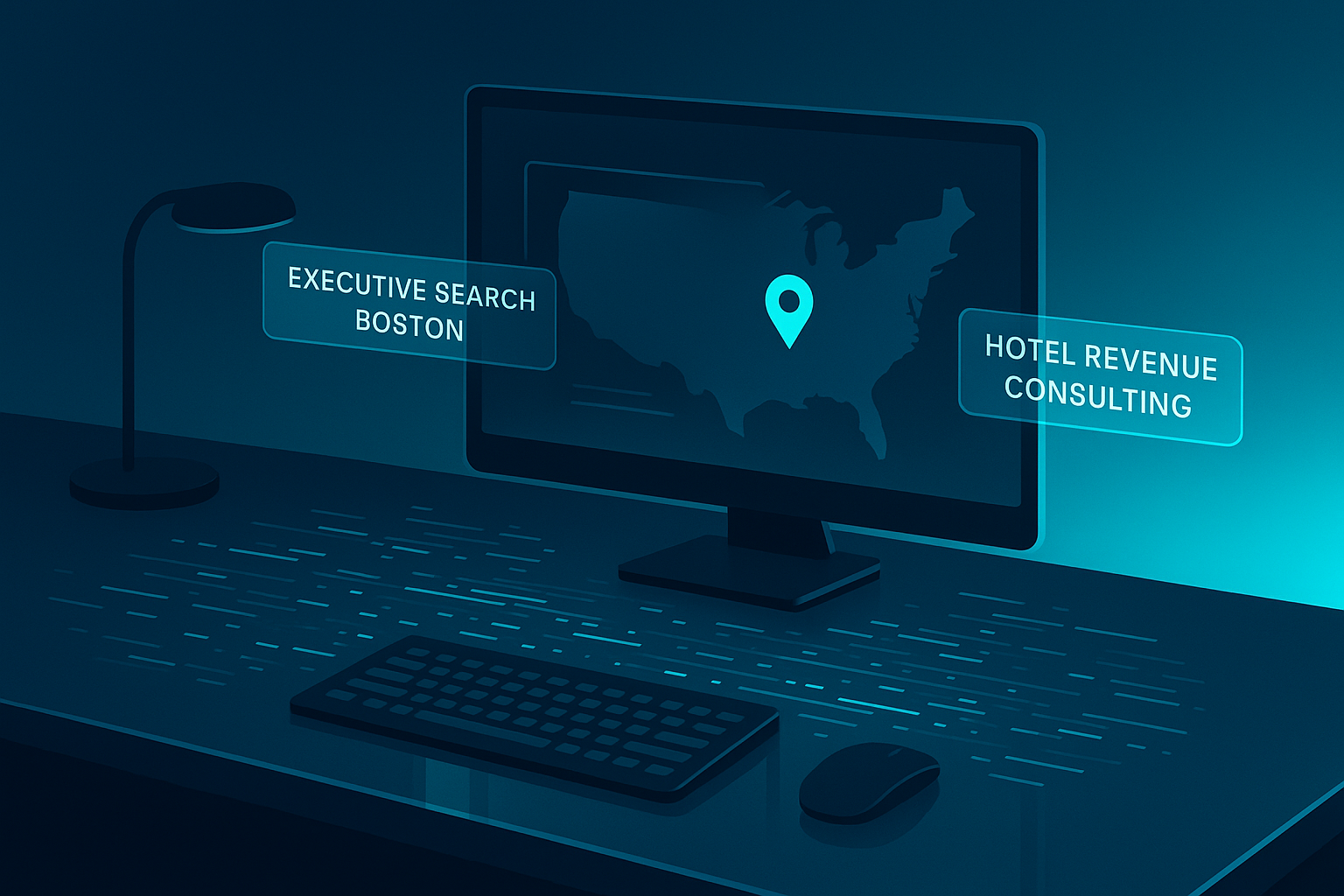
Google Ads targeting high-intent keywords delivers immediate visibility when prospects actively search for solutions. Focus campaigns on specific service + location combinations like “executive search firm Boston” or “hotel revenue management consulting” to capture qualified traffic. Results typically become visible within 2-4 weeks, with lead costs ranging from $50-200 depending on industry competition and geographic targeting.
LinkedIn Ads excel at reaching decision-makers through precise professional targeting options unavailable elsewhere. Target by job title, company size, industry, and even specific companies for account-based marketing campaigns. Sponsored InMail achieves 52% open rates when messages provide genuine value rather than generic sales pitches.
Remarketing recaptures interested prospects who visited your website but didn’t convert initially. Email retargeting sequences nurture these warm leads with relevant content, case studies, and special offers. Dynamic banner ads keep your brand visible as prospects research alternatives. Implementation requires installing tracking pixels, creating audience segments, and developing stage-appropriate messaging that guides prospects toward conversion.
Paid vs. Organic Lead Generation: Paid advertising delivers immediate results and precise targeting but requires ongoing investment. Content marketing builds long-term authority and costs less per lead but takes 6-12 months to generate significant volume. Most successful B2B strategies combine both approaches for optimal pipeline balance.
Low conversion rates signal audience misalignment, weak ad creative, or landing page friction. Regularly review campaign performance, test new messaging, and optimize landing pages for clarity and speed. For hospitality and real estate, highlight unique value propositions and include clear calls-to-action to maximize ROI. Recruitment and fundraising organizations should showcase success stories and measurable outcomes to build trust and drive conversions.
Frequently Asked Questions
How does AI-powered lead generation improve conversion rates and reduce sales cycles in B2B industries?
AI-powered lead generation enhances conversion rates by analyzing intent signals and automating personalized outreach, ensuring prospects receive relevant, timely engagement. This precision shortens sales cycles by up to 40% through faster qualification and nurturing, enabling sales teams to focus on high-potential leads that convert more efficiently.
What are the key differences between B2B and B2C lead generation strategies?
B2B lead generation involves longer decision timelines, multiple stakeholders, and higher financial commitments compared to B2C’s quicker, impulse-driven purchases. As a result, B2B strategies prioritize relationship-building, targeted outreach, and multi-touch nurturing over volume-based tactics typical in B2C.
Why is it important to tailor lead generation approaches for specific industries like real estate, recruitment, fundraising, and hospitality?
Each industry faces unique challenges and buyer behaviors that impact lead quality and conversion. Tailoring lead generation ensures messaging, qualification criteria, and outreach channels align with industry-specific workflows—maximizing ROI and operational efficiency in sectors like real estate, recruitment, fundraising, and hospitality.
How can businesses effectively qualify Marketing Qualified Leads (MQLs) and Sales Qualified Leads (SQLs) to improve lead quality?
Effective qualification combines AI-driven data analysis with human insight to score leads based on engagement, fit, and readiness to buy. Marketing Qualified Leads (MQLs) are nurtured through targeted content until they meet criteria for Sales Qualified Leads (SQLs), who are then prioritized for direct sales engagement—improving conversion rates and resource allocation.
About The Author
Anas Moujahid is the chief contributing writer & Operations Director for the Vynta AI Blog, where he turns cutting-edge AI automation into measurable business outcomes for mid-market companies.
Vynta AI designs enterprise-grade AI agents that augment rather than replace people—freeing teams to focus on higher-value work while the bots handle the busywork.
We specialise in four service-heavy verticals where AI can move the revenue needle fast: real estate, recruitment, fundraising and hospitality.
Anas started his career architecting AI and automation systems; today he leads operations at Vynta AI, making sure every deployment lands real-world ROI—whether that’s more booked viewings for estate agents, faster placements for recruiters, warmer investor pipelines for fundraisers or happier guests for hotels and restaurants.
Vynta AI delivers results by:
- Building industry-specific agents pre-trained on real-world workflows—no generic chatbots here.
- Integrating seamlessly with existing CRMs, ATSs, PMSs and fundraising platforms—zero rip-and-replace.
- Measuring success in business KPIs (lead-to-close rates, time-to-hire, donor retention, RevPAR) not vanity metrics.
- Providing transparent implementation plans so clients know exactly what to expect, when and why.
- Pairing every AI agent with human-in-the-loop controls to keep quality, compliance and brand voice on point.
Since launch, Vynta AI has helped agencies slash lead qualification time by up to 70 %, recruitment firms cut screening hours in half, fundraising teams triple investor touchpoints and hospitality brands lift guest satisfaction scores by double digits—all while keeping human expertise firmly in the loop.
Anas writes with the same ethos that drives Vynta AI: outcome-focused, jargon-free and grounded in real business value. Expect data-backed insights, practical implementation guides and a clear-eyed view of what AI can—and can’t—do for your organisation.