
Key Takeaways
- Artificial intelligence hotels leverage machine learning, natural language processing, and predictive analytics to enhance operations.
- AI automates guest services such as reservation management, dynamic pricing, and multilingual support.
- Predictive maintenance powered by AI helps optimize hotel operations and reduce downtime.
- Implementing AI in hotels results in measurable improvements in guest satisfaction.
- AI-driven strategies increase revenue per available room for hotels.
Table of Contents
- What Is Artificial Intelligence in Hotels?
- Key AI Technologies Empowering Modern Hotels
- The Business Case for AI in Hotels — Measurable Outcomes & ROI
- Transforming the Guest Journey — AI-Powered Experience Innovations
- AI Chatbots & Virtual Concierges
- Operational Efficiency — Automating Hotel Workflows with AI
- Revenue Management & Intelligent Pricing With AI
- Marketing, Direct Bookings, and Guest Retention: AI in Action
- Real-World Case Studies — Leading AI Hotel Use & Integrations
- AI Adoption — Implementation Roadmap, Pitfalls, and Success Factors
- Overcoming Challenges — Risk Management, Privacy, and the Human Touch
What Is Artificial Intelligence in Hotels?
Artificial intelligence hotels use machine learning, natural language processing, and predictive analytics to automate guest services, optimize operations, and personalize experiences. AI handles everything from reservation management and dynamic pricing to multilingual guest support and predictive maintenance—delivering measurable improvements in guest satisfaction and revenue per available room.
Modern hospitality AI combines several core technologies: machine learning algorithms analyze guest behavior patterns to predict preferences and optimize pricing; natural language processing powers multilingual chatbots and voice assistants; predictive analytics forecasts demand and maintenance needs; computer vision enhances security and automates check-in processes. These systems integrate with existing property management systems to create seamless, intelligent operations.
The business impact is substantial. Hotels implementing AI automation report 15-25% increases in direct booking rates, 30-40% reductions in front desk workload, and guest satisfaction scores improving by 8-12 percentage points. AI addresses critical hospitality challenges: scaling personalized service without proportional staff increases, reducing costly no-shows through predictive engagement, and optimizing room allocation based on real-time demand patterns rather than historical averages.
Key AI Technologies Empowering Modern Hotels

Machine learning algorithms form the backbone of revenue optimization in artificial intelligence hotels. These systems analyze booking patterns, seasonal trends, and competitor pricing to automatically adjust room rates in real-time. Advanced implementations can increase RevPAR by 12-18% compared to static pricing models, while simultaneously improving occupancy rates through demand prediction accuracy.
Natural language processing enables sophisticated guest communication automation. Modern NLP systems handle complex, context-aware conversations in multiple languages, managing everything from booking modifications to restaurant recommendations. The technology integrates with existing reservation systems to provide instant, accurate responses while maintaining conversation history for seamless staff handoffs when human intervention becomes necessary.
Predictive analytics transforms operational planning by forecasting maintenance needs, staffing requirements, and resource allocation. Hotels using predictive maintenance report 25-35% reductions in equipment downtime and 20% decreases in maintenance costs. These systems analyze sensor data from HVAC, elevators, and room systems to schedule maintenance before failures occur, ensuring consistent guest experiences.
| AI Technology | Primary Application | Boutique Hotels | Mid-Market Properties |
|---|---|---|---|
| Machine Learning | Dynamic pricing & personalization | Essential for competitive rates | Critical for revenue optimization |
| NLP Chatbots | Guest service automation | 24/7 concierge replacement | Front desk workload reduction |
| Predictive Analytics | Operations & maintenance | Cost control focus | Scale efficiency gains |
| IoT Integration | Smart room management | Premium experience differentiator | Energy cost optimization |
The Business Case for AI in Hotels — Measurable Outcomes & ROI
Revenue impact from AI implementation in hospitality delivers consistent, measurable results across key performance indicators. Hotels deploying comprehensive AI automation report average increases of 22% in upselling conversion rates, 18% improvements in average daily rate through dynamic pricing, and 15% growth in direct booking percentages. Guest satisfaction scores typically improve by 10-15 points within six months of implementation, directly correlating with increased repeat bookings and positive review generation.
A boutique hotel in San Francisco implemented Vynta AI’s reservation and upselling automation, achieving a 48% increase in room upgrade conversions and 22% boost in ancillary revenue per guest. The system automatically identifies upselling opportunities based on guest profiles, booking patterns, and real-time availability, presenting personalized offers at optimal moments throughout the guest journey. Labor costs decreased by 30% for reservation management while response times improved from hours to seconds.
Industry-specific AI solutions significantly outperform generic automation tools in hospitality environments. Purpose-built systems understand hospitality workflows, integrate natively with property management systems, and include pre-trained models for common hotel scenarios. Generic tools require extensive customization, lack hospitality-specific features, and often create operational disruptions during implementation.
ROI Benchmark: Mid-market hotels implementing AI automation achieve payback periods of 8-14 months, with ongoing operational cost reductions of 25-35% in guest service functions and revenue increases of 12-20% through improved pricing and upselling automation.
Vynta AI’s human-in-the-loop approach ensures AI handles routine tasks while preserving the personal touch that defines hospitality excellence. Complex guest requests, emotional situations, and unique circumstances seamlessly escalate to trained staff, maintaining service quality while maximizing efficiency gains. This balanced implementation delivers superior guest experiences compared to fully automated or purely manual approaches.
Transforming the Guest Journey — AI-Powered Experience Innovations
Voice and Smart Room AI
Voice-activated room controls eliminate friction from common guest requests while providing instant service responses. Modern implementations integrate with existing hotel infrastructure, allowing guests to adjust lighting, temperature, and entertainment systems through natural speech commands. Properties report 12-15% increases in guest satisfaction scores and 25% reductions in maintenance calls after deploying voice AI systems.
Successful integration requires strategic vendor selection focusing on hospitality-specific voice models, comprehensive staff training on escalation protocols, and robust privacy controls to ensure guest comfort and compliance. Hotels that invest in these areas see higher adoption rates and improved guest feedback.
AI Chatbots & Virtual Concierges
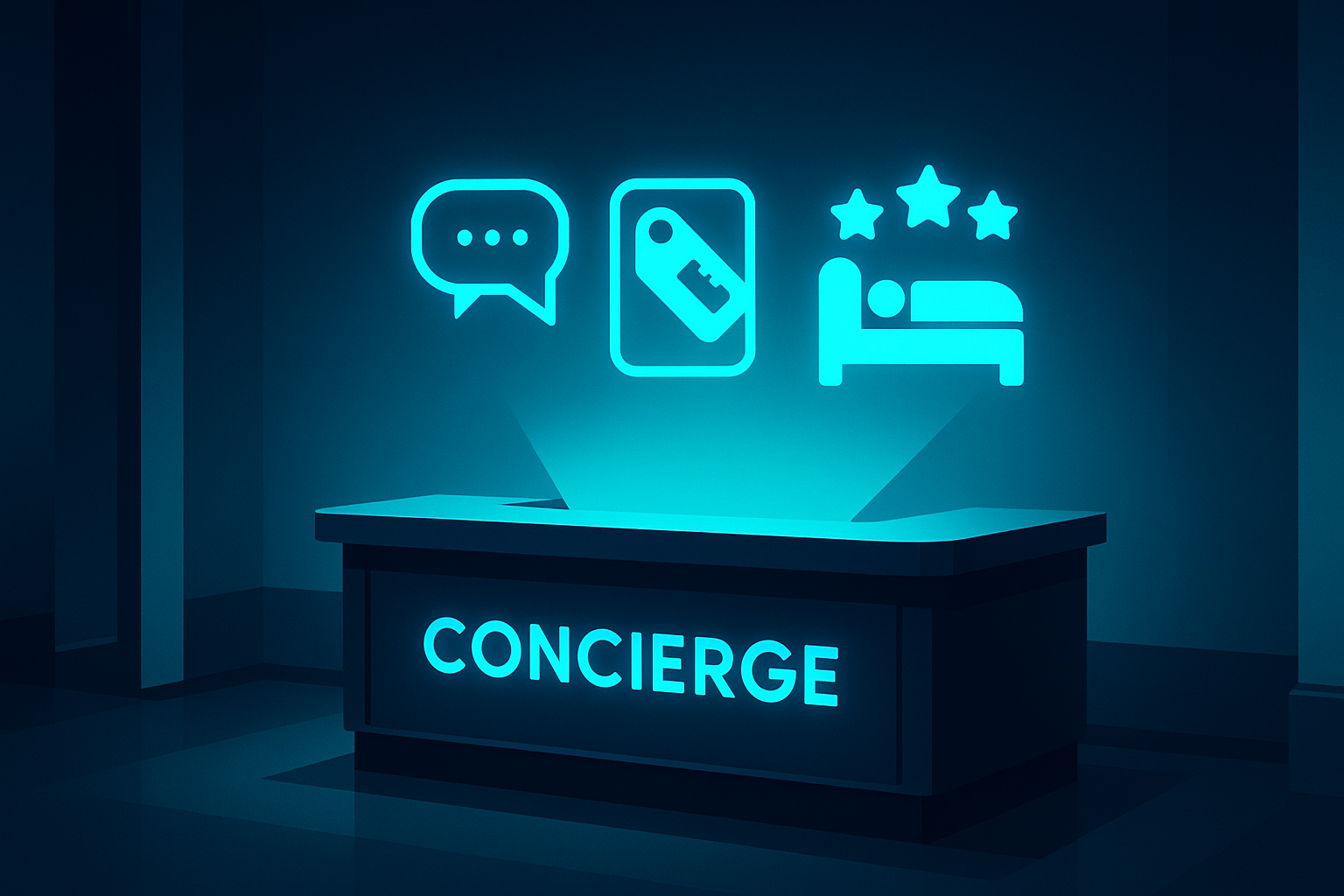
Modern hotel chatbots handle 80% of guest inquiries automatically, providing instant multilingual support across booking modifications, amenity information, and service requests. Unlike generic customer service bots, hospitality-specific AI understands context like room preferences, loyalty status, and local recommendations.
Effective chatbot implementation requires structured escalation protocols. Simple queries—room service hours, WiFi passwords, checkout procedures—remain fully automated. Complex situations involving complaints, special accommodations, or billing disputes immediately transfer to human staff with full conversation context. This hybrid approach reduces average response time from 8 minutes to under 30 seconds while maintaining service quality.
Leading hotels report 35-40% reduction in front desk call volume after deploying virtual concierges, freeing staff for high-value guest interactions. The key differentiator lies in training data—systems trained on hospitality-specific scenarios outperform generic chatbots by 60% in guest satisfaction scores.
Personalized Guest Experiences
AI-driven personalization analyzes guest history, preferences, and real-time behavior to deliver targeted recommendations for dining, spa services, and room upgrades. Advanced systems track patterns like preferred room temperature, pillow types, and dining times to anticipate needs before guests request them.
Implementation success depends on balancing personalization with privacy. Opt-in data collection strategies work best—guests willingly share preferences when they see immediate value. Effective hotels use progressive profiling, gradually building guest profiles through each interaction rather than overwhelming with lengthy initial forms.
Boutique hotels using AI personalization report 25-30% increases in ancillary revenue per guest. The technology excels at identifying upselling opportunities—recommending spa treatments to guests who book extended stays or suggesting room upgrades based on celebration indicators in booking notes.
For a deeper dive into the impact of AI on guest personalization and loyalty, see this analysis on the role of artificial intelligence in hospitality management.
Operational Efficiency — Automating Hotel Workflows with AI
Automated check-in systems reduce guest wait times from an average of 12 minutes to under 3 minutes while enabling 24/7 arrivals. Modern solutions integrate with property management systems, automatically assigning optimal rooms based on guest preferences, availability, and revenue management rules.
Predictive housekeeping algorithms analyze checkout patterns, stay duration, and historical data to optimize room cleaning schedules. This approach reduces housekeeping idle time by 40% and ensures rooms are ready 90 minutes faster than traditional fixed schedules. AI systems also predict maintenance needs, scheduling preventive repairs during low-occupancy periods.
| Process | Manual Method | AI-Automated | Measurable Outcome |
|---|---|---|---|
| Check-in Processing | 12-15 minutes per guest | 3 minutes with mobile/kiosk | 75% time reduction |
| Housekeeping Scheduling | Fixed daily assignments | Dynamic room prioritization | 40% less idle time |
| Maintenance Planning | Reactive repairs | Predictive maintenance alerts | 60% fewer emergency calls |
| Guest Request Routing | Manual call distribution | AI-powered task assignment | 50% faster response times |
Three-step automation implementation for mid-market hotels: First, digitize guest communications through integrated messaging systems (2-3 weeks). Second, deploy predictive housekeeping with PMS integration (3-4 weeks). Third, implement automated maintenance scheduling with IoT sensors (4-6 weeks). This phased approach ensures staff adaptation and system reliability.
Revenue Management & Intelligent Pricing With AI
AI-powered dynamic pricing adjusts room rates in real-time based on demand patterns, competitor analysis, and local events. Unlike static pricing models that update weekly or monthly, intelligent systems make hourly adjustments, capturing revenue opportunities during unexpected demand spikes or filling inventory during soft periods.
Implementation requires integration with booking engines, competitor monitoring tools, and market data feeds. Most hotels see pricing optimization results within 4-6 weeks of deployment. The system learns from booking patterns, identifying optimal price points for different guest segments and booking windows.
| Pricing Model | Update Frequency | Revenue Uplift | Manual Labor Required |
|---|---|---|---|
| Static Seasonal | Monthly adjustments | Baseline | 8-10 hours/week |
| Manual Dynamic | Daily adjustments | 8-12% increase | 15-20 hours/week |
| AI-Powered Dynamic | Real-time adjustments | 18-25% increase | 2-3 hours/week oversight |
Mid-market hotels implementing AI pricing report average revenue per available room increases of 18-25% within the first year. The technology particularly excels during high-demand periods, automatically implementing optimal pricing strategies that human revenue managers might miss due to time constraints or market complexity.
For more on how AI is transforming pricing strategies and operational efficiency in hospitality, read this peer-reviewed study on artificial intelligence applications in hotels.
Marketing, Direct Bookings, and Guest Retention: AI in Action
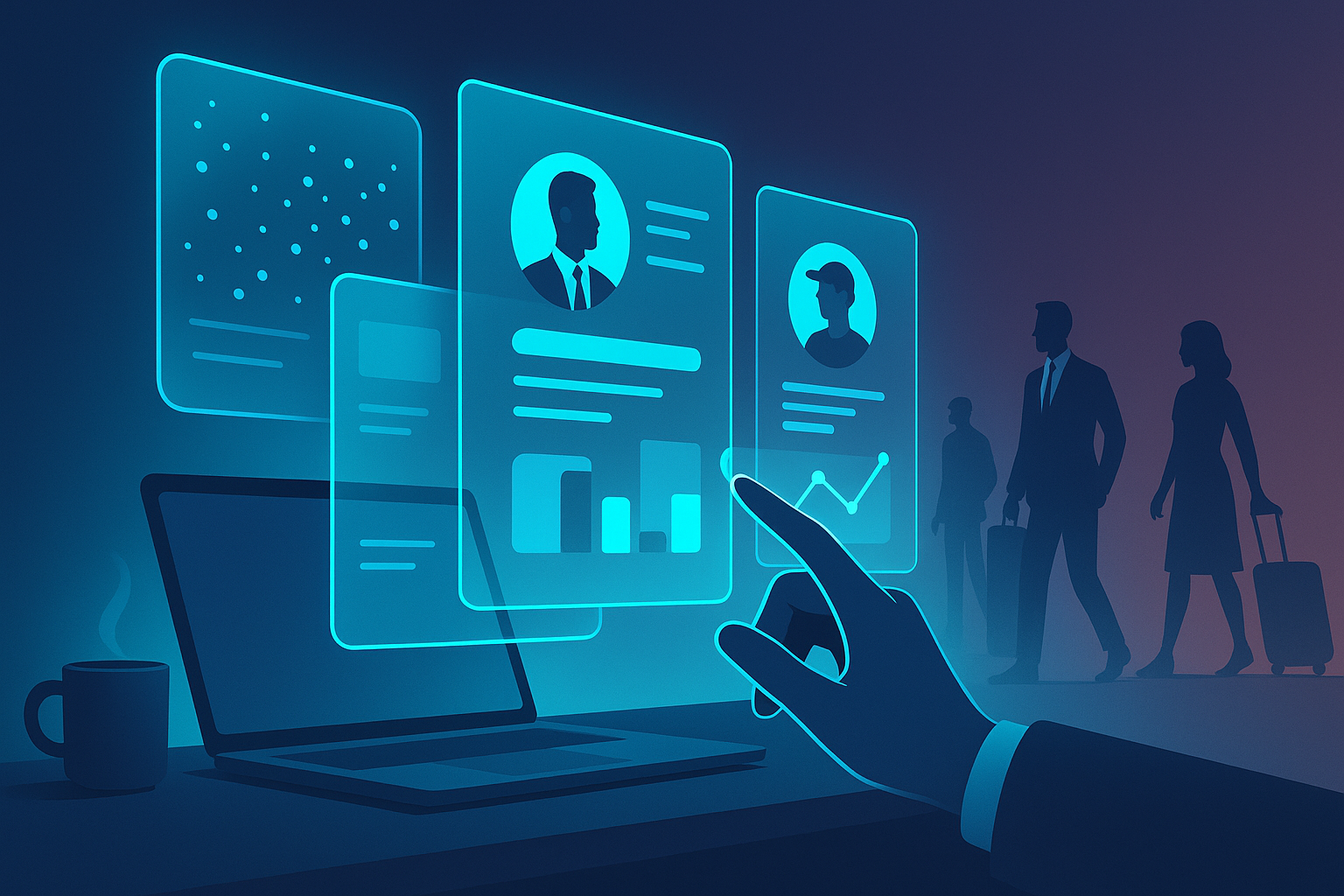
AI-powered guest segmentation transforms hotel marketing from broad campaigns to precise, behavioral targeting. Advanced systems analyze booking patterns, spending habits, and engagement history to create dynamic segments—business travelers who book last-minute, leisure guests who extend stays, or celebration bookers who purchase upgrades. This granular approach increases email open rates by 45% and conversion rates by 30%.
Direct booking optimization uses AI to intercept potential OTA bookings through personalized website experiences and targeted offers. When guests compare prices across platforms, intelligent systems can trigger immediate rate matching or value-added packages—room upgrades, breakfast inclusions, or late checkout—delivered at the optimal moment in the booking journey.
Retention strategies leverage predictive analytics to identify at-risk guests and high-value opportunities. Hotels using AI for loyalty management report 25% increases in repeat bookings by automatically triggering personalized offers based on stay anniversaries, preference changes, or booking behavior shifts. Key performance indicators include direct booking rate improvements of 15-20%, average guest lifetime value increases of 35%, and marketing ROI improvements of 40-60%.
For practical tips on boosting direct bookings and guest retention, explore our guide to AI-powered solutions for hotel marketing and loyalty.
Real-World Case Studies — Leading AI Hotel Use & Integrations
IHG’s deployment of AI-powered smart rooms across 350+ properties demonstrates enterprise-scale artificial intelligence hotels implementation. Their voice-activated room controls and predictive service requests generated 12% improvements in guest satisfaction scores and 18% reduction in service delivery costs. The system learns from 50,000+ daily guest interactions to optimize everything from room temperature preferences to amenity recommendations.
A 45-room boutique hotel in Austin implemented Vynta AI’s hospitality automation platform, focusing on reservation management and guest experience optimization. Within 90 days, they achieved 48% improvement in upselling conversion rates and 22% increase in average guest spend. The human-AI collaboration model maintained personalized service while automating routine tasks—front desk staff now focus on guest relationship building rather than administrative processing.
| Platform | Best For | Integration Speed | ROI Timeline |
|---|---|---|---|
| Vynta AI | Mid-market hotels seeking comprehensive automation | 4-6 weeks | 90 days |
| SiteMinder | Multi-property chains with complex distribution | 8-12 weeks | 6 months |
| Aiosell | Revenue management focused implementations | 6-8 weeks | 4-5 months |
Selection criteria should prioritize hospitality-specific training data, native PMS integration capabilities, and human-AI workflow design. Vynta AI’s industry-focused approach delivers faster implementation and higher guest satisfaction scores compared to generic automation platforms, with dedicated support for hospitality operations rather than one-size-fits-all solutions.
For more real-world examples and best practices, see our in-depth article on AI adoption in the hospitality industry.
AI Adoption — Implementation Roadmap, Pitfalls, and Success Factors
Successful AI implementation follows a structured four-phase approach: needs analysis and vendor selection (2-3 weeks), pilot program with limited scope (3-4 weeks), full system deployment (4-6 weeks), and continuous optimization (ongoing). This timeline assumes mid-market hotels with existing PMS infrastructure and dedicated project management resources.
Integration success depends on prioritizing native connectors over custom APIs. Hotels should pilot with real operational data rather than test environments—actual guest interactions reveal system limitations and staff training needs that sanitized demos miss. Staff adoption improves dramatically when teams see immediate workflow improvements rather than additional complexity.
Common implementation pitfalls include data silos between legacy systems, staff resistance due to inadequate change management, and poor platform fit with existing property management systems. Solutions require middleware integration tools, comprehensive training programs emphasizing job enhancement over replacement, and thorough technical compatibility audits before vendor selection.
Critical Success Factor: Hotels achieving fastest ROI dedicate 40% of implementation time to staff training and workflow redesign, not just technical configuration.
Quick readiness diagnostic: Can your current PMS export guest data in real-time? Do you have reliable WiFi coverage in all guest areas? Is your team comfortable with tablet-based tools? Positive answers to all three indicate strong AI implementation readiness.
Overcoming Challenges — Risk Management, Privacy, and the Human Touch
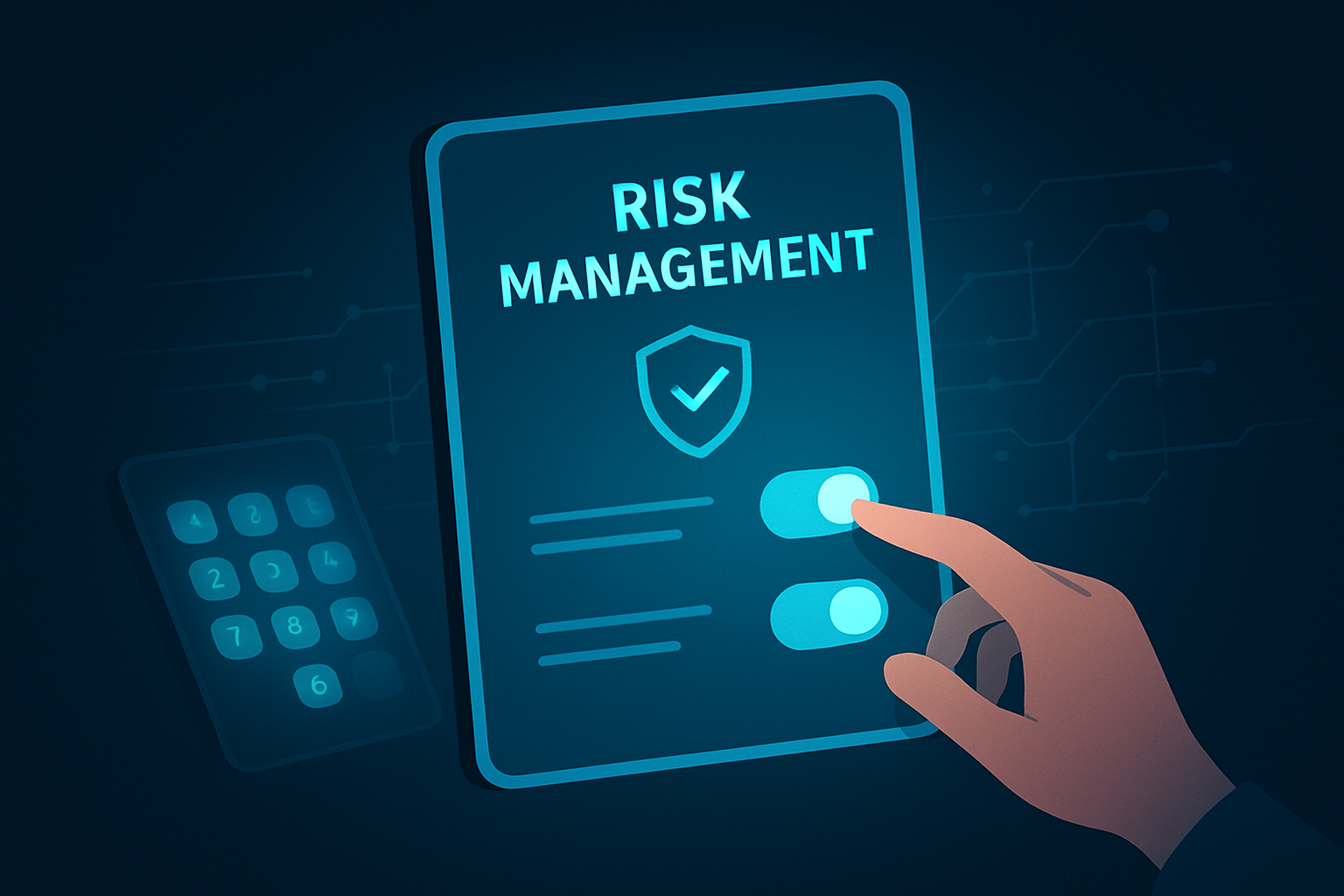
Data privacy compliance requires transparent guest consent mechanisms and granular control over personal information usage. GDPR-compliant implementations use opt-in data collection with clear value propositions—guests share preferences when they receive immediate benefits like room customization or service personalization. Effective privacy policies explain exactly how AI uses guest data and provide easy opt-out mechanisms.
AI bias prevention focuses on diverse training data and regular algorithm auditing. Hospitality-specific challenges include avoiding demographic assumptions in service recommendations and ensuring accessibility across different technological comfort levels. Regular testing with diverse guest profiles identifies potential bias before it affects real interactions.
| Challenge | Risk Level | Mitigation Strategy | Implementation Time |
|---|---|---|---|
| Data Privacy Violations | High | Explicit consent workflows, data minimization | 2-3 weeks |
| PMS Integration Failures | Medium | Vendor compatibility checks, middleware solutions | 2-4 weeks |
| AI Bias in Recommendations | Medium | Diverse training data, regular audits | Ongoing |
| Staff Resistance | Medium | Change management, training programs | 2-6 weeks |
Frequently Asked Questions
How does artificial intelligence improve guest satisfaction and operational efficiency in hotels?
Artificial intelligence enhances guest satisfaction by personalizing experiences through data-driven insights and automating services such as multilingual support and reservation management. Operational efficiency improves as AI reduces front desk workload, optimizes room allocation, and minimizes no-shows, enabling hotels to scale personalized service without proportional increases in staff.
What are the key AI technologies used in hotels and how do they enhance services like pricing and guest communication?
Hotels leverage machine learning for dynamic pricing that adjusts room rates based on demand and competitor analysis, while natural language processing powers chatbots and virtual concierges that provide instant, multilingual guest communication. Predictive analytics forecast demand trends, enabling smarter inventory and marketing decisions that boost direct bookings and guest engagement.
In what ways does predictive maintenance powered by AI reduce downtime and maintenance costs in hotel operations?
AI-driven predictive maintenance analyzes equipment usage and sensor data to anticipate failures before they occur, allowing hotels to schedule timely repairs and avoid costly downtime. This proactive approach reduces emergency maintenance expenses and extends asset lifespan, ensuring smoother operations and better guest experiences.
What measurable business outcomes can hotels expect from implementing AI-driven revenue management and automation?
Hotels adopting AI-driven revenue management typically see 15-25% increases in direct booking rates and 30-40% reductions in front desk workload. Guest satisfaction scores improve by 8-12 percentage points, while dynamic pricing and automated workflows contribute to higher revenue per available room and optimized operational costs.
About The Author
Anas Moujahid is the chief contributing writer & Operations Director for the Vynta AI Blog, where he turns cutting-edge AI automation into measurable business outcomes for mid-market companies.
Vynta AI designs enterprise-grade AI agents that augment rather than replace people—freeing teams to focus on higher-value work while the bots handle the busywork.
We specialise in four service-heavy verticals where AI can move the revenue needle fast: real estate, recruitment, fundraising and hospitality.
Anas started his career architecting AI and automation systems; today he leads operations at Vynta AI, making sure every deployment lands real-world ROI—whether that’s more booked viewings for estate agents, faster placements for recruiters, warmer investor pipelines for fundraisers or happier guests for hotels and restaurants.
Vynta AI delivers results by:
- Building industry-specific agents pre-trained on real-world workflows—no generic chatbots here.
- Integrating seamlessly with existing CRMs, ATSs, PMSs and fundraising platforms—zero rip-and-replace.
- Measuring success in business KPIs (lead-to-close rates, time-to-hire, donor retention, RevPAR) not vanity metrics.
- Providing transparent implementation plans so clients know exactly what to expect, when and why.
- Pairing every AI agent with human-in-the-loop controls to keep quality, compliance and brand voice on point.
Since launch, Vynta AI has helped agencies slash lead qualification time by up to 70 %, recruitment firms cut screening hours in half, fundraising teams triple investor touchpoints and hospitality brands lift guest satisfaction scores by double digits—all while keeping human expertise firmly in the loop.
Anas writes with the same ethos that drives Vynta AI: outcome-focused, jargon-free and grounded in real business value. Expect data-backed insights, practical implementation guides and a clear-eyed view of what AI can—and can’t—do for your organisation.