

With over 70 million verified reviews, booking.com reviews directly influence both guest booking decisions and hotel revenue performance. Every 0.5-point increase in Guest Review Score can boost conversion rates by up to 15%, making review management a critical revenue driver for properties of all sizes.
The platform’s shift from smiley-face ratings to numerical scoring created unprecedented transparency in hotel performance measurement. Guests now make split-second booking decisions based on these scores, while hoteliers face the reality that their online reputation directly impacts search visibility, conversion rates, and bottom-line results. Learn how technology can help you optimize your review strategy.
Understanding this ecosystem requires examining both perspectives: how travelers can decode reviews to make better booking decisions, and how hotel operators can systematically manage their scores to maximize business performance. The stakes are significant, properties scoring above 9.0 convert at rates 3-4 times higher than those below 7.0, with visibility algorithms heavily favoring higher-rated establishments.
Understanding Booking.com’s Review System: From Smiley Faces to Numbers
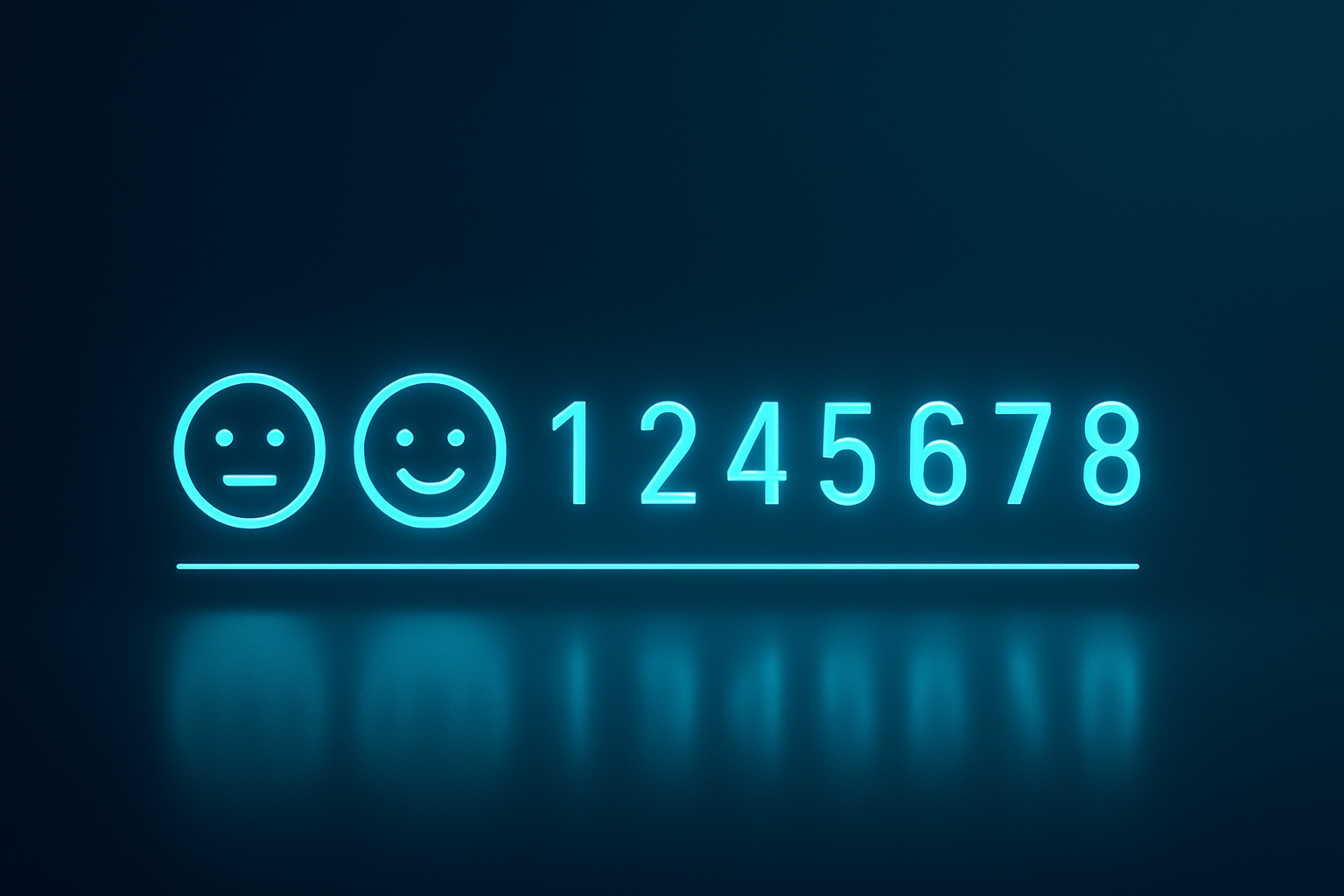
The Evolution of Booking.com’s Scoring Methodology
Booking.com transitioned from smiley-face ratings to the current 1-10 numerical scale to improve transparency and create consistent global standards. This change eliminated cultural interpretation differences where a “neutral” smiley face might mean “acceptable” in one market but “disappointing” in another.
How the 1-10 Rating Scale Actually Works
The scoring system clusters properties into distinct performance bands that directly impact visibility:
- 9.0-10 (Exceptional): Top-tier properties eligible for premium placement and “Guest Favorite” badges
- 8.0-8.9 (Very Good): Strong performers with competitive visibility and conversion rates
- 7.0-7.9 (Good): Acceptable performance but vulnerable to higher-scoring competitors
- Below 7.0 (Problematic): Severe visibility penalties, may not appear in standard search results
Most properties cluster between 7.5-9.0, making small score improvements disproportionately valuable for competitive positioning. Discover how review scores impact real estate and hospitality investments.
Guest Review Score vs Global Review Index (GRI)
The public-facing Guest Review Score differs from Booking.com’s proprietary Global Review Index used for search ranking algorithms. While guests see the averaged numerical score, the GRI incorporates additional factors including review recency, reviewer credibility, and response patterns to create a more sophisticated ranking mechanism that determines actual search placement.
The Six Pillars: Breaking Down Booking.com’s Review Categories
Each booking.com reviews submission evaluates properties across six distinct categories, with guest perceptions in each area contributing to the overall Guest Review Score.
Cleanliness: The Foundation Score
Cleanliness consistently ranks as the most influential category for guest satisfaction, with visible hygiene standards, bathroom condition, and maintenance quality driving scores. Common issues include outdated fixtures, stained linens, and dusty surfaces. Properties can offset weaknesses in other categories, but poor cleanliness scores prove nearly impossible to overcome through other strengths.
Staff: The Emotional Connection Driver
Staff performance encompasses responsiveness, language skills, problem-solving ability, and check-in efficiency. This category offers the highest recovery potential, exceptional staff interactions can offset operational shortcomings and create memorable experiences that drive higher overall scores and detailed positive reviews.
Comfort: Subjective Yet Measurable
Comfort evaluations focus on bed quality, noise levels, temperature control, and shower pressure. Guest perceptions vary significantly based on price point expectations, with budget properties often scoring higher than luxury hotels when comfort delivery exceeds rate-calibrated expectations.
Location: Fixed but Manageable
While proximity to attractions and transport links cannot be changed, location scores can be managed through accurate expectation setting in property descriptions. Properties 2km from city centers can achieve 8.5+ overall scores by excelling in controllable categories to offset lower location ratings.
Facilities: Amenity-Driven Performance
Facilities scoring centers on WiFi speed and reliability, breakfast quality, parking availability, and recreational amenities like pools or fitness centers. The key differentiator lies in matching listed amenities with actual delivery, properties that promise high-speed internet but deliver slow connections face harsh scoring penalties, while those that exceed amenity expectations drive higher satisfaction.
Value for Money: The Price-Performance Equation
Value assessments calibrate guest expectations against rates paid, making this the most price-sensitive category. Budget properties frequently outscore luxury hotels here when they deliver clean, comfortable stays at competitive rates. Seasonal pricing strategies directly impact value perception, with properties charging peak rates needing to justify premium pricing through enhanced service delivery.
| Category | Budget Properties (Typical Range) | Mid-Range Properties (Typical Range) | Luxury Properties (Typical Range) |
|---|---|---|---|
| Cleanliness | 7.8-8.5 | 8.2-9.0 | 8.8-9.5 |
| Staff | 7.5-8.3 | 8.0-8.8 | 8.5-9.3 |
| Comfort | 7.2-8.0 | 7.8-8.6 | 8.4-9.2 |
| Location | 7.0-8.5 | 7.5-9.0 | 8.0-9.5 |
| Facilities | 6.8-7.8 | 7.5-8.5 | 8.2-9.0 |
| Value for Money | 8.0-8.8 | 7.5-8.3 | 7.0-8.0 |
The 36-Month Window: How Booking.com Calculates Your Score
Understanding the Rolling Calculation Period
Booking.com expanded from a 24-month to 36-month review calculation window to provide more stable scoring for properties with moderate review volumes. This change means older negative reviews take longer to naturally fade from calculations, requiring active improvement strategies rather than passive waiting for score recovery. Explore how review data can support fundraising and business growth.
Recency Weighting and Algorithm Impact
Within the 36-month window, newer reviews carry significantly more algorithmic weight than older submissions. A review from the past 3 months influences the score approximately 2-3 times more than a review from 24 months ago, creating opportunities for properties to recover from past performance issues through sustained excellence in recent guest experiences.
Minimum Review Threshold Requirements
Properties need a minimum of 5 verified reviews before receiving a public Guest Review Score, with new properties facing initial visibility challenges until reaching this threshold. The score becomes more reliable and stable after reaching 25+ reviews, when individual submissions have less dramatic impact on overall ratings.
Score Volatility Based on Review Volume
Review volume directly determines score stability: properties with 50 reviews see individual submissions change scores by ±0.2 points, while properties with 500+ reviews experience minimal fluctuation (±0.02 points per review). High-volume properties enjoy more predictable scores, while smaller properties must manage each guest interaction more carefully due to amplified impact. Academic research further explores the impact of online reviews on hotel performance.
The Verification Process: Why Booking.com Reviews Are More Trustworthy Than Most

How Booking.com Verifies Actual Stays
Booking.com’s technical infrastructure ensures only guests who completed confirmed stays can submit booking.com reviews through automated verification linking booking confirmations with property check-in data. This closed-loop system eliminates the fake review problem plaguing open platforms where anyone can submit feedback without proof of actual experience.
The 90-Day Review Window
Guest reviews must be submitted within 90 days of checkout, ensuring feedback reflects recent property conditions rather than outdated experiences. This policy maintains review relevancy and prevents guests from submitting reviews based on faded memories or changed circumstances that no longer represent current property standards.
Anonymous Reviews: Balancing Honesty with Accountability
Booking.com allows guests to choose between displaying their name or remaining anonymous when submitting reviews. Anonymous reviews often provide more honest feedback about sensitive issues like cleanliness or service problems, though they can be harder for properties to contextualize when crafting responses or implementing improvements.
Fraud Detection and Fake Review Prevention
Proprietary algorithms flag suspicious patterns including multiple reviews from identical IP addresses, identical review text across different properties, reviews submitted before checkout dates, and unusual geographic patterns inconsistent with booking data. This systematic approach maintains an estimated fake review rate below industry averages. See how advanced fraud detection can benefit your recruitment and hospitality operations.
Introduction: Why Booking.com Reviews Matter for Hotels and Travelers
In the digital hospitality landscape, booking.com reviews serve as the primary trust signal between properties and potential guests. With over 70 million verified reviews on the platform, these ratings directly influence booking decisions and hotel revenue streams. Every 0.5-point increase in a property’s Guest Review Score can boost conversion rates by up to 15%, making review management a critical business function.
The platform’s evolution from smiley-face ratings to numerical scores reflects the industry’s demand for transparency and precision. Today’s travelers rely heavily on these verified assessments, with 89% of guests reading reviews before booking. For hoteliers, understanding this ecosystem isn’t optional, it’s essential for maintaining visibility in an increasingly competitive marketplace. Learn more about our mission to empower hospitality businesses.
The stakes extend beyond individual bookings. Properties scoring below 7.0 face severe algorithmic penalties, often disappearing from standard search results entirely. Conversely, hotels achieving scores above 9.0 unlock premium placement opportunities and enhanced conversion rates. This dual impact, on guest confidence and platform visibility, makes mastering the review system crucial for sustainable hospitality success.
This comprehensive guide decodes Booking.com’s review methodology from both perspectives: empowering travelers to make informed decisions and equipping hotel operators with strategic management frameworks. You’ll learn to interpret scoring nuances, leverage reviews for competitive advantage, and implement systematic approaches that drive measurable business outcomes. For further insights on digital trust and reputation, check out our upcoming blog resources.
Frequently Asked Questions
How does Booking.com calculate the Guest Review Score and what categories are evaluated?
Booking.com calculates the Guest Review Score as an average of verified guest feedback across six categories: Cleanliness, Staff, Comfort, Location, Facilities, and Value for Money. Each category is rated on a 1-10 scale, and the combined average forms the overall Guest Review Score.
Why do hotels with scores above 8.0 receive better visibility and more bookings on Booking.com?
Hotels scoring above 8.0 gain better visibility because Booking.com’s algorithm favors higher-rated properties, increasing their exposure in search results. This heightened visibility drives more bookings, as guests tend to trust and select accommodations with strong, verified review scores.
What is the significance of the 36-month review window in determining a property’s overall score?
The 36-month review window ensures that a property’s Guest Review Score reflects recent and relevant guest experiences by aggregating reviews from the past three years. This approach balances long-term performance with current service quality, maintaining an accurate and up-to-date reputation.
How did Booking.com’s transition from smiley-face ratings to a numerical scale improve review transparency and consistency?
Switching from smiley-face ratings to a 1-10 numerical scale eliminated cultural interpretation differences and subjective biases, providing a clear, standardized measurement of guest satisfaction. This change enhanced transparency and allowed guests and hoteliers to better understand and compare property performance globally.
About The Author
Anas Moujahid is the chief contributing writer & Operations Director for the Vynta AI Blog, where he turns cutting-edge AI automation into measurable business outcomes for mid-market companies.
Vynta AI designs enterprise-grade AI agents that augment rather than replace people, freeing teams to focus on higher-value work while the bots handle the busywork.
We specialise in four service-heavy verticals where AI can move the revenue needle fast: real estate, recruitment, fundraising and hospitality.
Anas started his career architecting AI and automation systems; today he leads operations at Vynta AI, making sure every deployment lands real-world ROI, whether that’s more booked viewings for estate agents, faster placements for recruiters, warmer investor pipelines for fundraisers or happier guests for hotels and restaurants.
Vynta AI delivers results by:
- Building industry-specific agents pre-trained on real-world workflows, no generic chatbots here.
- Integrating seamlessly with existing CRMs, ATSs, PMSs and fundraising platforms, zero rip-and-replace.
- Measuring success in business KPIs (lead-to-close rates, time-to-hire, donor retention, RevPAR) not vanity metrics.
- Providing transparent implementation plans so clients know exactly what to expect, when and why.
- Pairing every AI agent with human-in-the-loop controls to keep quality, compliance and brand voice on point.
Since launch, Vynta AI has helped agencies slash lead qualification time by up to 70 %, recruitment firms cut screening hours in half, fundraising teams triple investor touchpoints and hospitality brands lift guest satisfaction scores by double digits, all while keeping human expertise firmly in the loop.
Anas writes with the same ethos that drives Vynta AI: outcome-focused, jargon-free and grounded in real business value. Expect data-backed insights, practical implementation guides and a clear-eyed view of what AI can, and can’t, do for your organisation.