
Core Elements of Exceptional Guest Experience
Consistency forms the foundation of memorable hospitality, guests must receive identical service quality regardless of staff schedules, seasonal fluctuations, or operational pressures. Leading properties implement digital checklists ensuring every room meets exact standards, automated confirmation systems responding within three minutes, and standardized service protocols that maintain quality during peak periods or staff transitions.
Creating “wow” moments requires strategic timing and personalization. Pre-arrival automation captures guest preferences and triggers targeted upgrade offers, while AI analyzes optimal moments for in-stay upselling, typically 4-6 hours after check-in when guests have settled but haven’t committed to external dining or entertainment. Post-stay engagement through automated thank-you messages and satisfaction surveys within 24 hours maintains connection when experiences remain fresh in guests’ minds.
Operational reliability eliminates the “blind spots” that damage guest experience. AI monitoring systems identify no-show risks 48 hours before arrival, triggering proactive confirmation outreach. Real-time sentiment analysis of guest communications flags potential issues before they escalate, while automated workflows ensure every guest inquiry receives acknowledgment within five minutes, even during peak periods.
| Experience Element | Guest-Facing KPI | Business Impact |
|---|---|---|
| Response Speed | < 5 minutes acknowledgment | 15% higher satisfaction scores |
| Service Consistency | 90%+ identical experience rating | 12% increase in repeat bookings |
| Personalization Accuracy | 85%+ preference fulfillment | 20% higher upsell conversion |
| Issue Resolution | < 30 minutes for standard requests | 25% reduction in negative reviews |
| Proactive Communication | Pre-arrival contact within 24 hours | 18% boost in direct booking loyalty |
Personalization That Boosts Satisfaction and Revenue
Personalization at scale requires systematic data capture and intelligent automation. Properties achieving 18% higher food and beverage revenue per guest implement AI systems that parse booking communications for dietary restrictions, celebration occasions, and service preferences. This data triggers automatic room assignments, customized welcome amenities, and targeted dining recommendations that feel personal while operating through scalable workflows.
Effective personalization balances automation with human insight. AI identifies optimal timing for service offers, late checkout suggestions perform best 4 hours before departure, spa bookings convert highest on day two of multi-night stays, while staff add personal touches like handwritten welcome notes for VIP guests.
For a deeper understanding of how technology is transforming the hospitality sector, you may find this external resource on digital transformation in hospitality valuable.
Measuring & Managing Guest Experience for Real Results
Effective guest experience management requires tracking specific metrics that directly correlate with revenue and operational efficiency. Properties using systematic measurement approaches see 23% higher guest satisfaction scores and 18% better retention rates compared to those relying on intuition alone.
The most impactful metrics for boutique hotels and upscale restaurants include Net Promoter Score (NPS), guest satisfaction (CSAT), upsell conversion rates, and response time to guest requests. AI-powered systems automatically capture these data points, for instance, automated post-stay surveys deployed within 12 hours of checkout achieve 40% higher response rates than manual follow-ups sent days later.
Real-time feedback collection transforms reactive service recovery into proactive experience enhancement. QR-code micro-surveys placed strategically throughout the property, AI sentiment analysis of online reviews, and automated escalation workflows ensure issues are flagged and resolved within 30 minutes rather than discovered weeks later through review sites.
Key Performance Indicators for Guest Experience:
- Guest Satisfaction Score: Target >92%
- No-show Rate: Maintain <7%
- Upsell Conversion: Aim for 25-35%
- Review Response Time: Within 24 hours
- Repeat Guest Rate: Track quarterly trends
The critical step is closing the feedback loop, linking guest insights to operational changes. When AI identifies recurring complaints about breakfast timing, it triggers an immediate workflow for management review and adjustment. Properties that implement this data-to-action approach see measurable improvements in their guests experience scores within 60 days.
Technology’s Role, AI Automation that Elevates Hospitality Service
AI automation in hospitality works best when it amplifies human capabilities rather than replacing personal service. The most successful implementations focus on four core areas: reservation management, dynamic upselling, 24/7 guest communication, and predictive service recovery. These applications handle routine tasks while freeing staff to deliver memorable personal interactions.
Modern AI systems integrate seamlessly with existing property management systems, CRM platforms, and booking engines without requiring expensive infrastructure overhauls. For example, AI agents can automatically respond to booking inquiries within three minutes, qualify guest preferences, and escalate complex requests to human staff, maintaining response speed while preserving service quality.
| Service Area | Manual Approach | AI-Enhanced Approach | Business Impact |
|---|---|---|---|
| Guest Communication | Staff responds during business hours | 24/7 AI with human escalation | 3x faster response times |
| Upselling | Front desk offers at check-in | Dynamic offers at optimal moments | 25% higher conversion rates |
| Reservation Management | Manual confirmation calls | Automated with no-show prediction | Reduces no-shows by 40% |
| Feedback Collection | Paper surveys or email follow-up | Real-time digital touchpoints | 4x higher response rates |
The key to successful implementation is transparency with guests about where automation is used and maintaining human oversight for complex situations. Properties that clearly communicate their AI-enhanced service approach while ensuring staff remain the primary relationship builders see the highest guest satisfaction improvements, typically 15-20% increases within the first quarter of deployment.
Implementation, From Assessment to Continuous Improvement
Successful guest experience transformation follows a structured five-phase approach that minimizes disruption while maximizing results. The process begins with a comprehensive assessment of current guest touchpoints, identifying specific pain points and opportunities for improvement through data analysis and direct guest feedback.
Phase one involves mapping the complete guest journey from initial inquiry through post-stay follow-up, typically completed within one week. Phase two establishes measurable goals, such as achieving 10% higher guest satisfaction scores or reducing no-show rates by 30% within 60 days. Phase three deploys AI automation in a controlled pilot, often starting with one guest segment or service area to validate effectiveness before full rollout.
Staff training during phase four combines technical system education with enhanced hospitality skills, ensuring team members understand how to work alongside AI tools while maintaining the personal touch that defines exceptional guests experience. The final phase establishes ongoing monitoring and optimization protocols, with monthly performance reviews and quarterly strategy adjustments based on guest feedback and operational metrics.
Common implementation pitfalls include rushing deployment without adequate staff preparation, failing to set clear success metrics, and underestimating the importance of guest communication about new service enhancements. Properties that invest 2-3 weeks in thorough preparation and staff buy-in see 60% faster adoption and significantly better guest reception of new automated services.
Vynta AI’s Approach, Your Strategic Partner for Hospitality Excellence
Vynta AI specializes in hospitality-specific automation that preserves the personal touch while delivering measurable business outcomes. Our AI agents are pre-trained on hospitality workflows, from reservation management and guest communication to upselling optimization and service recovery, enabling rapid deployment without lengthy customization periods.
The Vynta approach emphasizes human-AI collaboration rather than replacement, ensuring your property’s unique character and service standards remain intact while operational efficiency improves dramatically. Implementation includes comprehensive staff training, guest communication templates.
Measuring Guest Experience Success: Key Metrics That Matter
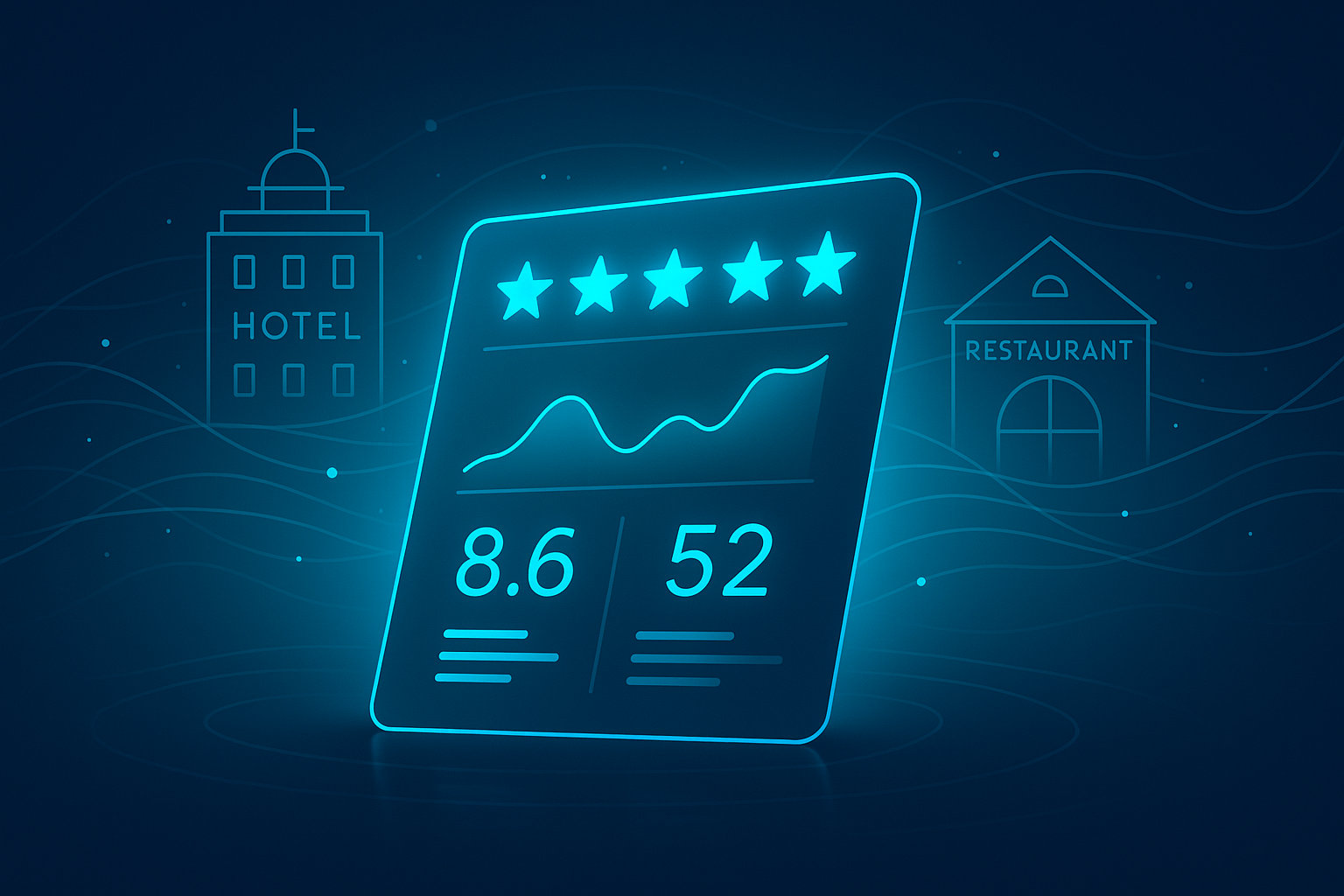
Effective guest experience management requires tracking specific metrics that directly correlate with revenue and operational efficiency. The most successful boutique hotels and upscale restaurants focus on five core measurements: guest satisfaction scores (targeting 90%+), Net Promoter Score (aiming for 50+), direct booking conversion rates, average revenue per guest, and response time to guest inquiries.
Real-time measurement capabilities transform how hospitality managers respond to guest needs. Properties using automated feedback collection see 23% higher response rates compared to traditional post-stay surveys. AI-powered sentiment analysis of guest communications identifies potential issues before they escalate, enabling proactive service recovery that often converts dissatisfied guests into loyal advocates.
Success Benchmark: Properties implementing comprehensive guest experience tracking typically achieve 15-20% increases in guest satisfaction scores within 90 days, directly correlating with 12% higher revenue per available room.
The most effective measurement systems combine quantitative metrics with qualitative insights. Automated post-stay surveys capture satisfaction scores, while AI analysis of guest communications reveals emotional sentiment and specific pain points. This dual approach enables hospitality managers to address both operational inefficiencies and emotional disconnects that impact the overall guests experience.
For a broader perspective on the principles of hotel management, you can review this authoritative overview.
AI Automation: Enhancing Rather Than Replacing Human Touch
Modern hospitality automation focuses on amplifying human capabilities rather than replacing personal service. AI handles routine inquiries, reservation confirmations, and preference tracking, freeing staff to focus on high-value interactions that create memorable guest experiences. This strategic division of labor improves both operational efficiency and service quality.
The most successful implementations integrate AI seamlessly into existing workflows. Guest messaging systems powered by AI can handle 70% of routine inquiries instantly, while complex requests automatically route to appropriate staff members with full context. This approach reduces response times from hours to minutes while ensuring guests receive personalized attention when needed.
Revenue optimization through AI-driven upselling has proven particularly effective in boutique properties. Automated systems analyze guest preferences, booking patterns, and real-time availability to suggest relevant upgrades and services at optimal moments. Properties report 18-25% increases in ancillary revenue without aggressive sales tactics that might compromise the guest experience in restaurant and hotel settings.
| Capability | Manual Approach | AI-Enhanced Approach | Business Impact |
|---|---|---|---|
| Guest Inquiry Response | 2-4 hours average | Under 3 minutes, 24/7 | Higher satisfaction, reduced staff overtime |
| Upselling Opportunities | Inconsistent, timing-dependent | Personalized, optimal timing | 20-30% increase in ancillary revenue |
| Preference Tracking | Manual notes, often lost | Automated capture and application | Improved personalization at scale |
| Issue Identification | Reactive, post-complaint | Proactive, sentiment-based | Higher recovery rates, fewer negative reviews |
To explore more about the future of AI in hospitality, check out our in-depth analysis on AI-driven guest experience solutions.
Implementation Roadmap: From Assessment to Results
Successful guest experience transformation follows a structured approach that minimizes disruption while maximizing impact. The process begins with comprehensive assessment of current guest touchpoints, identifying specific areas where automation can enhance service delivery without compromising the property’s unique character.
Phase one involves mapping the complete guest journey from initial inquiry through post-stay follow-up. This analysis reveals bottlenecks, inconsistencies, and missed opportunities for personalization. Properties typically discover 8-12 specific touchpoints where AI automation can improve response times, consistency, or personalization without requiring significant operational changes.
Implementation phases progress systematically: automated guest communications launch first, followed by reservation management optimization, then advanced personalization features. This staged approach allows staff to adapt gradually while guests experience immediate improvements in service responsiveness. Most properties see measurable improvements in guest satisfaction within the first 30 days.
Staff training focuses on collaboration with AI systems rather than replacement of existing skills. Team members learn to leverage automated insights for more personalized service delivery, use AI-generated guest preference data for proactive service, and escalate complex situations efficiently. This approach maintains the human elements that define exceptional hospitality while eliminating routine tasks that consume valuable time.
For practical tips on implementing automation in boutique hotels, read our guide on hospitality automation best practices.
Vynta AI: Purpose-Built for Hospitality Excellence

Vynta AI’s hospitality automation platform addresses the specific challenges faced by boutique hotels and upscale restaurants. Unlike generic automation tools, our solution understands hospitality workflows, guest communication patterns, and revenue optimization opportunities unique to the industry. The platform integrates seamlessly with existing property management systems and reservation platforms.
Our AI agents handle guest communications with hospitality-specific context, understanding the nuances of service requests, dietary restrictions, and preference management. The system maintains detailed guest profiles that enhance personalization across multiple stays, while automated upselling suggestions align with property positioning and guest preferences.
Why Vynta AI Leads in Hospitality Automation:
- Industry-specific AI training for hospitality contexts and terminology
- Seamless integration with major PMS and reservation systems
- Human-in-the-loop design maintains personal service standards
- Real-time guest sentiment analysis and proactive service recovery
- Comprehensive staff onboarding and ongoing optimization support
Frequently Asked Questions
How does personalized service automation impact revenue and operational costs in boutique hotels and upscale restaurants?
Personalized service automation enables boutique hotels and upscale restaurants to increase revenue per guest by 15-20% through tailored experiences that drive upselling and repeat visits. At the same time, it reduces operational costs by up to 30% by streamlining communication, minimizing no-shows, and optimizing staff workload.
What are the key metrics hospitality businesses should track to measure guest experience success beyond traditional occupancy rates?
Hospitality businesses should focus on guest lifetime value, Net Promoter Scores (NPS), experience consistency across touchpoints, and direct booking rates. These metrics provide a clearer picture of customer loyalty, satisfaction, and revenue impact than occupancy rates alone.
In what ways can AI-driven guest experience management enhance both customer satisfaction and staff efficiency without replacing the human touch?
AI-driven guest experience management augments staff by automating routine tasks like personalized communication and reservation management, allowing employees to focus on high-touch interactions. This balance improves customer satisfaction through consistent, real-time personalization while reducing staff workload and operational inefficiencies.
Why is guest experience now considered more important than location or amenities in determining a property’s profitability?
Guest experience drives profitability by creating a compounding effect of positive reviews, higher direct bookings, and premium pricing power. Properties with exceptional guest satisfaction scores generate significantly more revenue, as personalized, consistent service influences guest loyalty and reduces customer acquisition costs more than location or amenities alone.
About The Author
Anas Moujahid is the chief contributing writer & Operations Director for the Vynta AI Blog, where he turns cutting-edge AI automation into measurable business outcomes for mid-market companies.
Vynta AI designs enterprise-grade AI agents that augment rather than replace people, freeing teams to focus on higher-value work while the bots handle the busywork.
We specialise in four service-heavy verticals where AI can move the revenue needle fast: real estate, recruitment, fundraising and hospitality.
Anas started his career architecting AI and automation systems; today he leads operations at Vynta AI, making sure every deployment lands real-world ROI, whether that’s more booked viewings for estate agents, faster placements for recruiters, warmer investor pipelines for fundraisers or happier guests for hotels and restaurants.
Vynta AI delivers results by:
- Building industry-specific agents pre-trained on real-world workflows, no generic chatbots here.
- Integrating seamlessly with existing CRMs, ATSs, PMSs and fundraising platforms, zero rip-and-replace.
- Measuring success in business KPIs (lead-to-close rates, time-to-hire, donor retention, RevPAR) not vanity metrics.
- Providing transparent implementation plans so clients know exactly what to expect, when and why.
- Pairing every AI agent with human-in-the-loop controls to keep quality, compliance and brand voice on point.
Since launch, Vynta AI has helped agencies slash lead qualification time by up to 70 %, recruitment firms cut screening hours in half, fundraising teams triple investor touchpoints and hospitality brands lift guest satisfaction scores by double digits, all while keeping human expertise firmly in the loop.
Anas writes with the same ethos that drives Vynta AI: outcome-focused, jargon-free and grounded in real business value. Expect data-backed insights, practical implementation guides and a clear-eyed view of what AI can, and can’t, do for your organisation.