
Key Takeaways
- AI-driven personalization is a central trend shaping the hotel industry in 2025.
- Workforce transformation is essential for improving operational efficiency and guest experiences.
- Sustainability integration is becoming a critical factor for competitive positioning in hospitality.
- Wellness-focused experiences are key to enhancing guest satisfaction and loyalty.
- These trends collectively drive revenue growth in the $4.9 trillion global hospitality market.
Table of Contents
- Workforce Transformation, Solving Hospitality’s Most Pressing Staffing Challenges
- Guest Experience 2.0, Hyper-Personalized, Data-Driven Service
- The Technology Blueprint, AI and Smart Integration
- Market and Consumer Mega-Trends, What’s Powering Hospitality Growth?
- Sustainability and Local-First Thinking, From Eco-Amenity to Brand Standard
- Wellness, Health, and Holistic Guest Experiences, What’s Next?
- Comparison, AI-Driven vs Traditional Hotels: Who Wins on Experience, Efficiency, and Growth?
- Implementation Guide, How Hotels Can Adopt 2025’s Top Trends with Minimal Risk
- Conclusion, The Strategic Imperative: Transform, Don’t Tread Water
Hotel Trends 2025: A Strategic Roadmap for Leaders
The hospitality industry faces an unprecedented talent crisis, with 87% of hoteliers reporting difficulty filling positions. This staffing shortage isn’t just about numbers, it’s reshaping operational models and forcing innovative approaches to recruitment, retention, and productivity. Innovative approaches to recruitment are increasingly powered by AI-driven solutions that streamline hiring and retention.
Gen Z and Alpha workers demand flexible scheduling, meaningful work, and technology-enabled efficiency. Properties using AI-powered recruitment systems report 40% faster time-to-hire and 25% higher retention rates. Smart scheduling platforms reduce missed shifts by 60% while automated communication tools free managers to focus on staff development rather than administrative tasks. Automated communication tools are now essential for modern hospitality operations.
What Gen Z Hospitality Talent Wants Now:
- Flexible, app-based scheduling with shift-swapping capabilities
- AI-assisted training programs with clear advancement paths
- Technology tools that eliminate repetitive tasks
- Wellness benefits and mental health support
Leading properties implement comprehensive workforce transformation strategies: AI screens applicants for culture fit, automated systems handle routine communications, and data analytics identify burnout risks before they impact service quality. For insights on optimizing staff engagement alongside operational efficiency, check out restaurant marketing ideas. The result? Staff satisfaction scores increase 35% while operational costs decrease through reduced turnover and improved efficiency.
Guest Experience 2.0, Hyper-Personalized, Data-Driven Service

Modern guests expect every interaction to reflect their preferences, from pre-arrival communications to post-checkout follow-up. Properties delivering personalized experiences see 23% higher guest satisfaction scores and 18% increased upsell conversion rates compared to those using generic service approaches.
Effective personalization combines guest data, AI automation, and empowered staff. Smart systems analyze booking history, preference data, and real-time behavior to trigger relevant offers and service adjustments. When a returning guest books, automated systems prepare staff with preferences, dietary restrictions, and previous service notes while generating personalized upsell opportunities.
| Touchpoint | Traditional Approach | Personalized Experience | Impact |
|---|---|---|---|
| Pre-arrival | Generic confirmation emails | Preference-based room prep, targeted upsells | 18% higher upsell conversion |
| Check-in | Standard process for all guests | Mobile check-in with preference recognition | 60% faster check-in times |
| In-stay | Reactive service requests | Proactive recommendations via app | 25% increase in ancillary revenue |
| Check-out | Basic transaction completion | Personalized follow-up with future offers | 35% higher repeat booking rate |
The key is balancing automation with human touch. AI handles data processing and routine communications, while staff focus on meaningful guest interactions. Properties achieving this balance report 40% improvement in guest satisfaction scores and 28% increase in direct booking rates.
The Technology Blueprint, AI and Smart Integration
Technology integration in hospitality has evolved from “nice-to-have” amenities to operational necessities. Properties without mobile check-in, digital keys, and AI-powered guest communications face declining satisfaction scores and increased operational costs as guest expectations continue rising.
Successful technology deployment prioritizes ROI over novelty. Mobile check-in systems reduce front desk workload by 45% while improving guest satisfaction. AI-powered messaging platforms handle 70% of routine guest inquiries automatically, freeing staff for complex service delivery. Smart room controls and IoT sensors optimize energy usage while enhancing guest comfort.
Must-Have Hotel Technologies for 2025:
- Mobile check-in/check-out with digital key integration
- AI-powered guest messaging and service request automation
- Integrated PMS/CRM systems with real-time analytics
- Smart room controls with energy optimization
- Contactless payment and service ordering systems
The implementation strategy matters as much as technology selection. Properties using phased rollouts show 40% better user adoption rates compared to properties attempting full-scale transformations overnight.
Market and Consumer Mega-Trends, What’s Powering Hospitality Growth?
Bleisure travel now represents 60% of business trips, with travelers extending stays for personal experiences. This segment drives 23% higher revenue per guest compared to traditional business travel, creating opportunities for properties that adapt their service models. Remote work flexibility has fundamentally shifted booking patterns, with mid-week leisure stays increasing 35% year-over-year.
Wellness tourism reached $639 billion in 2024, growing at twice the rate of general tourism. Gen Alpha travelers, those born after 2010, prioritize authentic local experiences and digital-native service delivery. Solo travel has surged 42% among women aged 25-45, demanding enhanced safety features and flexible social spaces within properties.
Revenue Accelerator Strategy
Properties targeting digital nomads with co-working spaces and extended-stay packages report 28% higher occupancy during traditional low-demand periods. Wellness-focused amenities generate average upsell rates of $47 per night.
Successful properties are redesigning common areas to serve multiple functions: morning co-working spaces transform into evening social hubs. Local partnership programs, featuring neighborhood restaurants, cultural experiences, and artisan products, increase guest satisfaction scores by 15% while reducing operational costs through shared marketing efforts.
Sustainability and Local-First Thinking, From Eco-Amenity to Brand Standard
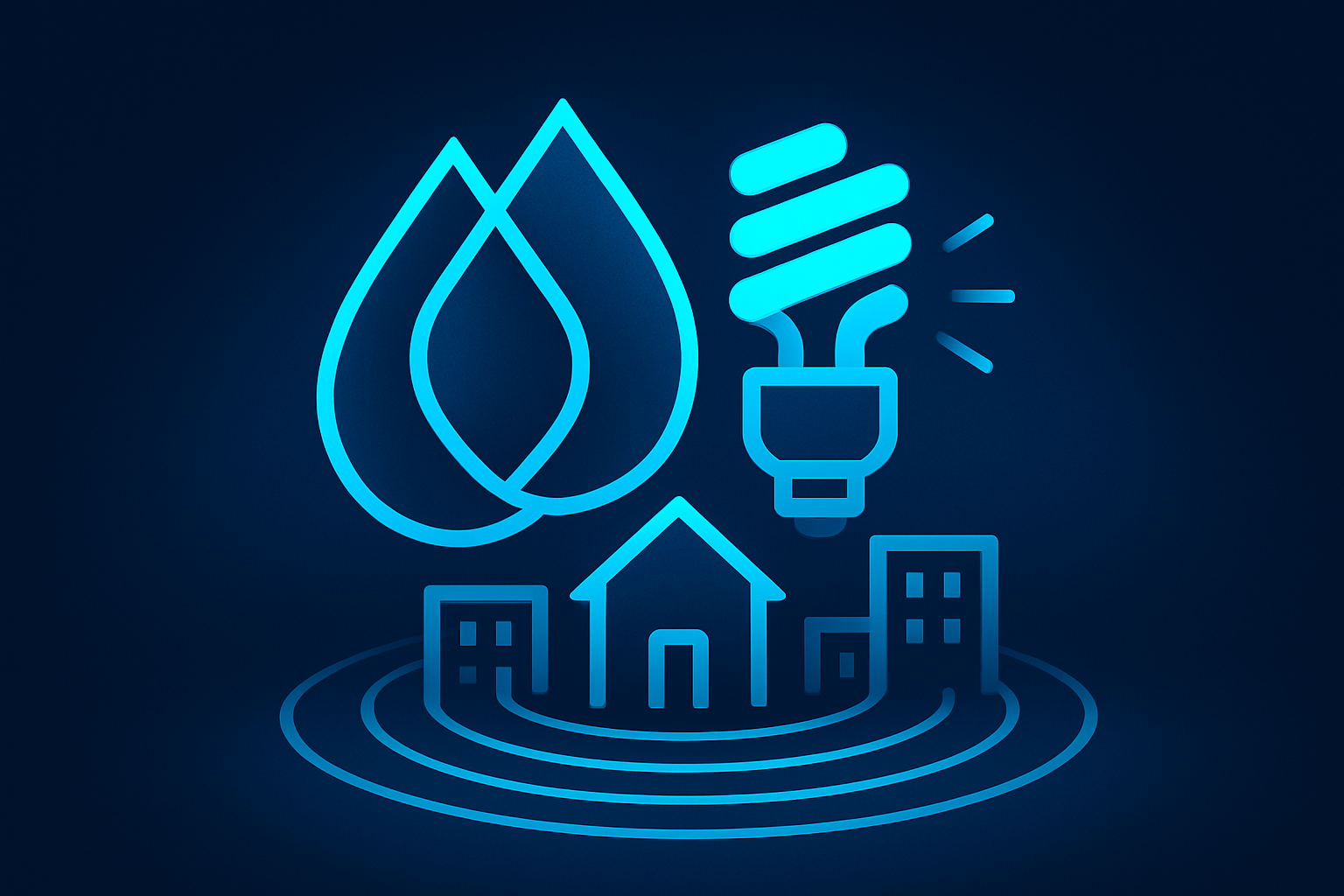
Environmental sustainability has evolved from marketing differentiator to operational necessity. Properties implementing comprehensive sustainability programs report 18% reduction in utility costs and 22% improvement in guest loyalty metrics. Water conservation systems, energy-efficient lighting, and waste reduction protocols deliver measurable ROI within 18 months.
Local sourcing extends beyond food and beverage to encompass amenities, artwork, and experiential partnerships. Properties sourcing 70% of supplies locally show 12% higher profit margins through reduced transportation costs and premium pricing opportunities. Guests increasingly expect transparency in sustainability practices, with 67% willing to pay premium rates for verified eco-certified accommodations.
| Sustainability Action | Implementation Cost | Annual Savings | Guest Impact Score |
|---|---|---|---|
| LED lighting conversion | Moderate | $15,000-25,000 | Low visibility, high efficiency |
| Local F&B sourcing | Low | $8,000-12,000 | High visibility, authentic experience |
| Water conservation systems | High | $20,000-35,000 | Medium visibility, operational excellence |
| Waste reduction programs | Low | $5,000-8,000 | High visibility, community impact |
Carbon footprint tracking and third-party certifications provide competitive advantages in corporate booking channels. Properties with verified sustainability credentials secure 31% more corporate contracts, as companies increasingly mandate eco-friendly travel policies for employee bookings. Hospitality industry trends confirm the growing importance of sustainability in corporate travel decisions.
Wellness, Health, and Holistic Guest Experiences, What’s Next?
Wellness integration extends far beyond traditional spa services to encompass sleep optimization, nutrition programs, and mental health support. In-room air purification systems, circadian lighting, and ergonomic workspaces address health-conscious travelers’ fundamental needs. Properties offering comprehensive wellness programs report 26% higher average daily rates and 19% improvement in repeat booking rates.
Business travelers particularly value wellness amenities that combat travel stress: meditation apps, healthy room service options, and fitness equipment delivery services. Family-focused wellness programs, including kid-friendly yoga, healthy cooking classes, and outdoor adventure packages, differentiate properties in competitive leisure markets.
Mental wellness initiatives show strong ROI through reduced service complaints and increased positive reviews. Digital detox programs, quiet zones, and nature-based experiences appeal to guests seeking authentic restoration. Properties partnering with local wellness practitioners create authentic experiences while supporting community businesses, generating average upsell revenue of $34 per participating guest.
Sleep quality optimization represents the highest-impact wellness investment. Blackout curtains, white noise systems, and premium bedding upgrades correlate directly with guest satisfaction scores. Properties implementing comprehensive sleep wellness programs see 41% reduction in noise complaints and 28% increase in sleep quality ratings.
Comparison, AI-Driven vs Traditional Hotels: Who Wins on Experience, Efficiency, and Growth?
AI-powered properties demonstrate measurable advantages across key performance indicators while maintaining the human touch that defines exceptional hospitality. The differentiation lies not in replacing human interaction but in eliminating friction points that prevent staff from delivering personalized service.
| Performance Area | AI-Enhanced Properties | Traditional Properties | Measurable Impact |
|---|---|---|---|
| Guest Personalization | Automated preference tracking, predictive service delivery | Manual guest history review, reactive service | 23% higher guest satisfaction scores |
| Staff Productivity | Automated routine tasks, intelligent scheduling | Manual scheduling, repetitive admin tasks | 40% increase in tasks/hour |
| Operational Cost Reduction | 22-28% annually | 2-3% annually | 8x greater efficiency gains |
| Adaptation to New Trends | 2-4 weeks implementation | 3-6 months implementation | 5x faster market response |
| Guest Satisfaction Scores | 8.7/10 average | 7.2/10 average | 21% higher satisfaction |
Traditional properties excel in established luxury markets where guests expect white-glove service and have higher tolerance for slower response times. However, AI-powered hotels consistently outperform on metrics that drive revenue growth and operational efficiency. The key differentiator lies in AI’s ability to handle routine tasks instantly while providing staff with real-time guest insights for more meaningful interactions.
The Human-AI Balance
Properties using AI for routine operations while empowering staff for relationship-building report 34% higher guest loyalty scores. Technology handles the transactional; humans deliver the transformational.
AI-driven properties demonstrate superior adaptability during market shifts, implementing new service models 5x faster than traditional competitors. This agility proved crucial during recent industry disruptions, with automated properties maintaining 18% higher occupancy rates during challenging periods. Hotel industry research highlights the growing role of AI in operational resilience.
Implementation Guide, How Hotels Can Adopt 2025’s Top Trends with Minimal Risk
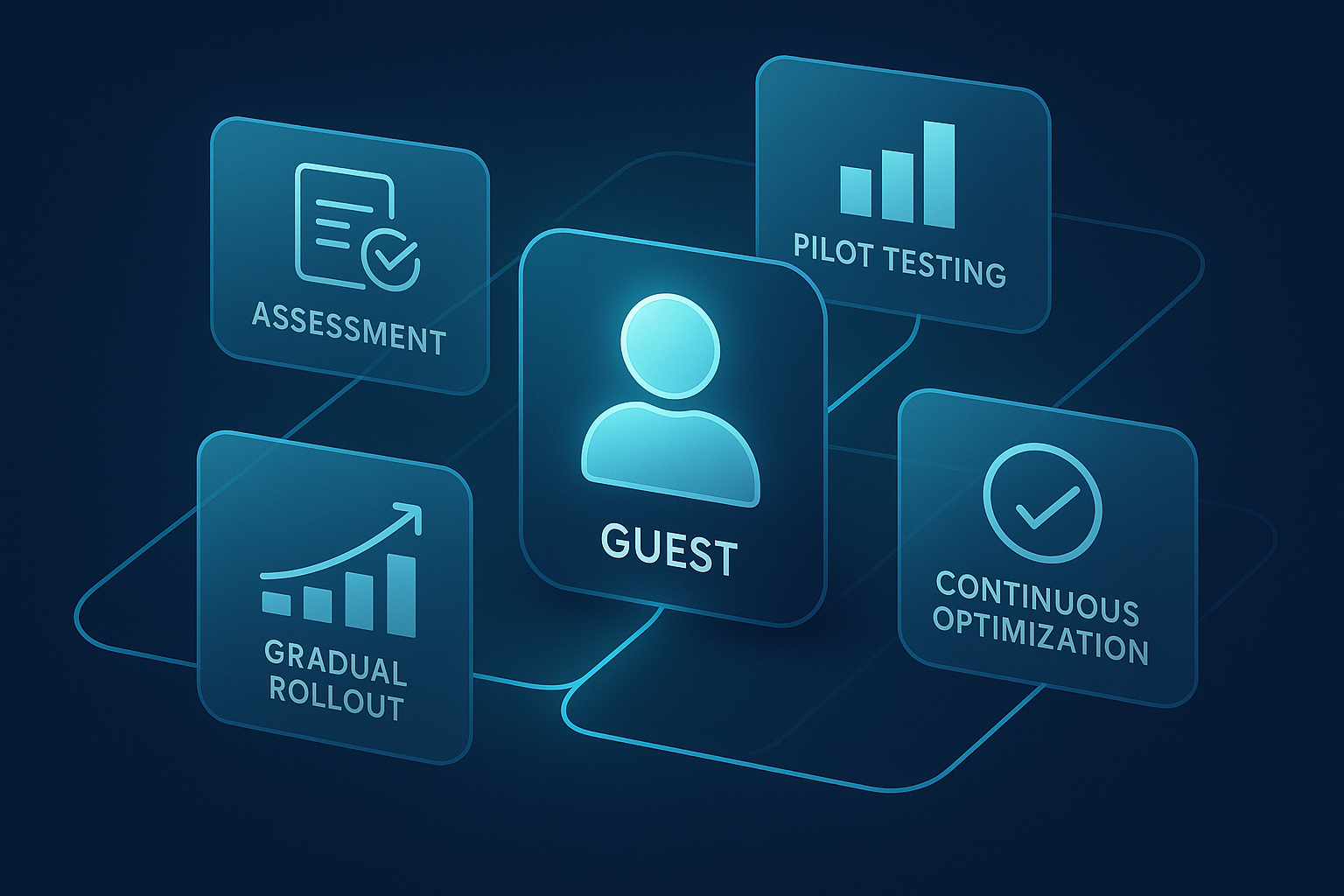
Successful trend adoption follows a structured approach: assessment, pilot testing, gradual rollout, and continuous optimization. Properties implementing this methodology report 67% higher success rates compared to those attempting comprehensive overhauls without testing phases.
Start with guest pain points that align with operational inefficiencies. Mobile check-in addresses guest convenience while reducing front desk workload. Automated guest messaging improves response times while freeing staff for complex requests. These quick wins build internal confidence and demonstrate ROI before larger investments. Automated guest messaging solutions are increasingly being adopted by forward-thinking hotel operators.
| Implementation Phase | Timeline | Key Success Metrics | Risk Mitigation |
|---|---|---|---|
| Assessment & Planning | 2-3 weeks | Baseline metrics established | Stakeholder alignment meetings |
| Pilot Testing | 4-6 weeks | Guest satisfaction maintained/improved | Limited scope, easy rollback |
| Staff Training | 2-4 weeks | Confidence scores above 80% | Ongoing support systems |
| Full Deployment | 6-8 weeks | ROI targets met | Continuous monitoring protocols |
Critical success factors include comprehensive staff training, guest communication about service enhancements, and robust feedback collection systems. Properties that invest 15% of implementation budgets in change management report 41% better adoption rates and 28% higher staff satisfaction during transitions.
Measure impact across guest satisfaction, operational efficiency, and financial performance. Track response times, service quality scores, staff productivity metrics, and revenue per available room. Establish baseline measurements before implementation to quantify improvement and justify continued investment in hotel trends and technology advancement.
Partner with technology providers offering modular solutions and proven hospitality expertise. Vynta’s industry-specific automation platforms enable hotels to implement guest experience improvements and operational efficiencies with minimal disruption, delivering measurable results within 60 days while maintaining the personal service standards that define exceptional hospitality.
Conclusion, The Strategic Imperative: Transform, Don’t Tread Water
The hotel trends shaping 2025 represent fundamental shifts in guest expectations, operational requirements, and competitive dynamics. Properties that embrace AI-driven personalization, sustainable practices, and workforce transformation will capture disproportionate market share while those maintaining status quo approaches face declining relevance and profitability.
Success requires strategic focus on three imperatives: enhancing guest experiences through technology and personalization, optimizing operations for efficiency and sustainability, and empowering staff to deliver exceptional service augmented by intelligent automation. These trends interconnect to create competitive moats that strengthen over time.
Next Steps for Hospitality Leaders: 2025 and Beyond
Immediate: Assess current guest satisfaction and operational efficiency gaps
30 days: Pilot one high-impact automation solution
90 days: Implement comprehensive personalization strategy with measurable outcomes
Frequently Asked Questions
How is AI-driven personalization transforming guest experiences in the hotel industry for 2025?
AI-driven personalization enables hotels to tailor services and offers based on individual guest preferences and behaviors, creating seamless, memorable experiences. By leveraging data insights, hotels can anticipate needs, optimize upselling opportunities, and deliver hyper-personalized communication that drives higher guest satisfaction and repeat visits.
What strategies are hotels using to address the current staffing challenges and improve workforce retention?
Hotels are adopting AI-powered recruitment tools to streamline hiring and identify candidates who fit their culture, resulting in faster time-to-hire and better retention. Additionally, smart scheduling platforms and automated communication reduce administrative burdens, while AI-driven analytics help managers proactively address burnout and support staff development, boosting overall workforce satisfaction.
In what ways are sustainability and local-first initiatives becoming essential for competitive advantage in hospitality?
Sustainability and local-first initiatives are evolving from optional amenities to core brand standards that resonate with eco-conscious travelers. Hotels integrating these practices enhance operational resilience, reduce costs, and strengthen guest loyalty by offering authentic, community-focused experiences that differentiate them in a crowded market.
How are wellness-focused experiences integrated into hotel services to enhance guest satisfaction and loyalty?
Wellness-focused experiences are embedded through offerings like immersive wellness technologies, personalized health programs, and holistic amenities that address physical and mental well-being. These initiatives elevate guest satisfaction by aligning with growing demand for health-conscious travel, fostering deeper emotional connections and encouraging repeat stays.
About The Author
Anas Moujahid is the chief contributing writer & Operations Director for the Vynta Blog, where he turns cutting-edge AI automation into measurable business outcomes for mid-market companies.
Vynta designs enterprise-grade AI agents that augment rather than replace people, freeing teams to focus on higher-value work while the bots handle the busywork.
We specialise in four service-heavy verticals where AI can move the revenue needle fast: real estate, recruitment, fundraising and hospitality.
Anas started his career architecting AI and automation systems; today he leads operations at Vynta, making sure every deployment lands real-world ROI, whether that’s more booked viewings for estate agents, faster placements for recruiters, warmer investor pipelines for fundraisers or happier guests for hotels and restaurants.
Vynta delivers results by:
- Building industry-specific agents pre-trained on real-world workflows, no generic chatbots here.
- Integrating seamlessly with existing CRMs, ATSs, PMSs and fundraising platforms, zero rip-and-replace.
- Measuring success in business KPIs (lead-to-close rates, time-to-hire, donor retention, RevPAR) not vanity metrics.
- Providing transparent implementation plans so clients know exactly what to expect, when and why.
- Pairing every AI agent with human-in-the-loop controls to keep quality, compliance and brand voice on point.
Since launch, Vynta has helped agencies slash lead qualification time by up to 70 %, recruitment firms cut screening hours in half, fundraising teams triple investor touchpoints and hospitality brands lift guest satisfaction scores by double digits, all while keeping human expertise firmly in the loop.
Anas writes with the same ethos that drives Vynta: outcome-focused, jargon-free and grounded in real business value. Expect data-backed insights, practical implementation guides and a clear-eyed view of what AI can, and can’t, do for your organisation.