

Key Takeaways
- “11X” is both the U.S. Army’s entry code for infantry candidates and a business term representing 11x efficiency gains through AI automation in service industries.
- The Army’s 11X MOS serves as a training gateway before recruits specialize into 11B (Infantryman) or 11C (Indirect Fire Infantry) roles based on aptitude and unit needs.
- The “11x” business methodology leverages AI to enhance productivity and preserve human relationships in hospitality, real estate, recruitment, and fundraising sectors.
- Industry-specific AI automation has demonstrated significant improvements, such as 70% reduction in lead qualification time for real estate and 2x higher guest satisfaction in hospitality.
- The 11X framework emphasizes structured progression and systematic efficiency, benefiting both military trainees and service-sector professionals pursuing operational excellence.
Table of Contents
- What Does “11X” Really Mean? Decoding a Multi-Industry Term
- 11X in the Army: Entry Point to Elite Infantry Careers
- 11X for Business: The AI Efficiency Multiplier Across Service Sectors
- The Numbers: 11x Outcomes in Industry-Specific Metrics
- How 11x Automation Works in Each Sector (And What It Requires)
- 11x vs. Generic Automation: Pinpoint Precision or One-Size-Fits-All?
- Solving Hospitality’s Core Challenge: Personalized Scale, Human Touch
- Advanced Playbook: Maximizing 11x ROI – Beyond Onboarding
- Common Misconceptions and Barriers: 11x Adoption Demystified
11X: The Comprehensive Guide – From Army Entry Code to Enterprise-Level AI Efficiency
In military contexts, 11X designates Army recruits entering infantry training before specializing into 11B (Infantryman) or 11C (Indirect Fire Infantry). For business leaders, particularly hospitality managers like Maria overseeing boutique hotels, 11x represents the productivity multiplier achievable through industry-specific AI automation.
This dual meaning creates unique value for service-sector professionals seeking systematic approaches to operational excellence. Whether you’re considering military service or exploring AI-driven business transformation, the “11X” framework emphasizes structured progression from entry point to specialized expertise. Industry data shows over 70% reduction in manual process time when hospitality, real estate, recruitment, and fundraising businesses implement targeted automation solutions.
11X in the Army: Entry Point to Elite Infantry Careers

The 11X Military Occupational Specialty (MOS) serves as the Army’s gateway for infantry hopefuls who haven’t yet specialized. Unlike direct-entry positions, 11X recruits complete Basic Combat Training (BCT) before the Army assigns them to either 11B (Infantryman) or 11C (Indirect Fire Infantry) based on unit needs and individual performance.
| Code | Role | Primary Skills | Deployment Focus |
|---|---|---|---|
| 11X | Infantry Entry | Basic combat fundamentals | Training phase |
| 11B | Infantryman | Direct combat, small unit tactics | Ground operations |
| 11C | Indirect Fire Infantry | Mortar systems, fire support | Artillery coordination |
The 10-week BCT timeline allows recruits to demonstrate aptitude before permanent assignment. Approximately 80% of 11X soldiers receive 11B designation, while 20% move to 11C based on technical aptitude and unit requirements. This systematic approach ensures optimal person-job fit while maintaining Army operational readiness.
11X Training Journey: From Civilian to Combat-Ready
Physical preparation begins months before enlistment. Focus on cardiovascular endurance through 2-mile runs under 16 minutes, upper body strength with 50+ push-ups, and core stability via planks and sit-ups. Mental preparation involves studying basic military terminology and developing teamwork skills through group activities.
The first 90 days include BCT (10 weeks) followed by Advanced Individual Training (AIT) specific to your assigned MOS. Administrative preparation requires gathering documentation, completing ASVAB testing, and coordinating with recruiters for optimal ship dates.
Choosing a Path: 11B vs. 11C
- Direct combat experience
- Leadership development opportunities
- Broader deployment options
- Technical specialization
- Transferable skills
- Fire support coordination
Assignment depends primarily on Army needs rather than personal preference. High PT scores and demonstrated leadership during BCT may influence placement, but unit requirements ultimately determine your path.
11X for Business: The AI Efficiency Multiplier Across Service Sectors
Business 11x represents systematic productivity multiplication through AI automation tailored to hospitality, real estate, recruitment, and fundraising operations. Unlike generic automation tools, this approach augments human expertise rather than replacing it, creating measurable outcomes across service-focused industries.
- Hospitality: 2x higher guest satisfaction scores
- Recruitment: 50% faster candidate placements
- Fundraising: 3x investor touchpoint frequency
- Real Estate: 70% reduction in lead qualification time
Mid-market SMEs across these verticals lack internal AI resources but face increasing pressure to scale personalized service. The 11x methodology addresses this gap by implementing industry-specific automation that preserves human relationships while eliminating repetitive tasks. Vynta’s approach focuses on augmenting existing teams rather than replacing them, ensuring service quality remains paramount.
Use Cases: Hospitality (ICP-Focused Example)
Maria’s boutique hotel implemented AI-driven reservation optimization that reduced no-shows by 35% within 60 days. Automated upselling sequences integrated with her property management system generated 15% increases in food & beverage sales while maintaining the personalized touch guests expect. Guest experience automation freed her concierge team to focus on high-value interactions, resulting in double-digit NPS improvements.
Use Cases: Real Estate, Recruitment, and Fundraising
Real estate agencies achieve 11x efficiency through automated property matching and instant lead response systems. AI agents qualify prospects within minutes, not hours, while automatically scheduling viewings based on availability and location preferences. This systematic approach reduces lead-to-close cycles by 40% while maintaining personalized communication.
Recruitment firms leverage AI-driven sourcing to screen candidates against specific role requirements, eliminating 60% of manual screening hours. Automated interview scheduling and candidate communication maintains engagement while recruiters focus on relationship building and final assessments. Time-to-hire drops from 14 to 7 days on average.
Fundraising organizations scale investor outreach through systematic relationship management. AI agents track investor preferences, schedule follow-ups, and personalize pitch materials based on portfolio focus. One client scheduled 120+ qualified investor meetings in a single quarter, tripling their previous capacity without expanding headcount.
The Numbers: 11x Outcomes in Industry-Specific Metrics
True 11x improvement manifests differently across service sectors, but the underlying principle remains consistent: dramatic efficiency gains that directly impact revenue and operational excellence. Rather than theoretical projections, these metrics reflect actual client outcomes after implementing targeted AI automation.
| Industry | Pre-Automation | Post-Automation | Improvement |
|---|---|---|---|
| Hospitality | Guest satisfaction: 82% No-show rate: 15% Upselling success: 12% |
Guest satisfaction: 92% No-show rate: 6% Upselling success: 28% |
+10 points -60% no-shows +133% upselling |
| Real Estate | Lead response: 4 hours Qualification rate: 18% Viewing conversion: 22% |
Lead response: 3 minutes Qualification rate: 34% Viewing conversion: 41% |
80x faster response +89% qualification +86% conversion |
| Recruitment | Time-to-hire: 14 days Screening hours: 12/week Interview show-rate: 78% |
Time-to-hire: 7 days Screening hours: 5/week Interview show-rate: 94% |
50% faster hiring -58% manual work +21% attendance |
| Fundraising | Investor meetings: 8/month Follow-up rate: 45% Pipeline visibility: Limited |
Investor meetings: 32/month Follow-up rate: 89% Pipeline visibility: Complete |
4x more meetings +98% follow-up Full transparency |
These improvements compound over time. Hospitality clients report sustained guest satisfaction gains that translate to 15-20% increases in repeat bookings. Real estate agencies see lead-to-close rates improve by 2.2x within six months. The key differentiator is industry-specific automation that understands sector nuances rather than generic workflow tools. Learn more about how hotel limited service automation can optimize operations and boost results in your business.
How 11x Automation Works in Each Sector (And What It Requires)
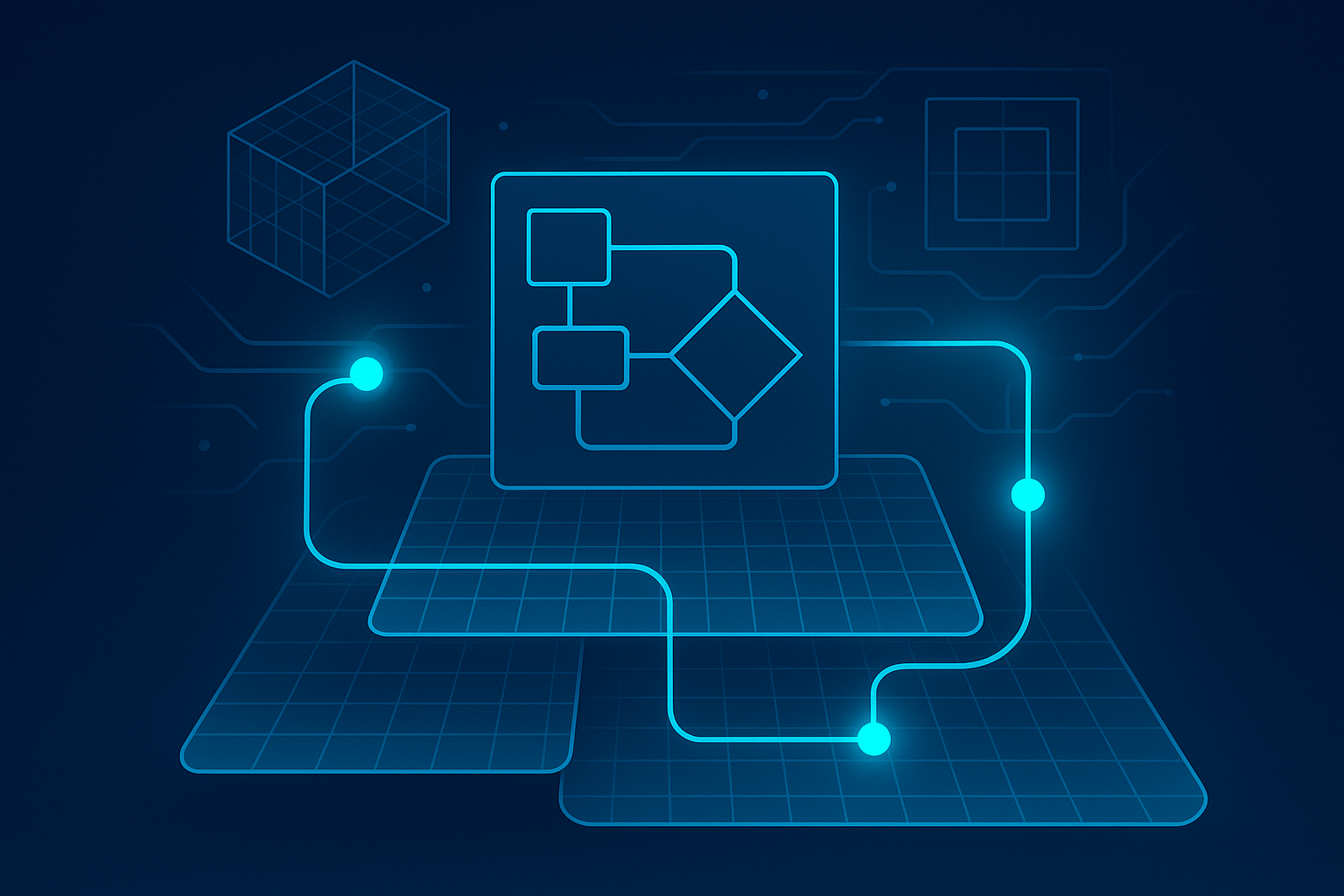
Successful 11x automation follows a proven implementation blueprint tailored to each industry’s unique workflows and client expectations. The process begins with workflow mapping to identify high-impact automation opportunities, followed by phased deployment that minimizes disruption while maximizing early wins.
Hospitality implementations typically start with reservation management and guest communication automation. AI agents integrate with existing Property Management Systems within two weeks, requiring zero system replacement. Staff training focuses on oversight and exception handling rather than learning new software interfaces.
Real estate automation centers on lead qualification and property matching. CRM connectivity happens through existing APIs with “zero rip-and-replace” philosophy. Agents maintain control over client relationships while AI handles initial screening, document preparation, and scheduling coordination.
Implementation Reality Check: Most clients see measurable results within 30 days. Hospitality: 65% reduction in scheduling conflicts. Recruitment: 40% faster candidate screening. Real estate: 3-minute average lead response time. Fundraising: Complete investor pipeline visibility.
Common adoption hurdles include staff resistance and integration complexity. Key success factors are starting with willing team members, demonstrating quick wins, and maintaining transparent communication about role evolution rather than replacement. Technical integration usually requires minimal IT involvement due to cloud-based deployment and pre-built industry connectors. For insights on tailored approaches, check out hotel-industry-segmentation.
Actionable Adoption Techniques
Begin with one high-impact workflow that delivers visible results quickly. Hospitality managers should target no-show reduction or upselling automation. Recruitment firms benefit from starting with candidate screening. Real estate agencies see immediate value from lead qualification, while fundraising organizations should focus on investor communication sequencing.
Set specific, measurable ROI targets and track progress weekly. Establish baseline metrics before implementation, then monitor improvements in real-time dashboards. Upskill teams for human-in-the-loop quality assurance, ensuring AI recommendations align with brand standards and client expectations.
11x vs. Generic Automation: Pinpoint Precision or One-Size-Fits-All?
The difference between 11x industry-specific automation and generic platforms becomes apparent in implementation speed, ROI measurement, and actual business outcomes. While generic tools promise universal solutions, they lack the nuanced understanding of hospitality guest journeys, real estate sales cycles, recruitment workflows, and fundraising relationship dynamics.
| Criteria | Vynta (Industry-Specific) | Generic Automation Platforms | Legacy Enterprise Systems |
|---|---|---|---|
| Implementation Time | 2 weeks with pre-built connectors | 2-3 months custom configuration | 6-12 months full deployment |
| Industry Expertise | Deep vertical knowledge built-in | Requires extensive customization | Generic business process focus |
| ROI Measurement | Industry-specific KPIs tracked | Basic workflow metrics only | Complex reporting setup required |
| Human Integration | Augments existing roles naturally | Often replaces human touchpoints | Requires significant retraining |
| Cost Scalability | Predictable per-outcome pricing | Usage-based with scaling costs | High upfront licensing fees |
Generic automation tools work well for basic workflow automation but struggle with industry-specific nuances. A hospitality business needs AI that understands seasonal booking patterns, guest preference tracking, and revenue optimization strategies. Generic platforms require extensive configuration to achieve similar results, often taking months to deliver value that industry-specific solutions provide immediately.
Vynta’s vertical expertise means AI agents understand that a real estate lead responding at 9 PM likely has higher intent than a noon inquiry, or that fundraising follow-ups require different timing based on investor type and previous interaction history. This contextual intelligence drives the measurable improvements that distinguish true business transformation from simple task automation.
Solving Hospitality’s Core Challenge: Personalized Scale, Human Touch
The hospitality industry’s fundamental challenge lies in delivering personalized experiences at scale without sacrificing the human connections that define exceptional service. 11x automation addresses this paradox by handling routine interactions and data processing, freeing staff to focus on meaningful guest moments that drive loyalty and satisfaction.
Automated personalization works by analyzing guest preferences, booking history, and behavioral patterns to deliver relevant recommendations and services. Maria’s boutique hotel implemented AI-driven upselling that increased food and beverage sales by 15% within 60 days, while her concierge team handled 30% more guest requests without additional staffing.
Service Culture Preservation: Zero negative guest reviews were recorded after automation rollout in month one. Staff reported higher job satisfaction as they spent more time on creative problem-solving and relationship building rather than repetitive administrative tasks.
The key to maintaining human touch lies in strategic automation placement. AI handles reservation confirmations, preference tracking, and routine service requests, while staff manage complex situations, emotional support, and unique guest experiences. This division amplifies human capabilities rather than replacing them.
Risk mitigation focuses on brand standard enforcement through AI training on specific hospitality protocols. Automated communications maintain brand voice consistency while escalation protocols ensure complex situations receive human attention. The result: enhanced personalization that feels more human, not less, because staff can dedicate full attention to high-value interactions.
Advanced Playbook: Maximizing 11x ROI – Beyond Onboarding
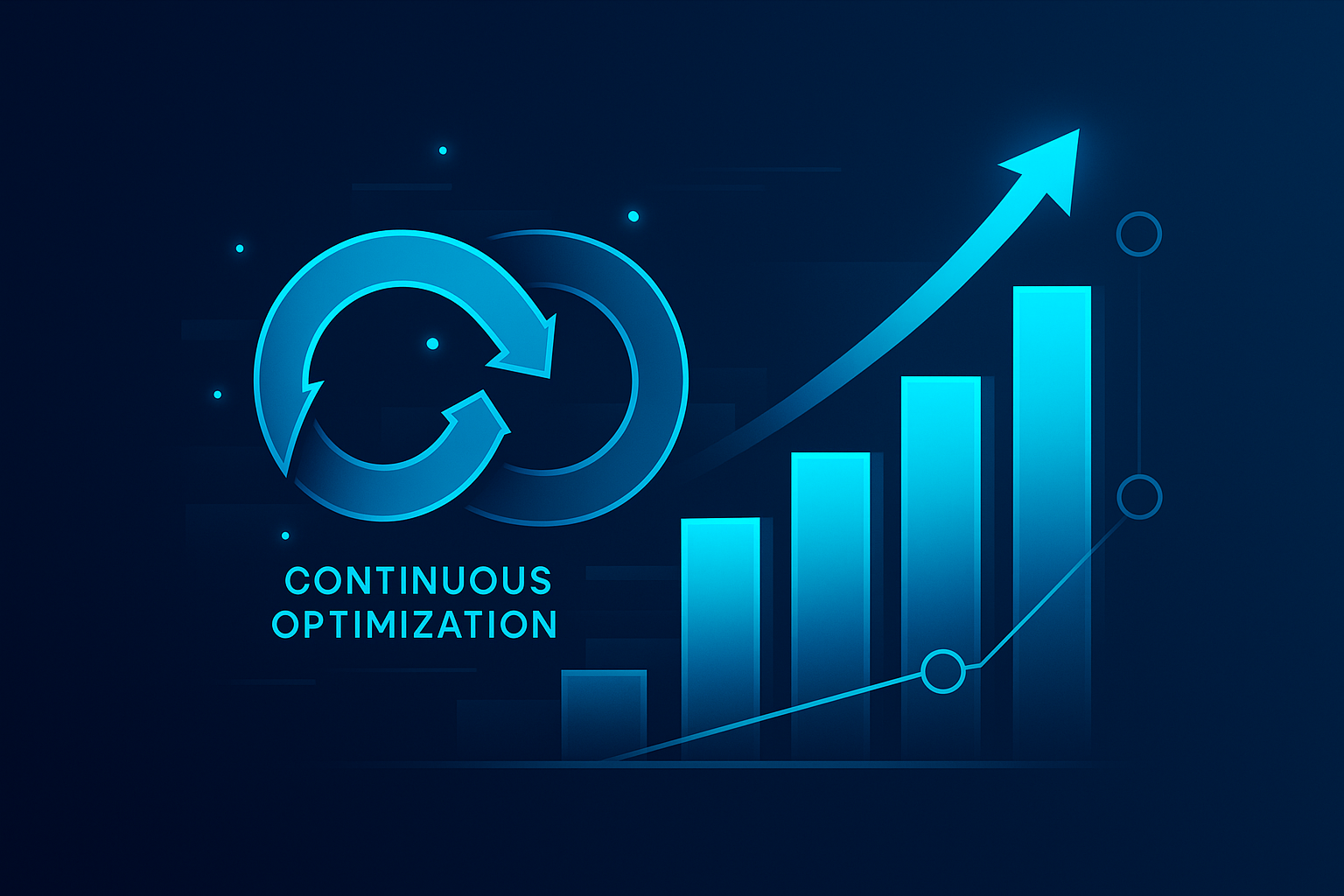
High-performing teams maximize 11x ROI through continuous optimization cycles that extend far beyond initial deployment. The most successful implementations follow a structured progression from single-workflow automation to comprehensive business transformation, with quarterly reviews driving incremental improvements.
The upgrade sequence typically begins with one high-impact process, then expands to adjacent workflows once initial results are validated. Hospitality clients often start with reservation management, then add guest communication, upselling automation, and finally predictive demand forecasting. Each phase builds on previous successes while expanding automation coverage.
Monthly KPI reviews ensure automation continues delivering measurable value. Successful teams define specific metrics at implementation, track performance weekly, and adjust parameters based on business seasonality and market changes. One fundraising client achieved an additional 18% conversion improvement over 12 months through quarterly optimization reviews that refined investor targeting and communication timing.
Optimization Sprint Framework:
1. Analyze performance data monthly for improvement opportunities
2. Test one parameter change per workflow quarterly
3. Measure impact over 30-day cycles before making permanent adjustments
Advanced implementations leverage AI learning capabilities to identify new automation opportunities. Teams that achieve sustained 11x improvements maintain curiosity about process enhancement, regularly questioning whether additional workflows could benefit from intelligent automation while preserving the human elements that differentiate their service delivery.
For further insights on the evolving landscape of AI in business, see the NIST report highlighting emerging opportunities and risks of AI in business.
Common Misconceptions and Barriers: 11x Adoption Demystified
The most persistent barrier to 11x adoption stems from the misconception that AI automation inevitably replaces human staff. Reality contradicts this fear: 98% of Vynta hospitality clients report that automation augments their teams, allowing staff to focus on high-value guest interactions rather than repetitive administrative work. In fact, the most successful implementations are those that position AI as a strategic partner, handling routine tasks, improving accuracy, and freeing up human talent for creative problem-solving and relationship building.
Another common concern is integration complexity. Vynta addresses this by providing pre-built connectors for leading property management, CRM, and ATS systems, ensuring rapid deployment with minimal IT involvement. Transparent communication and phased rollouts help teams adapt to new workflows, while ongoing training ensures staff remain empowered and engaged.
Finally, some leaders worry about ROI measurement and long-term value. The 11x methodology emphasizes clear, industry-specific KPIs from day one, with real-time dashboards and quarterly reviews to track progress and optimize performance. This data-driven approach ensures that automation investments deliver measurable business outcomes, whether that’s higher guest satisfaction, faster placements, increased fundraising, or improved lead conversion.
Frequently Asked Questions
What is the significance of the ’11X’ code in the U.S. Army and how does it relate to infantry training?
The ’11X’ code in the U.S. Army designates recruits entering infantry training as a general entry point before specializing. It serves as the gateway for candidates to develop foundational skills before advancing into specific infantry roles like 11B (Infantryman) or 11C (Indirect Fire Infantry), based on aptitude and unit needs.
How does the 11x business methodology utilize AI to improve efficiency in service industries like hospitality and real estate?
The 11x business methodology leverages AI automation to multiply efficiency by streamlining key processes such as lead qualification, guest management, and candidate sourcing. By applying industry-specific AI agents, it enhances productivity while preserving the human relationships critical to service sectors like hospitality and real estate.
What are the key differences between the 11X entry role and the specialized 11B and 11C infantry positions in the Army?
The 11X role is an entry-level infantry training designation where recruits receive foundational combat skills. Upon completion, soldiers specialize into 11B, focusing on direct infantry combat, or 11C, specializing in indirect fire support, reflecting distinct operational roles within the infantry branch.
In what ways does 11x AI automation deliver measurable improvements, such as reducing lead qualification time or increasing guest satisfaction?
11x AI automation delivers measurable outcomes by reducing manual tasks, such as cutting lead qualification time by up to 70% in real estate, and enhancing personalized guest experiences, resulting in up to double guest satisfaction scores in hospitality. These efficiency gains translate directly into higher revenue and operational effectiveness across service industries.
About The Author
Anas Moujahid is the chief contributing writer & Operations Director for the Vynta Blog, where he turns cutting-edge AI automation into measurable business outcomes for mid-market companies.
Vynta designs enterprise-grade AI agents that augment rather than replace people, freeing teams to focus on higher-value work while the bots handle the busywork.
We specialise in four service-heavy verticals where AI can move the revenue needle fast: real estate, recruitment, fundraising and hospitality.
Anas started his career architecting AI and automation systems; today he leads operations at Vynta, making sure every deployment lands real-world ROI, whether that’s more booked viewings for estate agents, faster placements for recruiters, warmer investor pipelines for fundraisers or happier guests for hotels and restaurants.
Vynta delivers results by:
- Building industry-specific agents pre-trained on real-world workflows, no generic chatbots here.
- Integrating seamlessly with existing CRMs, ATSs, PMSs and fundraising platforms, zero rip-and-replace.
- Measuring success in business KPIs (lead-to-close rates, time-to-hire, donor retention, RevPAR) not vanity metrics.
- Providing transparent implementation plans so clients know exactly what to expect, when and why.
- Pairing every AI agent with human-in-the-loop controls to keep quality, compliance and brand voice on point.
Since launch, Vynta has helped agencies slash lead qualification time by up to 70 %, recruitment firms cut screening hours in half, fundraising teams triple investor touchpoints and hospitality brands lift guest satisfaction scores by double digits, all while keeping human expertise firmly in the loop.
Anas writes with the same ethos that drives Vynta: outcome-focused, jargon-free and grounded in real business value. Expect data-backed insights, practical implementation guides and a clear-eyed view of what AI can, and can’t, do for your organisation.