
Key Takeaways
- Hotel data optimization converts raw hospitality data into actionable strategies that drive revenue.
- It goes beyond basic data management by analyzing patterns to enhance RevPAR and reduce no-shows.
- Personalizing guest experiences is a key benefit of effective hotel data optimization.
- Mid-market hotels using comprehensive data optimization strategies can achieve revenue growth of 12-18% within the first year.
Table of Contents
- What Is Hotel Data Optimization?
- The Critical Business Benefits of Hotel Data Optimization
- Core Hotel Data Streams: What to Capture and Why
- Step-By-Step: Implementing Hotel Data Optimization
- Real-Time Data: The Game Changer for Revenue and Service
- Essential Tools & Technologies for Hotel Data Optimization
- Practical Use Cases: Data-Driven Hospitality in Action
- Overcoming Common Data Challenges in Hospitality
- Data Security, Privacy & GDPR: Keeping Guest Trust Central
- Measuring Success: The Right Metrics for Hotel Data Optimization
- In-House vs. Third-Party Data Optimization: What’s Right for Your Property?
- Elevating Hospitality with Data-Driven Excellence
Hotel Data Optimization: How Smart Data Drives Revenue, Guest Experience, and Operational Excellence
Hotel data optimization transforms raw hospitality information into actionable revenue drivers. Unlike basic data management that simply stores guest records and booking details, hotel data optimization systematically analyzes patterns to increase RevPAR, reduce no-shows, and personalize guest experiences. Mid-market hotels implementing comprehensive data optimization strategies see average revenue increases of 12-18% within the first year.
Maria, who manages a boutique hotel and upscale restaurant, increased her property’s guest satisfaction scores by 12% and upselling conversion by 23% after implementing automated data optimization. Her success demonstrates how strategic data use creates measurable business outcomes beyond simple record-keeping.
To learn more about the fundamentals and best practices of optimizing hotel data, you might find this in-depth guide on data-driven decision making in hospitality valuable.
What Is Hotel Data Optimization?
Hotel data optimization is the process of transforming raw data from various hotel systems into actionable insights that drive revenue, improve guest satisfaction, and streamline operations. This approach goes beyond storing information, it leverages analytics and automation to identify trends, predict guest needs, and enable proactive decision-making. By integrating data from PMS, CRM, POS, and guest feedback platforms, hotels can create a unified view of their operations and guests, leading to smarter strategies and measurable business outcomes.
The Critical Business Benefits of Hotel Data Optimization
Revenue impact represents the most compelling case for hotel data optimization. Properties implementing comprehensive data strategies report average RevPAR increases of 15-22%, driven by dynamic pricing optimization, reduced no-show rates, and systematic upselling automation. Front desk teams equipped with real-time guest intelligence convert 34% more upgrade opportunities compared to properties relying on manual processes.
Business Impact in Numbers: Vynta clients achieve 18% increases in ancillary revenue through automated upselling, 30% reduction in booking errors, and 25% improvement in staff productivity across reservations and guest services.
Operational efficiency gains extend beyond revenue metrics. Housekeeping departments using predictive scheduling reduce labor costs by 12% while maintaining service standards. Guest services teams with integrated preference data resolve requests 40% faster, directly improving satisfaction scores and online reviews. The cost of avoiding optimization, manual processes, missed upselling opportunities, and reactive service delivery, typically represents 8-15% of potential revenue annually.
Core Hotel Data Streams: What to Capture and Why
Guest profile data forms the foundation of effective hotel data optimization, encompassing booking history, service preferences, spending patterns, and communication preferences. This information enables personalized pre-arrival outreach, targeted room assignment, and relevant amenity recommendations that increase ancillary revenue by an average of 16%.
| Data Stream | Key Components | Business Application |
|---|---|---|
| Guest Intelligence | Preferences, loyalty status, spending history | Personalized service, targeted upselling |
| Reservation Data | Booking patterns, channel performance, rate optimization | Dynamic pricing, inventory management |
| Operational Metrics | Housekeeping efficiency, maintenance schedules | Resource optimization, cost reduction |
| Financial Performance | RevPAR, ADR, departmental profitability | Strategic planning, performance benchmarking |
Data integration across PMS, CRM, and POS systems creates comprehensive guest profiles that drive measurable results. Properties achieving 360-degree guest visibility report 23% higher repeat booking rates and 19% improvement in direct reservation conversion, demonstrating the revenue impact of connected data architecture.
Step-By-Step: Implementing Hotel Data Optimization
Step 1: Define Business Objectives – Establish specific, measurable goals such as increasing NPS by 15 points or reducing no-shows by 25%. Maria’s boutique hotel targeted 12% RevPAR improvement and 20% increase in direct bookings within 90 days, providing clear success metrics for her optimization initiative.
Step 2: Audit and Integrate Data Sources – Identify all systems containing guest and operational data: PMS, CRM, POS, housekeeping management, and review platforms. Prioritize integration based on revenue impact, starting with reservation and guest preference data that directly influence booking conversion and upselling opportunities.
Step 3: Implement Real-Time Analytics – Deploy dashboards showing live occupancy, ADR trends, and guest satisfaction metrics. Configure automated alerts for booking anomalies, maintenance issues, and guest service opportunities. This infrastructure enables proactive decision-making rather than reactive problem-solving.
Step 4: Automate Revenue-Generating Processes – Launch targeted email campaigns based on guest segments, implement dynamic pricing based on demand patterns, and activate upselling prompts at check-in. These automated touchpoints typically generate 15-25% increases in ancillary revenue within the first quarter of implementation.
Real-Time Data: The Game Changer for Revenue and Service
 hotel operations and guest preferences.” />
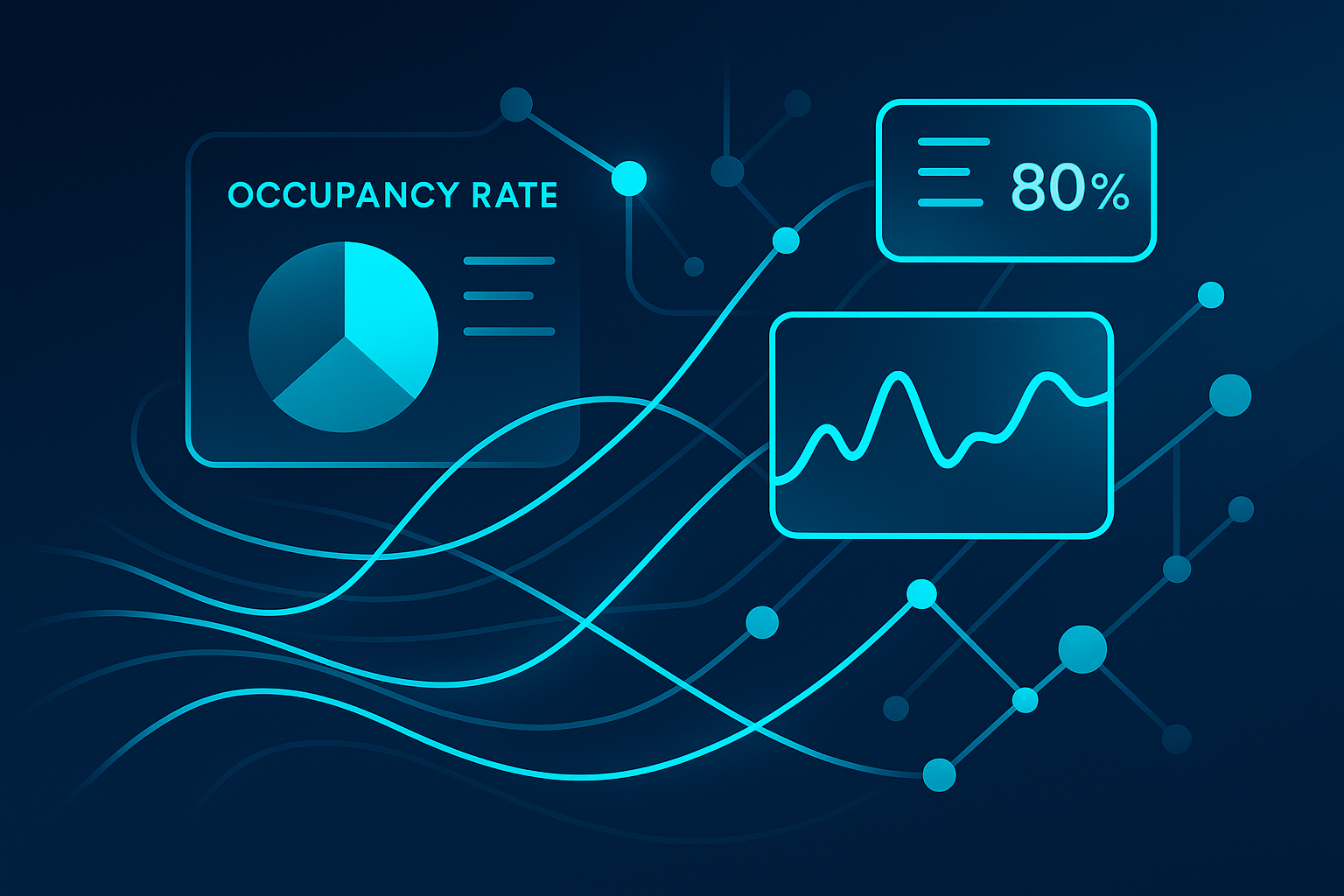
Real-time data transforms hotel operations from reactive to proactive, enabling instant decisions that directly impact revenue and guest satisfaction. Unlike static daily or weekly reports, real-time hotel data optimization provides live updates on occupancy, ADR, guest preferences, and service requests, allowing managers to adjust pricing, prevent overbooking, and deliver personalized experiences as opportunities arise.
Hotels leveraging real-time data reporting reduce no-shows by 20% and outperform their competitive set ADR by 11% through dynamic pricing adjustments and proactive guest communication. Key technologies include integrated PMS systems, channel managers with live OTA connections, and guest feedback aggregators that monitor review sentiment in real-time. For example, when a guest’s mobile check-in indicates they’re celebrating an anniversary, staff receive instant alerts to prepare room amenities or suggest restaurant reservations.
Real-Time Optimization Plays
- Set KPI dashboards updating every 30 minutes (occupancy, ADR, RevPAR)
- Implement live OTA/GDS integration for instant rate and availability updates
- Deploy automated upsell triggers based on real-time booking behavior
- Monitor guest sentiment through review aggregator APIs
- Use predictive analytics to flag potential service issues before they escalate
Essential Tools & Technologies for Hotel Data Optimization
Modern hotel data optimization requires an integrated technology stack that connects guest-facing systems with back-office operations. Property Management Systems like Opera, Cloudbeds, and Mews serve as the foundation, while specialized analytics platforms including Power BI, Microsoft Fabric, and Vynta integrations transform raw data into actionable insights. Revenue management tools such as Duetto, IDeaS, and Pace optimize pricing strategies, while CRM platforms like Revinate and Salesforce manage guest relationships across the entire lifecycle.
Selection criteria should prioritize real-time integration capabilities, industry-specific functionality, scalability for growth, and ease of staff adoption. The most successful implementations combine cloud-based flexibility with robust API connectivity, enabling seamless data flow between systems. For mid-market properties, solutions that offer pre-built hospitality templates and industry benchmarks accelerate time-to-value while reducing implementation complexity. Learn more about customer service performance metrics to ensure your system delivers measurable results.
| Function | Top Tools | Key Strengths | Ideal Hotel Type |
|---|---|---|---|
| Property Management | Opera, Cloudbeds, Mews | Core operations integration, guest profile management | All segments |
| Data Analytics | Power BI, Vynta, Tableau | Real-time dashboards, predictive insights | Mid-market to enterprise |
| Revenue Management | Duetto, IDeaS, Pace | Dynamic pricing, demand forecasting | 100+ rooms |
| Guest Experience | Revinate, Vynta, Salesforce | Personalization, automated communication | Boutique to large chains |
For a deeper dive into the evolution and impact of revenue management in hospitality, see this comprehensive overview on revenue management.
Practical Use Cases: Data-Driven Hospitality in Action
Dynamic Pricing and Inventory Optimization: A 150-room business hotel implemented automated revenue management using historical booking patterns, local event data, and competitor pricing. By adjusting rates every four hours based on demand signals, they achieved a 15% RevPAR increase within six months while maintaining 85% average occupancy during peak periods.
Predictive Guest Personalization: A boutique hotel chain uses guest profile data and booking behavior to trigger personalized pre-arrival communications. Guests who previously booked spa services receive automated emails about new treatments, while business travelers get workspace upgrade offers. This targeted approach increased ancillary revenue by 22% and improved guest satisfaction scores by 18 points.
No-Show Prevention Through Predictive Scoring: By analyzing booking source, advance purchase timing, guest history, and local events, hotels can identify reservations with high no-show probability. Automated confirmation calls and flexible rebooking options for at-risk reservations reduced no-shows by 35% while maintaining positive guest relationships. Properties typically see immediate impact on revenue per available room within the first month of implementation.
Intelligent Upselling at Critical Touchpoints: Real-time data integration enables staff to access guest preferences, spending patterns, and celebration dates during check-in. When combined with inventory availability, this creates targeted upselling opportunities, room upgrades for repeat guests, restaurant reservations for food enthusiasts, or late checkout for leisure travelers. Hotels report 25-40% higher upselling conversion rates compared to generic offers.
For additional strategies and case studies on leveraging analytics in hospitality, check out this research article on big data applications in hotel management.
Overcoming Common Data Challenges in Hospitality

Data silos represent the most significant barrier to effective hotel data optimization, with guest information scattered across PMS, CRM, POS, and booking systems. The solution involves implementing middleware platforms or APIs that create unified guest profiles, enabling staff to access complete guest histories from any touchpoint. Automated data synchronization eliminates manual entry errors while ensuring consistent information across all departments.
Legacy system integration challenges require phased modernization approaches rather than complete overhauls. Hotels can bridge old and new systems using cloud-based APIs and middleware solutions that allow gradual data synchronization without disrupting daily operations.
Staff resistance to data-driven processes often stems from fear of technology replacing human judgment. Successful hotels address this by positioning data as a tool that enhances rather than replaces staff expertise. Training programs should focus on how data insights help front desk agents provide better service, enable housekeeping to anticipate guest needs, and allow managers to make more informed decisions about pricing and inventory.
- Implement automated data validation rules to catch errors at entry
- Create department-specific dashboards that show relevant metrics only
- Establish weekly data review meetings to maintain accuracy
- Use AI-powered data cleansing tools to identify and merge duplicate records
Data Security, Privacy & GDPR: Keeping Guest Trust Central
Hotel data optimization requires robust security measures to protect guest information and maintain trust. GDPR compliance in hospitality means implementing data minimization principles, collecting only necessary guest information and storing it securely with clear retention policies.
Essential security practices include role-based access controls that limit staff access to relevant guest data only, encrypted data transmission between systems, and regular security audits. Hotels should establish clear protocols for guest data requests, including the right to access, correct, or delete personal information.
Balancing personalization with privacy requires transparent communication about data usage. Successful hotels implement opt-in mechanisms for marketing communications and clearly explain how guest preferences enhance their stay experience. This approach builds trust while enabling the data collection needed for effective personalization.
Measuring Success: The Right Metrics for Hotel Data Optimization
| Metric | Definition | Target Benchmark | Optimization Impact |
|---|---|---|---|
| RevPAR | Revenue per available room | 10-15% above compset | Dynamic pricing optimization |
| Direct Booking % | Bookings through hotel channels | 35-45% of total bookings | Guest profiling and targeted offers |
| Upsell Conversion | % of guests accepting upgrades | 15-25% conversion rate | Automated personalized offers |
| Guest Satisfaction (NPS) | Net Promoter Score | 50+ for boutique hotels | Predictive service delivery |
| No-Show Rate | % of reservations not honored | Below 5% industry average | Predictive guest scoring |
Effective hotel data optimization tracking requires establishing baseline measurements before implementing new systems. Hotels should focus on metrics that directly correlate with revenue and guest satisfaction rather than vanity metrics that don’t drive business outcomes.
Weekly performance reviews allow for rapid adjustment of optimization strategies. Properties that review key metrics weekly rather than monthly can respond 3x faster to market changes and guest preference shifts. This agility becomes particularly valuable during peak seasons or economic fluctuations.
Benchmark comparisons should include both competitive set performance and internal historical data. A 9-point NPS improvement over 12 months, achieved through data-driven personalization, represents significant competitive advantage in guest loyalty and repeat bookings.
In-House vs. Third-Party Data Optimization: What’s Right for Your Property?

| Factor | In-House Development | Third-Party Solutions |
|---|---|---|
| Initial Investment | High upfront development costs | Lower initial investment |
| Implementation Speed | 6-18 months development time | 30-90 days deployment |
| Industry Expertise | Requires hiring specialized talent | Built-in hospitality knowledge |
| Customization | Complete control over features | Configurable within platform limits |
| Ongoing Support | Internal IT team responsibility | Vendor-provided updates and support |
Properties with fewer than 100 rooms typically achieve better ROI with specialized third-party solutions that offer immediate industry expertise and proven optimization algorithms. The cost of developing comparable in-house capabilities often exceeds the property’s technology budget for 3-5 years.
Larger hotel groups may justify in-house development when they need highly specific integrations across multiple brands or have unique operational requirements that standard platforms cannot accommodate. However, even large operators increasingly choose best-of-breed third-party solutions for core functions like revenue management and guest experience optimization.
For a tailored consultation on optimizing your property’s data strategy, reach out to the Vynta team for expert guidance.
Elevating Hospitality with Data-Driven Excellence
Hotel data optimization transforms properties from reactive operations to proactive, guest-centric businesses. By leveraging integrated data and AI-driven analytics, hotels can deliver exceptional guest experiences, maximize revenue, and achieve operational excellence. The future of hospitality belongs to those who harness data not just for reporting, but for real-time, strategic action that drives measurable business outcomes.
Frequently Asked Questions
What specific types of hotel data are essential to capture for effective data optimization?
Effective hotel data optimization requires capturing data from property management systems (PMS), customer relationship management (CRM) platforms, point-of-sale (POS) systems, and guest feedback channels. These data streams provide insights into bookings, guest preferences, spending patterns, and satisfaction levels, enabling a comprehensive view of operations and customer behavior.
How does real-time data integration and AI-driven analytics enhance revenue and guest experience in hotels?
Real-time data integration combined with AI-driven analytics allows hotels to dynamically adjust pricing, optimize inventory, and personalize marketing efforts based on current demand and guest behavior. This leads to increased RevPAR, reduced no-shows, and tailored guest experiences that improve satisfaction and drive upselling opportunities.
What measurable business benefits can mid-market hotels expect from implementing comprehensive data optimization strategies?
Mid-market hotels implementing comprehensive data optimization strategies typically see revenue growth of 12-18% within the first year, alongside improvements in guest satisfaction scores and upselling conversion rates. These outcomes result from smarter pricing, better inventory management, and enhanced personalized service driven by actionable data insights.
How can hotels balance data security and privacy concerns while leveraging guest data for personalized experiences?
Hotels can balance data security and privacy by implementing robust data protection measures aligned with GDPR and industry standards, ensuring transparent guest consent and secure handling of personal information. This approach builds trust while enabling the use of data to deliver personalized experiences without compromising guest privacy.
About The Author
Anas Moujahid is the chief contributing writer & Operations Director for the Vynta Blog, where he turns cutting-edge AI automation into measurable business outcomes for mid-market companies.
Vynta designs enterprise-grade AI agents that augment rather than replace people, freeing teams to focus on higher-value work while the bots handle the busywork.
We specialise in four service-heavy verticals where AI can move the revenue needle fast: real estate, recruitment, fundraising and hospitality.
Anas started his career architecting AI and automation systems; today he leads operations at Vynta, making sure every deployment lands real-world ROI, whether that’s more booked viewings for estate agents, faster placements for recruiters, warmer investor pipelines for fundraisers or happier guests for hotels and restaurants.
Vynta delivers results by:
- Building industry-specific agents pre-trained on real-world workflows, no generic chatbots here.
- Integrating seamlessly with existing CRMs, ATSs, PMSs and fundraising platforms, zero rip-and-replace.
- Measuring success in business KPIs (lead-to-close rates, time-to-hire, donor retention, RevPAR) not vanity metrics.
- Providing transparent implementation plans so clients know exactly what to expect, when and why.
- Pairing every AI agent with human-in-the-loop controls to keep quality, compliance and brand voice on point.
Since launch, Vynta has helped agencies slash lead qualification time by up to 70 %, recruitment firms cut screening hours in half, fundraising teams triple investor touchpoints and hospitality brands lift guest satisfaction scores by double digits, all while keeping human expertise firmly in the loop.
Anas writes with the same ethos that drives Vynta: outcome-focused, jargon-free and grounded in real business value. Expect data-backed insights, practical implementation guides and a clear-eyed view of what AI can, and can’t, do for your organisation.