
Key Takeaways
- Medical documentation has evolved into a vital component for improving patient outcomes and operational efficiency.
- Physicians now spend significant time on documentation, highlighting the need for effective dictation solutions.
- Medical dictation is more than voice-to-text; it serves as a strategic tool to reclaim clinical time.
- Accurate and compliant documentation remains essential in modern healthcare practices.
Table of Contents
- The Evolution of Medical Documentation: From Burden to Strategic Advantage
- Understanding Medical Dictation: Core Concepts and Modern Applications
- Legal and Compliance Framework for Medical Dictation
- Medical Dictation Technologies and Deployment Models
- Security and Data Compliance in Medical Dictation
- Setting Up an Effective Medical Dictation System
- Human vs. AI Transcription: Collaboration, Not Competition
- The Future of Medical Dictation: Smart, Secure, and Human-Centric
The Evolution of Medical Documentation: From Burden to Strategic Advantage
Healthcare documentation has transformed from a simple record-keeping requirement into a critical driver of patient outcomes, operational efficiency, and revenue optimization. Today, medical dictation represents more than just voice-to-text conversion, it's become a strategic tool for reclaiming clinical time while maintaining the accuracy and compliance that modern healthcare demands.
The administrative burden on healthcare providers has reached crisis levels. What industry experts call "note bloat" is consuming valuable time that should be dedicated to patient care. Traditional documentation methods are failing to keep pace with the complexity of modern medical practice, creating bottlenecks that impact everything from patient satisfaction to revenue cycle management; tracking and optimizing referral sources with clear lead generation kpis can help identify where documentation inefficiencies are costing the most.
Medical dictation solutions offer a proven path forward, but the landscape has evolved dramatically. We're no longer choosing between human transcriptionists and basic speech recognition software. Today's most effective approach combines AI-powered automation with human expertise, creating hybrid workflows that deliver both speed and accuracy.
To learn more about how modern medical dictation solutions can transform your clinical workflow, visit our homepage for an overview of our technology and services.
The business case for modernizing medical dictation is compelling: healthcare organizations report 40-60% reductions in documentation time, improved physician satisfaction scores, and measurable improvements in revenue cycle efficiency when implementing strategic dictation automation, as well as enhanced email workflow.
Understanding Medical Dictation: Core Concepts and Modern Applications
What is Medical Dictation?
Medical dictation is the spoken recording of clinical findings, patient assessments, treatment plans, and medical instructions that form the foundation of patient records. Unlike general speech-to-text applications, medical dictation requires specialized vocabulary recognition, compliance with healthcare regulations, and integration with electronic health record (EHR) systems.
Modern medical dictation operates through two primary models: direct dictation, where physicians speak directly into EHR systems for real-time documentation, and deferred dictation, where recorded speech is processed and transcribed for later review and approval. The choice between these approaches depends on workflow requirements, specialty-specific needs, and the complexity of medical terminology involved.
Medical Dictation vs. Medical Transcription: Understanding the Distinction
While often used interchangeably, medical dictation and transcription represent different stages of the documentation process. Dictation for doctors focuses on the capture and recording of spoken medical information, while transcription involves converting that recorded speech into formatted, structured text suitable for medical records.
The evolution from human transcriptionists to AI-driven speech recognition has blurred these traditional boundaries. Modern solutions combine both functions, offering real-time dictation with automated transcription capabilities. However, the most effective implementations maintain human oversight for quality assurance, particularly for complex cases involving multiple speakers, technical procedures, or ambiguous clinical terminology.
Types of Medical Dictation Systems
Contemporary medical dictation encompasses multiple deployment models designed to meet diverse clinical workflows. In-person dictation systems integrate directly with examination room computers and mobile devices, enabling real-time documentation during patient encounters. Phone-based dictation services allow physicians to dictate from any location, supporting after-hours documentation and remote consultations.
Cloud-based dictation platforms have emerged as the preferred solution for many healthcare organizations, offering scalability, automatic updates, and seamless integration with existing EHR systems. These platforms support mobile applications that enable dictation from smartphones and tablets, crucial for physicians who need to document patient encounters while moving between locations.
To see how our services can be tailored to your specialty or workflow, explore our solutions for medical dictation and documentation automation.
Specialty-specific dictation requirements vary significantly. Radiology departments need systems optimized for imaging terminology and rapid report turnaround, while surgical specialties require support for complex procedural documentation and post-operative notes. Primary care practices benefit from templates and macros that streamline routine documentation tasks.
Legal and Compliance Framework for Medical Dictation
Healthcare dictation systems must comply with stringent regulatory requirements, beginning with HIPAA privacy and security rules. All dictated content containing protected health information (PHI) requires encryption during transmission and storage, comprehensive access controls, and detailed audit trails that track every interaction with patient data.
Modern dictation platforms implement multiple layers of security, including end-to-end encryption, role-based access controls, and automatic session timeouts. Cloud-based solutions must demonstrate compliance with healthcare-specific security standards, including SOC 2 Type II certifications and regular penetration testing to identify potential vulnerabilities.
Quality assurance protocols extend beyond technical security to encompass clinical accuracy and documentation integrity. Effective medical dictation systems include built-in review workflows, version control mechanisms, and electronic signature capabilities that ensure documented information meets legal standards for medical records.
Medical Dictation Technologies and Deployment Models
Evolution of Medical Dictation Technologies
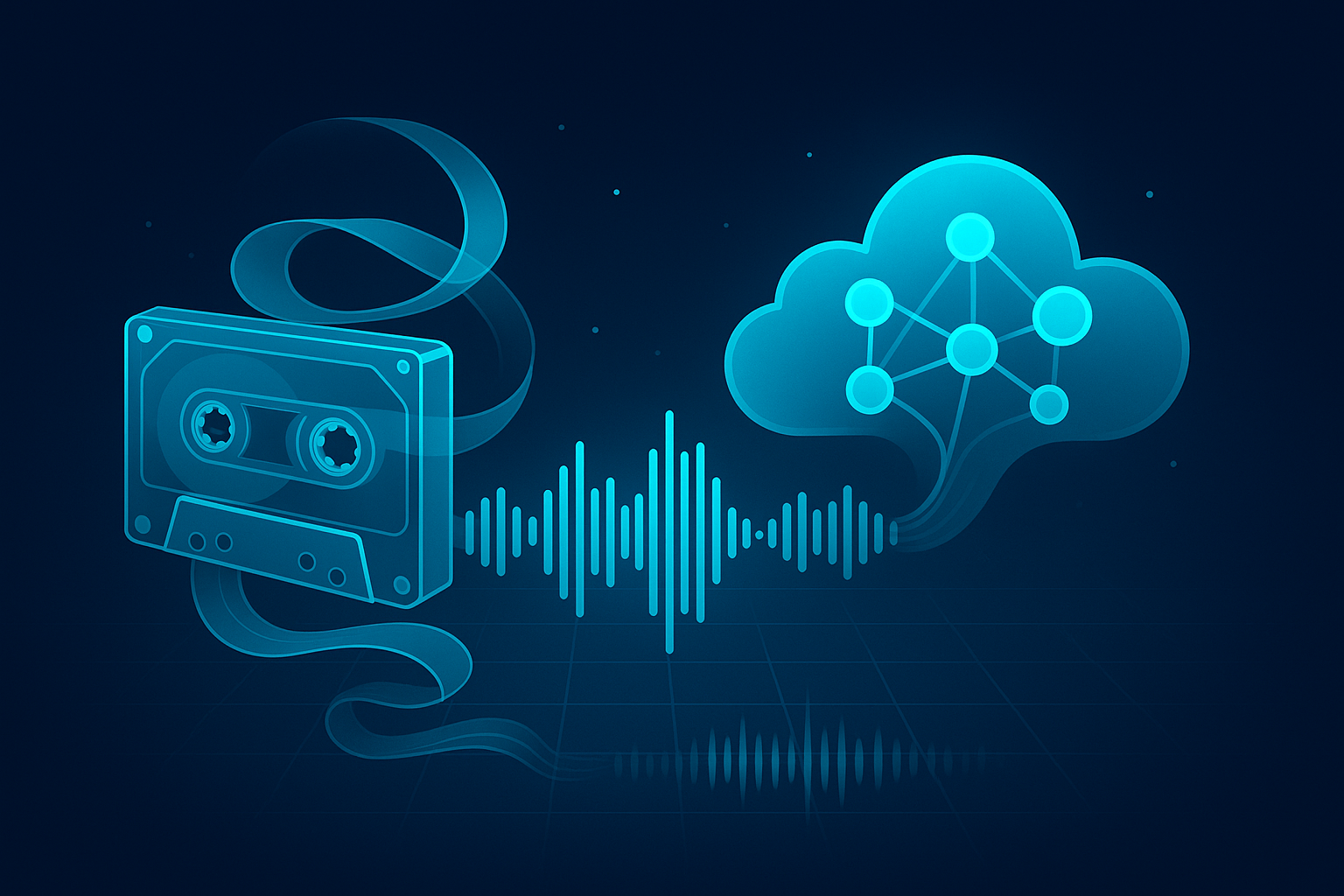
The progression from analog tape recorders to cloud-native AI represents a fundamental shift in how healthcare organizations approach clinical documentation. Early dictation systems required physical media management and manual transcription workflows that created significant delays between patient encounters and completed records. Digital recorders improved portability and audio quality but still relied heavily on human transcriptionists for text conversion.
Today's cloud-native AI solutions have revolutionized the entire dictation workflow. These platforms combine advanced speech recognition algorithms with medical-specific language models, enabling real-time transcription with accuracy rates exceeding 95% for standard medical terminology. The integration capabilities allow direct posting to EHR systems, eliminating the traditional delays associated with batch processing and manual file transfers.
Dedicated Medical Dictation Hardware Solutions
Medical dictation hardware has evolved to address the unique demands of clinical environments. Specialized devices like the Philips SpeechMike series incorporate ergonomic designs with antimicrobial surfaces, essential for maintaining hygiene standards in patient care areas. These devices feature noise-canceling microphones optimized for medical terminology recognition and barcode scanning capabilities that link dictated content directly to specific patient records.
Professional-grade dictation microphones offer superior audio capture compared to standard computer microphones, resulting in higher transcription accuracy and reduced editing requirements. Many devices include programmable buttons for common functions like play, pause, and priority flagging, enabling physicians to maintain workflow efficiency during patient encounters.
Hardware selection should align with specialty-specific requirements. Surgical environments may require wireless solutions that maintain audio quality despite movement, while radiology departments benefit from desktop units with large displays for reviewing transcribed reports alongside imaging studies.
Software and Cloud-Based Dictation Platforms
Cloud-based dictation for doctors platforms have become the preferred solution for healthcare organizations seeking scalability and integration flexibility. These systems leverage machine learning algorithms trained on vast medical datasets, enabling recognition of complex terminology across multiple specialties. For example, some cloud speech-to-text medical models demonstrate specialized capabilities for clinical conversation analysis and structured report generation.
The advantages of cloud deployment extend beyond basic speech recognition. Modern platforms offer automatic vocabulary updates, ensuring recognition accuracy improves as medical terminology evolves. Multi-device synchronization allows physicians to begin dictation on mobile devices and complete editing on desktop systems, supporting the mobile nature of clinical practice.
For more information about our company and our commitment to innovation in medical dictation, visit our About page.
Workflow Integration and Process Automation
Effective medical dictation systems integrate seamlessly with existing EHR workflows, eliminating the need for duplicate data entry or manual file management. Direct dictation capabilities allow physicians to speak into EHR fields, with transcribed text appearing in real-time for immediate review and editing. This integration reduces documentation time while maintaining the accuracy required for clinical decision-making.
Automated routing systems ensure dictated content reaches appropriate personnel for review and approval. Priority flagging capabilities allow urgent reports to bypass standard queues, critical for time-sensitive clinical situations. Template customization supports specialty-specific documentation requirements, with pre-defined structures for common procedures and assessments.
| Solution Type | Implementation Speed | Integration Complexity | Accuracy Rate | Cost Structure |
|---|---|---|---|---|
| Vynta Medical Dictation | 2-3 weeks | Native EHR integration | 98%+ specialty-optimized | Subscription with ROI guarantee |
| Traditional Hardware Systems | 4-6 weeks | Custom integration required | 85-90% general medical | High upfront capital |
| Generic Cloud Platforms | 1-2 weeks | Limited EHR compatibility | 80-85% basic medical | Per-usage pricing |
| Human Transcription Services | 1 week | File-based workflows | 95%+ but slow turnaround | Per-line or per-minute |
Security and Data Compliance in Medical Dictation
Healthcare dictation platforms must implement comprehensive security measures that protect patient information throughout the entire documentation lifecycle. End-to-end encryption ensures that dictated content remains secure during transmission from recording devices to transcription systems and final storage in EHR platforms. Advanced encryption protocols, including AES-256 standards, protect against unauthorized access even if data is intercepted during transmission.
Access control mechanisms provide granular permissions that align with clinical roles and responsibilities. Physicians can access only their own dictated content and assigned patient records, while transcriptionists and editors receive limited access to specific files requiring their attention. Automatic session timeouts and multi-factor authentication add additional layers of security, particularly important for mobile applications used in various clinical settings.
Audit trail capabilities track every interaction with dictated content, creating comprehensive logs that support compliance reporting and security investigations. These systems record user access, editing activities, and file transfers, providing the documentation necessary for HIPAA compliance audits and quality assurance reviews.
On-premises versus cloud hosting decisions involve careful consideration of security trade-offs. While on-premises solutions offer direct organizational control, cloud platforms often provide superior security infrastructure, including 24/7 monitoring, automatic security updates, and disaster recovery capabilities that exceed typical healthcare organization resources.
Implementation success depends on selecting solutions that balance automation capabilities with the specialized requirements of medical documentation. Healthcare organizations achieve optimal results when dictation systems integrate seamlessly with existing clinical workflows while maintaining the accuracy standards essential for patient care.
Setting Up an Effective Medical Dictation System
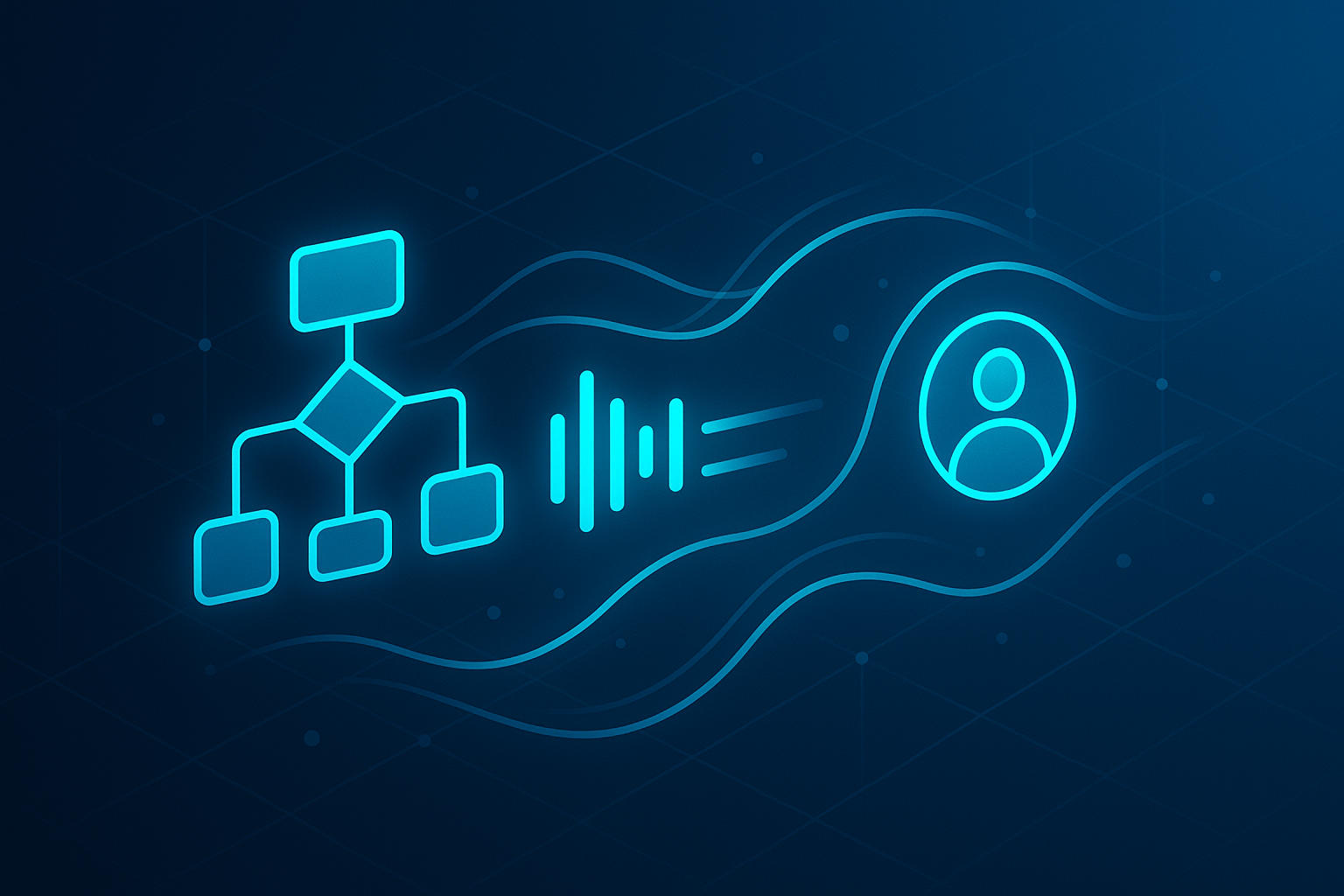
Successful medical dictation implementation requires systematic planning that addresses workflow analysis, technology selection, and user adoption strategies. Healthcare organizations must evaluate their current documentation processes to identify high-impact opportunities where dictation can reduce administrative burden while improving accuracy and speed.
For a closer look at how AI and NLP are transforming documentation and medical transcription, explore this authoritative resource.
Implementation: A Strategic Step-by-Step Approach
The implementation process begins with comprehensive workflow analysis to identify documentation bottlenecks and inefficiencies. Clinical teams should map current documentation touchpoints, measuring time spent on various note types and identifying specialty-specific requirements. This analysis reveals where dictation for doctors can deliver the greatest impact on productivity and patient care quality.
Technology selection must align with mobility requirements and specialty needs. Emergency departments require mobile solutions that function effectively in high-noise environments, while radiology departments benefit from desktop integration with imaging systems. Device compatibility with existing EHR platforms ensures seamless data flow without requiring duplicate entry or manual file transfers.
- Workflow Assessment: Document current processes and identify optimization opportunities
- Technology Evaluation: Select devices and software that match clinical requirements
- EHR Integration: Configure direct posting capabilities and automated routing
- User Training: Establish dictation best practices and voice profile optimization
- Quality Assurance: Implement review workflows and accuracy monitoring
Best Practices for Accurate and Efficient Dictation
Dictation accuracy depends heavily on consistent technique and environmental factors. Physicians achieve optimal results by speaking clearly at a moderate pace, using standard medical terminology, and minimizing background noise during recording. Consistent use of formatting commands and section headings creates structured documentation that requires minimal post-processing.
Voice profile training significantly improves recognition accuracy for individual users. Most modern systems learn from correction patterns, adapting to specific pronunciation patterns and frequently used terminology. Regular feedback and accuracy monitoring help maintain high performance standards over time.
Template utilization streamlines documentation for routine procedures and assessments. Specialty-specific templates provide structured frameworks that ensure comprehensive coverage while reducing dictation time. Custom vocabulary lists for unique terminology or abbreviations further enhance recognition accuracy.
Storage and Management of Dictated Files
Secure file storage policies must address both immediate access requirements and long-term retention compliance. Automated backup systems protect against data loss while maintaining HIPAA compliance through encrypted storage and access controls. File organization systems should support easy retrieval while maintaining audit trail requirements.
Retention management involves automated deletion schedules that comply with regulatory requirements while preserving files needed for ongoing care or legal purposes. Integration with existing document management systems ensures consistent policies across all clinical documentation types.
Human vs. AI Transcription: Collaboration, Not Competition
The evolution of medical dictation technology has created opportunities for enhanced human-AI collaboration rather than simple replacement of traditional transcription services. Modern AI systems excel at routine transcription tasks while human expertise remains essential for complex clinical scenarios, ambiguous terminology, and quality assurance oversight.
For a deeper dive into the latest upgrades in medical dictation software and ambient AI, read this external analysis.
Comparing Manual and Automated Approaches
AI-powered transcription delivers significant advantages in speed and scalability, processing dictated content in real-time compared to traditional turnaround times of several hours or days. Accuracy rates for standard medical terminology consistently exceed 95% with properly trained systems, while specialized vocabulary and complex clinical scenarios may require human review and editing.
Cost considerations favor AI solutions for high-volume, routine documentation while human transcriptionists provide value for complex cases requiring contextual understanding and clinical judgment. Hybrid approaches combine the efficiency of automated transcription with human expertise for quality assurance and specialized content review.
Human-in-the-Loop Quality Assurance
Experienced medical transcriptionists serve as quality control specialists, reviewing AI-generated transcriptions for accuracy, completeness, and clinical appropriateness. This collaboration model leverages AI efficiency while maintaining the domain expertise necessary for complex medical documentation. Human reviewers focus on ambiguous terminology, unusual clinical presentations, and specialty-specific nuances that require contextual understanding.
The most successful implementations combine AI speed with human expertise. Vynta's medical dictation platform exemplifies this approach, using advanced AI for initial transcription while providing seamless workflows for human review and editing when clinical complexity demands additional oversight.
Specialty-Specific Adaptations
Different medical specialties require customized approaches to dictation and transcription. Radiology reports benefit from structured templates and imaging-specific terminology, while surgical notes require precise procedural documentation and post-operative instruction clarity. Oncology documentation involves complex treatment protocols and medication regimens that demand high accuracy standards.
Accent recognition and technical jargon handling represent ongoing challenges that benefit from human oversight. International medical graduates and specialists using highly technical terminology may require additional voice training or human review to maintain accuracy standards essential for patient care and regulatory compliance.
The Future of Medical Dictation: Smart, Secure, and Human-Centric
The transformation of medical dictation from analog recording systems to intelligent AI-powered platforms represents a fundamental shift toward more efficient, accurate, and integrated clinical documentation. Healthcare organizations that embrace these technologies while maintaining focus on human-AI collaboration achieve measurable improvements in physician productivity, documentation quality, and patient care outcomes.
Success in medical dictation implementation requires careful attention to workflow integration, security compliance, and user adoption strategies. The most effective solutions combine advanced AI capabilities with human expertise, creating documentation workflows that enhance rather than replace the clinical judgment essential to quality healthcare delivery.
As healthcare continues to evolve toward value-based care models, efficient documentation systems become increasingly critical for demonstrating outcomes, supporting clinical decisions, and maintaining regulatory compliance. Organizations that invest in comprehensive dictation solutions position themselves for improved operational efficiency and enhanced patient care quality in an increasingly complex healthcare environment.
Frequently Asked Questions
What is dictation in medical?
Medical dictation is the process where healthcare professionals verbally record patient notes, clinical observations, and treatment plans, which are then converted into written documentation. This practice streamlines record-keeping, improves accuracy in medical charts, and helps clinicians focus more on patient care rather than manual note-taking.
Are medical transcriptionists still in demand?
Yes, medical transcriptionists remain in demand as they play a critical role in ensuring the accuracy and quality of medical records by reviewing and editing dictated content. While AI-driven tools assist with initial transcription, human expertise is essential for interpreting medical terminology and context, maintaining compliance, and safeguarding patient data integrity.
Do doctors still use dictation?
Many doctors continue to use dictation because it offers a faster and more natural way to document patient encounters compared to typing. Dictation supports higher productivity, especially when integrated with voice recognition software, and allows physicians to maintain thorough, legible records without sacrificing time with patients.
What software do medical transcriptionists use?
Medical transcriptionists typically use specialized transcription software that includes audio playback controls, text editors, and integration with electronic health record (EHR) systems. These tools often incorporate speech recognition technologies to expedite the transcription process while allowing human review for accuracy and compliance with medical documentation standards.
What is a dictation example?
A dictation example could be a physician verbally stating: 'Patient presents with acute bronchitis, reporting a persistent cough and mild fever for the past three days. Recommend chest X-ray and prescribe a five-day course of antibiotics.' This spoken input is then transcribed into the patient's medical record for reference and continuity of care.
Is Amazon Transcribe HIPAA compliant?
Amazon Transcribe offers a HIPAA-eligible service when used within the AWS environment under a signed Business Associate Agreement (BAA). This means healthcare organizations can leverage its speech-to-text capabilities while maintaining compliance with HIPAA regulations, provided they implement appropriate security measures and controls around protected health information.
About The Author
Anas Moujahid is the chief contributing writer & Operations Director for the Vynta Blog, where he turns cutting-edge AI automation into measurable business outcomes for mid-market companies.
Vynta designs enterprise-grade AI agents that augment rather than replace people, freeing teams to focus on higher-value work while the bots handle the busywork.
We specialise in four service-heavy verticals where AI can move the revenue needle fast: real estate, recruitment, fundraising and hospitality.
Anas started his career architecting AI and automation systems; today he leads operations at Vynta, making sure every deployment lands real-world ROI, whether that’s more booked viewings for estate agents, faster placements for recruiters, warmer investor pipelines for fundraisers or happier guests for hotels and restaurants.
Vynta delivers results by:
- Building industry-specific agents pre-trained on real-world workflows, no generic chatbots here.
- Integrating seamlessly with existing CRMs, ATSs, PMSs and fundraising platforms, zero rip-and-replace.
- Measuring success in business KPIs (lead-to-close rates, time-to-hire, donor retention, RevPAR) not vanity metrics.
- Providing transparent implementation plans so clients know exactly what to expect, when and why.
- Pairing every AI agent with human-in-the-loop controls to keep quality, compliance and brand voice on point.
Since launch, Vynta has helped agencies slash lead qualification time by up to 70 %, recruitment firms cut screening hours in half, fundraising teams triple investor touchpoints and hospitality brands lift guest satisfaction scores by double digits, all while keeping human expertise firmly in the loop.
Anas writes with the same ethos that drives Vynta: outcome-focused, jargon-free and grounded in real business value. Expect data-backed insights, practical implementation guides and a clear-eyed view of what AI can, and can’t, do for your organisation.