
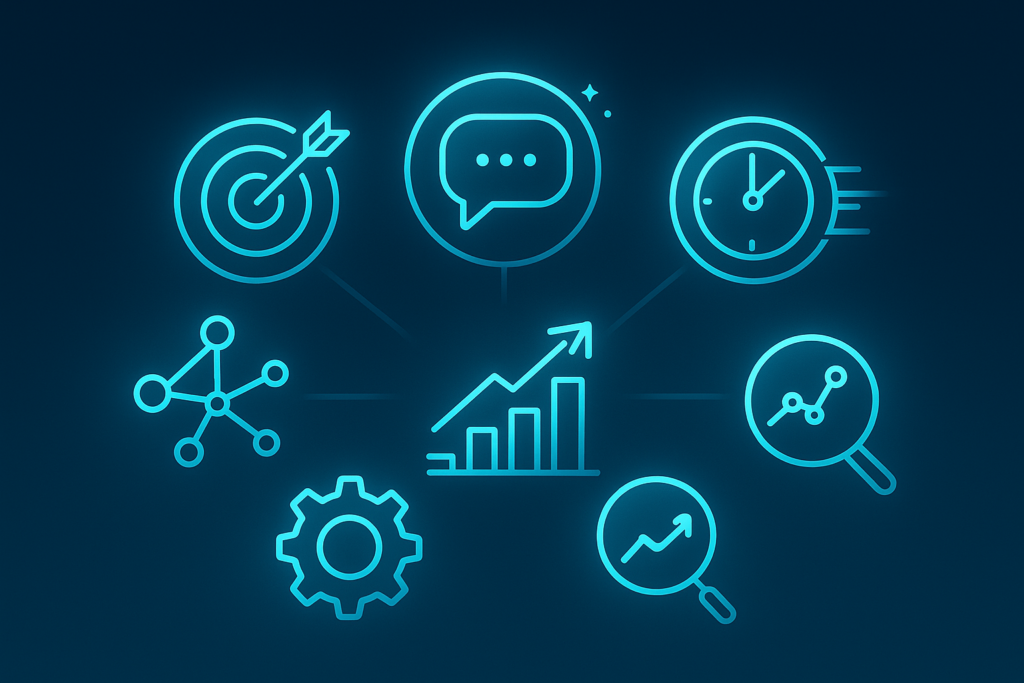
The sales landscape has fundamentally shifted. While traditional cold calling and manual email outreach once dominated B2B sales, today's high-performing sales teams rely on sophisticated outbound sales software to scale their prospecting efforts and drive predictable revenue growth.
Key Takeaways
- Outbound sales software automates and manages proactive sales activities such as prospecting, outreach, and follow-ups.
- The seven key features that drive results include lead prospecting, multi-channel outreach, AI personalization, pipeline management, CRM integration, analytics, and deliverability optimization.
- Top outbound sales platforms include Outreach.io, SalesLoft, Apollo.io, and HubSpot Sales Hub.
- Modern sales teams use outbound sales software to scale prospecting efforts and achieve predictable revenue growth.
- The sales landscape has shifted from traditional cold calling to sophisticated software-driven outbound strategies.
Table of Contents
In my experience leading operations at Vynta, I've seen firsthand how the right outbound sales tools can transform a struggling sales process into a revenue-generating machine. Whether you're managing a real estate agency trying to convert more leads, running a recruitment firm that needs to source quality candidates faster, or leading fundraising efforts that require systematic investor outreach, the principles remain the same: automation amplifies human capability, but only when implemented strategically.
The numbers tell the story. Companies using outbound sales software report 35% higher lead conversion rates and 42% faster sales cycles compared to manual processes. But here's what most articles won't tell you: not all outbound sales software is created equal, and choosing the wrong platform can actually hurt your results. For an in-depth look at top-performing tools, check out our b2b saas sales guide.
This comprehensive guide examines the seven critical features that separate high-performing outbound sales software from the rest. We'll explore how each feature drives measurable business outcomes, compare leading platforms across real-world use cases, and provide the framework you need to select the right solution for your specific industry and sales process.
What Is Outbound Sales Software?
Outbound sales software is a specialized platform designed to automate and manage proactive sales activities, from initial prospect identification through deal closure. Unlike traditional CRM systems that primarily track existing relationships, outbound sales tools focus on creating new opportunities through systematic, scalable outreach.
At its core, outbound sales software serves four primary functions:
- Lead Sourcing & Enrichment: Identifying and gathering detailed information about potential prospects
- Multi-Channel Outreach: Coordinating touchpoints across email, phone, social media, and direct mail
- Workflow Automation: Managing sequences, follow-ups, and task scheduling without manual intervention
- Performance Analytics: Tracking metrics, optimizing campaigns, and providing data-driven insights
The distinction between outbound and inbound sales approaches is crucial. Inbound sales software focuses on attracting prospects through content marketing, SEO, and lead magnets – essentially waiting for prospects to come to you. Outbound sales software takes the opposite approach: it helps you proactively identify and reach out to your ideal prospects, regardless of whether they're actively searching for your solution.
Modern outbound sales software has evolved far beyond simple email blast tools. Today's platforms incorporate artificial intelligence for personalization, advanced analytics for optimization, and sophisticated integrations that create seamless workflows across your entire sales tech stack.
The primary users of outbound sales software include:
- Sales Development Representatives (SDRs)
- Front-line prospectors who generate and qualify leads through outbound outreach
- Account Executives
- Closers who use outbound tools to re-engage prospects and accelerate deals
- Sales Managers
- Leaders who need visibility into team performance and pipeline health
- Business Owners
- Entrepreneurs who want to systematize their sales process and reduce dependence on manual effort
The technology landscape includes dedicated outbound platforms like Outreach.io and SalesLoft, all-in-one CRM solutions like HubSpot that include outbound features, and specialized point solutions that focus on specific aspects of the outbound process.
What makes outbound sales software particularly powerful is its ability to maintain the personal touch that drives sales success while operating at scale. The best platforms don't replace human judgment and relationship-building – they amplify these capabilities by handling routine tasks, providing relevant insights, and ensuring consistent follow-up.
For businesses in traditional relationship-driven industries like real estate, recruitment, fundraising, and hospitality, this balance is critical. Your prospects still want to feel like they're dealing with a real person who understands their specific needs, not a faceless automation system.
Key Outbound Sales Software Features & Functions
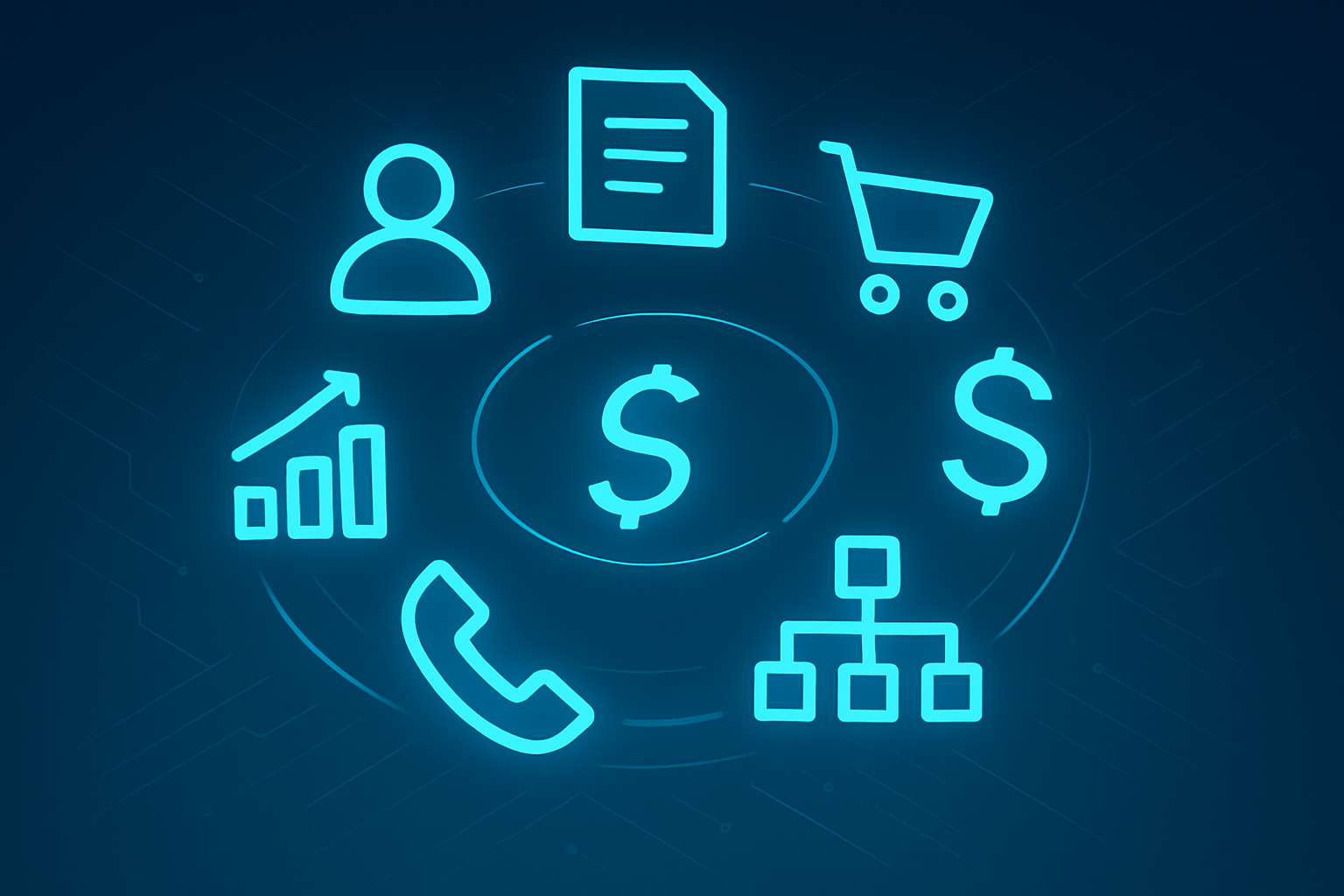
The effectiveness of any outbound sales software ultimately depends on seven core features that work together to create a comprehensive sales acceleration system. Having evaluated dozens of platforms across our client implementations at Vynta, I've identified the specific capabilities that separate high-performing tools from basic automation platforms.
These features don't operate in isolation – they create a multiplier effect when properly integrated. A real estate agency using lead scoring without proper follow-up automation will see limited results. Similarly, a recruitment firm with excellent outreach templates but poor analytics will struggle to optimize their approach over time.
Lead Prospecting & Data Enrichment
The foundation of successful outbound sales is reaching the right prospects with accurate, actionable information. Modern lead prospecting goes far beyond basic contact lists – it involves AI-powered research, real-time data validation, and intelligent prospect scoring.
- Database Access: Comprehensive B2B databases with 200+ million contacts, searchable by industry, company size, job title, and behavioral triggers
- Real-Time Enrichment: Automatic data updates including job changes, company news, and contact information verification
- Intent Signals: Identification of prospects showing buying intent through website visits, content downloads, and technology adoption
- Social Intelligence: LinkedIn profile analysis, social media activity monitoring, and professional network mapping
The best platforms integrate multiple data sources to create comprehensive prospect profiles. For example, a fundraising organization might identify potential donors based on recent exits, board positions, and philanthropic activity – information that would take hours to research manually.
Data accuracy is critical. Platforms with real-time verification report 40% higher email deliverability rates compared to those using static databases. This directly impacts your sender reputation and long-term outreach effectiveness.
Outreach Automation & Personalization
The most sophisticated outbound sales software combines automation scale with personalization depth. This isn't about sending mass emails – it's about creating individualized experiences that feel genuinely human while operating at machine efficiency.
Advanced personalization engines analyze prospect data to customize multiple message elements simultaneously:
- Dynamic Content Insertion
- Automatically pulls relevant company news, mutual connections, and industry insights into email templates
- Behavioral Triggers
- Adjusts messaging based on prospect actions like email opens, link clicks, or website visits
- Multi-Channel Orchestration
- Coordinates touchpoints across email, LinkedIn, phone, and direct mail based on prospect preferences
- A/B Testing Framework
- Continuously optimizes subject lines, send times, and message content based on performance data
The hospitality industry provides an excellent example of effective personalization. A hotel sales manager reaching out to corporate event planners can automatically reference the prospect's recent events, company size, and preferred venues – creating immediate relevance and credibility.
Pipeline & Workflow Management
Outbound sales software must seamlessly integrate with your existing sales process, not force you to adapt to rigid workflows. The best platforms provide flexible pipeline management that accommodates different sales cycles and team structures.
Key workflow capabilities include:
- Visual Pipeline Tracking: Drag-and-drop deal management with customizable stages and automated progression rules
- Task Automation: Intelligent scheduling of follow-ups, reminders, and next actions based on prospect behavior
- Team Collaboration: Shared inboxes, internal notes, and handoff protocols for seamless SDR-to-AE transitions
- CRM Integration: Bi-directional sync with Salesforce, HubSpot, Pipedrive, and other popular CRM platforms
The integration depth matters significantly. Surface-level integrations that only sync contact information create data silos and manual work. Deep integrations that sync activities, update deal stages, and trigger automated workflows provide the seamless experience that drives adoption and results.
For recruitment firms, effective pipeline management means tracking candidates through multiple stages while simultaneously managing client relationships. The best outbound sales software handles this complexity without requiring separate systems or manual data entry.
Analytics, Reporting & Optimization
Data-driven optimization separates professional outbound sales operations from amateur efforts. Modern platforms provide real-time analytics that go beyond basic open and click rates to deliver actionable insights about prospect behavior and campaign performance.
Comprehensive analytics platforms track multiple layers of performance data:
| Metric Category | Key Measurements | Business Impact |
|---|---|---|
| Engagement Metrics | Open rates, click-through rates, response rates | Message effectiveness and audience targeting |
| Conversion Metrics | Meeting booking rates, qualified lead ratios, pipeline velocity | Revenue generation and sales efficiency |
| Deliverability Metrics | Inbox placement, spam rates, sender reputation | Long-term outreach sustainability |
| Team Performance | Activity levels, quota attainment, individual rep performance | Coaching opportunities and resource allocation |
The most valuable analytics provide predictive insights, not just historical reporting. AI-powered platforms can identify which prospects are most likely to convert, recommend optimal send times, and suggest message modifications based on similar successful campaigns.
Advanced reporting capabilities include automated performance summaries, custom dashboard creation, and integration with business intelligence tools. This enables sales leaders to make data-driven decisions about resource allocation, territory assignments, and campaign optimization.
Real estate agencies using sophisticated analytics report 25% higher lead conversion rates by identifying the optimal number of touchpoints, preferred communication channels, and most effective messaging themes for different property types and price ranges.
The key is moving beyond vanity metrics to focus on leading indicators that predict revenue outcomes. Response rates matter, but qualified meeting rates and pipeline contribution provide clearer pictures of actual business impact.
Modern outbound sales software also incorporates conversation intelligence, analyzing email exchanges and call recordings to identify successful patterns and coaching opportunities. This creates a continuous improvement loop that enhances both individual rep performance and overall team effectiveness.
How to Choose the Right Outbound Sales Software
Selecting the optimal outbound sales software requires a systematic evaluation of your business requirements, technical infrastructure, and growth objectives. The wrong choice can result in poor adoption, wasted resources, and missed revenue opportunities.
Assess Business Size & Sales Process
Your organization's size and sales complexity directly influence which platform will deliver the best results. Small businesses need different capabilities than enterprise teams managing complex, multi-stakeholder deals.
For SMBs with 5-25 sales reps, prioritize ease of use, quick implementation, and affordable pricing. Platforms like HubSpot Sales Hub and Pipedrive offer intuitive interfaces with powerful automation without overwhelming complexity.
Enterprise teams require advanced features like sophisticated lead scoring, complex workflow automation, and extensive integration capabilities. Solutions like Outreach.io and SalesLoft provide the depth needed for large-scale operations but require more technical resources and training.
Consider your sales cycle length and deal complexity. Transactional sales benefit from high-volume automation, while consultative selling requires more personalization and relationship management features.
Feature Requirements Evaluation
Map your specific needs against available capabilities to avoid paying for unused features or missing critical functionality. The most expensive platform isn't always the best fit for your use case.
Essential feature categories to evaluate include:
- Lead Database Size & Quality: Verify coverage in your target industries and geographic markets
- Integration Depth: Ensure native connections with your existing CRM, marketing automation, and sales tools
- Personalization Capabilities: Test the platform's ability to customize messages at scale using your prospect data
- Deliverability Infrastructure: Confirm built-in email warming, spam monitoring, and sender reputation management
- Analytics Granularity: Evaluate reporting depth and customization options for your key performance metrics
For recruitment agencies, prioritize platforms with strong LinkedIn integration and candidate tracking capabilities. Real estate teams should focus on tools with robust CRM integration and property-specific personalization features.
Budget & Pricing Considerations
Outbound sales software pricing varies significantly based on features, user count, and data access. Understanding total cost of ownership helps avoid budget surprises and ensures sustainable growth.
Most platforms offer tiered pricing structures:
| Pricing Tier | Typical Monthly Cost | Key Features | Best For |
|---|---|---|---|
| Starter | $50-100 per user | Basic automation, limited integrations | Small teams, simple workflows |
| Professional | $100-200 per user | Advanced personalization, full CRM sync | Growing teams, complex processes |
| Enterprise | $200+ per user | Custom integrations, advanced analytics | Large organizations, high-volume operations |
Factor in additional costs like setup fees, training, and data credits. Some platforms charge separately for email sends, contact exports, or premium integrations.
Calculate ROI based on expected productivity gains and conversion improvements. A platform that increases meeting booking rates by 20% while saving 10 hours per rep per week often pays for itself within the first quarter.
Implementation Best Practices & ROI Optimization
Successful outbound sales software implementation requires strategic planning, proper configuration, and ongoing optimization. The most powerful platform delivers poor results without proper setup and team adoption.
Efficient Workflow Setup
Begin with clearly defined ideal customer profiles and buyer personas. Use the platform's filtering capabilities to create precise prospect segments based on firmographic, technographic, and behavioral data.
Develop message templates that balance personalization with scalability. Create modular content blocks that can be dynamically combined based on prospect characteristics, industry, and engagement history.
Sequence timing significantly impacts response rates. Test different cadences to find optimal intervals between touchpoints. B2B prospects typically respond well to 7-10 day intervals, while transactional sales may benefit from shorter cycles.
Deliverability & Compliance
Email deliverability directly impacts campaign success. Poor sender reputation can damage your domain's ability to reach prospect inboxes, undermining all other optimization efforts.
Implement proper email warming protocols before launching high-volume campaigns. Gradually increase send volumes while monitoring bounce rates, spam complaints, and engagement metrics.
Maintain compliance with regulations like GDPR, CAN-SPAM, and industry-specific requirements. Include proper opt-out mechanisms, maintain suppression lists, and document consent where required.
Continuous Optimization
The most successful outbound programs treat optimization as an ongoing process, not a one-time setup. Regular testing and refinement compound performance improvements over time.
A/B testing should cover multiple campaign elements simultaneously. Test subject lines, send times, message length, and call-to-action placement. Document results and apply learnings to future campaigns.
Monitor leading indicators like response rates and meeting booking rates alongside lagging indicators like pipeline contribution and closed deals. This provides early warning of performance issues and optimization opportunities.
The Future of Outbound Sales Software
Artificial intelligence and machine learning continue transforming outbound sales capabilities. Modern platforms increasingly leverage AI for prospect identification, message optimization, and predictive analytics.
Emerging trends include conversational AI for initial prospect engagement, advanced intent detection through behavioral analysis, and predictive lead scoring based on historical conversion patterns. For a deeper dive into upcoming trends and best practices, see this future of outbound sales automation resource.
The most successful organizations will combine human expertise with AI-powered automation to create personalized experiences at scale. This human-AI collaboration model amplifies individual rep capabilities while maintaining the relationship focus that drives complex B2B sales.
Integration depth will continue expanding, with platforms offering more sophisticated connections to marketing automation, customer success, and business intelligence tools. This creates unified revenue operations that optimize the entire customer lifecycle.
Choosing the right outbound sales software requires balancing current needs with future growth plans. The best platforms provide immediate productivity gains while offering scalability for evolving requirements. Focus on solutions that enhance your team's capabilities rather than replacing human judgment and relationship-building skills.
Success with outbound sales software depends on strategic implementation, consistent optimization, and team adoption. The most sophisticated features deliver minimal value without proper training and ongoing refinement. Invest in platforms that provide strong support resources and prioritize user experience alongside powerful functionality. For additional insights on outbound sales tools and how they accelerate growth, check out this guide to outbound sales tools.
Frequently Asked Questions
What is outbound sales software?
Outbound sales software is a specialized tool designed to streamline and optimize the process of proactively reaching out to potential customers. It integrates communication channels like email, phone, and social media to manage prospect lists, automate follow-ups, and track interactions, ultimately improving lead conversion rates and sales efficiency.
How do you automate outbound sales?
Automating outbound sales involves using software to handle repetitive tasks such as prospect list management, personalized email sequencing, call scheduling, and follow-up reminders. This reduces manual effort, ensures timely outreach, and allows sales teams to focus on high-value conversations, driving measurable improvements in pipeline velocity and conversion rates.
What is the best sales software?
The best sales software is one that aligns with your specific business needs, integrates seamlessly with your existing systems, and delivers measurable ROI through increased lead engagement and streamlined workflows. It should offer industry-specific features that enhance human sales efforts rather than replace them, providing actionable insights and automation in areas like lead qualification and follow-up management.
What are the KPIs for outbound sales?
Key performance indicators for outbound sales include metrics such as contact rate, response rate, lead conversion rate, average deal size, sales cycle length, and revenue generated per outreach effort. Tracking these KPIs helps businesses optimize their sales strategies, improve team productivity, and directly measure the impact of outbound campaigns on revenue growth.
Is outbound sales cold calling?
Outbound sales can include cold calling, but it is not limited to it. While cold calling involves contacting prospects with no prior engagement, outbound sales also encompasses warm outreach through personalized emails, social media interactions, and follow-up sequences. Effective outbound sales strategies combine multiple touchpoints to build relationships and increase conversion chances.
What do you mean by CRM software?
CRM software, or Customer Relationship Management software, is a platform that centralizes customer data, tracks interactions, and manages relationships throughout the sales lifecycle. It enables sales teams to organize leads, monitor communication history, forecast sales, and automate routine tasks, ensuring a consistent and informed approach to customer engagement that drives higher retention and revenue.
About The Author
Anas Moujahid is the chief contributing writer & Operations Director for the Vynta Blog, where he turns cutting-edge AI automation into measurable business outcomes for mid-market companies.
Vynta designs enterprise-grade AI agents that augment rather than replace people,freeing teams to focus on higher-value work while the bots handle the busywork.
We specialise in four service-heavy verticals where AI can move the revenue needle fast: real estate, recruitment, fundraising and hospitality.
Anas started his career architecting AI and automation systems; today he leads operations at Vynta, making sure every deployment lands real-world ROI,whether that’s more booked viewings for estate agents, faster placements for recruiters, warmer investor pipelines for fundraisers or happier guests for hotels and restaurants.
Vynta delivers results by:
- Building industry-specific agents pre-trained on real-world workflows,no generic chatbots here.
- Integrating seamlessly with existing CRMs, ATSs, PMSs and fundraising platforms,zero rip-and-replace.
- Measuring success in business KPIs (lead-to-close rates, time-to-hire, donor retention, RevPAR) not vanity metrics.
- Providing transparent implementation plans so clients know exactly what to expect, when and why.
- Pairing every AI agent with human-in-the-loop controls to keep quality, compliance and brand voice on point.
Since launch, Vynta has helped agencies slash lead qualification time by up to 70 %, recruitment firms cut screening hours in half, fundraising teams triple investor touchpoints and hospitality brands lift guest satisfaction scores by double digits,all while keeping human expertise firmly in the loop.
Anas writes with the same ethos that drives Vynta: outcome-focused, jargon-free and grounded in real business value. Expect data-backed insights, practical implementation guides and a clear-eyed view of what AI can,and can’t,do for your organisation.