
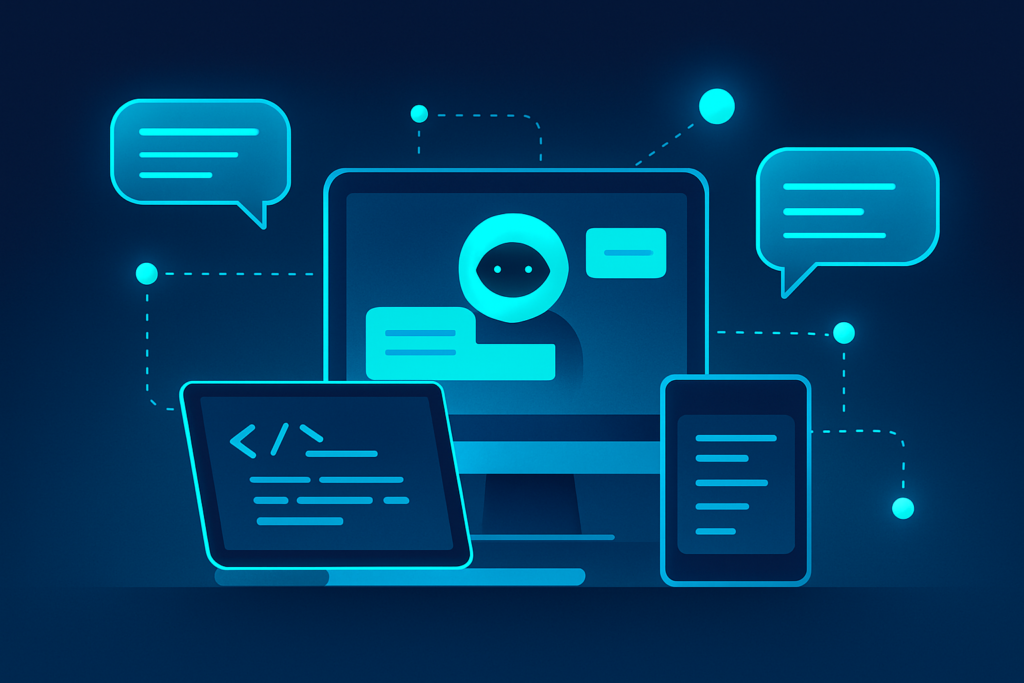
The digital landscape of 2025 demands more than just functional chatbot interfaces,it requires chatbot UI designs that seamlessly blend artificial intelligence capabilities with human-centered design principles. As AI automation becomes increasingly sophisticated across industries like real estate, recruitment, fundraising, and hospitality, the interface through which users interact with these systems can make or break the entire customer experience.
Key Takeaways
- Chatbot UI designs in 2025 should prioritize user-friendly features with clear visual hierarchy and responsive layouts.
- Brand-aligned styling and accessibility compliance are essential for effective chatbot interfaces.
- Intuitive message flows and quick action buttons enhance user interaction and satisfaction.
- Seamless compatibility across devices ensures consistent chatbot performance for all users.
- Transparent fallback options are necessary when AI capabilities reach their limits to maintain trust.
Table of Contents
Understanding the distinction between chatbot UI and chatbot UX is crucial for business leaders implementing AI solutions. While chatbot design focuses on the visual and interactive elements,message windows, buttons, input fields, and status indicators,the user experience encompasses the broader journey of satisfaction, task completion, and emotional impact. Both elements must work in harmony to deliver the measurable business outcomes that mid-market SMEs need.
For operations directors and business owners evaluating AI automation solutions, the chatbot interface represents the first point of contact between your customers and your AI-powered systems. Whether you're managing property inquiries in real estate, candidate screening in recruitment, donor communications in fundraising, or guest services in hospitality, the quality of your ai chatbot user interface directly impacts conversion rates, user satisfaction, and ultimately, your bottom line.
Foundations of Effective Chatbot UI Design
Modern chatbot interfaces must balance technical sophistication with intuitive usability. The core elements that define successful chatbot UI include message bubbles with clear visual hierarchy, responsive input fields that adapt to different devices, and strategically placed action buttons that guide users through optimal conversation flows.
The foundation of any effective chatbot interface lies in understanding your specific industry requirements. Real estate agencies need interfaces that can handle property image galleries and scheduling widgets, while recruitment firms require document upload capabilities and calendar integrations. Fundraising organizations benefit from donor portal connections, and hospitality businesses need reservation system integrations built directly into their chat interfaces, and for streamlining administrative tasks many organizations are turning to ai executive assistants.
Successful chatbot ui designs in 2025 prioritize mobile-first approaches, considering that most customer interactions now occur on smartphones and tablets. This means implementing touch-friendly button sizes, readable typography across screen sizes, and conversation flows that work seamlessly whether users are browsing properties on their commute, reviewing candidate profiles between meetings, checking donation updates on mobile devices, or interacting with a sales bot to streamline inquiries.
The technical architecture supporting your chatbot interface must also align with your business scalability goals. Cloud-based solutions offer the flexibility to handle traffic spikes during peak seasons,whether that's property hunting season in real estate, hiring surges in recruitment, year-end giving campaigns in fundraising, or holiday bookings in hospitality.
Designing a Chatbot UI from Scratch
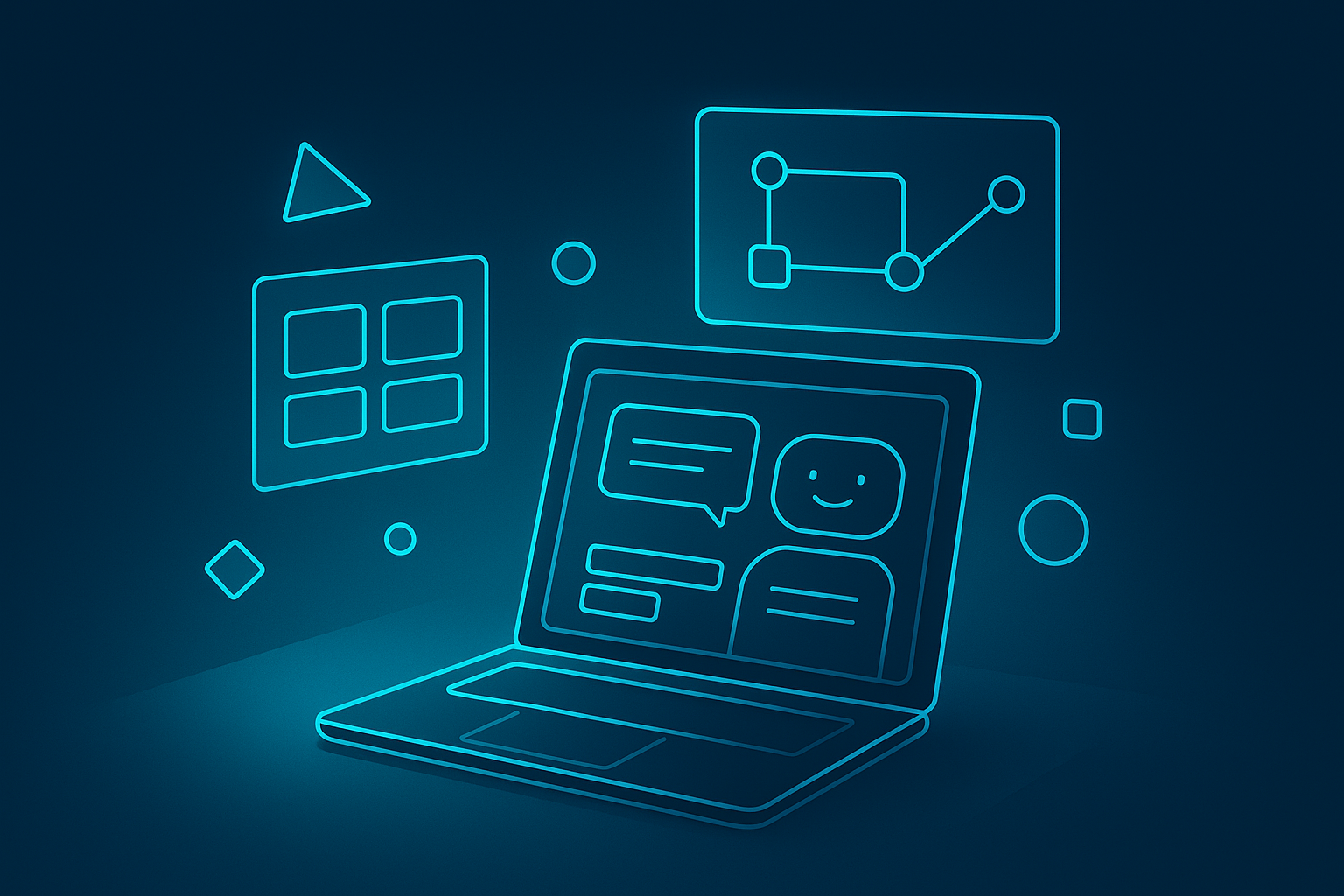
Building an effective chatbot interface requires a systematic approach that begins with understanding your users' specific needs and business objectives. The process starts with comprehensive user journey mapping, where you identify the primary goals customers have when interacting with your business,whether they're searching for properties, seeking job opportunities, exploring donation options, or booking hospitality services.
For real estate agencies, this means mapping the journey from initial property inquiry through scheduling viewings and closing deals. Recruitment firms need to consider the candidate experience from job discovery through application submission and interview coordination. Fundraising organizations must design flows that guide potential donors from initial interest through contribution completion, while hospitality businesses need interfaces that seamlessly handle reservations, special requests, and upselling opportunities.
The visual and interaction elements of your chatbot ui design must align with your brand identity while prioritizing usability. This includes selecting appropriate color schemes that maintain readability across different lighting conditions, choosing typography that works across devices, and implementing message bubble designs that clearly distinguish between user inputs and bot responses.
Rich media integration capabilities are essential for industry-specific applications. Real estate chatbots need to display property images, floor plans, and virtual tour links within the conversation flow. Recruitment interfaces should handle resume uploads, portfolio displays, and video interview scheduling. Fundraising chatbots benefit from impact visualization and donation progress tracking, while hospitality interfaces need menu displays, room imagery, and amenity information.
| Industry | Essential UI Elements | Key Integration Requirements |
|---|---|---|
| Real Estate | Property galleries, map widgets, scheduling buttons | MLS systems, CRM platforms, calendar tools |
| Recruitment | File upload, candidate profiles, interview scheduling | ATS systems, job boards, video platforms |
| Fundraising | Donation forms, impact meters, event listings | Payment processors, donor databases, event management |
| Hospitality | Reservation forms, menu displays, service requests | PMS systems, payment gateways, service management |
Prototyping and testing represent critical phases in chatbot ui designs development. Use tools that allow you to simulate real conversations with multiple user personas, testing different conversation paths and identifying potential friction points. This iterative approach helps ensure your interface works effectively for users with varying levels of digital literacy and different interaction preferences.
The testing phase should include accessibility audits to ensure your chatbot interface meets WCAG guidelines, particularly important for organizations serving diverse populations. This includes keyboard navigation support, screen reader compatibility, and high-contrast mode functionality,requirements that are often overlooked but essential for inclusive design.
Customizing Chatbot UI for Branding and Engagement
Brand alignment in chatbot interfaces extends far beyond applying your company colors and logo. Successful customization involves creating a cohesive experience that reflects your organization's personality, values, and communication style throughout every interaction. This is particularly crucial for service-based industries where trust and relationship-building drive business success.
The conversation tone and language patterns within your chatbot interface should mirror your brand's established voice. A luxury real estate agency requires formal, sophisticated language with emphasis on exclusive opportunities and personalized service. A tech recruitment firm might adopt a more casual, innovative tone that resonates with startup culture. Nonprofit fundraising organizations need empathetic, mission-driven language that connects with donors' values, while boutique hospitality businesses can embrace warm, personable communication that reflects their intimate service approach.
Advanced customization features enable deeper engagement through personalization capabilities. Modern ai chatbot user interface systems can adapt their presentation based on user behavior, returning visitor recognition, and contextual information. This means showing different property types to first-time homebuyers versus seasoned investors, presenting relevant job opportunities based on candidate profiles, tailoring donation appeals to previous giving history, or customizing service recommendations based on guest preferences.
Multi-channel deployment requires careful consideration of platform-specific UI adaptations while maintaining brand consistency. Your chatbot interface needs to function seamlessly whether embedded on your website, integrated into your mobile app, or deployed across messaging platforms like WhatsApp, Facebook Messenger, or Slack. Each platform has unique constraints and user expectations that must be accommodated without compromising your core brand experience.
Implementing and Deploying Chatbot UI
The technical implementation phase of your chatbot ui transforms design concepts into functional business tools that deliver measurable results. Choosing the right technology stack requires balancing customization capabilities with implementation complexity, particularly for organizations without dedicated AI development teams.
Open-source frameworks offer extensive customization options while providing community support and regular updates. These solutions work well for businesses requiring unique branding or specialized industry features. However, the implementation requires technical expertise and ongoing maintenance responsibilities that many mid-market organizations prefer to outsource.
Cloud-based deployment considerations extend beyond basic hosting requirements. Your chatbot interface needs to handle varying conversation volumes, integrate with existing business systems, and maintain consistent performance across different user devices and connection speeds. This is particularly critical for businesses with seasonal fluctuations,real estate agencies during peak buying seasons, recruitment firms during hiring surges, fundraising organizations during campaign periods, or hospitality businesses during tourist seasons.
Security and compliance requirements vary significantly across industries. Real estate agencies must protect sensitive financial information and personal data throughout property transactions. Recruitment firms handle confidential candidate information and employment details. Fundraising organizations manage donor privacy and payment processing security. Hospitality businesses collect guest preferences and booking details that require careful data protection.
Integration complexity often determines implementation success more than interface design quality. Your chatbot ui design must seamlessly connect with existing CRM systems, scheduling platforms, payment processors, and communication tools. This requires careful API planning and data synchronization strategies that maintain conversation context while updating relevant business systems in real-time.
Performance monitoring and optimization represent ongoing requirements rather than one-time setup tasks. Successful deployments include analytics tracking for conversation completion rates, user satisfaction scores, and business outcome metrics. This data drives continuous improvement cycles that refine conversation flows, update response accuracy, and enhance user experience based on actual usage patterns.
Best Practices and Modern Trends for 2025
The evolution of chatbot interfaces in 2025 emphasizes predictive engagement and proactive assistance rather than reactive response systems. Modern implementations anticipate user needs based on behavioral patterns, seasonal trends, and contextual information to provide relevant suggestions before users request them.
Conversational AI capabilities now enable more sophisticated dialogue management that maintains context across multiple interaction sessions. This means remembering previous property preferences for returning real estate clients, tracking candidate application progress for recruitment interactions, following up on donation commitments for fundraising conversations, or personalizing service recommendations based on guest history in hospitality settings.
Mobile-first design principles have become essential rather than optional, with over 70% of chatbot interactions now occurring on mobile devices. This requires careful attention to thumb-friendly interface elements, optimized loading speeds, and conversation flows that work effectively on smaller screens without sacrificing functionality.
Accessibility compliance has evolved from optional consideration to legal requirement in many jurisdictions. Modern ai chatbot user interface designs must include keyboard navigation support, screen reader compatibility, voice input capabilities, and visual accommodation options. This inclusive approach often improves usability for all users while expanding your potential customer base. For more on accessibility and design, see this chatbot best practices 2025 guide.
The integration of voice interfaces alongside text-based interactions creates more natural user experiences. Users can switch between typing and speaking within the same conversation, particularly valuable for complex interactions like property descriptions, detailed job requirements, donation impact explanations, or special accommodation requests.
Successful chatbot ui designs in 2025 prioritize emotional intelligence and empathy in their interaction patterns. This includes recognizing user frustration and escalating to human support, celebrating successful outcomes with appropriate enthusiasm, and maintaining professional empathy during sensitive conversations about financial decisions, career changes, charitable giving, or travel disruptions.
The measurement of chatbot success has expanded beyond basic metrics like response time and conversation completion. Modern evaluation includes business impact measurements: lead conversion rates for real estate, placement success rates for recruitment, donor retention rates for fundraising, and guest satisfaction scores for hospitality. These outcome-focused metrics drive interface optimization decisions and demonstrate clear ROI for chatbot investments. For further reading on effective chatbot design, check out this external resource.
As we move forward, the most successful chatbot implementations will be those that seamlessly blend advanced AI capabilities with human-centered design principles, creating interfaces that feel natural, helpful, and genuinely valuable to users while delivering measurable business results across all industry verticals. To learn more about our approach, visit our About page.
Frequently Asked Questions
How do you design a chatbot?
Designing a chatbot starts with clearly defining the business objectives and user needs it will address, ensuring it delivers measurable outcomes such as improved customer engagement or operational efficiency. The process involves crafting a conversational flow that feels natural and intuitive, incorporating industry-specific language and use cases, while balancing automation with opportunities for human intervention to preserve personalized service.
How to design a chatbox?
Designing a chatbox involves creating a user-friendly interface that seamlessly integrates into the customer journey, prioritizing ease of access and responsiveness across devices. Key considerations include clear visual cues, quick response options, and contextual prompts that guide users efficiently, all while maintaining brand consistency and supporting the chatbot’s underlying conversational capabilities.
Can ChatGPT create UI design?
ChatGPT can assist in generating ideas, wireframes, and written specifications for UI design by interpreting user requirements and providing design suggestions in natural language. However, it does not directly build or code UI components; practical UI design implementation still requires specialized design tools and developer expertise to translate concepts into functional interfaces.
What is the system design of a chatbot?
The system design of a chatbot typically includes components such as natural language understanding (NLU) for interpreting user input, dialogue management to control conversation flow, backend integrations for accessing data or executing tasks, and user interface layers for interaction. This architecture ensures the chatbot can process requests accurately, deliver relevant responses, and integrate seamlessly with existing business systems to drive real-world outcomes.
Can I create my own AI like ChatGPT?
Creating an AI model comparable to ChatGPT requires significant resources, including vast amounts of training data, computational power, and expertise in machine learning architectures. For most mid-market businesses, a more practical approach is leveraging pre-built AI platforms and customizing them with industry-specific data to achieve targeted automation and efficiency gains without building a large-scale AI from scratch.
About The Author
Anas Moujahid is the chief contributing writer & Operations Director for the Vynta Blog, where he turns cutting-edge AI automation into measurable business outcomes for mid-market companies.
Vynta designs enterprise-grade AI agents that augment rather than replace people,freeing teams to focus on higher-value work while the bots handle the busywork.
We specialise in four service-heavy verticals where AI can move the revenue needle fast: real estate, recruitment, fundraising and hospitality.
Anas started his career architecting AI and automation systems; today he leads operations at Vynta, making sure every deployment lands real-world ROI,whether that’s more booked viewings for estate agents, faster placements for recruiters, warmer investor pipelines for fundraisers or happier guests for hotels and restaurants.
Vynta delivers results by:
- Building industry-specific agents pre-trained on real-world workflows,no generic chatbots here.
- Integrating seamlessly with existing CRMs, ATSs, PMSs and fundraising platforms,zero rip-and-replace.
- Measuring success in business KPIs (lead-to-close rates, time-to-hire, donor retention, RevPAR) not vanity metrics.
- Providing transparent implementation plans so clients know exactly what to expect, when and why.
- Pairing every AI agent with human-in-the-loop controls to keep quality, compliance and brand voice on point.
Since launch, Vynta has helped agencies slash lead qualification time by up to 70 %, recruitment firms cut screening hours in half, fundraising teams triple investor touchpoints and hospitality brands lift guest satisfaction scores by double digits,all while keeping human expertise firmly in the loop.
Anas writes with the same ethos that drives Vynta: outcome-focused, jargon-free and grounded in real business value. Expect data-backed insights, practical implementation guides and a clear-eyed view of what AI can,and can’t,do for your organisation.