
What is an AI Chatbot and Why Your Business Needs One
The AI chatbot revolution is here, and it's transforming how businesses across real estate, recruitment, fundraising, and hospitality engage with their customers. In 2025, the global chatbot market is projected to reach $15.6 billion, with nearly 1 billion active users worldwide. These aren't just impressive statistics,they represent a fundamental shift in how successful businesses operate.
Key Takeaways
- Creating an AI chatbot involves five key steps, from defining its purpose to continuous optimization.
- AI chatbots are revolutionizing customer engagement in industries like real estate, recruitment, fundraising, and hospitality.
- The global chatbot market is expected to reach $15.6 billion by 2025, highlighting its growing importance.
- Nearly 1 billion users worldwide actively interact with chatbots, demonstrating widespread adoption.
- Successful businesses are increasingly leveraging AI chatbots to transform their operations and customer interactions.
Table of Contents
- What is an AI Chatbot and Why Your Business Needs One
- Types of AI Chatbots: Choosing the Right Approach for Your Business
- Choosing the Right Platform: No-Code vs. Custom Development
- Key Platform Selection Criteria
- Essential Features for Your AI Chatbot Platform
- Step-by-Step Guide to Building Your AI Chatbot
- Leveraging Advanced AI Technologies
- Best Practices and Common Troubleshooting
- Measuring Success and ROI
- Conclusion: Your AI Chatbot Success Strategy
As Operations Director at Vynta, I've witnessed firsthand how AI chatbots deliver measurable business outcomes for mid-market SMEs. From real estate agencies qualifying leads 24/7 to recruitment firms screening candidates automatically, AI chatbots are no longer a luxury,they're a competitive necessity.
But here's what most business owners don't realize: you don't need a computer science degree to create your own AI chatbot. With the right approach and tools, you can build a sophisticated AI assistant that handles customer inquiries, qualifies prospects, and automates routine tasks while you focus on growing your business.
AI Chatbots vs. Traditional Chatbots: Understanding the Difference
Before diving into the creation process, let's clarify what makes an AI chatbot different from traditional rule-based bots. Traditional chatbots follow predetermined scripts,think of them as digital flowcharts that respond to specific keywords. AI chatbots, however, use Natural Language Processing (NLP) and machine learning to understand context, intent, and nuance in human conversation.
For example, when a potential client asks your real estate chatbot, "What homes are available in my price range near good schools?" an AI chatbot understands the multiple variables involved,budget, location preferences, and family needs,while a traditional bot might only recognize the keyword "homes" and provide a generic response.
How AI Chatbots Transform Business Operations
The real power of AI chatbots lies in their ability to augment human capabilities rather than replace them. In my experience working with businesses across our four core verticals, I've seen how human or AI bots create measurable impact, enhancing efficiency, engagement, and decision-making across teams.
- Real Estate: Automated lead qualification increases conversion rates by 35% while agents focus on closing deals
- Recruitment: Initial candidate screening reduces time-to-hire by 50% and improves placement quality
- Fundraising: Donor engagement automation increases retention rates by 25% through personalized communication
- Hospitality: Guest service automation boosts satisfaction scores while reducing operational costs
These aren't theoretical benefits,they're real outcomes we've measured across hundreds of implementations. The key is understanding that successful AI chatbot creation isn't about building the most technically sophisticated system; it's about creating a solution that delivers specific business results. Whether you're deploying a chatbot or an AI Sales Pitch Generator, the focus should always be on tangible impact,not just technical complexity.
Why 2025 is the Perfect Time to Build Your AI Chatbot
Three factors make 2025 the ideal year for SMEs to create their own AI chatbots:
Technological Maturity: AI platforms have evolved from experimental tools to enterprise-ready solutions. Modern chatbot builders offer no-code options that don't require programming expertise, while still providing the sophistication needed for complex business workflows. Whether you're automating support or crafting persuasive messaging, an AI Sales Pitch Generator can streamline how businesses communicate value at scale.
Cost Accessibility: What once required six-figure investments is now available for as little as $50 per month. The democratization of AI technology means mid-market businesses can access the same capabilities that were previously exclusive to Fortune 500 companies.
Market Readiness: Your customers expect AI-powered interactions. Whether they're browsing properties at midnight, applying for jobs on weekends, or seeking donation information during events, they want immediate, intelligent responses. Businesses without AI chatbots are increasingly seen as outdated.
Addressing Common AI Chatbot Misconceptions
In my conversations with business owners, I encounter the same concerns repeatedly. Let me address the most common misconceptions:
"It's too complicated for non-technical people." Modern AI chatbot platforms are designed for business users, not developers. If you can use email marketing software or social media management tools, you can build an AI chatbot.
"Customers prefer human interaction." Research shows that 67% of customers prefer chatbots for quick queries, reserving human interaction for complex issues. AI chatbots actually improve customer satisfaction by providing instant responses and escalating appropriately.
"It will replace our staff." AI chatbots augment human capabilities rather than replace them. They handle routine inquiries so your team can focus on high-value activities like closing deals, conducting interviews, or providing personalized service.
Setting Realistic Expectations for Your AI Chatbot Journey
Creating an effective AI chatbot is a process, not a one-time setup. Based on our experience implementing chatbots across various industries, here's what you can realistically expect:
Initial Setup: A basic AI chatbot can be created and deployed within 2-3 weeks, even without technical expertise. This includes defining your bot's purpose, selecting a platform, and creating initial conversational flows tailored to your specific Chatbot Use Case.
Optimization Period: The first 30-60 days post-launch are crucial for refinement. You'll analyze user interactions, identify gaps in your bot's knowledge, and adjust responses based on real customer feedback.
Ongoing Improvement: The most successful AI chatbots evolve continuously. Monthly updates to knowledge bases, seasonal adjustments for industry trends, and integration with new business tools ensure your chatbot remains effective.
The investment in creating your own AI chatbot pays dividends quickly. Most businesses see positive ROI within 90 days through reduced support costs, increased lead qualification, and improved customer satisfaction scores.
In the next section, we'll explore the different types of AI chatbots available and help you determine which approach best fits your business needs and technical capabilities.
Types of AI Chatbots: Choosing the Right Approach for Your Business
vynta.ai/wp-content/uploads/2025/07/futuristic_digital_nexus_with_glowing_neural_threa.webp" alt="Futuristic digital nexus with glowing neural threads connecting AI chatbot icons across sectors." />
Understanding the different types of AI chatbots is crucial for making an informed decision about which approach will best serve your business needs. As someone who has implemented chatbot solutions across real estate, recruitment, fundraising, and hospitality sectors, I can tell you that the "one-size-fits-all" approach rarely works.
Modern AI chatbots fall into several categories based on their interaction modes and underlying technology. Let me break down the key distinctions that matter for your business decision.
Text-Based vs. Voice-Enabled Chatbots
Text-based chatbots are the most common and practical starting point for most SMEs. They operate through written conversations on websites, messaging apps, or mobile applications. These bots excel at handling detailed inquiries where customers can provide specific information,like property requirements, job qualifications, or donation preferences.
Voice-enabled chatbots use speech recognition and text-to-speech technology to conduct spoken conversations. While impressive, they're typically more complex to implement and better suited for specific use cases like phone-based customer service or smart device integration.
For most businesses starting their AI chatbot journey, text-based solutions offer the best balance of functionality, cost-effectiveness, and implementation simplicity.
Rule-Based vs. AI-Powered Chatbots
This distinction is fundamental to understanding what you're actually building when you create your own AI chatbot:
Rule-based chatbots follow predetermined decision trees. They're like digital flowcharts that respond to specific keywords or button clicks. While limited in flexibility, they're predictable and work well for straightforward processes like appointment booking or basic FAQ responses.
AI-powered chatbots use Natural Language Processing and machine learning to understand context, intent, and conversational nuance. They can handle variations in how customers phrase questions and maintain context throughout longer conversations.
AI-Powered Chatbots
- Handle natural language variations and complex queries
- Learn and improve from interactions over time
- Provide personalized responses based on user context
- Manage multi-turn conversations effectively
- Integrate with business systems for dynamic responses
Rule-Based Chatbots
- Limited to predefined responses and scenarios
- Require manual updates for new situations
- Cannot understand context or conversation history
- May frustrate users with rigid interaction patterns
- Struggle with spelling errors or informal language
Generative AI Chatbots: The Game-Changer
The emergence of generative AI models like GPT-4 has revolutionized chatbot capabilities. These systems can generate human-like responses, handle open-ended conversations, and even create content on demand. For businesses, this means chatbots that can:
- Draft personalized property descriptions for real estate inquiries
- Create customized job descriptions based on recruitment needs
- Generate tailored fundraising proposals for different donor segments
- Compose personalized guest communications for hospitality services
However, generative AI chatbots require careful implementation to ensure accuracy and maintain your brand voice. They're powerful but need proper guardrails to prevent inappropriate responses.
Choosing the Right Platform: No-Code vs. Custom Development
The platform you choose to build your AI chatbot will significantly impact both your initial investment and long-term success. Based on my experience helping businesses across various industries, here's how to evaluate your options:
No-Code Chatbot Builders
No-code platforms like Chatfuel, ManyChat, or Dialogflow ES allow you to create sophisticated AI chatbots without programming knowledge. These platforms provide visual interfaces where you can design conversation flows, set up AI responses, and integrate with business systems through point-and-click configuration.
Best for: Small to medium businesses, rapid prototyping, standard use cases, and teams without technical resources.
Typical costs: $50-$500 per month depending on features and usage volume.
Low-Code Development Platforms
Platforms like Microsoft Bot Framework or IBM Watson Assistant offer more customization while still providing pre-built components and templates. They require some technical knowledge but don't demand full programming expertise.
Best for: Businesses with specific workflow requirements, existing technical teams, or complex integration needs.
Typical costs: $200-$2,000 per month plus development time.
Custom Development Approaches
Building from scratch using APIs from OpenAI, Anthropic, or open-source frameworks gives you complete control but requires significant technical expertise and ongoing maintenance.
Best for: Large enterprises, highly specialized requirements, or businesses with substantial technical resources.
Typical costs: $10,000-$100,000+ in development plus ongoing maintenance.
Key Platform Selection Criteria
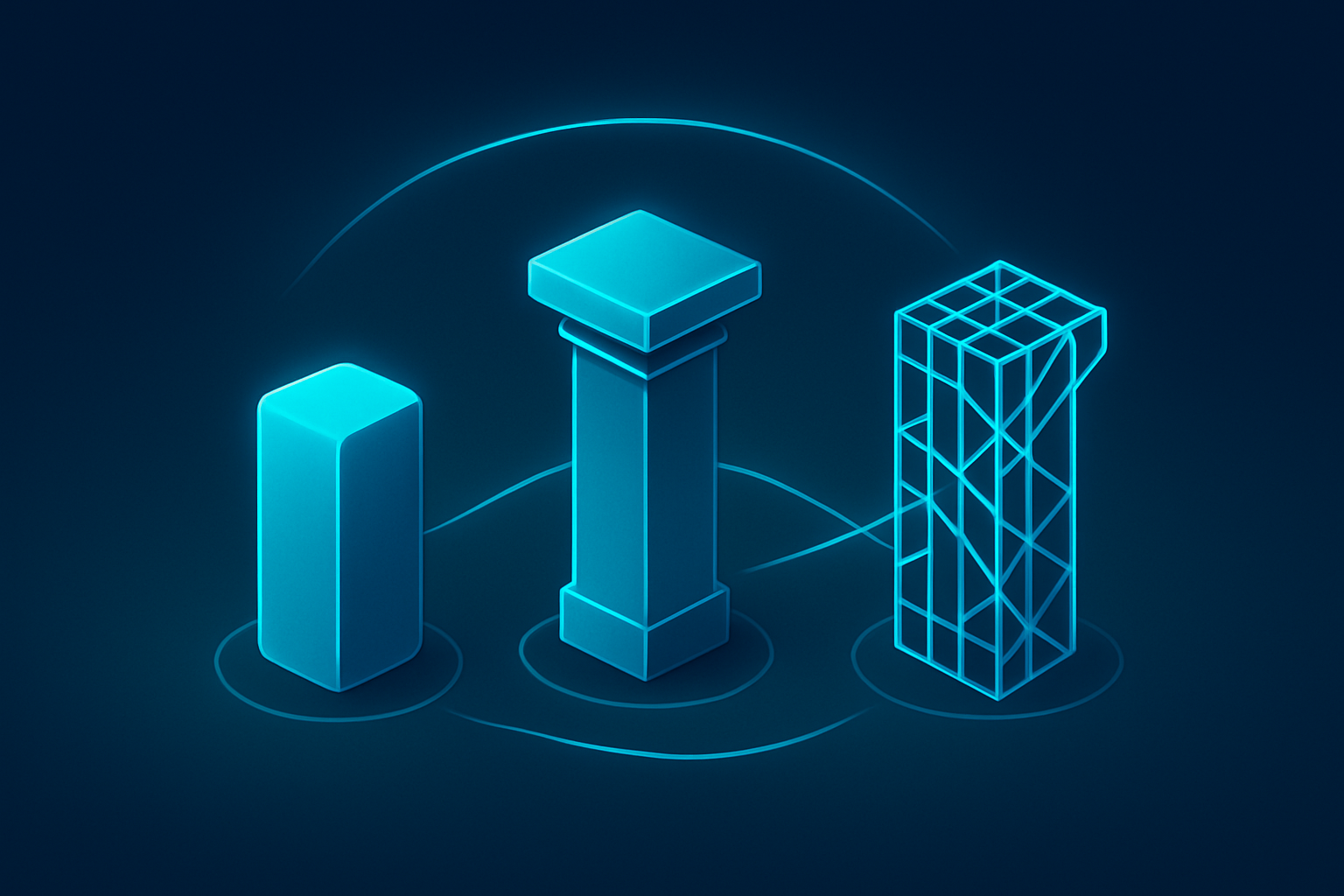
When evaluating platforms to create your AI chatbot, consider these critical factors based on real-world implementation experience:
| Criteria | No-Code Platforms | Low-Code Solutions | Custom Development |
|---|---|---|---|
| Time to Deploy | 1-2 weeks | 4-8 weeks | 3-6 months |
| Technical Skills Required | None | Basic coding | Advanced programming |
| Customization Level | Limited | Moderate | Complete |
| Integration Capabilities | Pre-built connectors | API-based | Unlimited |
| Ongoing Maintenance | Platform-managed | Shared responsibility | Full responsibility |
Industry-Specific Platform Considerations
Different industries have unique requirements that influence platform selection:
Real Estate: Look for platforms with strong CRM integrations (Salesforce, HubSpot), MLS connectivity, and lead scoring capabilities. The ability to handle property-specific queries and schedule showings is crucial.
Recruitment: Prioritize platforms that integrate with Applicant Tracking Systems (ATS), can parse resumes, and handle screening workflows. GDPR compliance is essential for candidate data handling.
Fundraising: Choose platforms with donor management system integrations, event handling capabilities, and robust reporting features. Compliance with fundraising regulations is critical.
Hospitality: Focus on platforms that integrate with Property Management Systems (PMS), handle booking modifications, and support multiple languages for international guests.
Essential Features for Your AI Chatbot Platform
Regardless of which platform type you choose, ensure it includes these fundamental capabilities:
- Natural Language Processing: Ability to understand variations in how customers phrase questions
- Context Management: Maintains conversation history and user preferences throughout interactions
- Multi-channel Deployment: Works across website, Facebook Messenger, WhatsApp, and other channels
- Integration APIs: Connects with your existing CRM, booking systems, and databases
- Analytics Dashboard: Provides insights into user interactions, common queries, and performance metrics
- Human Handoff: Seamlessly transfers complex queries to human agents when needed
- Knowledge Base Management: Easy updating of bot responses and information
The key to successful AI chatbot creation lies not in choosing the most advanced platform, but in selecting one that aligns with your business needs, technical capabilities, and growth plans. In the next section, we'll walk through the step-by-step process of actually building your AI chatbot, regardless of which platform approach you choose.
Step-by-Step Guide to Building Your AI Chatbot
Now that you understand the different types of platforms available, let's walk through the actual process of building your AI chatbot. This systematic approach has proven successful across hundreds of implementations in real estate, recruitment, fundraising, and artificial intelligence hospitality sectors.
Step 1: Define Your Chatbot's Scope and Objectives
Before you write a single line of code or configure your first conversation flow, you need crystal-clear objectives. This foundational step determines everything from platform selection to success metrics.
Map Your User Journey: Document the specific interactions your chatbot will handle. For a real estate agency, this might include lead qualification, property inquiries, and showing appointments. For recruitment firms, focus on candidate screening, job matching, and interview scheduling.
Define Success Metrics: Establish measurable goals such as:
- Lead qualification rate improvement (target: 40-60% increase)
- Response time reduction (target: from hours to seconds)
- Cost per interaction decrease (target: 70-80% reduction)
- Customer satisfaction scores (target: 4.5+ out of 5)
Identify Integration Points: List all systems your chatbot needs to connect with,CRM platforms, booking systems, payment processors, or knowledge bases. This prevents costly rebuilds later.
Step 2: Design Your Conversational Flows
Creating effective conversation flows is both an art and a science. Your chatbot needs to guide users naturally while gathering the information your business requires.
Start with the Greeting: Your opening message sets the tone for the entire interaction. Instead of generic greetings, use industry-specific welcomes:
Real Estate: "Hi! I'm here to help you find your perfect property. Are you looking to buy, sell, or rent?"
Recruitment: "Welcome! I can help you explore career opportunities or submit your application. What brings you here today?"
Fundraising: "Hello! I'm here to help you learn about our mission and how you can make a difference. What interests you most?"
Hospitality: "Welcome! I can assist with reservations, special requests, or local recommendations. How can I help?"
Create Branching Logic: Design conversation paths that adapt based on user responses. Use conditional logic to personalize interactions,a first-time visitor gets different information than a returning customer.
Handle Error States: Plan for misunderstandings, incomplete information, and edge cases. Your chatbot should gracefully handle situations where it doesn't understand a query or needs clarification.
Step 3: Implement Natural Language Processing
Modern AI chatbots excel because they understand intent, not just keywords. This is where you configure the "brain" of your chatbot to interpret natural language variations.
Intent Recognition: Train your chatbot to recognize different ways users express the same need. For example, "I want to sell my house," "Looking to list my property," and "Need a real estate agent" all express the same intent.
Entity Extraction: Configure your chatbot to identify and extract key information from user messages,property types, salary ranges, donation amounts, or check-in dates.
Context Management: Implement conversation memory so your chatbot remembers previous interactions and can reference earlier parts of the conversation naturally.
Step 4: Integrate Your Knowledge Base
Your chatbot is only as good as the information it can access. This step involves connecting your bot to relevant data sources and training it on your business-specific knowledge.
Upload Core Content: Start with frequently asked questions, product information, pricing details, and process explanations. Organize this content in a structured format that your chatbot can easily reference.
Connect Live Data: Integrate with your CRM, inventory management, or booking systems to provide real-time information. A hospitality chatbot should access current room availability, while a recruitment bot needs live job postings.
Pro Tip: Start with a limited knowledge base and expand gradually. It's better to handle 20 topics excellently than 100 topics poorly. Monitor which questions your chatbot can't answer and prioritize adding that content.
Implement Continuous Learning: Set up feedback loops where your chatbot learns from interactions. When users indicate satisfaction or dissatisfaction, use that data to improve responses.
Step 5: Test Thoroughly and Optimize Performance
Testing is where good chatbots become great ones. This phase requires systematic evaluation and iterative improvement based on real user interactions.
Internal Testing: Have team members test every conversation flow, trying to break the chatbot with unusual inputs, edge cases, and unexpected questions. Document every issue and fix them before launch.
Beta User Testing: Deploy your chatbot to a small group of real customers or prospects. Collect detailed feedback on conversation quality, usefulness, and areas for improvement.
Performance Monitoring: Track key metrics from day one:
- Conversation completion rates
- User satisfaction scores
- Common failure points
- Response accuracy rates
- Integration with human agents
Leveraging Advanced AI Technologies
Once your basic chatbot is functioning well, you can enhance it with advanced AI capabilities that provide competitive advantages and superior user experiences.
Machine Learning and Continuous Improvement
Modern AI chatbots use machine learning to improve over time. Implement feedback mechanisms where users can rate responses, and use this data to refine your bot's performance. Set up A/B testing for different response variations to optimize conversion rates.
Predictive Analytics: Use conversation data to predict user needs and proactively offer relevant information. A real estate chatbot might suggest properties based on previous inquiries, while a recruitment bot could recommend jobs matching a candidate's profile.
Generative AI Integration
Integrating generative AI models like GPT-4 allows your chatbot to create personalized content on demand. This capability transforms your bot from a simple Q&A system into a creative assistant.
Dynamic Content Creation: Generate personalized property descriptions, job summaries, fundraising proposals, or guest communications based on specific user needs and preferences.
Multilingual Support: Use AI translation capabilities to serve international clients without maintaining separate chatbots for each language.
Autonomous Task Execution
Advanced AI chatbots can execute tasks beyond conversation,booking appointments, updating records, processing payments, or triggering workflows in connected systems.
Advanced AI Benefits
- Handles complex, multi-step processes automatically
- Provides personalized experiences at scale
- Reduces human workload for routine tasks
- Improves accuracy through consistent execution
- Available 24/7 without breaks or holidays
Implementation Challenges
- Requires significant upfront configuration
- Needs ongoing monitoring and adjustment
- May require technical expertise to maintain
- Can be expensive for complex implementations
- Requires robust error handling and fallbacks
Best Practices and Common Troubleshooting
Based on extensive experience implementing AI chatbots across various industries, here are the most critical best practices that separate successful deployments from failed ones:
Conversation Design Principles
Keep It Conversational: Write responses in natural, friendly language that matches your brand voice. Avoid corporate jargon or overly technical explanations.
Be Transparent: Always make it clear that users are interacting with an AI chatbot, not a human. Provide easy access to human agents when needed.
Personalize Interactions: Use available data to customize responses. Reference previous interactions, user preferences, or account information when relevant.
Common Challenges and Solutions
Low Accuracy Rates: If your chatbot frequently misunderstands queries, expand your training data with real user conversations. Add more intent examples and improve entity recognition.
High Abandonment Rates: Users leaving conversations mid-way often indicates confusing flows or unhelpful responses. Simplify conversation paths and ensure each response provides clear value.
Integration Failures: When connections to external systems fail, implement robust error handling and fallback options. Always have a backup plan for critical processes.
Measuring Success and ROI
The true value of your AI chatbot lies in measurable business outcomes. Track these key performance indicators to demonstrate ROI and guide optimization efforts:
| Industry | Primary KPIs | Typical Improvement |
|---|---|---|
| Real Estate | Lead qualification rate, showing appointments booked | 40-60% increase in qualified leads |
| Recruitment | Application completion rate, screening efficiency | 50-70% reduction in screening time |
| Fundraising | Donor engagement, information request fulfillment | 35-45% increase in donor interactions |
| Hospitality | Booking conversion, guest satisfaction scores | 25-40% improvement in booking rates |
Cost Analysis: Calculate the total cost of ownership including platform fees, development time, and ongoing maintenance. Compare this against the cost of human agents handling the same volume of interactions.
Revenue Impact: Measure how your chatbot contributes to revenue through improved lead conversion, reduced response times, and enhanced customer experience.
Conclusion: Your AI Chatbot Success Strategy
Creating your own AI chatbot is no longer a luxury,it's a competitive necessity. The businesses that implement effective AI chatbots today will have significant advantages in customer engagement, operational efficiency, and scalability.
The key to success lies in starting with clear objectives, choosing the right platform for your needs, and focusing on user experience over technical complexity. Whether you use a no-code platform or develop a custom solution, the principles remain the same: understand your users, provide genuine value, and continuously improve based on real-world feedback.
Remember that building an AI chatbot is an iterative process. Start with core functionality, gather user feedback, and expand capabilities over time. The most successful implementations begin simply and evolve into sophisticated AI assistants that truly transform business operations.
The AI chatbot market is projected to reach $15.6 billion by 2025, with businesses across all industries recognizing the transformative potential of conversational AI. Those who act now will establish competitive advantages that become increasingly difficult for competitors to match.
Your journey to create your own AI chatbot starts with a single conversation flow. Focus on solving one specific problem exceptionally well, then expand from there. The technology is ready, the platforms are mature, and your customers are waiting for better, faster, more personalized interactions.
The question isn't whether you should build an AI chatbot,it's how quickly you can get started and begin delivering measurable value to your business and customers. For further reading on the latest advancements in AI chatbot technology, see this external resource.
Frequently Asked Questions
Can I create my own AI chatbot?
Yes, creating your own AI chatbot is entirely possible and increasingly accessible. By leveraging pre-built AI platforms and integrating them with your business systems, you can develop chatbots tailored to your specific operational needs,whether for customer service, lead qualification, or guest engagement,delivering measurable efficiency and satisfaction improvements.
Can I create my own AI for free?
You can start building simple AI models and chatbots using free tools and frameworks available online, which are ideal for experimentation and small-scale applications. However, for enterprise-grade solutions that drive real ROI, especially in industries like hospitality or real estate, investing in specialized AI platforms or expert support is often necessary to ensure scalability, reliability, and industry-specific functionality.
Can I create my own AI like ChatGPT?
While creating an AI system with the broad conversational capabilities of ChatGPT is technically feasible, it requires substantial data, computational resources, and expertise. Most mid-market businesses benefit more from customizing existing advanced AI models to their specific domain and workflows, which provides practical, outcome-driven results without the heavy investment of building a large-scale general AI from scratch.
Is creating a chatbot free?
Basic chatbot creation can be free using open-source tools or trial versions of AI platforms, suitable for simple tasks like FAQs or basic booking assistance. However, to build a chatbot that integrates deeply with your operational systems, supports complex interactions, and delivers measurable business outcomes,such as reducing no-shows or increasing upsell rates,there are typically costs associated with development, customization, and ongoing maintenance.
How do I create my own ChatGPT?
Creating your own version of ChatGPT involves training or fine-tuning large language models on significant datasets, which requires technical expertise, powerful computing resources, and compliance with data governance. For most businesses, a more practical approach is to use API-accessible AI models that can be customized with your industry-specific data to augment human teams effectively without the complexity of full-scale model development.
Is making an AI chatbot hard?
Developing an AI chatbot can range from straightforward to complex depending on your goals and industry requirements. For sectors like hospitality or recruitment, where personalized interactions and integration with existing systems are critical, working with AI specialists ensures the chatbot not only functions but delivers measurable improvements in guest satisfaction or candidate screening efficiency, turning a potentially challenging project into a strategic advantage.
About The Author
Anas Moujahid is the chief contributing writer & Operations Director for the Vynta Blog, where he turns cutting-edge AI automation into measurable business outcomes for mid-market companies.
Vynta designs enterprise-grade AI agents that augment rather than replace people,freeing teams to focus on higher-value work while the bots handle the busywork.
We specialise in four service-heavy verticals where AI can move the revenue needle fast: real estate, recruitment, fundraising and hospitality.
Anas started his career architecting AI and automation systems; today he leads operations at Vynta, making sure every deployment lands real-world ROI,whether that’s more booked viewings for estate agents, faster placements for recruiters, warmer investor pipelines for fundraisers or happier guests for hotels and restaurants.
Vynta delivers results by:
- Building industry-specific agents pre-trained on real-world workflows,no generic chatbots here.
- Integrating seamlessly with existing CRMs, ATSs, PMSs and fundraising platforms,zero rip-and-replace.
- Measuring success in business KPIs (lead-to-close rates, time-to-hire, donor retention, RevPAR) not vanity metrics.
- Providing transparent implementation plans so clients know exactly what to expect, when and why.
- Pairing every AI agent with human-in-the-loop controls to keep quality, compliance and brand voice on point.
Since launch, Vynta has helped agencies slash lead qualification time by up to 70 %, recruitment firms cut screening hours in half, fundraising teams triple investor touchpoints and hospitality brands lift guest satisfaction scores by double digits,all while keeping human expertise firmly in the loop.
Anas writes with the same ethos that drives Vynta: outcome-focused, jargon-free and grounded in real business value. Expect data-backed insights, practical implementation guides and a clear-eyed view of what AI can,and can’t,do for your organisation.